Editorial

Editorial

Latest news from and about the homeland

When Argentina's players unfurled a banner reading "Las Malvinas son Argentinas" after their World Cup semifinal victory over England this week, the British state required no time for reflection. Within a day, Downing Street had urged FIFA to investigate, ministers had denounced the gesture, and the Prime Minister's spokesperson had delivered the line that "the World Cup might not be ours, but…

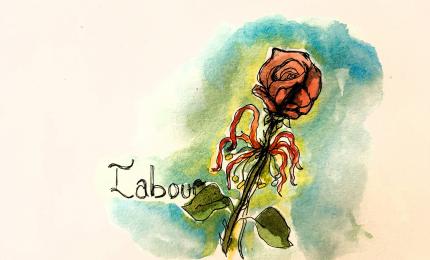
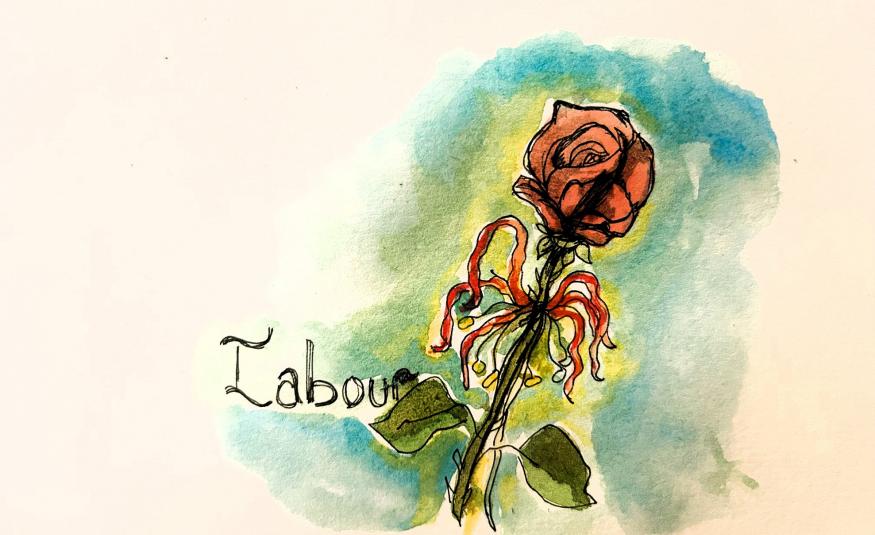
The Labour Party one year on

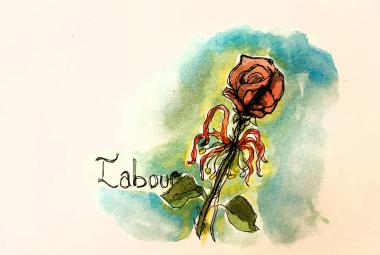
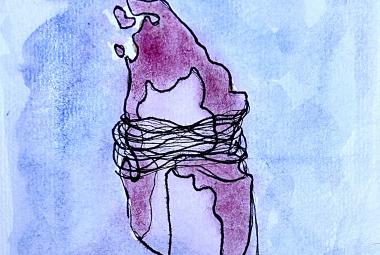
It has been over a year since the Labour Party returned to power in the United Kingdom with a sweeping majority and a bold promise to reshape foreign policy through the lens of justice, human rights, and upholding international law. For British Tamils, this victory brought cautious hope. After 14 years of Conservative stagnation on accountability for the genocide committed by Sri Lanka, Labour offered not just vocal support, but made explicit commitments to pursue justice for the mass atrocities. Today, that optimism has curdled into frustration, as those pledges remain unfulfilled.
Fragile foundations

The imposition of a 30% tariff on Sri Lankan exports by US President Donald Trump should be a stark wake-up call for Colombo. It’s ailing economy has just been dealt another severe blow. But instead of confronting the systemic issues at the heart of the island’s financial frailty, officials have chosen to spin the decision as an isolated diplomatic setback and temporary negotiating hurdle. The truth is far more damning. This tariff has exposed the deep and long-standing fragility of Sri Lanka’s economic model, weighed down not just by corruption, but by impunity, militarisation and occupation.

Chemmani must be a turning point

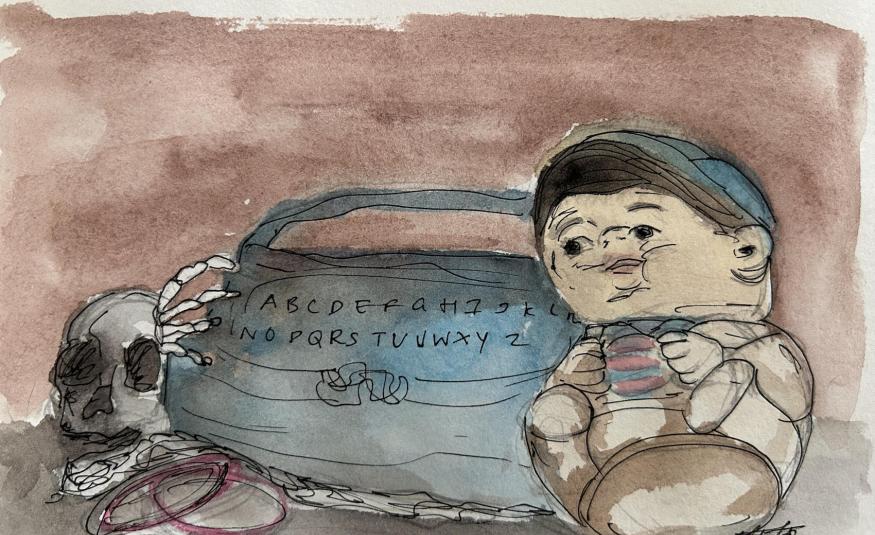
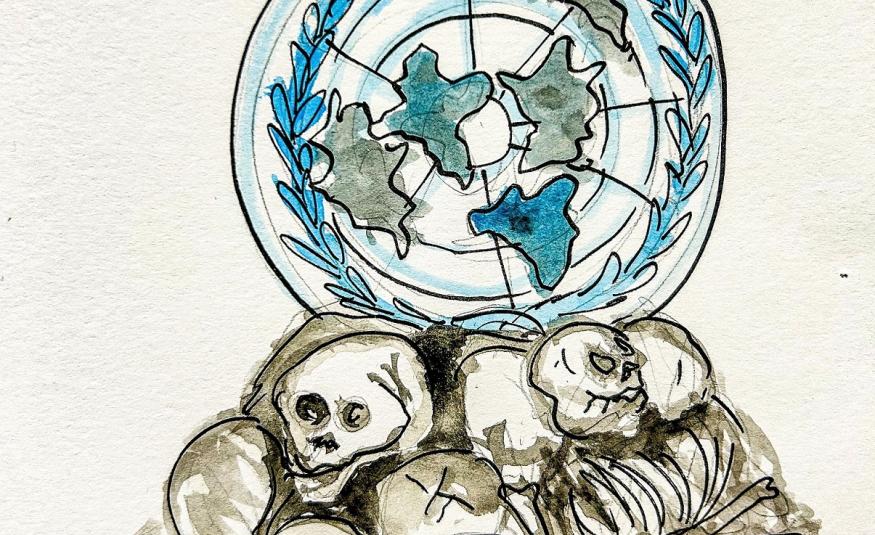
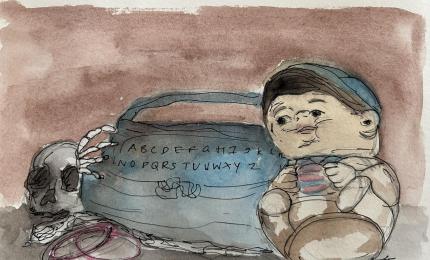
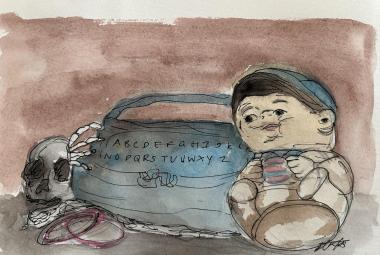
The discoveries emerging from the Chemmani mass grave over the past week have been harrowing. A blue UNICEF-issued schoolbag. A child’s toy. A sandal. And the bodies of men, women, and children, painfully unearthed one by one. Each one is a testimony to Sri Lanka’s brutal past and the enduring failure to bring those responsible to justice.

Türk’s visit to Eelam – Will the international community finally act?

While the symbolism of his visit cannot be denied, in the face of a deep-rooted and decades-long crisis of impunity, that alone is not enough. As he returns to Geneva, the visit must serve as a reminder to his office and to the international community that action, not words, must now follow.

Israel, Iran and Sri Lanka

The escalating conflict between Israel and Iran is reverberating across the globe, disrupting supply chains, fuelling oil price hikes, and unsettling fragile economies. Few countries will be watching these developments with more anxiety than Sri Lanka. For Colombo, the fallout could have far-reaching economic and political consequences.

Mass graves are not history

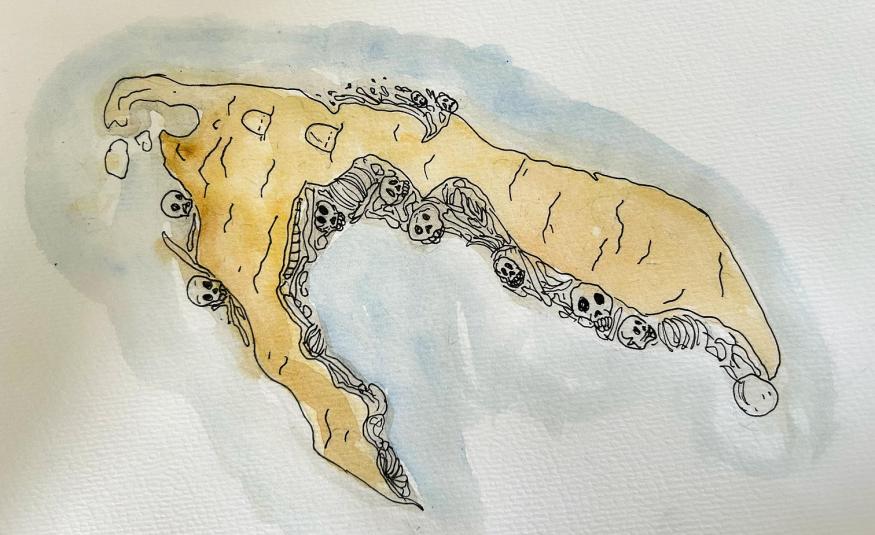
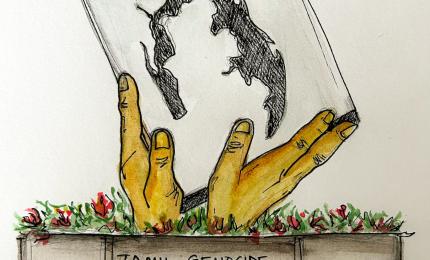
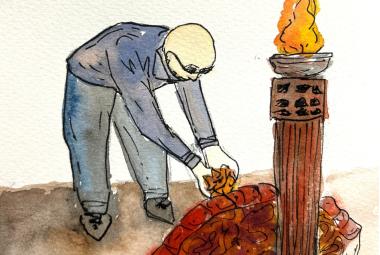
More grisly discoveries were made in Tamil Eelam this week. These findings serve as a sobering reminder that Sri Lanka’s atrocities are not relics of a distant past. Nor can they be buried forever. The crimes will return to haunt those who seek to cover them up.

Türk must go to Mullivaikkal

Volker Türk is no stranger to Sri Lanka. There is little prospect of progress for the High Commissioner in Colombo. Instead, it is the Tamil North-East, and Mullivaikkal in particular, where he must go.

Sri Lanka’s genocide blueprint

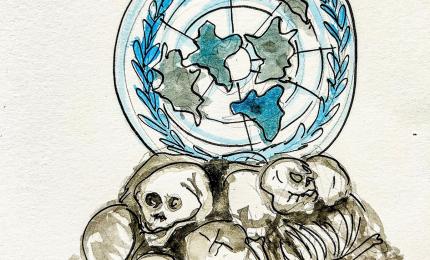
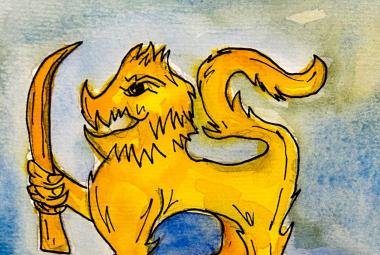
There was a marked shift in global politics last week as states around the world, including staunch allies of Israel, began to criticise its ongoing military offensive in Gaza. It comes as a senior United Nations humanitarian official repeatedly issued a stark reminder of the international community’s failure to prevent genocide previously, pointing specifically to Sri Lanka.

A global reckoning

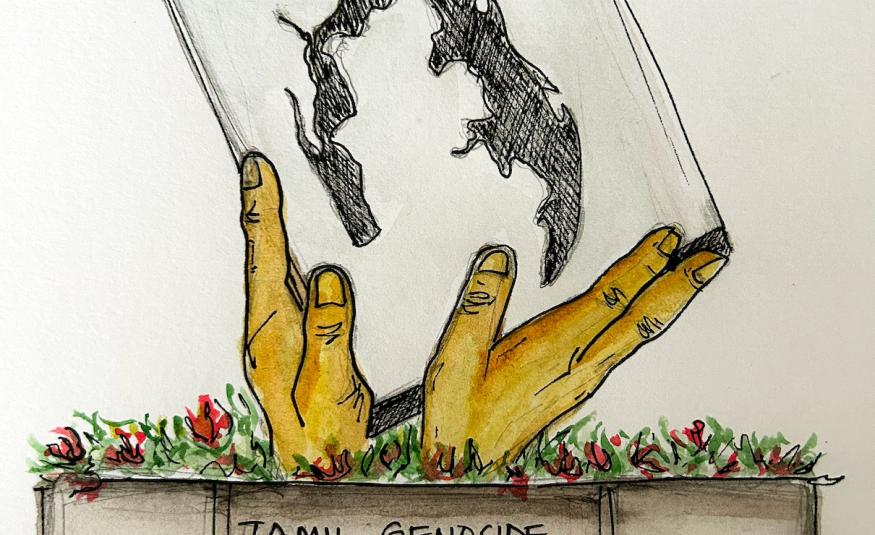
Last week, thousands of Tamils gathered at Mullivaikkal, on the very beaches where tens of thousands were massacred by the Sri Lankan state in 2009, to mark the 16th anniversary of the genocide. The turnout was remarkable.

There can be no more denial

As commemorations of the 2009 genocide continue to grow, Colombo’s denialism remains firmly intact. The NPP’s actions, mirroring those of its predecessors, reveal a political establishment still unwilling to confront the truth.