Editorial

Editorial

Latest news from and about the homeland

Recent weeks have brought to light a deep rot within Sri Lanka that for decades, the South has sought to cover up. The explosive revelation that one of the island’s most senior Sinhala Buddhist monks stands accused of repeatedly raping a child has laid bare a culture of impunity that has protected powerful members of the clergy for decades. It is shameful and symptomatic of a powerful political…

Airfares over atrocities

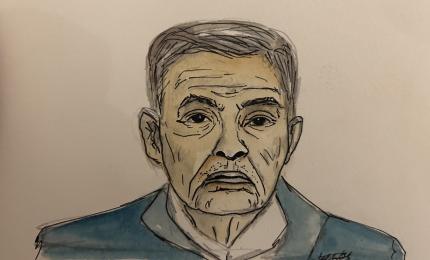
There will be few tears shed at the news that Ranil Wickremesinghe has been arrested by Sri Lankan authorities. Like many from Sri Lanka’s entrenched political elite, the former president and six-time prime minister has many questions to answer.

A decade of déjà vu

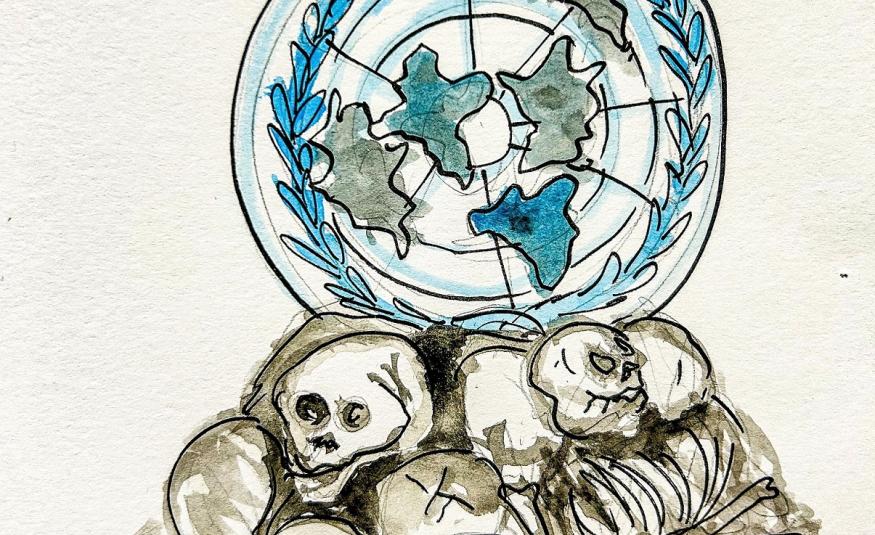
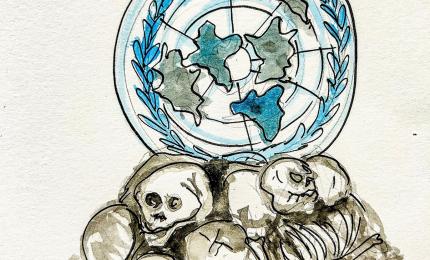
Last week, a much awaited new UN report was released. For many, the document made for familiar reading. The report was damning in its findings. But its conclusion, was starkly weak, once again placing the onus on Sri Lanka to do what it never will – hold war criminals to account.

The surveillance never stopped

Despite the promises of a new era under Anura Kumara Dissanayake’s administration, little has changed on the ground. For Tamils, the surveillance, harassment, and intimidation persists.

Elbows up - Defending Gary Anandasangaree

The story of Gary Anandansagaree, Canada’s Minister of Public Safety, is impressive. He came to the country as a child just weeks after the Black July pogrom of 1983, where Sri Lankan state-backed mobs murdered thousands of Tamils just like him.

Recognising statehood

This week, France’s president Emmanuel Macron announced his government would move to recognise the State of Palestine. Though not the first state, nor even first European country, to do so, as a G7 nation and permanent member of the UN Security Council, the move carries significant weight.

The Labour Party one year on

It has been over a year since the Labour Party returned to power in the United Kingdom with a sweeping majority and a bold promise to reshape foreign policy through the lens of justice, human rights, and upholding international law. For British Tamils, this victory brought cautious hope. After 14 years of Conservative stagnation on accountability for the genocide committed by Sri Lanka, Labour offered not just vocal support, but made explicit commitments to pursue justice for the mass atrocities. Today, that optimism has curdled into frustration, as those pledges remain unfulfilled.

Fragile foundations

The imposition of a 30% tariff on Sri Lankan exports by US President Donald Trump should be a stark wake-up call for Colombo. It’s ailing economy has just been dealt another severe blow. But instead of confronting the systemic issues at the heart of the island’s financial frailty, officials have chosen to spin the decision as an isolated diplomatic setback and temporary negotiating hurdle. The truth is far more damning. This tariff has exposed the deep and long-standing fragility of Sri Lanka’s economic model, weighed down not just by corruption, but by impunity, militarisation and occupation.

Chemmani must be a turning point

The discoveries emerging from the Chemmani mass grave over the past week have been harrowing. A blue UNICEF-issued schoolbag. A child’s toy. A sandal. And the bodies of men, women, and children, painfully unearthed one by one. Each one is a testimony to Sri Lanka’s brutal past and the enduring failure to bring those responsible to justice.

Türk’s visit to Eelam – Will the international community finally act?

While the symbolism of his visit cannot be denied, in the face of a deep-rooted and decades-long crisis of impunity, that alone is not enough. As he returns to Geneva, the visit must serve as a reminder to his office and to the international community that action, not words, must now follow.

Israel, Iran and Sri Lanka

The escalating conflict between Israel and Iran is reverberating across the globe, disrupting supply chains, fuelling oil price hikes, and unsettling fragile economies. Few countries will be watching these developments with more anxiety than Sri Lanka. For Colombo, the fallout could have far-reaching economic and political consequences.