
The escalating conflict between Israel and Iran is reverberating across the globe, disrupting supply chains, fuelling oil price hikes, and unsettling fragile economies. Last night, the US announced that it had bombed three nuclear sites in Iran, potentially turning the regional conflict into a global one. Few countries will be watching these developments with more anxiety than Sri Lanka. For Colombo, the fallout could have far-reaching economic and political consequences.
Over decades, Sri Lanka has fostered friendly relations with both Israel and Iran. Both countries were instrumental backers of its brutal war on Tamils. In 2005, Tehran supplied Colombo with $150 million worth of arms, barely weeks after the Indian Ocean tsunami devastated the island. By 2007, as the Sri Lankan military looked to rebuild its destroyed air force after LTTE commandos smashed Anuradhapura airbase in ‘Operation Ellalan’, Sri Lanka turned again to Tehran for loans. Meanwhile, Israel had grown to become one of Sri Lanka’s most important military suppliers, equipping its military with Kfir fighter jets, Shaldag and Super Dvora patrol boats, and sophisticated UAVs.
Today, Colombo continues to maintain key ties with both states. In 2024, Sri Lanka paid off $251 million in outstanding oil dues to Iran via tea exports, carefully structured to avoid breaching US sanctions. And earlier this year, a Memorandum of Understanding signed with Israel saw thousands of Sri Lankan workers gain employment in Israel. Already, over 20,000 Sri Lankans are working in Israel, taking up jobs once filled by Palestinians. In March 2024, Sri Lanka opened a new consulate in Haifa, and just days later, officials discussed expanding trade in gems, cinnamon, and agriculture.
With conflict between Iran and Israel intensifying, those growing ties now hang in the balance. Tea exports to Iran may shrink, global oil prices will likely surge, and remittances from workers in Israel will likely decline. For an economy still reeling from a catastrophic collapse in 2022, those pressures could prove catastrophic. The ‘aragalaya’ protest is a reminder of how swiftly economic frustration can erupt into full-blown upheaval in Sri Lanka. At a moment when Colombo is desperately trying to keep its finances afloat, it cannot afford further shocks.
It is within this context that Anura Kumara Dissanayake’s recent visit to Germany should be viewed. Seeking to project an image of stability and international engagement, Dissanayake met with Bundestag Foreign Minister Johann Wadephul to discuss expanding trade, cooperation, investment, and training. Yet, behind the performance of recovery lies a deeply fragile state that remains fundamentally dependent on foreign support and investment.
For international actors, this moment of crisis also presents an opportunity in Sri Lanka. As global instability forces Colombo to look outward for economic lifelines, international partners must seize this moment to press for long-overdue reforms. These must include demilitarising the Tamil North-East, cooperating fully with international accountability mechanisms into the genocide, and initiating genuine political solutions, including meaningful autonomy for the Tamil homeland.
The current crisis, and Sri Lanka’s muted reaction to it, also illustrates the feebleness of its foreign policy. The current National People’s Power (NPP) regime has refused to make a statement siding with either party in the Middle East. Instead, it has tried to appease all actors. Ministers claim to support Palestinian rights, yet send workers to Israel to replace them, all whilst also building ties with Tehran. This is not neutrality that is grounded in a set of principles. It is transactional and opportunistic.
As economic pressure mounts, Sri Lanka’s transactional diplomacy will face its limits. With its financial survival hanging in the balance, international partners have both the leverage and the responsibility to demand more. Concrete action must follow.
_____
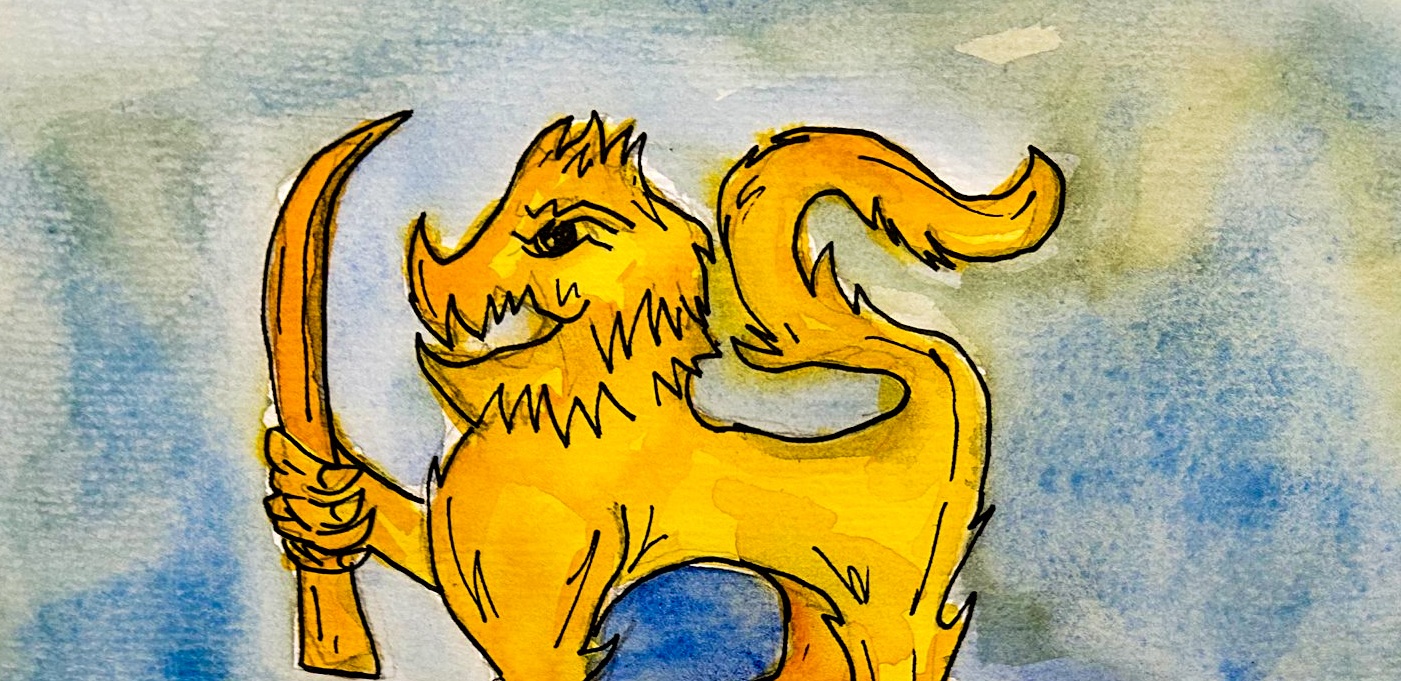
Illustration by Keera Ratnam