
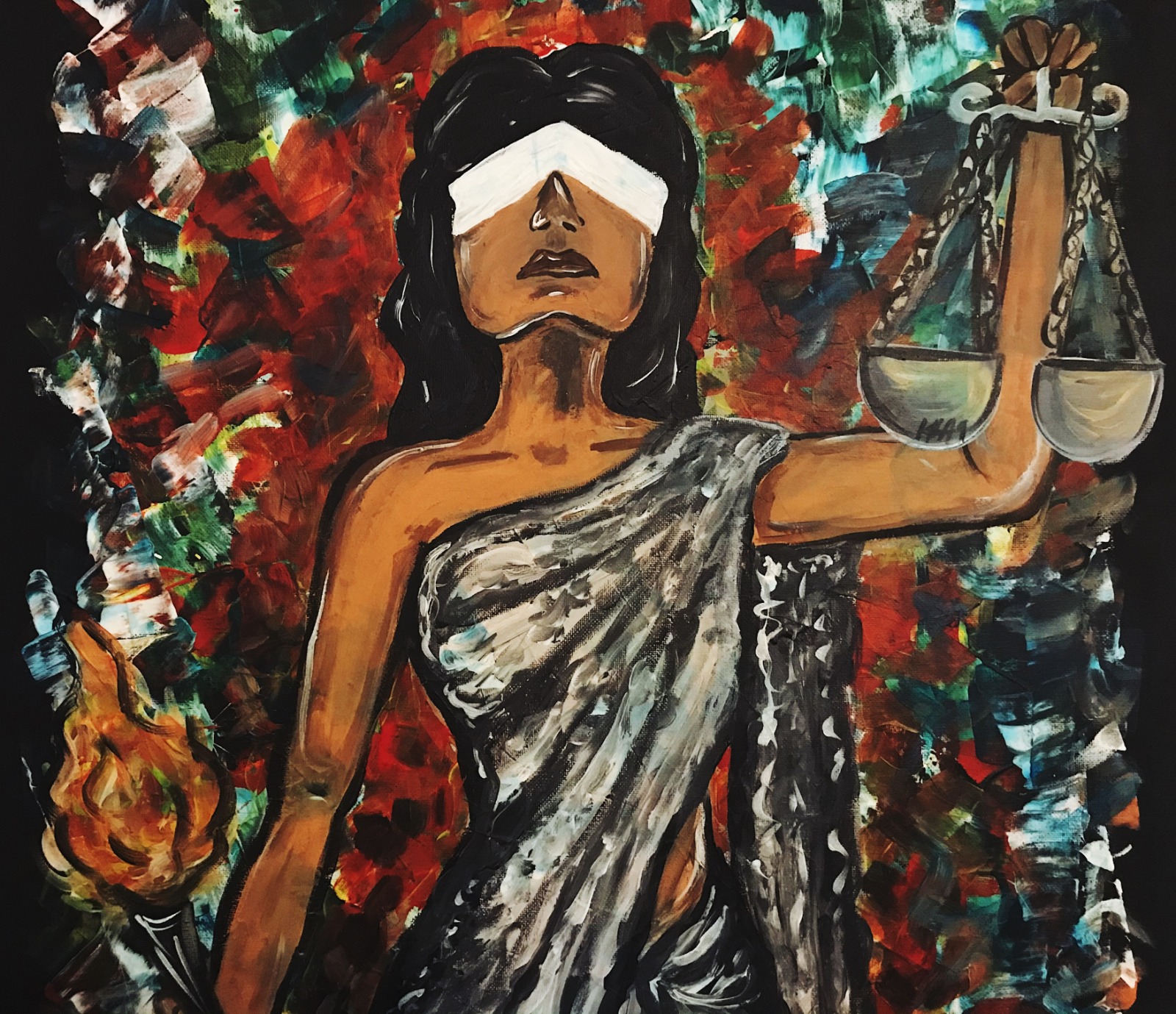
The UN Human Rights Council (UNHRC) passed a resolution on Sri Lanka last week, extending the mandate of the Office of the High Commissioner of Human Rights (OHCHR) for a further two years. This extension will allow the OHCHR to continue gathering and preserving evidence that can be used in future war crime trials. When those trials will be, however, is the question that no one is able to answer. More than 16 years after the genocide at Mullivaikkal, impunity still reigns in Sri Lanka. And the UN has just given Colombo another carte blanche.
The language in the latest resolution has undoubtedly been diluted, particularly in comparison to resolution 30/1, adopted in 2015, which emphasised the importance of the participation of foreign judges, lawyers and prosecutors in a judicial mechanism. At the time, it seemed there were concrete steps being taken towards setting up a much-needed accountability process. That was a decade ago. The victim-survivors are still waiting.
With a complete lack of any sort of accountability for the atrocities committed, it would only be natural to expect pressure to ramp up on Colombo as time passes. But the absence of such explicit language in the latest resolution signals a weakening of pressure instead. It also commended Sri Lanka for its engagement with the UNHRC despite the lack of any meaningful action by the National People’s Power government.
When campaigning for the presidential election, Anura Kumara Dissanayake vowed to repeal the Prevention of Terrorism Act (PTA) but quickly backtracked on his pledge with the legislation still being used today to detain Tamils and Muslims. Despite all the rhetoric around Tamil commemoration being allowed, just last week, a memorial set up for victims of the Chemmani mass graves was vandalised. Even Tamil deaths in police custody have not ended, with another Tamil man dead last week. After more than a year in power for the National People’s Power regime, the conditions of living for the Tamil people have yet to change.
This was entirely expected from the Sri Lankan state, no matter which regime is in power. But there are serious questions for the United Nations system and the international community as a whole. Why, when it claims to be committed to seeing a genuine peace on the island, does it persist with an approach that has consistently yielded no results?
Each time the UNHRC has granted successive Sri Lankan administrations additional time to demonstrate their commitment to accountability, they have failed to follow through. This raises a fundamental question - why persist with an approach that has consistently yielded no results?
Tamils have long warned that simply “rolling over” resolutions at the UNHRC – further extending the mandate of these resolutions with no substantive strengthening of terms – simply offers the government additional time to whitewash its image. That cannot be allowed to continue.
If member states truly are committed to seeing a lasting peace, they must explore other avenues to fill the “accountability gap” as suggested by the UN High Commissioner. States should use universal jurisdiction to investigate and prosecute crimes under international law, as well as referring Sri Lanka to the International Criminal Court. Sanctions on those accused of the most heinous of crimes must be extended. And the regime in Colombo must feel the economic impact through the suspension of beneficial trade terms, if they refuse to repeal draconian legislation and demilitarise the Tamil homeland.
More than 16 years after the Mullivaikkal genocide, victims are being forced yet again, to wait for truth and justice to be served. They cannot wait any longer.
_____
Illustration: Keera Ratnam