
At the United Nations General Assembly last week, Sri Lankan president Anura Kumara Dissanayake declared “there is no nation in the world that desires a war”. He called for a ceasefire in Gaza, lamenting that the strip “has been turned into an open prison full of pain and suffering, echoing with the cries of children and the innocent civilians.” Despite the rhetoric, Dissanayake pointedly avoided naming the state responsible for those atrocities: Israel.
This was not an oversight, but a calculated choice by a leader fearful of threatening his government’s growing ties with Tel Aviv. Even as dozens of delegations walked out of the chamber during Israeli prime minister Benjamin Netanyahu’s speech, footage showed a Sri Lankan diplomat firmly seated behind the country’s nameplate. Colombo chose not to join the protest.
This double standard illustrates the disingenuous nature at the heart of the current Sri Lankan government.
Behind Dissanayake’s pious words at the UN lies a record of deepening bilateral ties with Israel. In recent months, Colombo has even sent hundreds of Sri Lankan workers to replace Palestinian labourers, dispatched a group of journalists for a propaganda tour, and Israeli diplomats have met with Sri Lankan defence officials. The partnership is longstanding. Israel armed and trained Sri Lanka’s military throughout the conflict, supplying weaponry and equipment that for decades were used to massacre the Tamil people.
Such duplicity is not new for this government. Indeed, though the National People’s Power (NPP) regime came to office more than a year ago promising change, its record is one of dishonesty.
It pledged to abolish the Prevention of Terrorism Act (PTA), for example. Yet arrests under the law have continued, including for protesting against the very “pain and suffering” in Gaza that Dissanayake spoke of. The NPP vowed to renegotiate the deal with the International Monetary Fund (IMF). Instead, it has pursued the very austerity programme it once condemned, with millions pushed into poverty.
Most stark of all is its approach to the Tamil people. Dissanayake pledged to release occupied land. Yet the North-East remains under suffocating Sri Lankan military control. Land grab disputes, often carried out by Sinhala Buddhist monks and with the full-throated support of the armed forces, have continued unabated. He spoke of peace and justice. Yet he has also made sure that no war criminal has been brought to trial and refused to co-operate with UN resolutions that call for accountability. He spoke of freedom of the press. Yet, forces under his command continue to harass and intimidate human rights activists, whilst Sri Lankan officials at the UN slurred a Tamil journalist as a “terrorist” in full view of the international community.
This is not an accident. It is the continuation of a state project that has long spoken one language to the world and another to those it represses. For decades, Sri Lanka has relied on deception to deflect international pressure while deepening control over Tamil lands and lives. Dissanayake has merely refined this strategy. Reform will be in words and tone only. The stark reality of repression will continue to be maintained.
The international community bears responsibility for enabling this charade. Institutions and foreign governments continue to prop up Colombo, praising token gestures and even seeking military ties, while ignoring the reality of ongoing militarisation and denial of justice.
Until Colombo is held to the same standards it claims to uphold, its duplicity will remain visible – in Gaza, at the UN, and across the Tamil homeland
_____
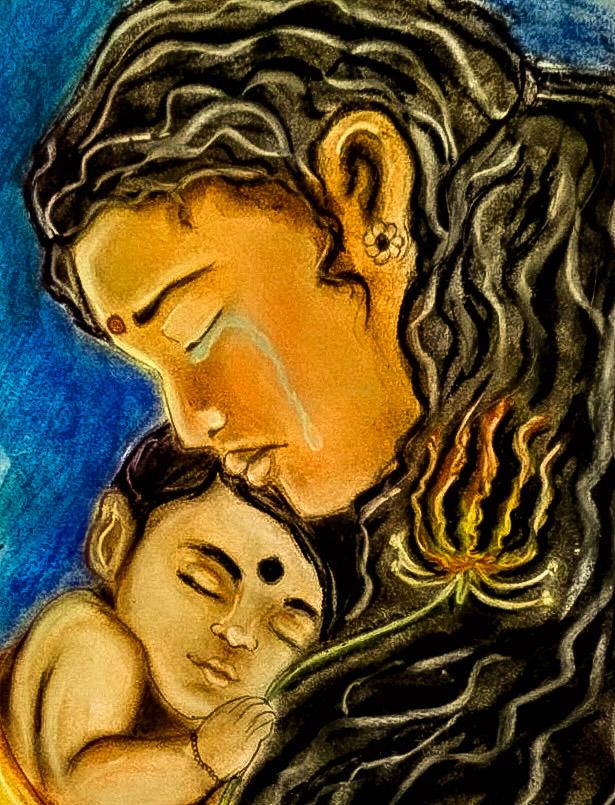
Illustration: Keera Ratnam