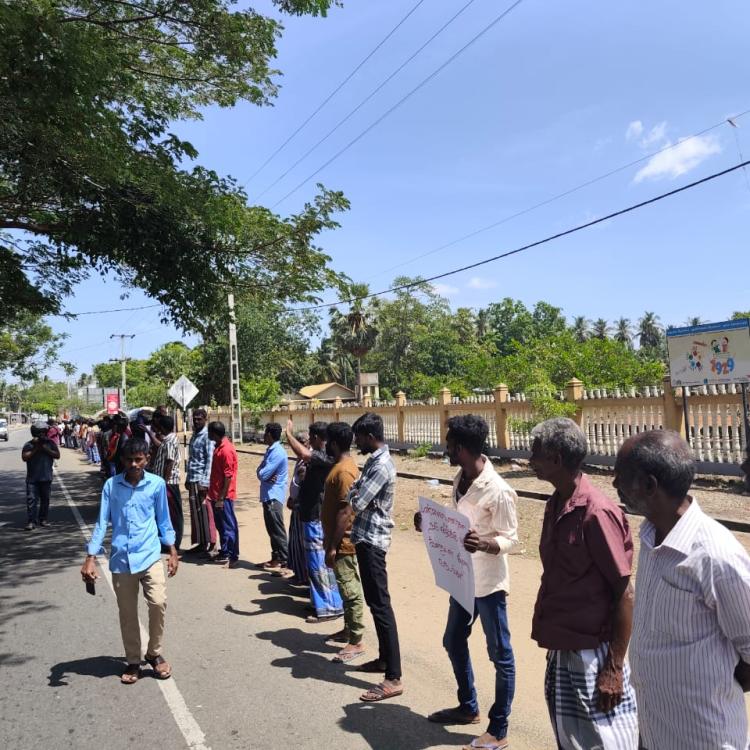
Last week, Tamil farmers in Mayilaththamadu and Mathavanai marked 730 consecutive days of protest. For two years, through scorching heat and monsoon rains, they have maintained a peaceful vigil, demanding the return of 3,025 hectares of grazing land and an end to Sinhala settler violence. Despite their longstanding and peaceful protest, their demands have fallen on deaf ears.
The farmers’ struggle, launched in December 2023, is rooted in decades of dispossession. Tamil cattle herders and their families have been subjected to systematic encroachment by state-backed Sinhala settlers, who have violently seized grazing lands that generations of Tamils have relied on for their livelihood. Farmers recount how their cattle have been shot, hacked with swords, electrocuted, or disappeared after settlers dismantled fences and drove the herds off. Families that depend on their animals for survival are trapped between poverty and persecution.
This is part of a deliberate programme of colonisation that has been in motion since independence in 1948. For decades, successive Sri Lankan governments have used state-sponsored settlement schemes to alter the demographics of the North-East. Mayilaththamadu and Mathavanai are simply the latest flashpoints in this long-running effort to systematically destroy the Tamil homeland. Across the North-East, from Kokkilai to Mullikulam, from Kurunthurmalai to Sampur, each case reflects a consistent state policy of militarisation and colonisation.
The inaction of the National People’s Power (NPP) government has been telling. Having swept to power exactly a year ago, the NPP has refused to engage meaningfully with the farmers or to curb the violence of Sinhala settlers. Instead, it has doubled down on Colombo’s well-worn rhetoric, presenting itself abroad as a progressive administration but taking few, if any, tangible steps.
Whilst piecemeal land releases have taken place, elsewhere land grabs have continued. In addition, not a single occupying military base has been shut down, nor has the tide of Sinhala Buddhist construction been stemmed. Indeed, the government’s silence on Tamil land rights reveals how deeply Sinhala majoritarianism is embedded in Sri Lanka’s political system.
For Tamil farmers, this hypocrisy is not new. Tamil voices have been ignored, marginalised, and violently silenced. What makes their protest remarkable is the dignity with which they continue to resist – peacefully, steadfastly, and against overwhelming odds.
As Eelam Tamils gather this week to remember Thileepan’s fast unto death in 1987, the resonance of Mayilaththamadu’s protest becomes all the more stark. Just like Thileepan, the Tamil mothers of the disappeared on the roadsides of the North-East, and countless other voices throughout the liberation struggle, the farmers of Mayilaththamadu have become yet another emblem of Tamil resistance.
Two years into their protest, whilst Colombo may turn a blind eye, the world cannot afford to.
_____
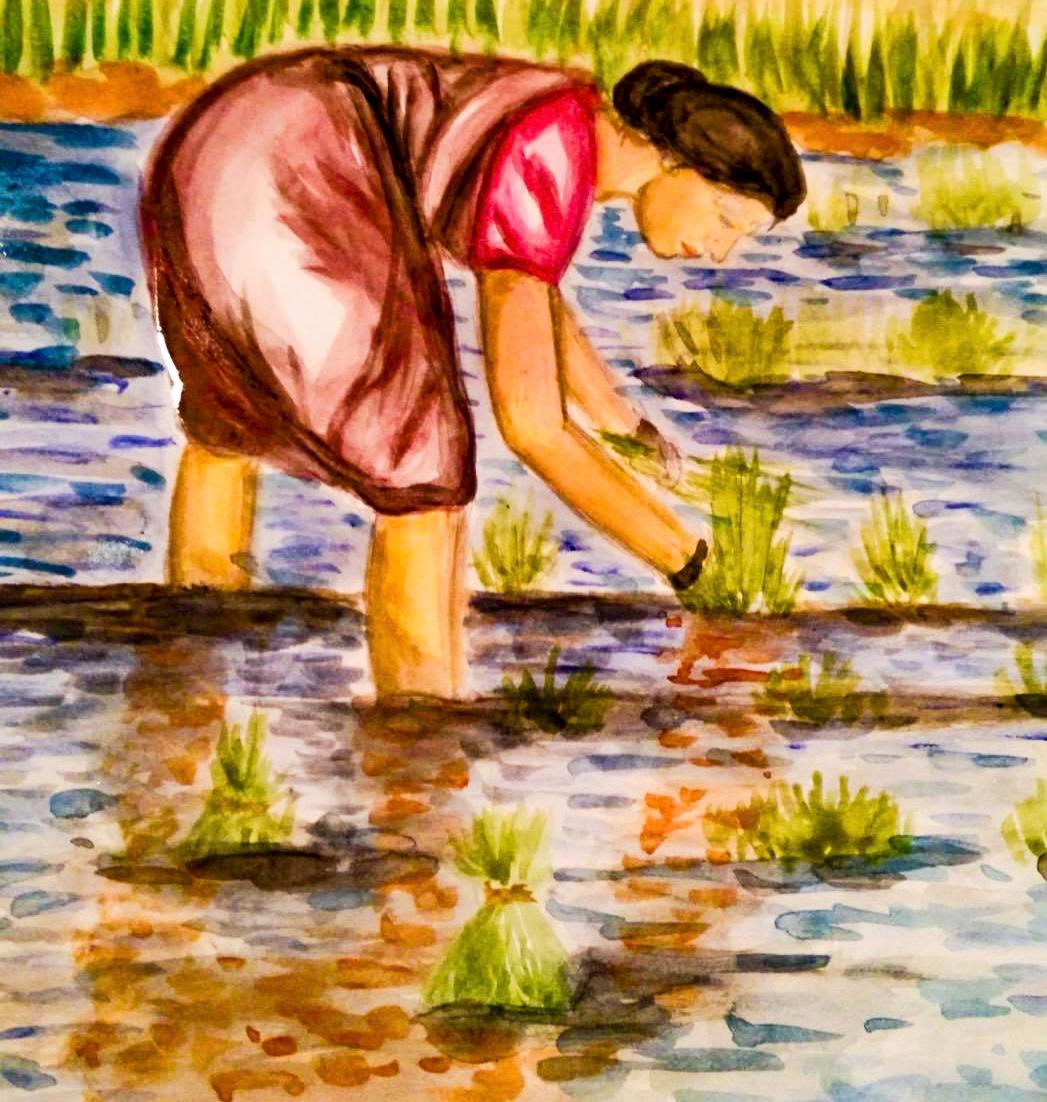
Illustration: Keera Ratnam