Editorial

Editorial

Latest news from and about the homeland

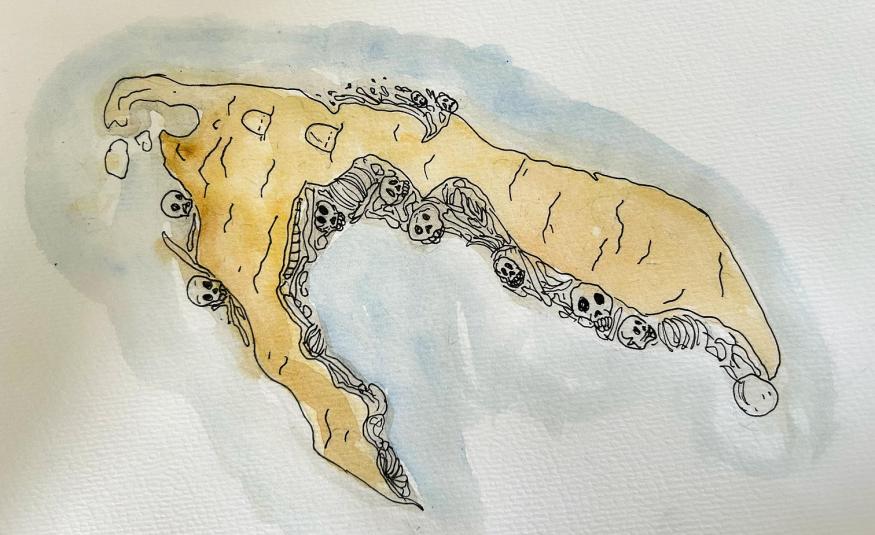
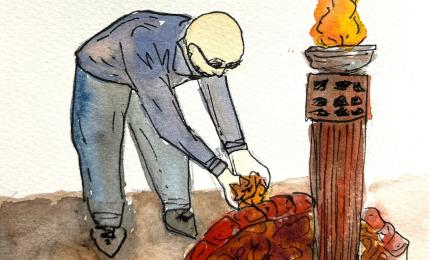
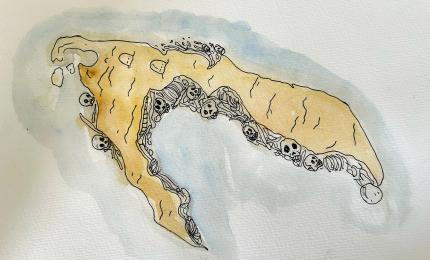
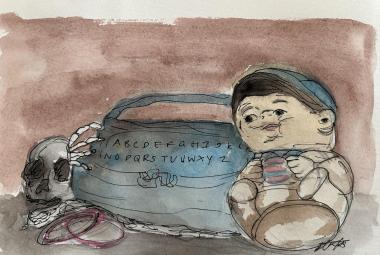
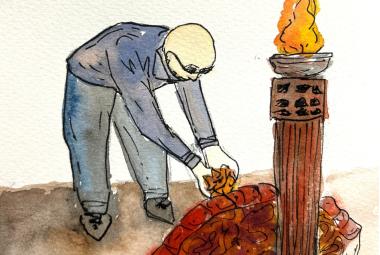
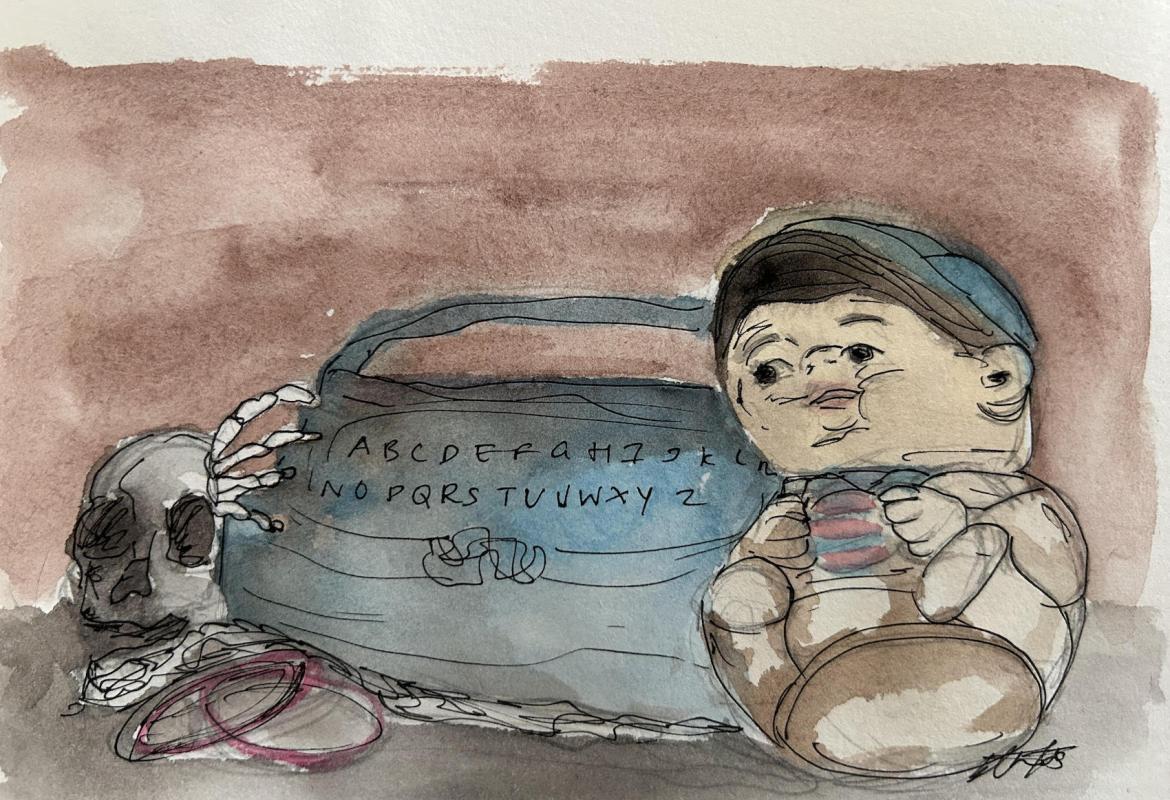
This week, the number of skeletal remains uncovered at Chemmani reached a stark record of 387. With that figure, a patch of earth on the edge of Jaffna town became the largest mass grave ever uncovered on the island, surpassing the 376 remains recovered at Mannar. Recent days alone have seen the bodies of several children exhumed, alongside beads and bangles. These are the contents of the…

Türk’s visit to Eelam – Will the international community finally act?

While the symbolism of his visit cannot be denied, in the face of a deep-rooted and decades-long crisis of impunity, that alone is not enough. As he returns to Geneva, the visit must serve as a reminder to his office and to the international community that action, not words, must now follow.
Israel, Iran and Sri Lanka

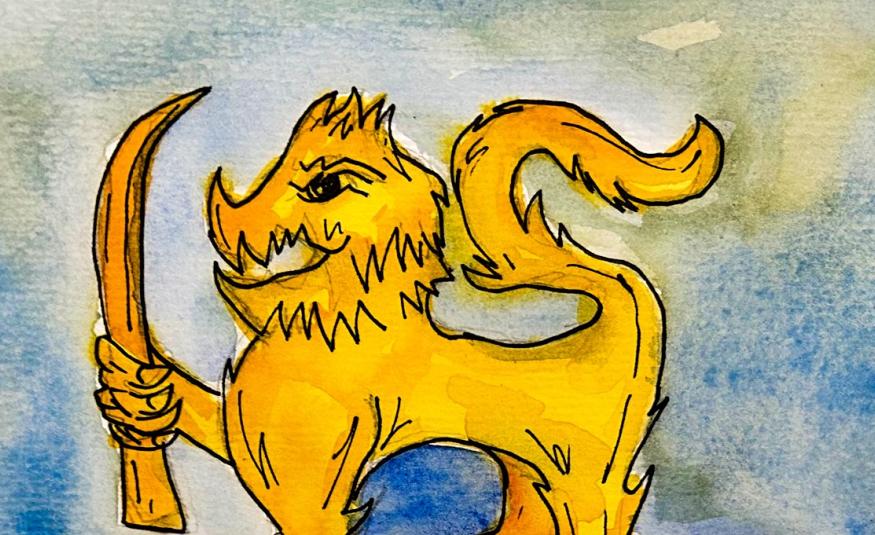
The escalating conflict between Israel and Iran is reverberating across the globe, disrupting supply chains, fuelling oil price hikes, and unsettling fragile economies. Few countries will be watching these developments with more anxiety than Sri Lanka. For Colombo, the fallout could have far-reaching economic and political consequences.

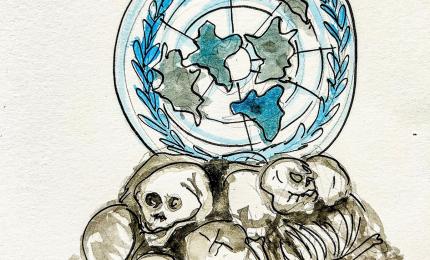
Mass graves are not history

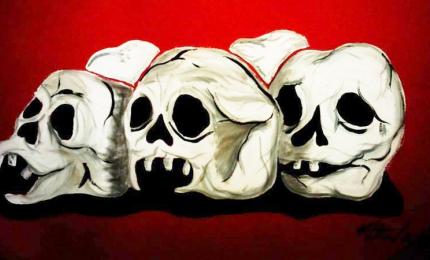
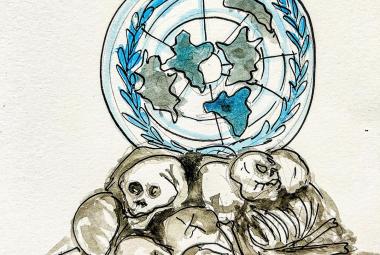
More grisly discoveries were made in Tamil Eelam this week. These findings serve as a sobering reminder that Sri Lanka’s atrocities are not relics of a distant past. Nor can they be buried forever. The crimes will return to haunt those who seek to cover them up.

Türk must go to Mullivaikkal

Volker Türk is no stranger to Sri Lanka. There is little prospect of progress for the High Commissioner in Colombo. Instead, it is the Tamil North-East, and Mullivaikkal in particular, where he must go.

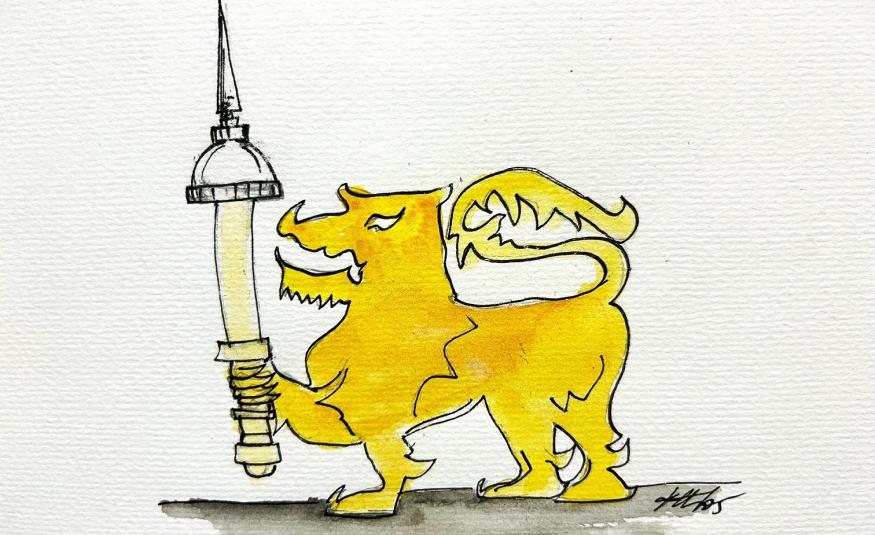
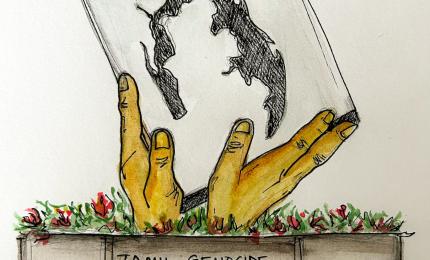
Sri Lanka’s genocide blueprint

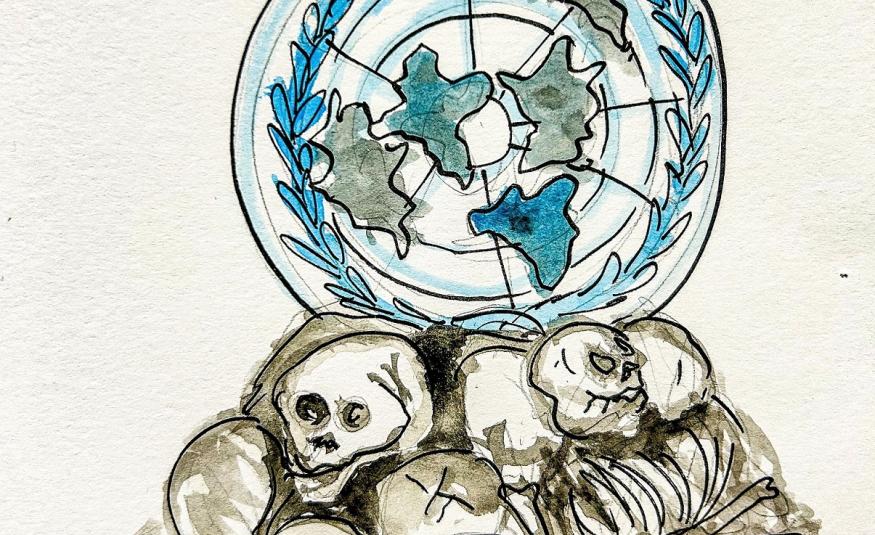
There was a marked shift in global politics last week as states around the world, including staunch allies of Israel, began to criticise its ongoing military offensive in Gaza. It comes as a senior United Nations humanitarian official repeatedly issued a stark reminder of the international community’s failure to prevent genocide previously, pointing specifically to Sri Lanka.

A global reckoning

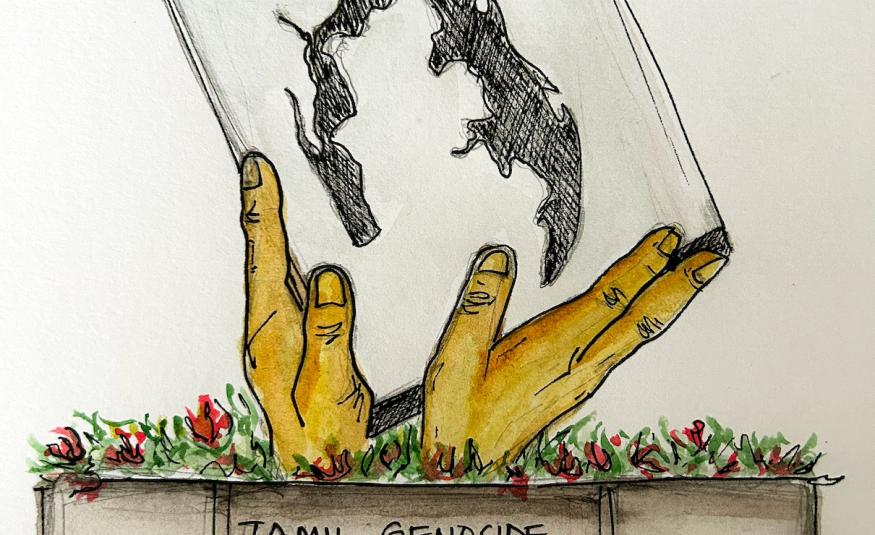
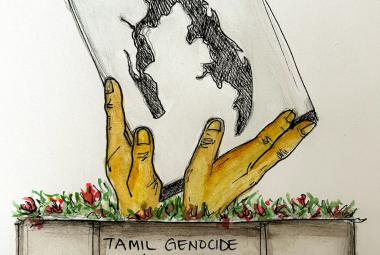
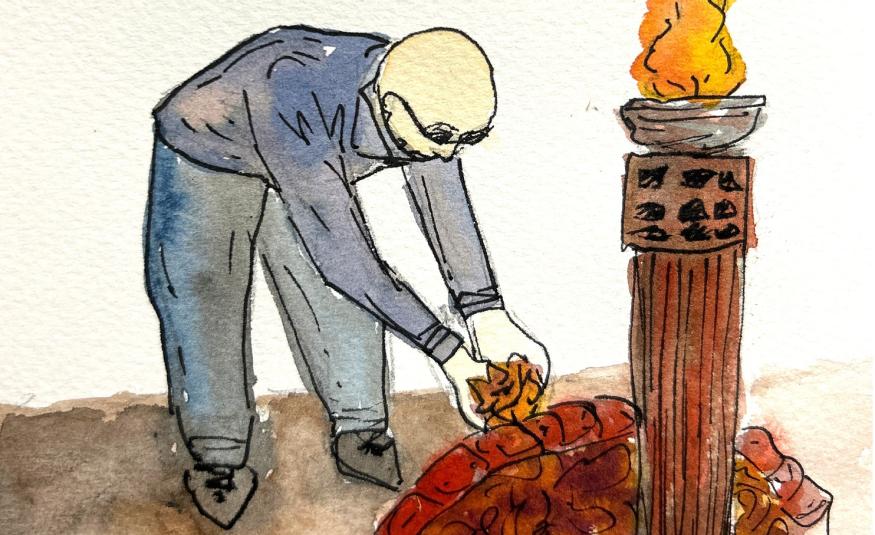
Last week, thousands of Tamils gathered at Mullivaikkal, on the very beaches where tens of thousands were massacred by the Sri Lankan state in 2009, to mark the 16th anniversary of the genocide. The turnout was remarkable.

There can be no more denial

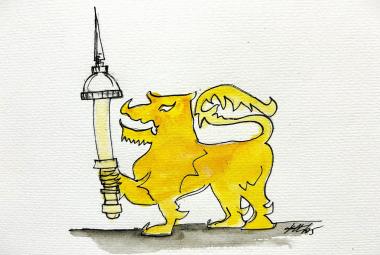
As commemorations of the 2009 genocide continue to grow, Colombo’s denialism remains firmly intact. The NPP’s actions, mirroring those of its predecessors, reveal a political establishment still unwilling to confront the truth.

Tamil resistance at the polls

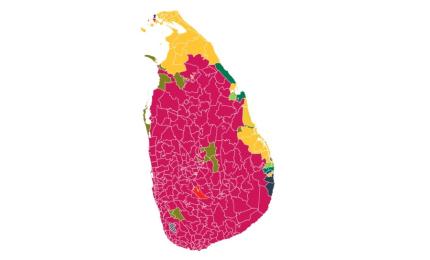
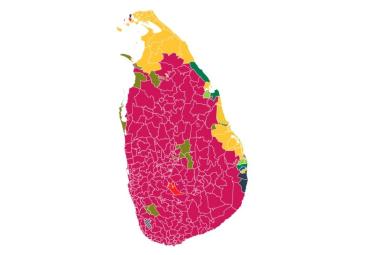
Sri Lanka’s recent local government elections illustrated a sharp decline in support for the National People’s Power (NPP), a fall most pronounced in the Tamil North-East. Less than a year since it swept into both presidential and parliamentary power on a platform of anti-corruption and political reform, the coalition now finds itself facing growing disillusionment, especially among the Tamils who had tentatively extended it goodwill last year.

A shaky bridge across the Palk Strait

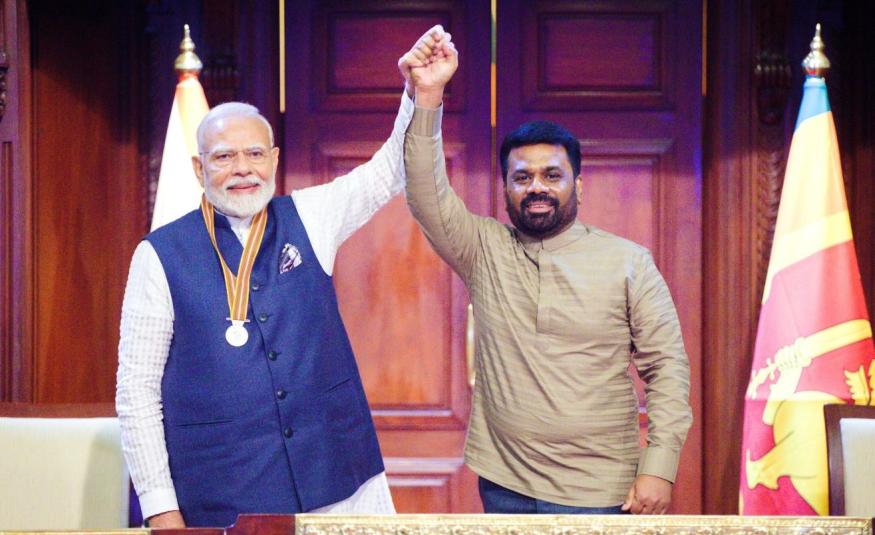
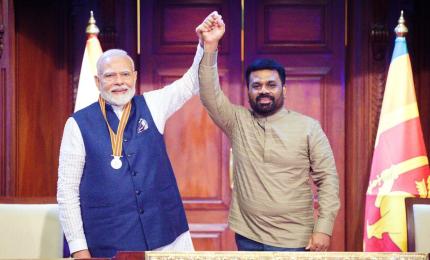
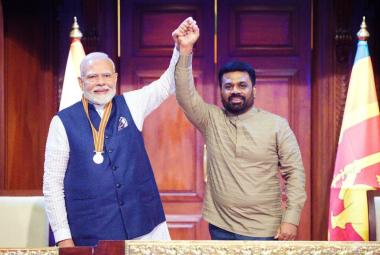
As Indian Prime Minister Narendra Modi departed Sri Lanka earlier this month, New Delhi’s media was already hailing the visit as a diplomatic triumph. A raft of development projects had been announced and a significant new defence pact between the two governments signed. Images broadcast showed Modi beside a smiling Sri Lankan president Anura Kumara Dissanayake, arms raised aloft in symbolic unity. But while Indian officials may celebrate deeper ties, in Sri Lanka, discomfort continues to simmer. 

Modi in Colombo – Time to seize the moment

The North-East is where India’s footprint will be most visible and where its long-term presence will be tested. Without peace and political stability there, the cross-border cables and trade routes will be nothing but paper promises.