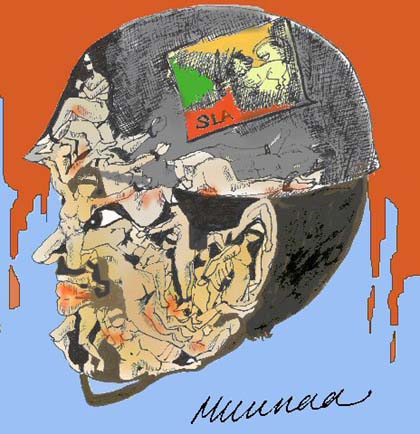
• Pressure on Sri Lanka begins to work

    Sri Lanka’s new preparedness to allow a three-member expert panel on war crimes appointed by United Nations Secretary General Ban Ki-Moon to visit the country is clearly linked to international economic pressure and the diplomatic embarrassments recently suffered by President Mahinda Rajapakse’s regime, proving that - as we argued last week - only direct pressure can bring about Colombo's compliance with international norms, and that ‘quiet diplomacy’ is utterly ineffective.
  • Fox single-handedly undermines Britain's authority

    By going ahead with his planned visit to Sri Lanka next week, Defence Secretary Liam Fox is irresponsibly undermining Britain's calls for an independent inquiry into war crimes in Sri Lanka and international protection of human rights. It matters little that Britain is not paying his way.

  • 2007 US cable: Sri Lanka killing through Tamil paramilitaries

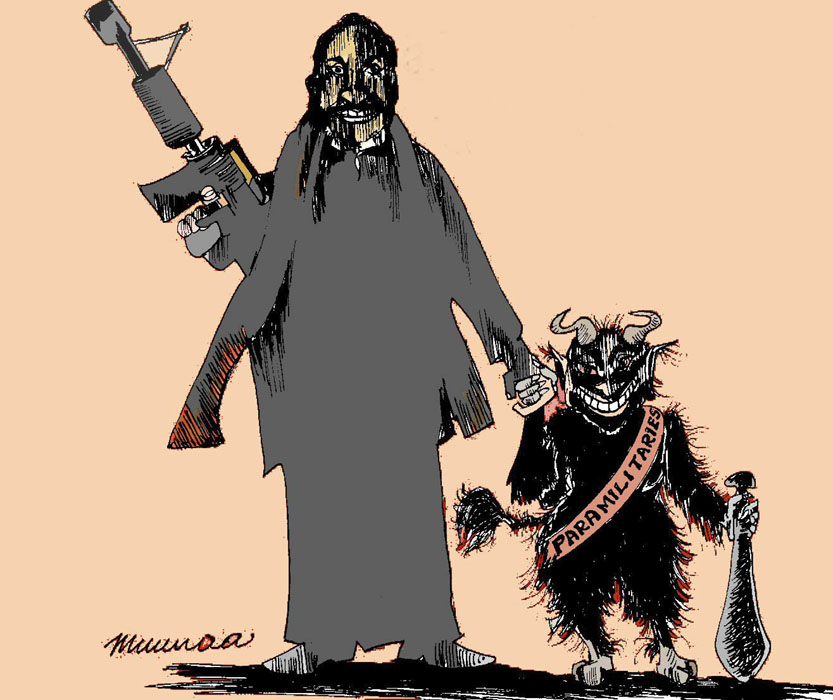
    A secret US embassy cable Wikileaked Thursday outlines in detail how the US was well aware in 2007 of the extent of Sri Lanka’s active use of Tamil paramilitaries as an integral part of its war against the LTTE.

    Sri Lanka funded paramilitaries directly, then allowed them to extort funds, loot supplies for internally displaced Tamils, and run forced prostitution rings using girls and women from the refugee camps.

    However, Tamil voices who argued at the time that the soaring killings, extortion and crime were linked directly to Sri Lanka's paramilitary-led war against the LTTE were largely ignored.

    For example, compare what one of our columnists wrote on the subject in January 2008, with the US cable of May 2007:

  • London answers …

    Britain’s Foreign Office minister Alistair Burt responded Tuesday to MPs questions on Sri Lanka. See the transcript here.

  • Blood and treasure

    One of Scotland's largest companies, the Weir Group, was this week fined £3m for breaching UN sanctions on Iraq by doing business with Saddam Hussein's regime. £13.9m of illegal profits were also confiscated, the BBC reported.

    Last year four British Parliamentary committees issued a joint report arguing that all arms licenses to Sri Lanka should be investigated, as UK-supplied weapons had been used against Tamil civilians.

    See these reports by The Times, Daily Telegraph and Channel 4.

  • Sri Lanka taking its medicine - IMF

    Despite its Sinhala nationalist rhetoric and ethos, international pressure continue to bite, compelling President Mahinda Rajapakse’s regime to implement the pro-market economic reforms that it has bitterly opposed.

  • One country – but whose?

    Sri Lanka's national anthem will only be in Sinhala from now on and the Tamil version will no longer be played at any official or state functions, the Cabinet decided on Wednesday, according to the Sunday Times.

  • Editorial: Justice is Security

    “It is the responsibility of the global Tamil community living beyond Sri Lanka's murderous reach to do everything it can to contribute to, and support, international efforts to bring President Rajapakse and the rest of the leadership to justice.

  • Best bit?

    Which was the high point of Indian External Affairs minister S. M. Krishna’s visit to Sri Lanka in late November?

  • Channel 4 special report on Sri Lanka war crimes

    New investigations by Channel 4 and Human Rights Watch link the Sri Lanka Army's (SLA) 53 Division to war crimes recorded by a soldier on his mobile phone.

  • Diatribe against the Diaspora

    “The President came to UK and returned back to Sri Lanka, happy as a lark. Now what happened to these … Tamil Tiger Terrorist Lawyers?”

    “Your nudity is apparent, spineless shameless Britishers!”

  • Gap between UK’s rhetoric and action

    Amid the furor that enveloped President Mahinda Rajapakse’s visit to Britain last week, a Foreign Office statement on Sri Lanka’s war crimes went largely unremarked, if not unnoticed. The position it sets out suggests that, while no longer legitimizing Sri Lanka’s ongoing sham commission, Britain is still not putting its weight behind a proper investigation into war crimes.

  • Amid the noise, a telling silence

    How does a citizenry respond when their president, his family (also the core of their government), their opposition leader and leaders of their armed forces stand accused of committing war crimes against their fellow citizens and there is damning evidence to substantiate the claim? Anger, disgust, embarrassment? Maybe even a protest? Or a complete absence of comment…

  • Ignore the bluster, Sri Lanka craves international acceptance

    Sri Lanka’s defiance of international criticism over the past two years has been interpreted by some as proof of the lack of international leverage over Colombo’s conduct.

    Nothing could be further from the truth. President Mahinda Rajapakse’s disastrous visit to Britain last week clearly reveals that even as his government haughtily rejects criticism, it also craves acceptance. For all its bluster, the regime desperately seeks international respectability.

  • The contradiction

    “Sri Lanka has employed a British PR firm to improve its reputation, [but] the one act that could surely do this – permitting a credible, international inquiry into war crimes – is something [President Mahinda] Rajapakse consistently, vehemently and unacceptably refuses to do.”

Subscribe to Tamil Affairs