
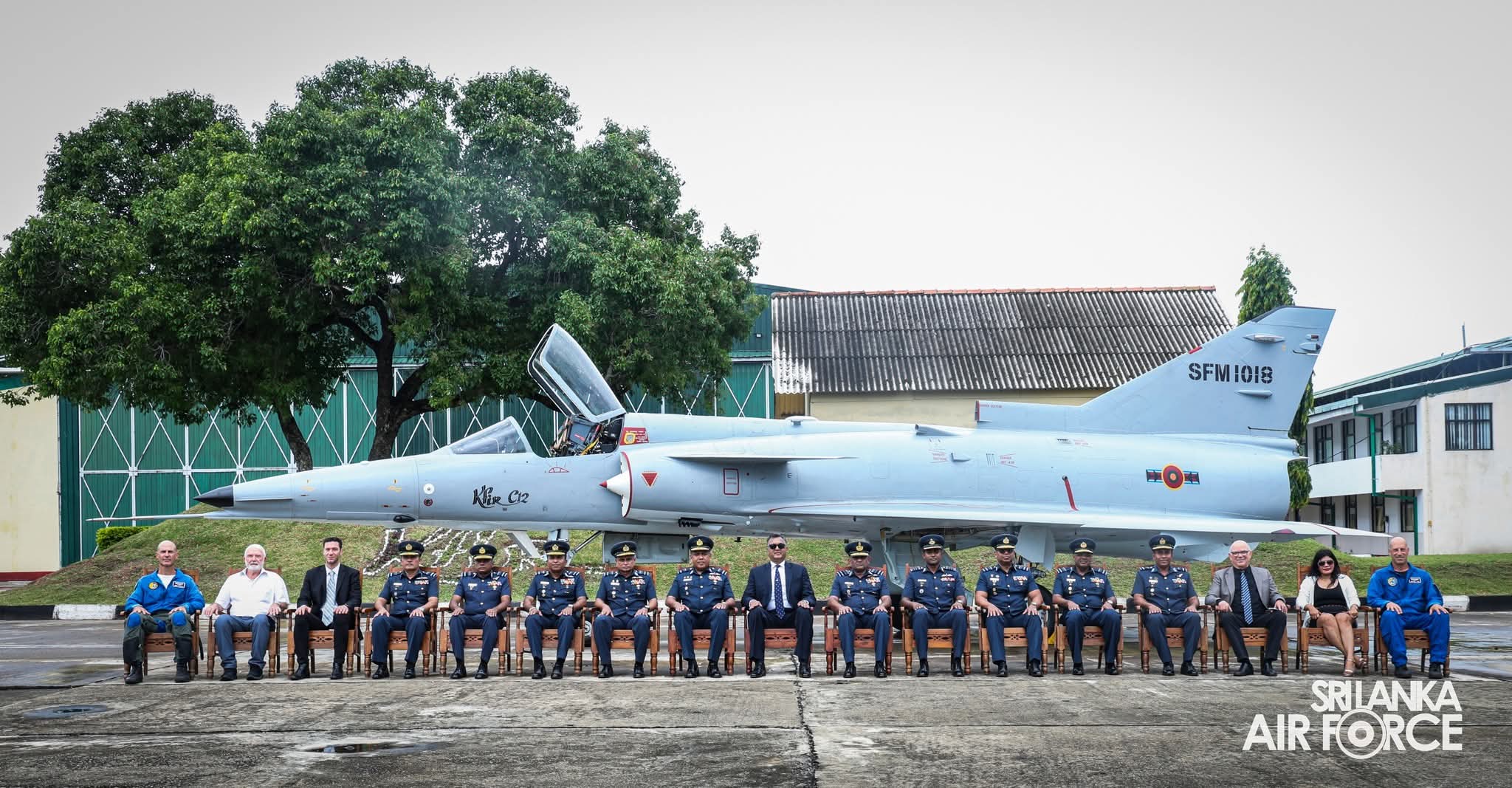
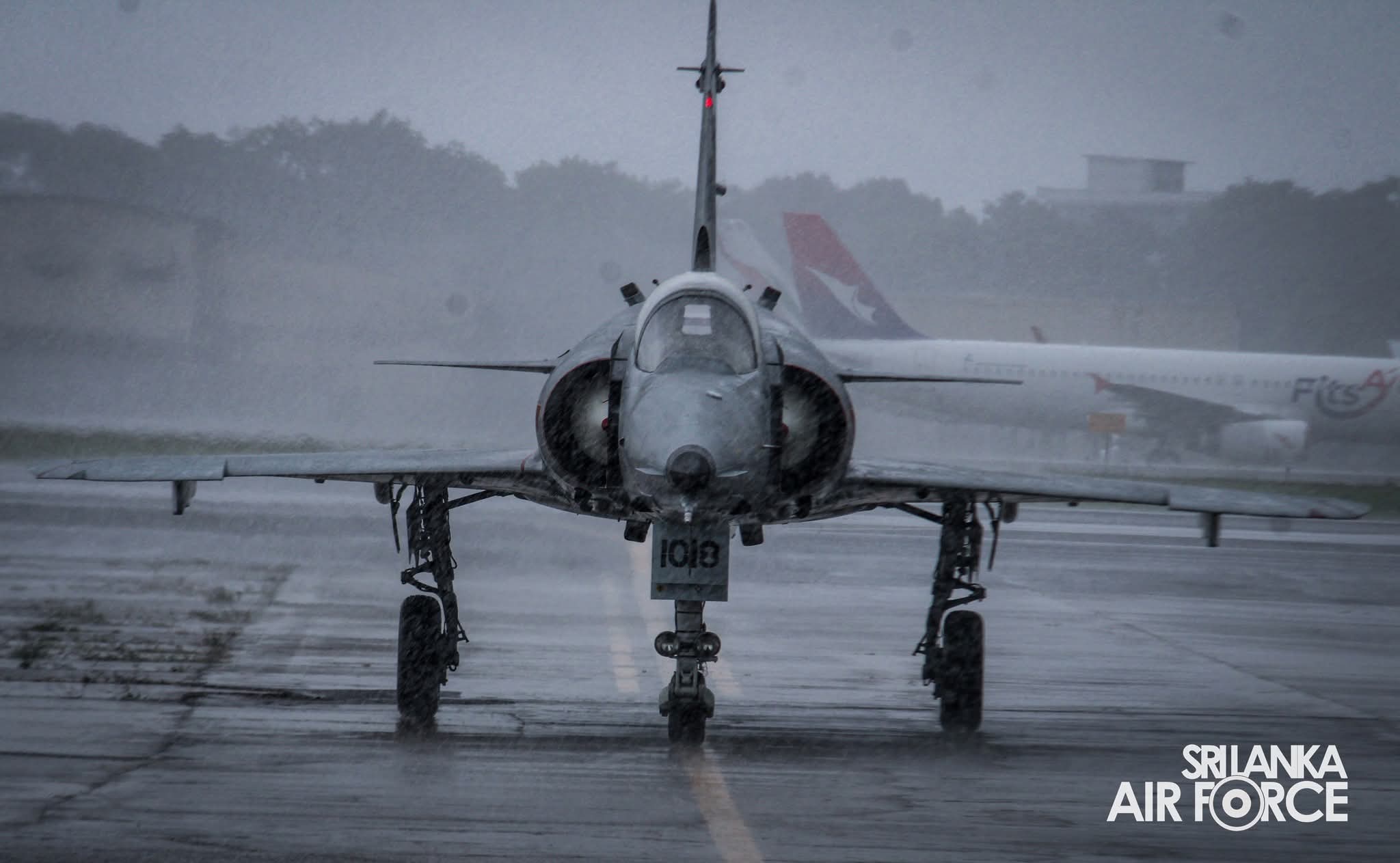
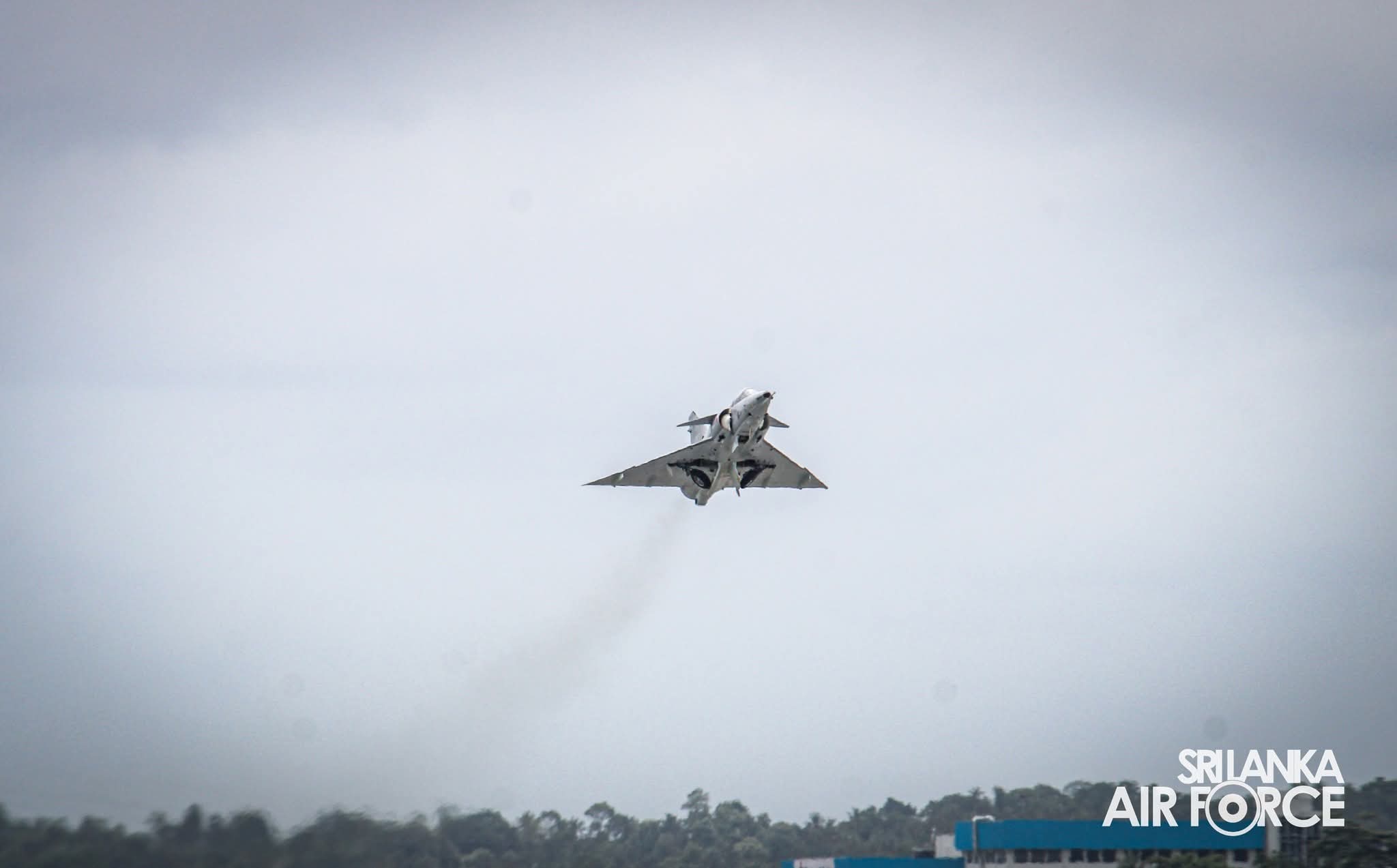
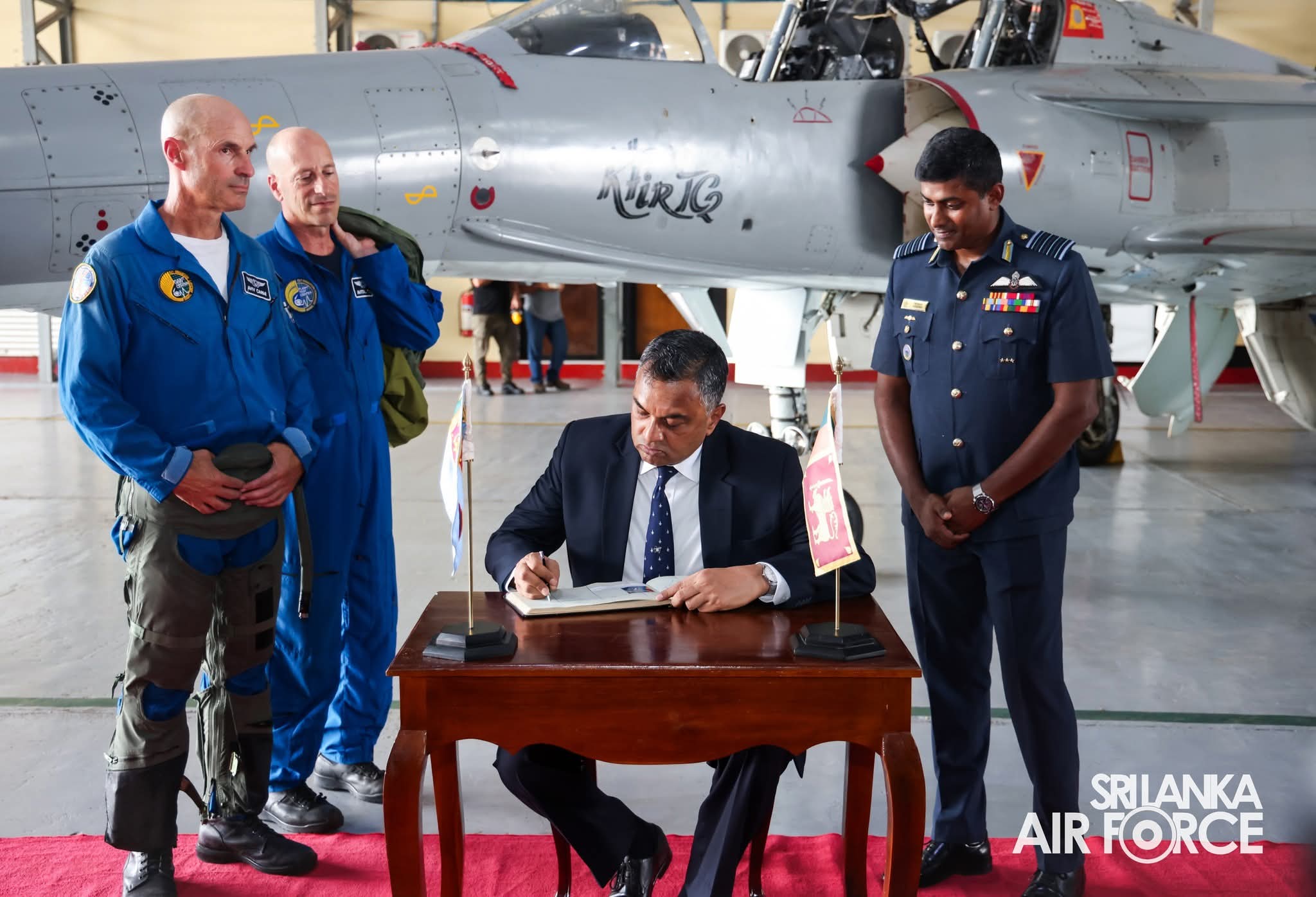
The Sri Lanka Air Force has carried out the first test flight of its upgraded Israeli-made Kfir C12 fighter aircraft at SLAF Base Katunayake, renewing scrutiny of a warplane closely associated with Sri Lanka’s bombing campaigns across the Tamil homeland.
The test flight took place on 11 June 2026, following what the SLAF described as an extended period of ground validation and system integration work. According to the Air Force, the aircraft re-entered the flight test programme after the successful completion of required ground tests under its modernisation framework.
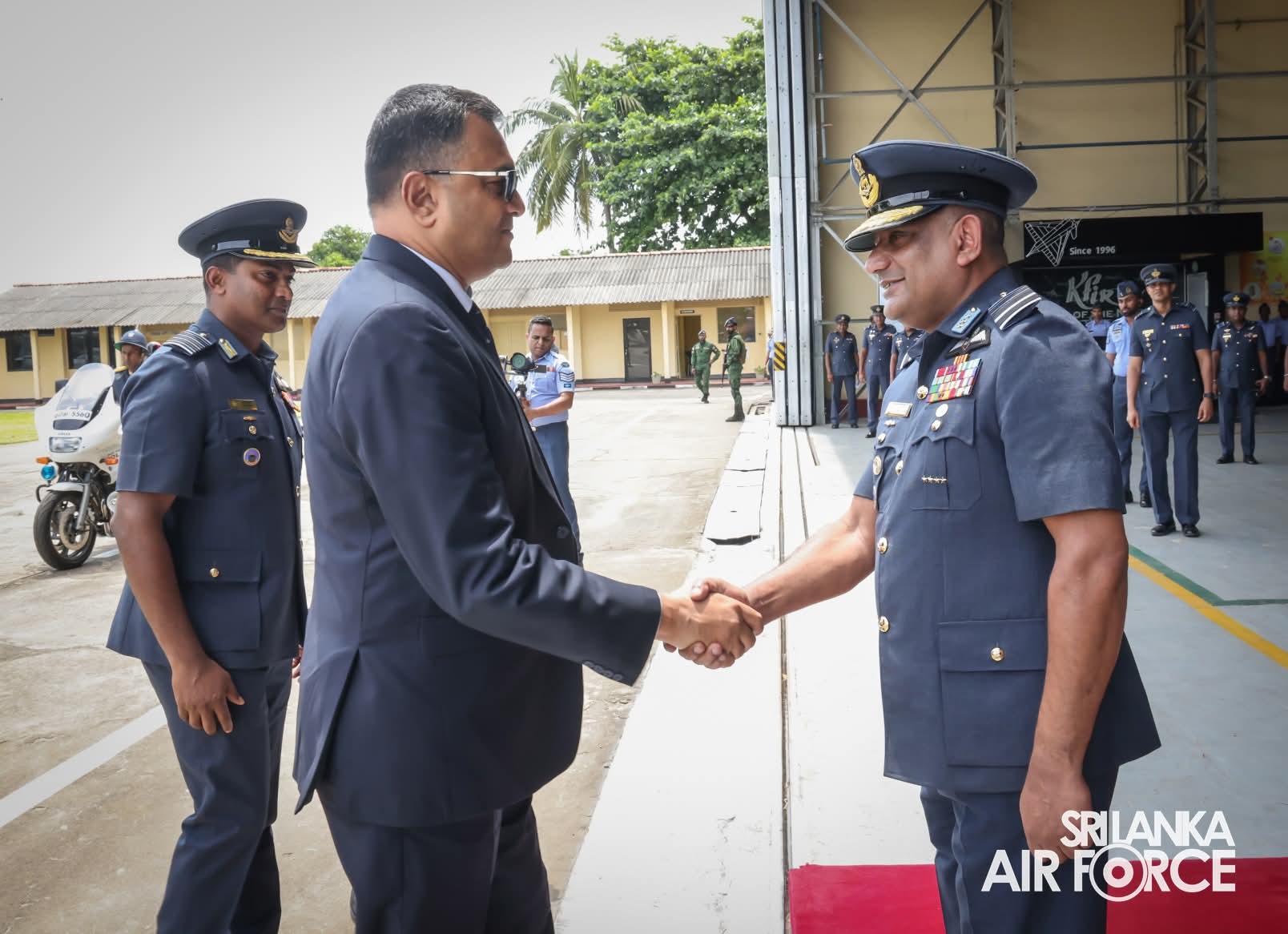
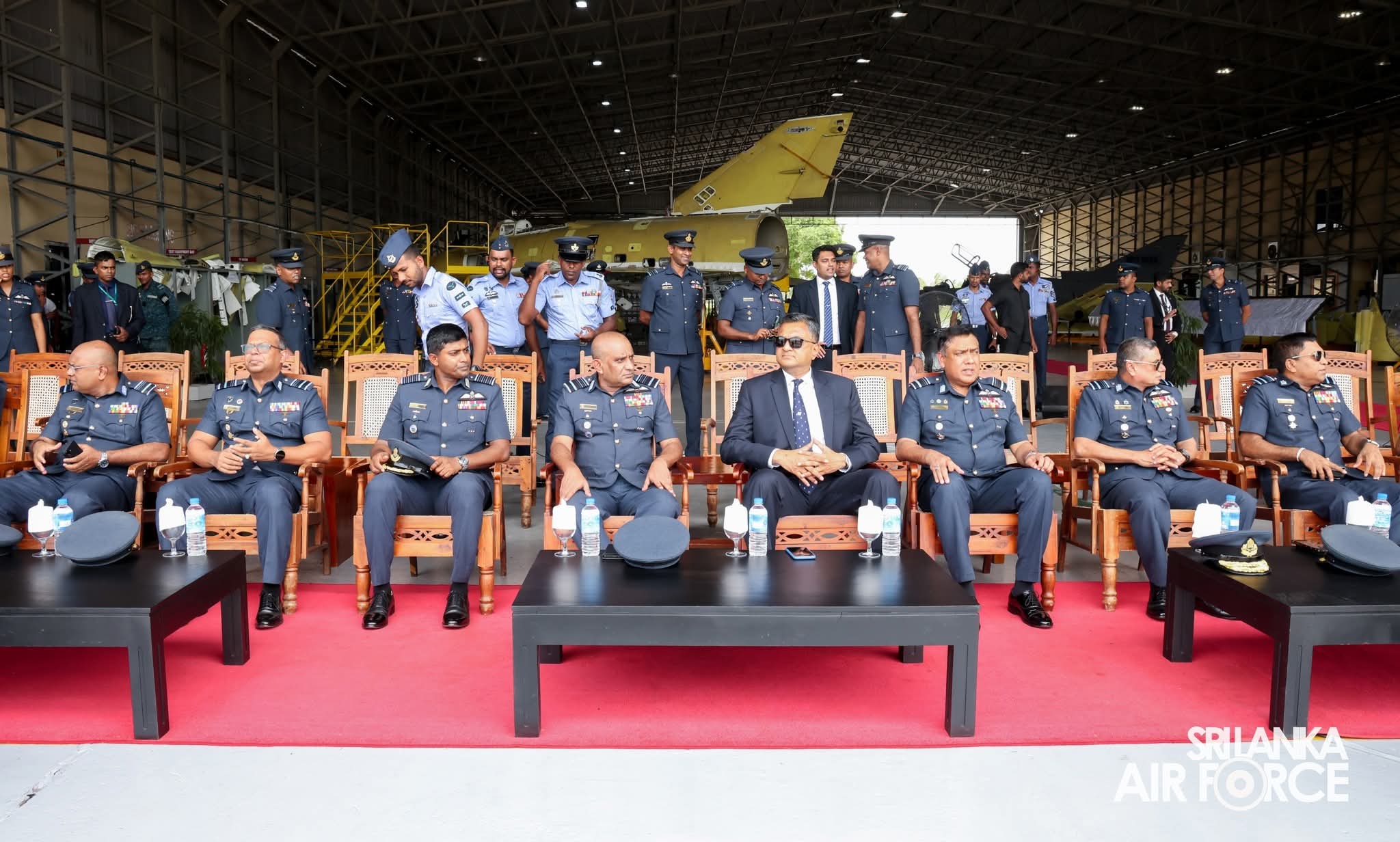
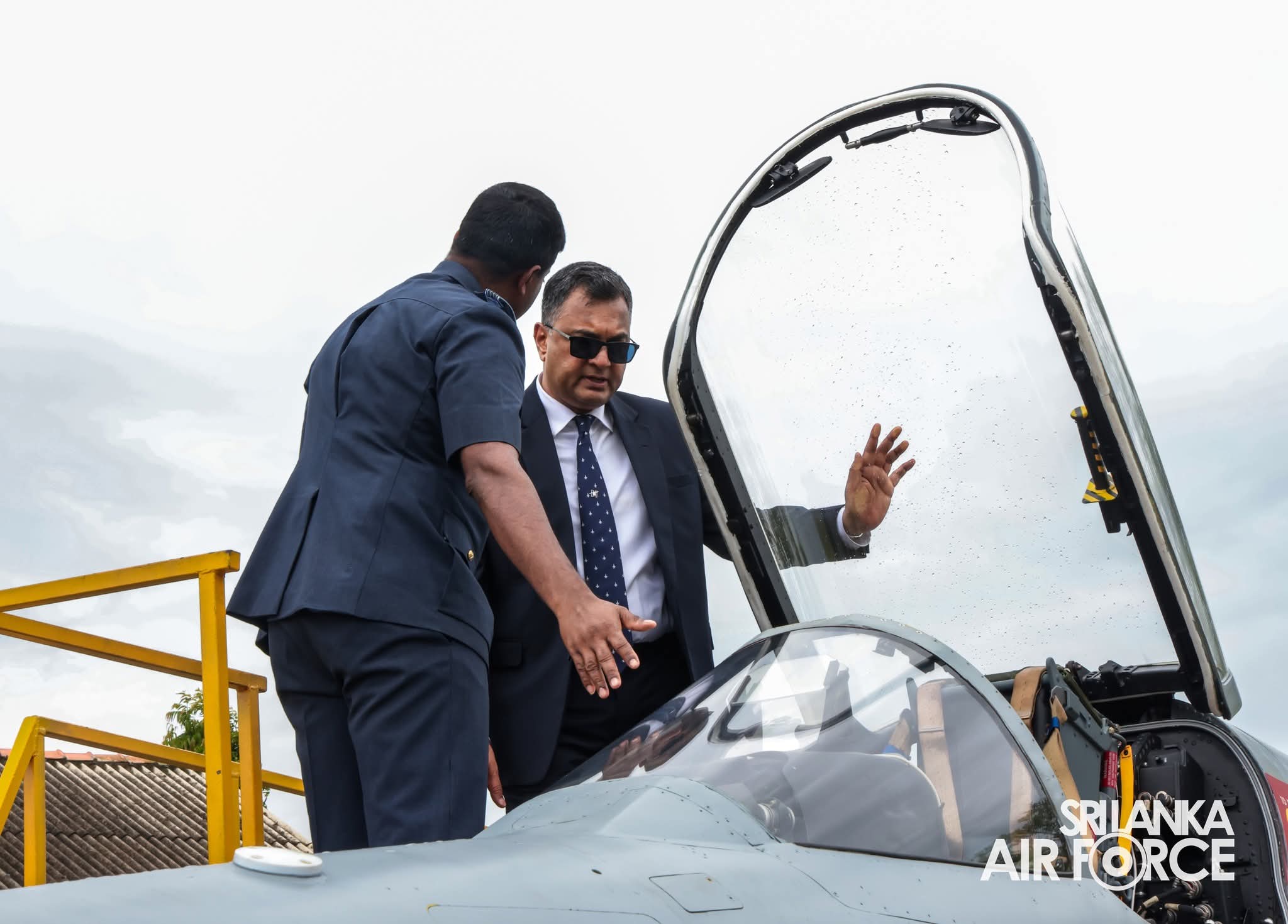
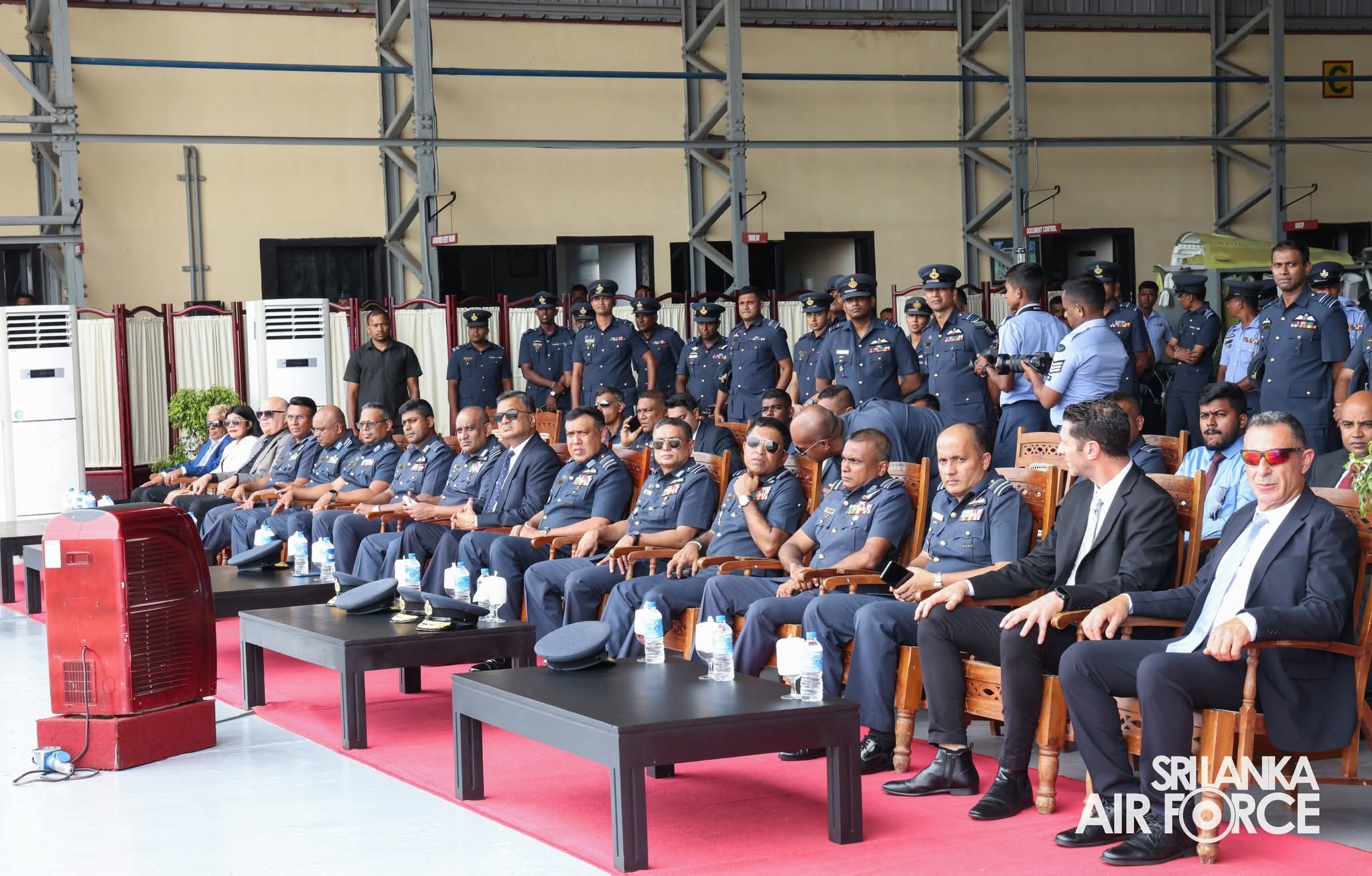
The flight was attended by Sri Lankan Ministry of Defence Secretary Sampath Thuyacontha, Commander of the Air Force Udeni Rajapaksa, Chief of Staff Lasitha Sumanaweera, members of the Air Force Board of Management, senior SLAF officers and representatives linked to the upgrade programme.
The Kfir, known within the SLAF as the “Lion Cub”, is operated by No. 10 Fighter Squadron based at SLAF Base Katunayake. The aircraft entered Sri Lankan service in 1996 and has remained part of the island’s combat aircraft fleet for three decades.
The modernisation programme is being carried out in partnership with Israel Aerospace Industries (IAI), continuing a long record of military cooperation between Sri Lanka and Israel. SLAF technical personnel have been working alongside IAI specialists on aircraft integration, testing, technical validation and long-term sustainment of the fleet.
It was previously reported that Sri Lanka signed a US$50 million contract with IAI in 2021 to upgrade its Kfir aircraft, years after discussions had begun on returning the grounded fleet to service.
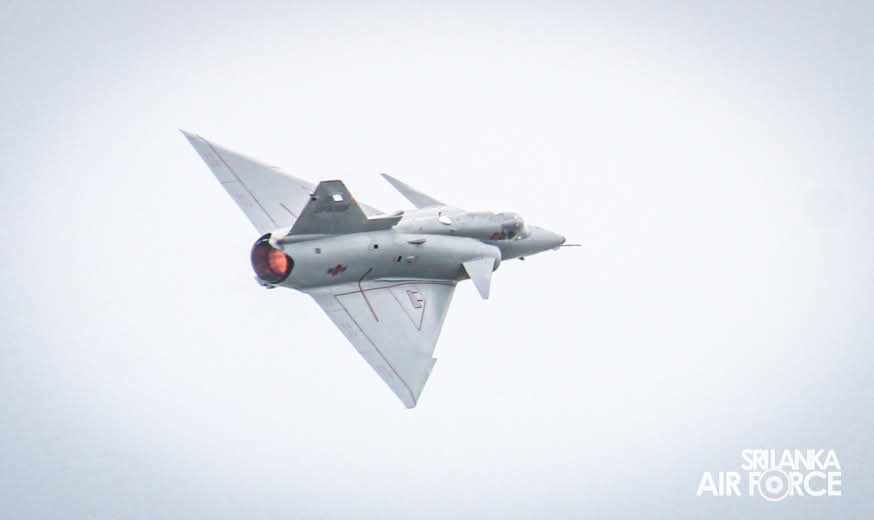
The current programme includes the upgrade of four Kfir C2 and C7 aircraft, as well as one TC2 trainer aircraft, to the Kfir C12 standard. The SLAF said the project is expected to extend the operational life of the active fleet through structural refurbishment, renewed maintenance capabilities and advanced systems integration.
The upgraded aircraft incorporates avionics and mission systems enhancements, including a modern glass cockpit configuration. The SLAF said the upgrades will improve situational awareness, navigation and communication capabilities, precision weapon employment, mission planning and debriefing functions.
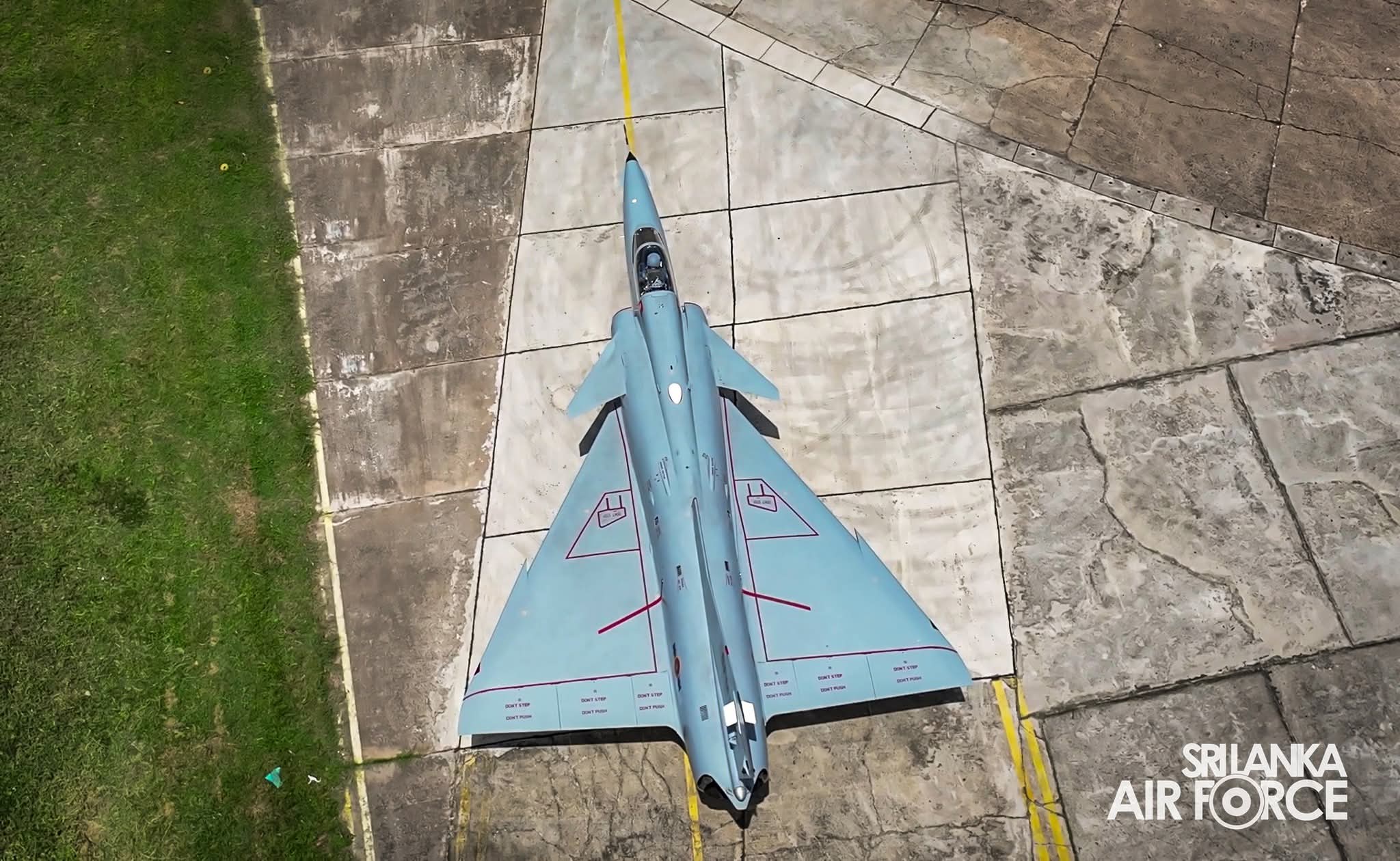
The Air Force further stated that the Kfir C12 will provide enhanced air-to-air and air-to-ground capabilities, allowing the aircraft to operate as a multirole combat platform capable of undertaking a wider range of missions.
Originally developed and manufactured in Israel during the 1970s, the Kfir has undergone successive upgrades to extend its operational lifespan and improve combat effectiveness.
Upon completion of the programme, the upgraded Kfir fleet is expected to strengthen Sri Lanka’s ability to safeguard its airspace, maritime approaches and territorial boundaries, the SLAF said.
For many Tamils, however, the Kfir remains inseparable from Sri Lanka’s aerial bombardment campaign during the armed conflict. The aircraft was used in repeated air strikes across the North-East and became one of the most recognisable symbols of Colombo’s air war against the Tamil homeland.
Sri Lanka first purchased Kfir jets from Israel in 1996, by which point the aircraft had been withdrawn from the Israeli Air Force but was being exported internationally. No. 10 Fighter Squadron was established at Katunayake, around 25 minutes flying time from the North-East.
The Kfir fleet played a major role in Sri Lanka’s late-war air operations. Among the most high-profile attacks involving Kfir aircraft was the November 2007 air strike that killed LTTE political wing leader S. P. Thamilselvan and several senior members of the organisation. His death was widely viewed as a major blow to the LTTE’s political leadership and administrative structures.
Israeli-made Kfirs were also used in attacks that caused mass Tamil civilian casualties. On 14 August 2006, four Sri Lankan Air Force jets dropped bombs on the Sencholai children’s home in Vallipunam, killing 53 schoolgirls and three teachers. The home had been designated a humanitarian zone, with its coordinates passed to the Sri Lankan military through UNICEF and the ICRC.
The Sencholai massacre remains one of the most harrowing examples of Sri Lanka’s air war against Tamil civilians. Despite international condemnation at the time, no one has been held accountable.
Sri Lanka’s Kfir fleet has also been the subject of long-running controversy. During the war, reports and speculation circulated regarding the possible involvement of foreign pilots, including claims that Pakistani personnel may have participated in operational flights. Sri Lankan authorities have consistently rejected such claims.
Following the end of the armed conflict in 2009, questions were raised over the future role of the Kfir fleet. In 2011, two Kfir aircraft collided during a rehearsal, killing one Sri Lankan pilot and renewing public scrutiny of the Air Force’s operational capabilities and maintenance of its ageing fighter fleet.
The decision to modernise the aircraft with Israel Aerospace Industries has also drawn attention because of Sri Lanka’s public support for the Palestinian cause and its simultaneous defence cooperation with Israeli military industries.
Declassified documents revealed Israel’s long-standing support for Sri Lanka, including military equipment and training during the armed conflict. Cooperation between the two states expanded in the mid-1980s, despite Sri Lanka having formally severed diplomatic relations with Israel in 1970.
Israel became one of Sri Lanka’s most important military suppliers, equipping the Sri Lankan state with Kfir fighter jets, Shaldag and Super Dvora patrol boats and unmanned aerial vehicles. Sri Lankan military sources have acknowledged that Israeli UAVs played a critical role in directing artillery and air strikes during the war.
That record has continued to complicate Colombo’s stated positions on Palestine. Sri Lanka has repeatedly expressed support for Palestinian statehood while deepening ties with Israel in areas including security, labour, agriculture, tourism, trade and investment.
The renewed test flight of the Kfir C12 marks the return of an Israeli-made aircraft closely tied to bombing campaigns, massacres and the wider military relationship between Colombo and Tel Aviv.