.jpg)
Excavations resumed at the Chemmani mass grave site on Thursday, with the remains of three more individuals, including a child, unearthed during the first day of the second phase of investigations.
Among the newly uncovered remains was a small child’s skull, deepening concerns over the scale of atrocities committed in the area. One of the skeletons has already been fully excavated, while the remaining two are set to be recovered in the coming days.
The latest discovery adds to the 19 skeletal remains, including those of children unearthed earlier this year, reinforcing long-standing calls from Tamil families and civil society for an internationally-led forensic investigation into the site.
Trigger warning. Graphic images below.
.jpg)
This week’s excavations mark the beginning of a new 45-day phase of investigative work. While formal approval and budgeting have been secured, local officials reported that the release of funds would only be available starting next Monday. As such, excavation work is expected to proceed uninterrupted for 15 days before a short pause.
The Chemmani mass graves were first brought to global attention in 1998 when Sri Lankan soldier Somaratne Rajapakse, convicted in the rape and murder of Tamil schoolgirl Krishanthy Kumaraswamy, testified that hundreds of bodies had been buried by the military in the area. Though a limited excavation in 1999 uncovered 15 bodies, full investigations into the site were never pursued by the Sri Lankan state.
.jpg)
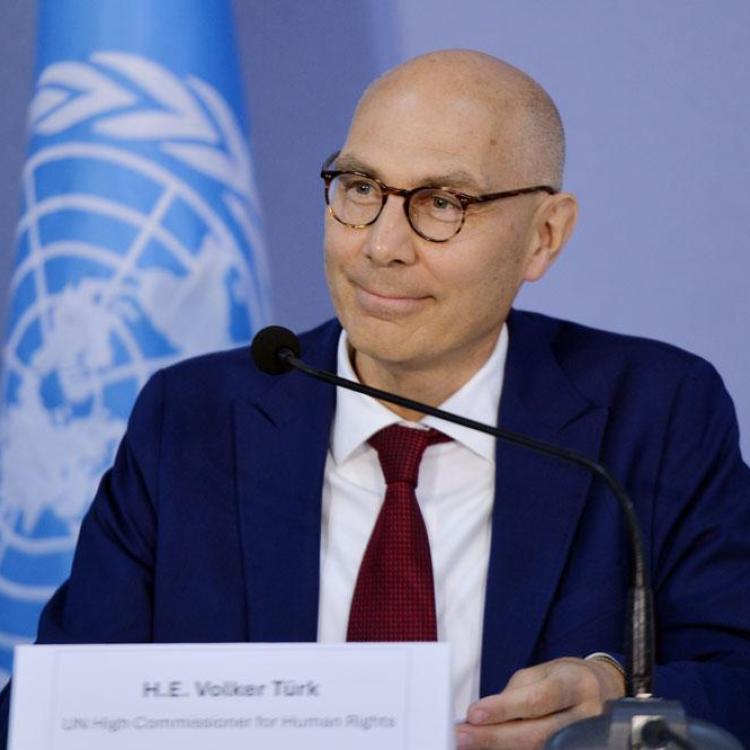
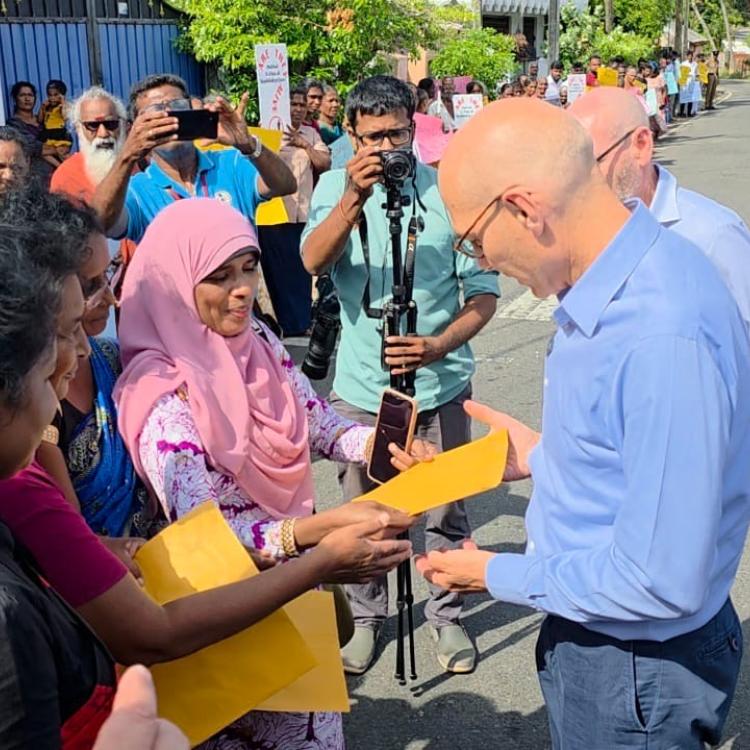
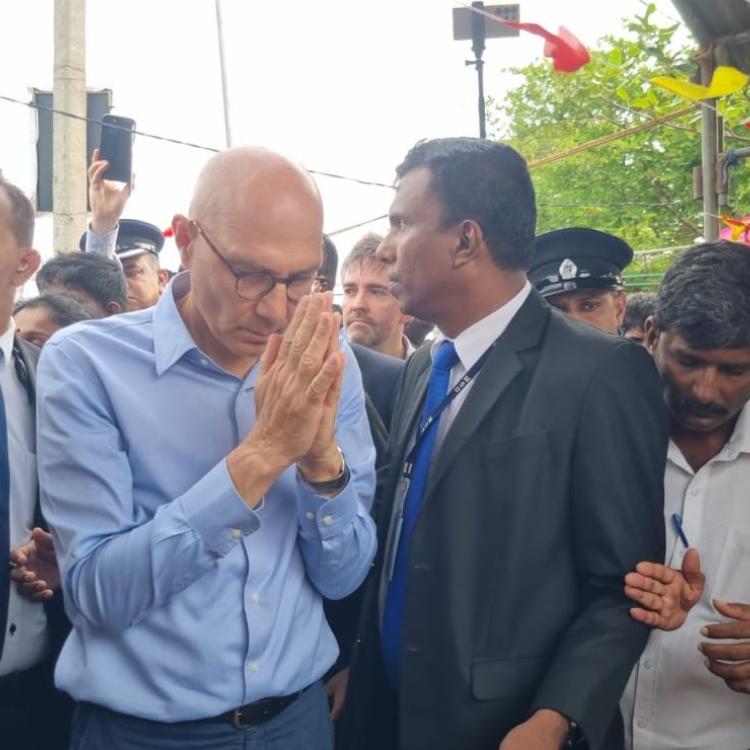
The renewed investigation follows increased international scrutiny, particularly during the recent visit of United Nations High Commissioner for Human Rights Volker Türk, who toured the site and met with families of the disappeared.
Türk called Chemmani “a compelling reminder that the past haunts the lives of many in Sri Lanka,” and underscored the need for “robust investigations by independent experts with forensic expertise” to uncover the truth and provide long-delayed justice to victims' families.
Tamil victims’ groups, legal representatives, and human rights organisations have consistently demanded international oversight, citing Sri Lanka’s repeated failure to deliver accountability for war-time atrocities and enforced disappearances.