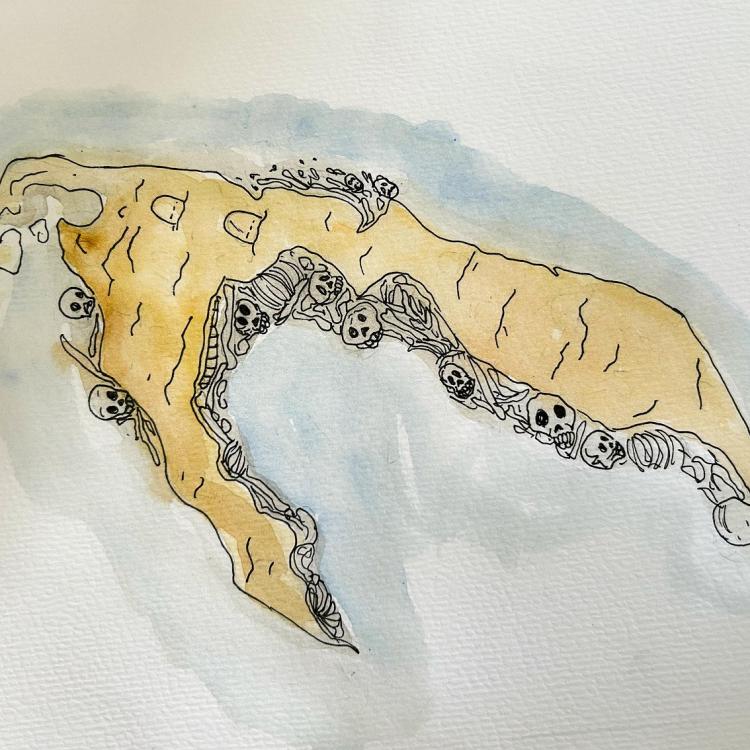

The United Nations High Commissioner for Human Rights, Volker Türk, visited the Chemmani mass grave site in Jaffna on Wednesday, as well as a vigil set up by Tamil protestors where he laid flowers before a flame amid calls for international accountability over wartime atrocities.
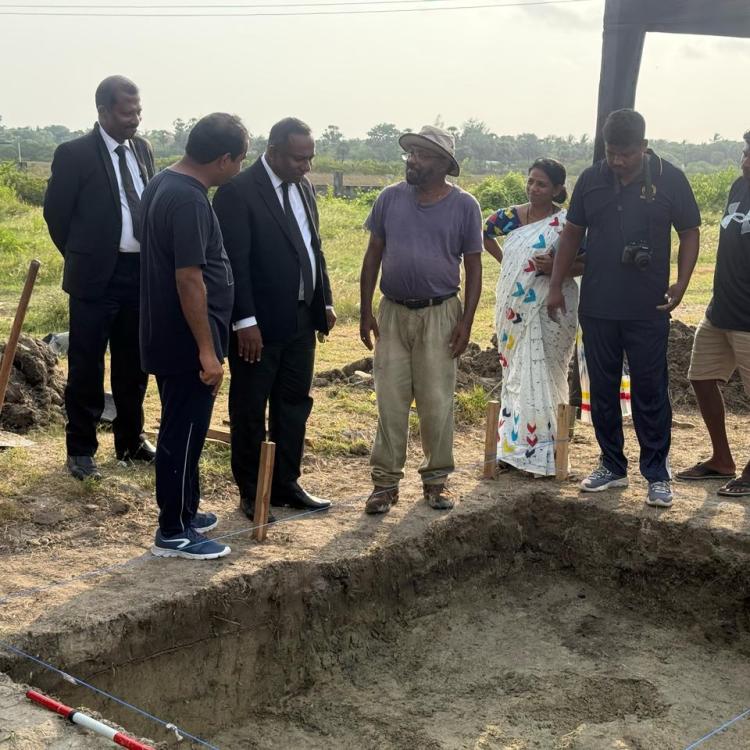
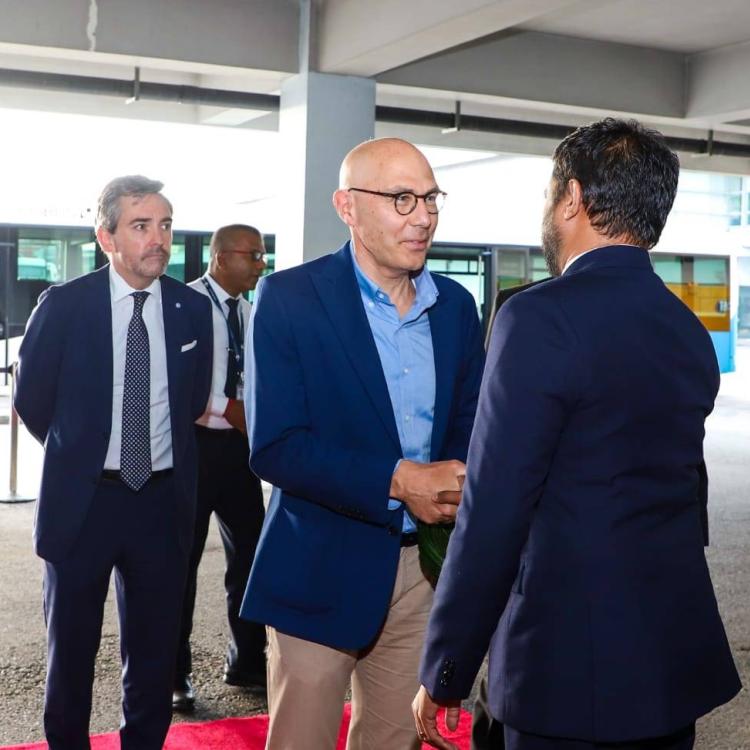
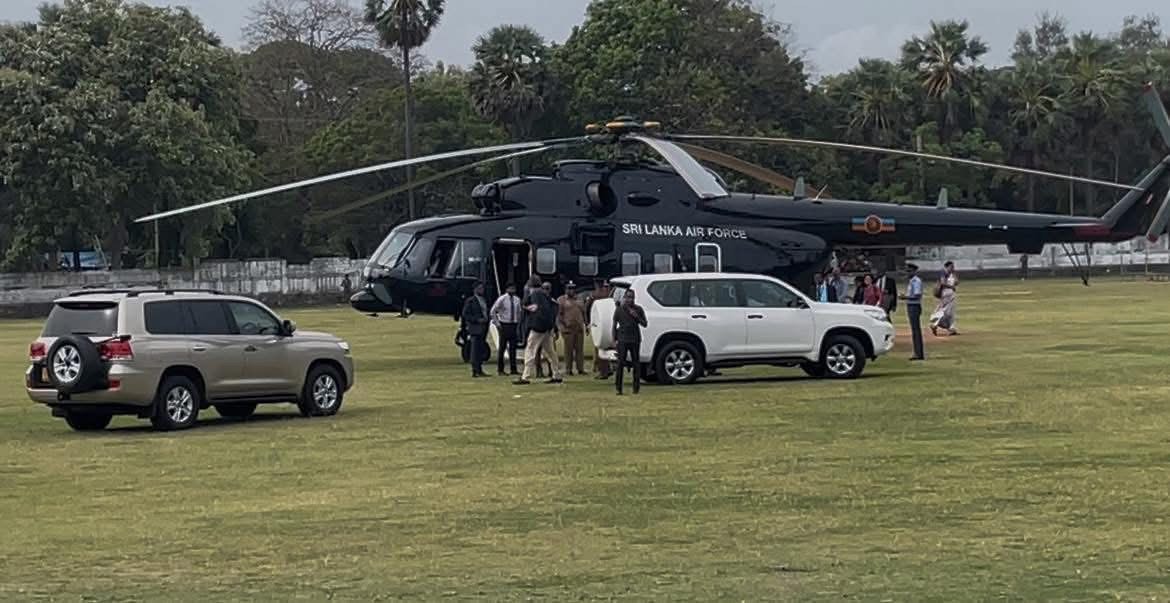
Arriving in Jaffna by helicopter and landing at the Jaffna Central College grounds, the High Commissioner first visited the local office of the International Organization for Migration (IOM) on Kovil Road. He then proceeded to the Sindhupathi Hindu Cemetery, where the Chemmani mass grave is located, and inspected the excavation site in person.
Türk’s visit came after the discovery of 19 skeletal remains at the site, including those of three infants, prompting fresh calls from Tamil civil society and families of the disappeared for the involvement of international forensic experts and oversight, citing decades of impunity and cover-ups by the Sri Lankan state.
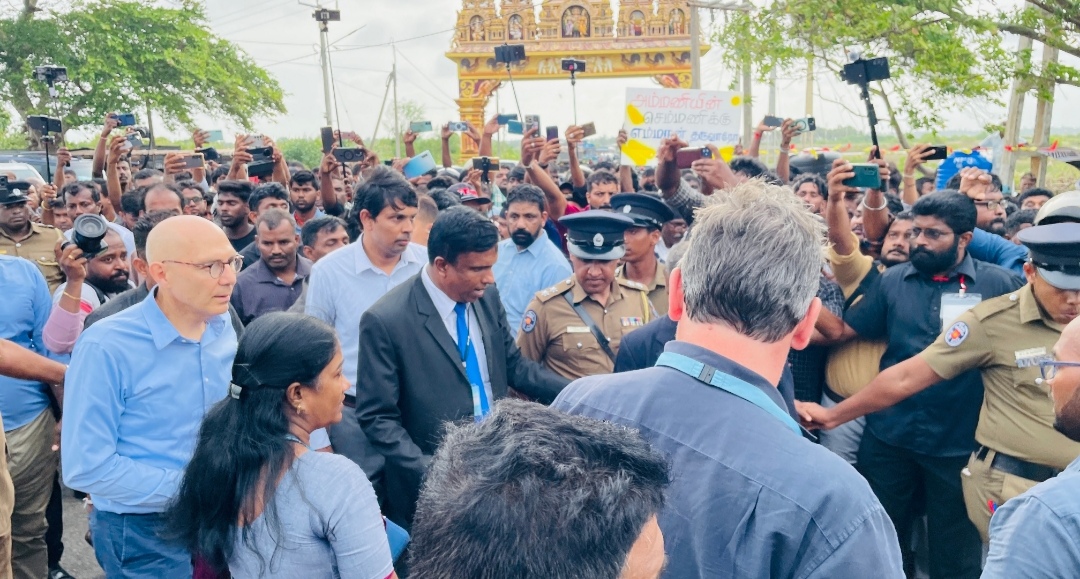
While at the Chemmani site, Türk spoke with lawyers and complainants who had reported the discovery of the mass grave to local police. Ongoing excavation work could be seen during his visit.
However, journalists were blocked from covering the visit. Sri Lankan police cordoned off the area, stopping the press approximately 50 metres from the site and denying media access to the event.
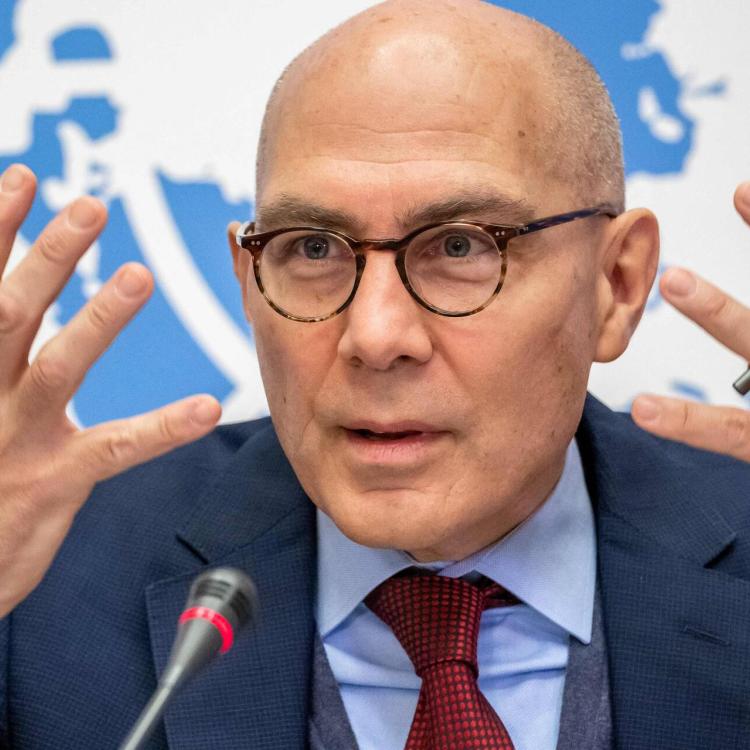
Reflecting on his visit to the site he spoke of the importance of ensuring “independent experts with forensic expertise” are allowed to be used to excavate such sites of mass atrocities. “I am here at the mass grave site Chemmani near Jaffna. It is always very emotional to visit places where the past, the haunting past, becomes so visible,” he said.
Read more: ‘The haunting past becomes visible’ – UN human rights chief reflects on Chemmani visit
Following the site visit, the High Commissioner met with legal representatives involved in the court proceedings related to the case and inquired into the current status of the investigation. They called on Türk to ensure that the ongoing exhumation process is carried out under international supervision.
Read more: Lawyers urge UN rights chief to ensure international oversight of mass graves
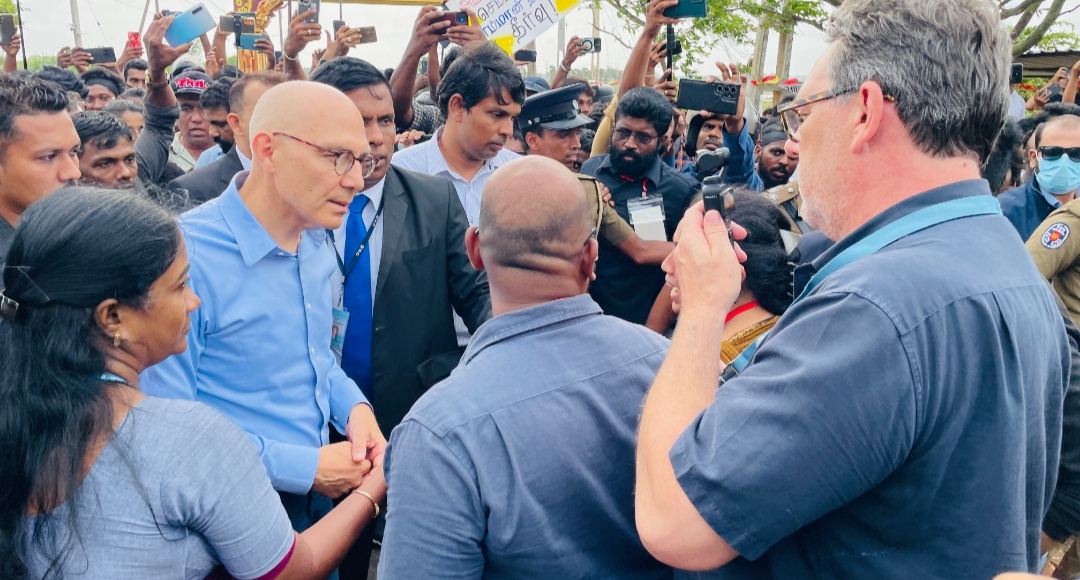
Following his visit to the grave site, the UN rights chief travelled to a nearby protest led by families of the disappeared. The "Unextinguished Flame" vigil, now in its third day, has drawn attention from across the Tamil homeland. At the site near the Chemmani junction, families have maintained a symbolic flame enduring fight for justice.
There, Türk laid flowers before the flame, in a symbolic act to pay tribute to the thousands who were forcibly disappeared.
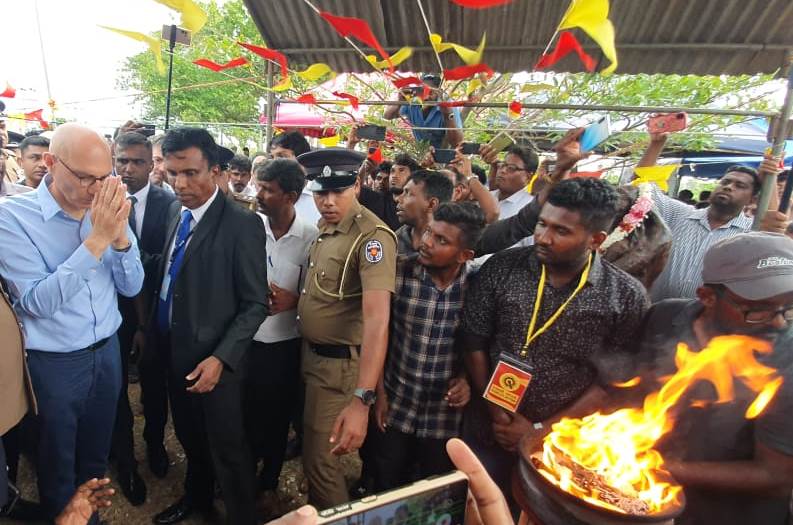
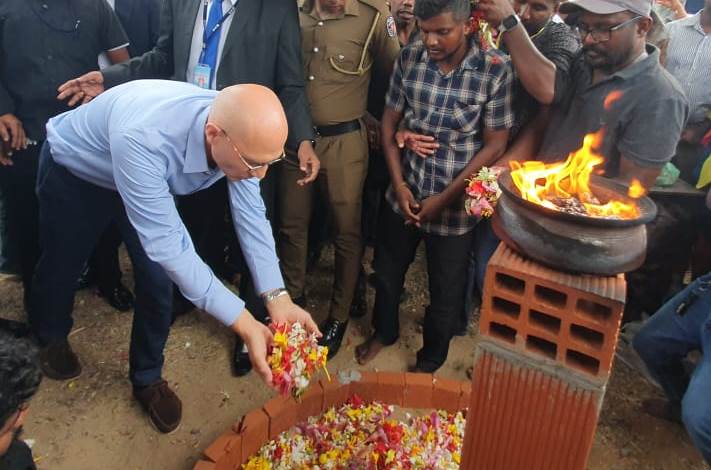
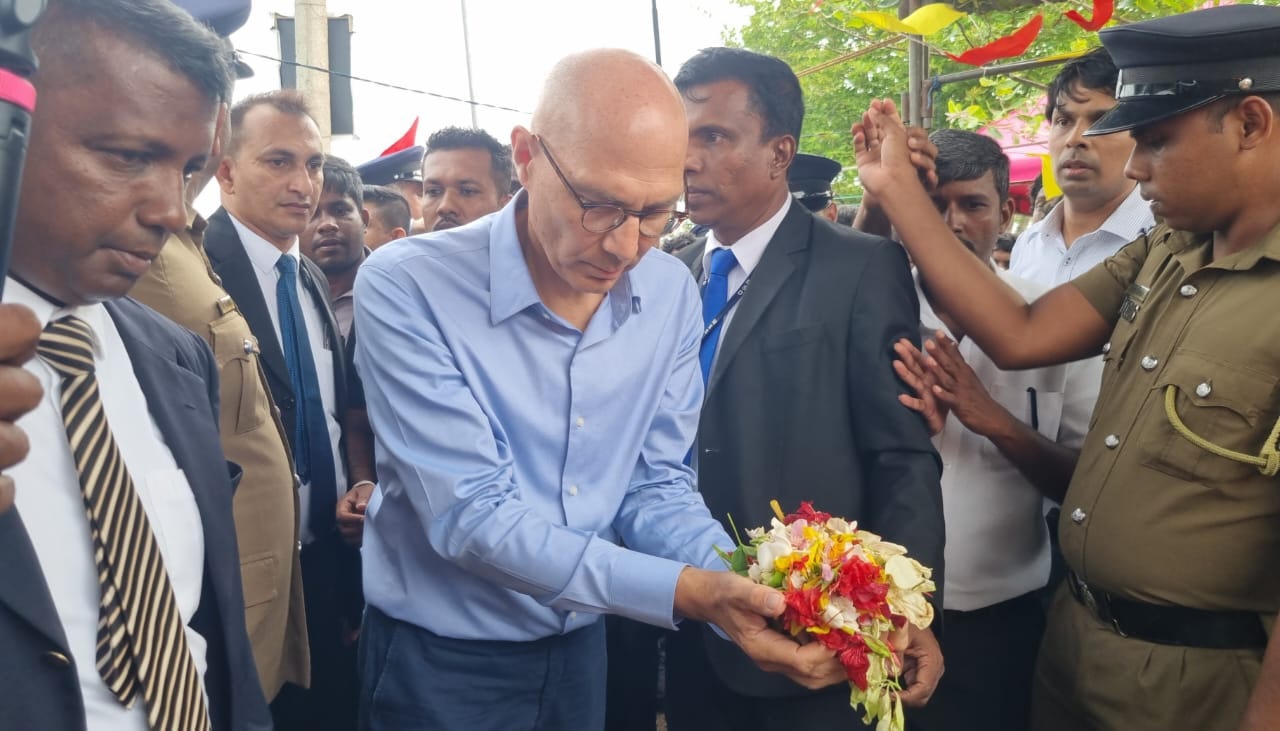
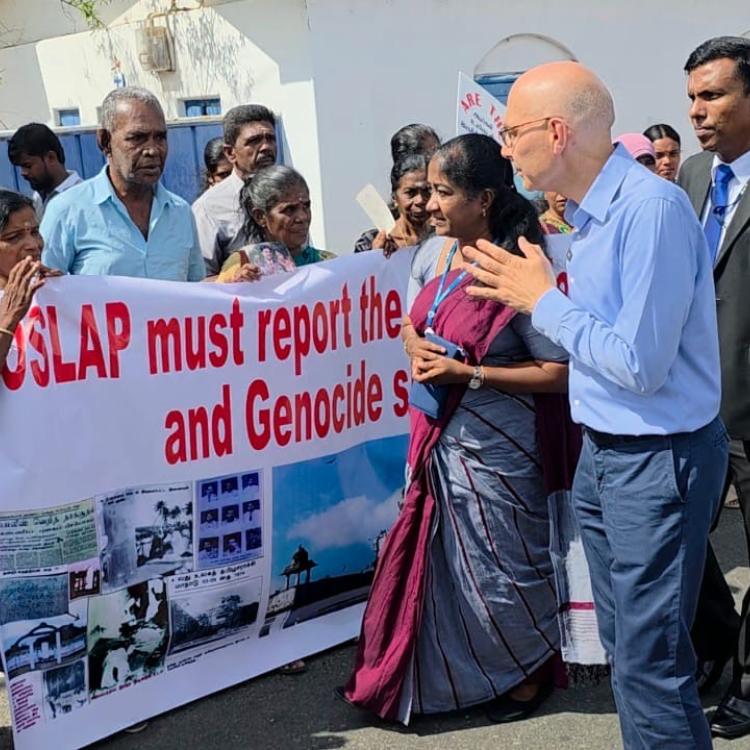
Earlier in the day, Türk visited the Eastern Province, where Tamil victims, families of the disappeared, civil society representatives, and human rights activists staged a protest and submitted a statement outlining urgent demands and concerns.
Read more: Tamils present demand for international accountability to UN rights chief in Trincomalee
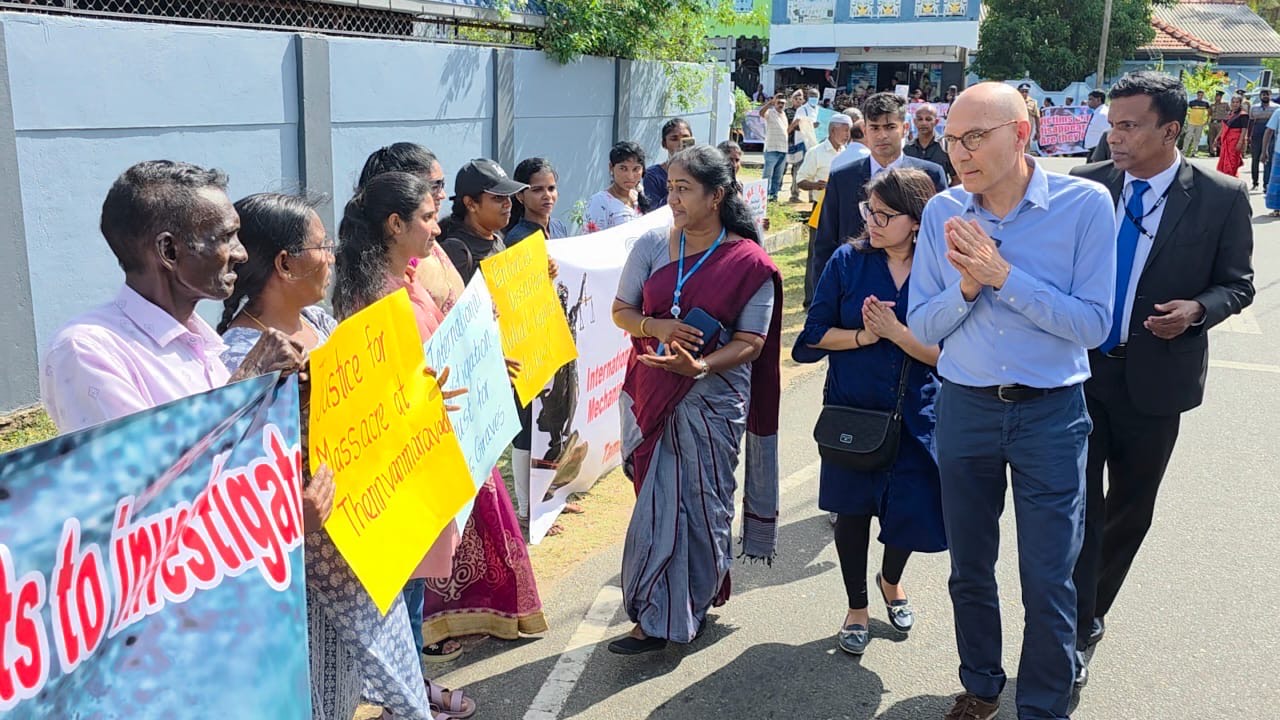
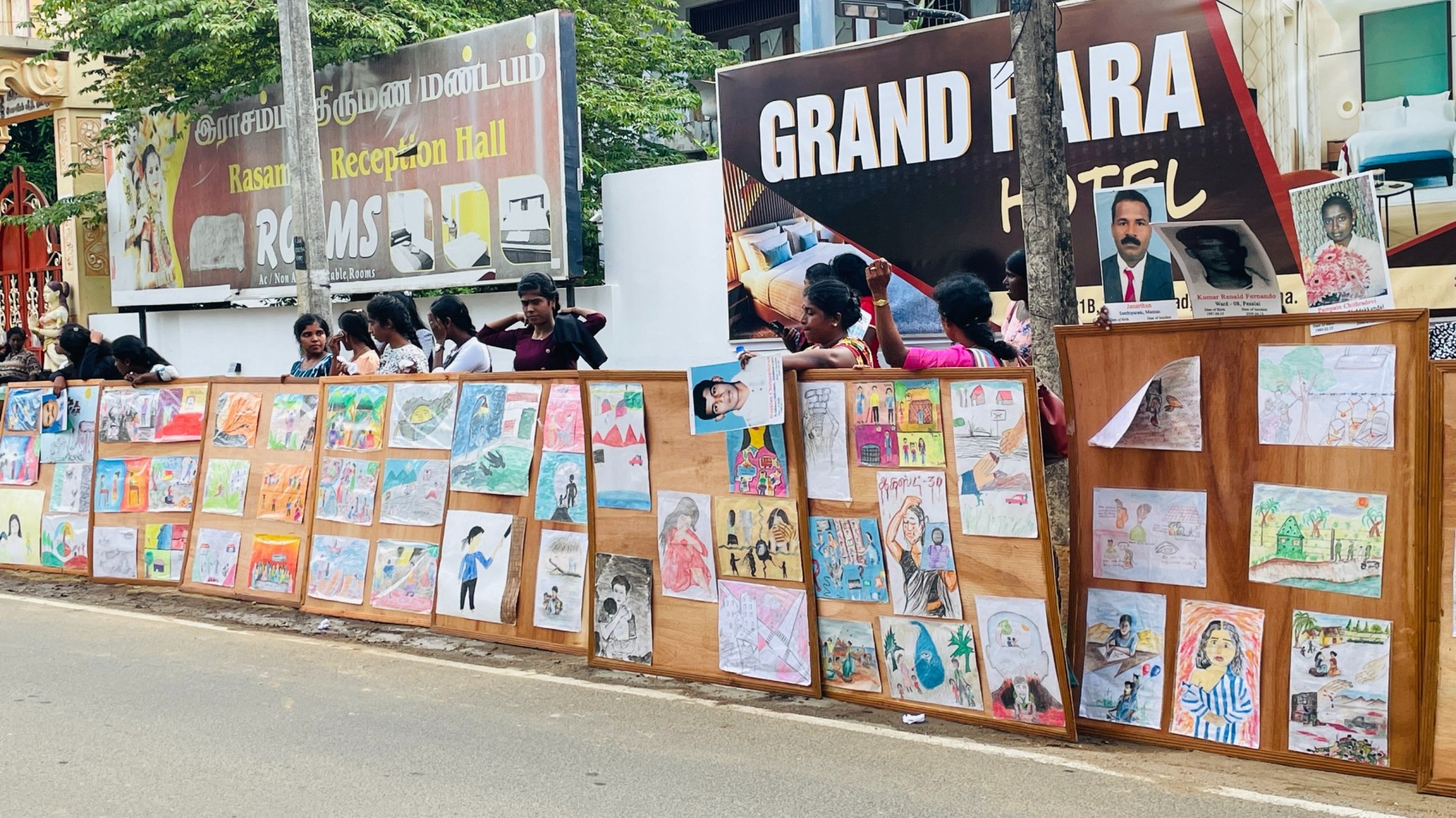
As the High Commissioner arrived in Jaffna, demonstrators lined Kovil Road with powerful visual displays, calling for international justice and accountability for decades of atrocities committed against the Tamil people.
Read more: Demonstrators in Jaffna demand justice as UN rights chief visits
Tamil families of the disappeared and protestors at the Chemmani mass grave site handed over a series of urgent demands, underscoring their insistence on international justice.
Read more: Tamil families hand over urgent demands for international justice to UN rights chief
.jpeg)
Meeting with Tamil MPs, he reportedly assured them that the plight the Tamil people will not be sidelined at the upcoming UN Human Rights Council (UNHRC) session in Geneva, despite the prominence of ongoing global conflicts.
Read more: UN rights chief assures Tamil MPs of continued focus on Sri Lanka
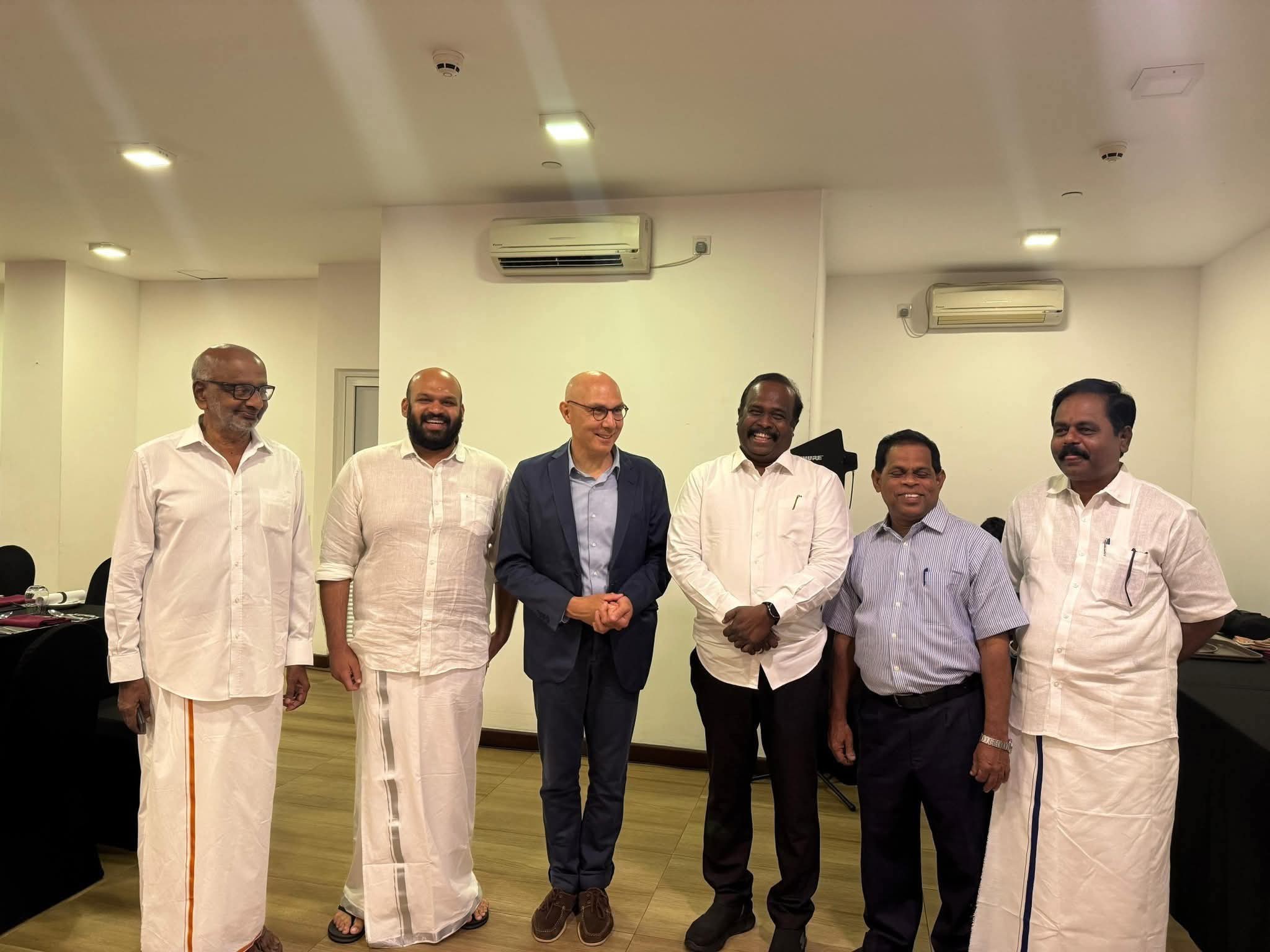
A cross-section of Tamil political leaders and civil society representatives also handed a letter to Türk, urging the United Nations to maintain a firm stance on accountability for mass atrocities committed in Sri Lanka and not allow the Sri Lankan government to exploit his visit to undermine international pressure.
Read more: Tamil leaders urge UN rights chief not to allow Sri Lanka to ‘weaken’ push for accountability
The visit follows his speech in Colombo the day prior, where he warned Sri Lanka of falling into an “impunity trap” and urged the state to “hold to account the perpetrators of the most severe crimes.” Highlighting global examples of post-conflict justice, Türk stressed that “acknowledging the truth creates the space for justice and reparations – and ultimately, healing.”
Tamil politicians, victim groups, and civil society leaders have also submitted formal letters and memoranda to the UN official, including a joint submission calling for the establishment of an international criminal justice mechanism to address allegations of genocide, war crimes, and crimes against humanity. They have consistently rejected domestic mechanisms as ineffective and compromised, and warned that Türk’s visit risks being instrumentalised by the Sri Lankan state to feign legitimacy without meaningful reform.
Earlier in the day, Turk met with protesting Tamils in Trincomalee, who handed over a statement outlining urgent demands and concerns, including the loss of Tamil self-determination, the escalation of anti-Tamil violence culminating in the 2009 Mullivaikkal genocide, and an ongoing campaign of what was described as “constructive genocide.”