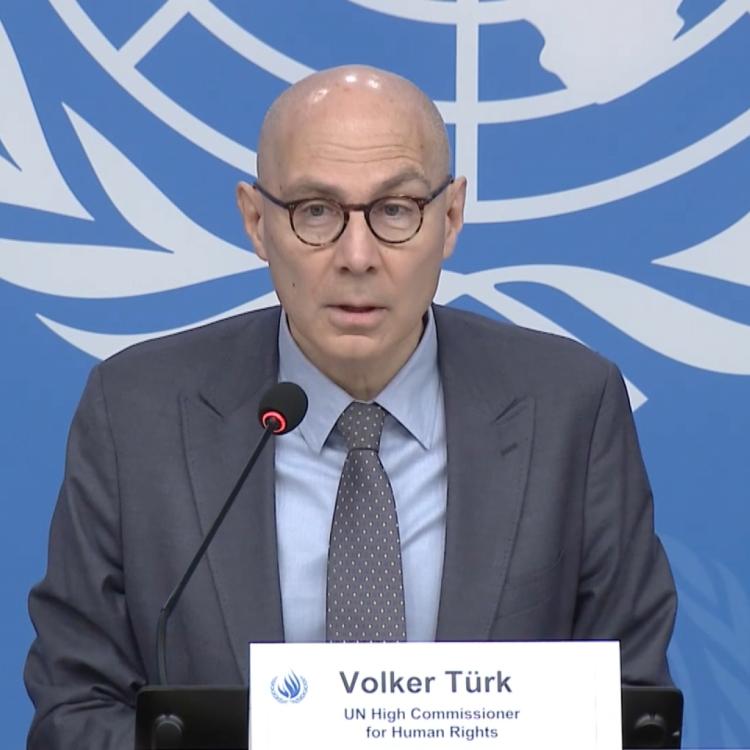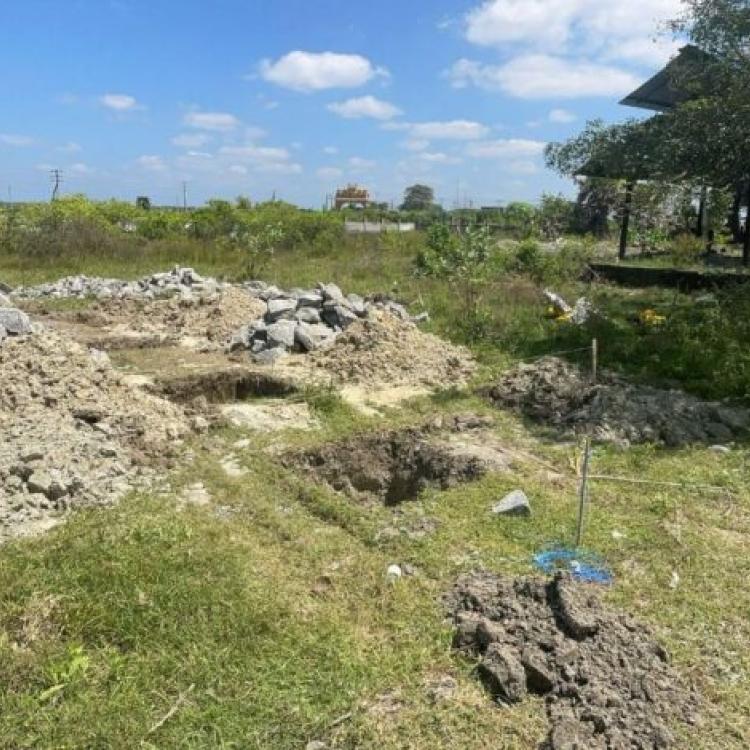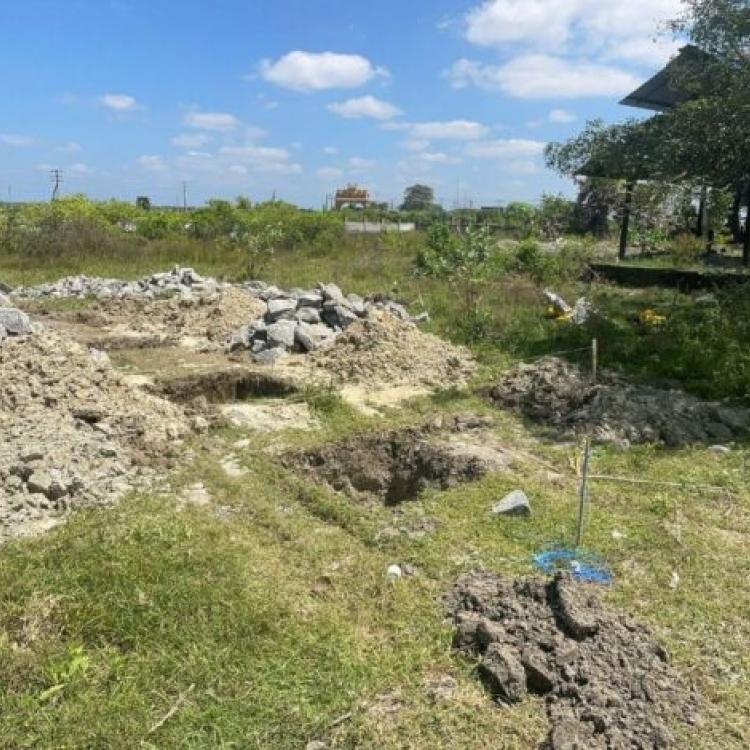

United Nations High Commissioner for Human Rights, Volker Türk, is set to visit Sri Lanka this week on a four-day official tour, with a scheduled stop at the Chemmani mass gravesite in Jaffna, where at least 19 human skeletons, including the remains of three children, were recently exhumed.
The gravesite has drawn international scrutiny as a stark reminder of the mass atrocities committed against Tamils.
Sri Lankan Foreign Affairs Minister Vijitha Herath told the Sunday Times, Türk will be granted “unrestricted access to both people and places during his visit”.
His schedule is yet to be released, but Tamils and international human rights organisations have urged him to meet with families of the disappeared and visit Mullivaikkal – the site of the 2009 genocide.
His visit will be the first to the island by a UN human rights chief since 2016.
In a statement, the Ministry of Foreign Affairs said that the visit, which runs from June 23 to 26, would include meetings with Sri Lankan President Anura Kumara Dissanayake, Sri Lankan Prime Minister Harini Amarasuriya, and Foreign Minister Herath, alongside ministers, MPs, and civil society organisations.
Türk is also expected to visit Trincomalee, Kandy, and the Temple of the Tooth, and meet religious leaders including Archbishop Malcolm Cardinal Ranjith to assess progress on the Easter Sunday bombing investigations.
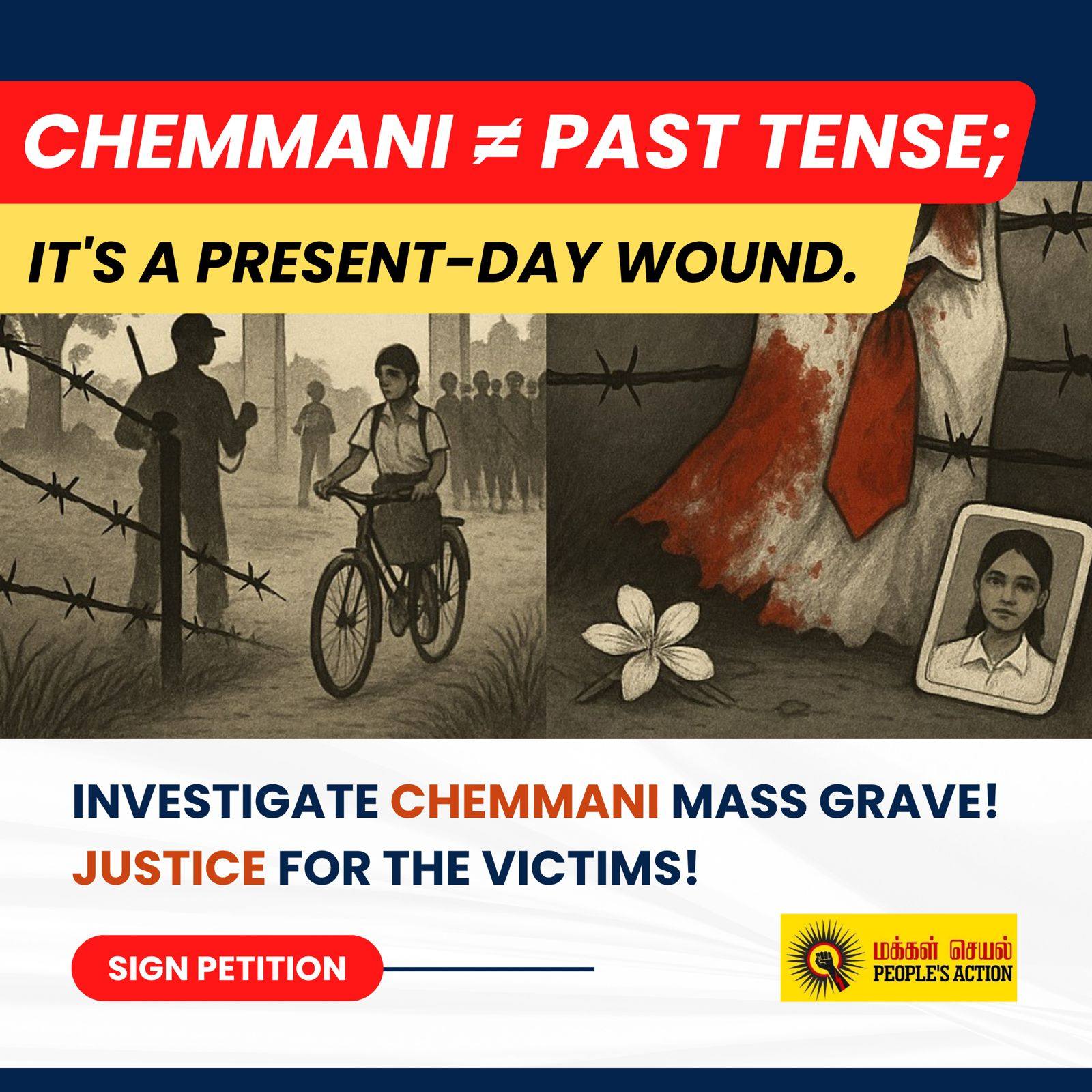
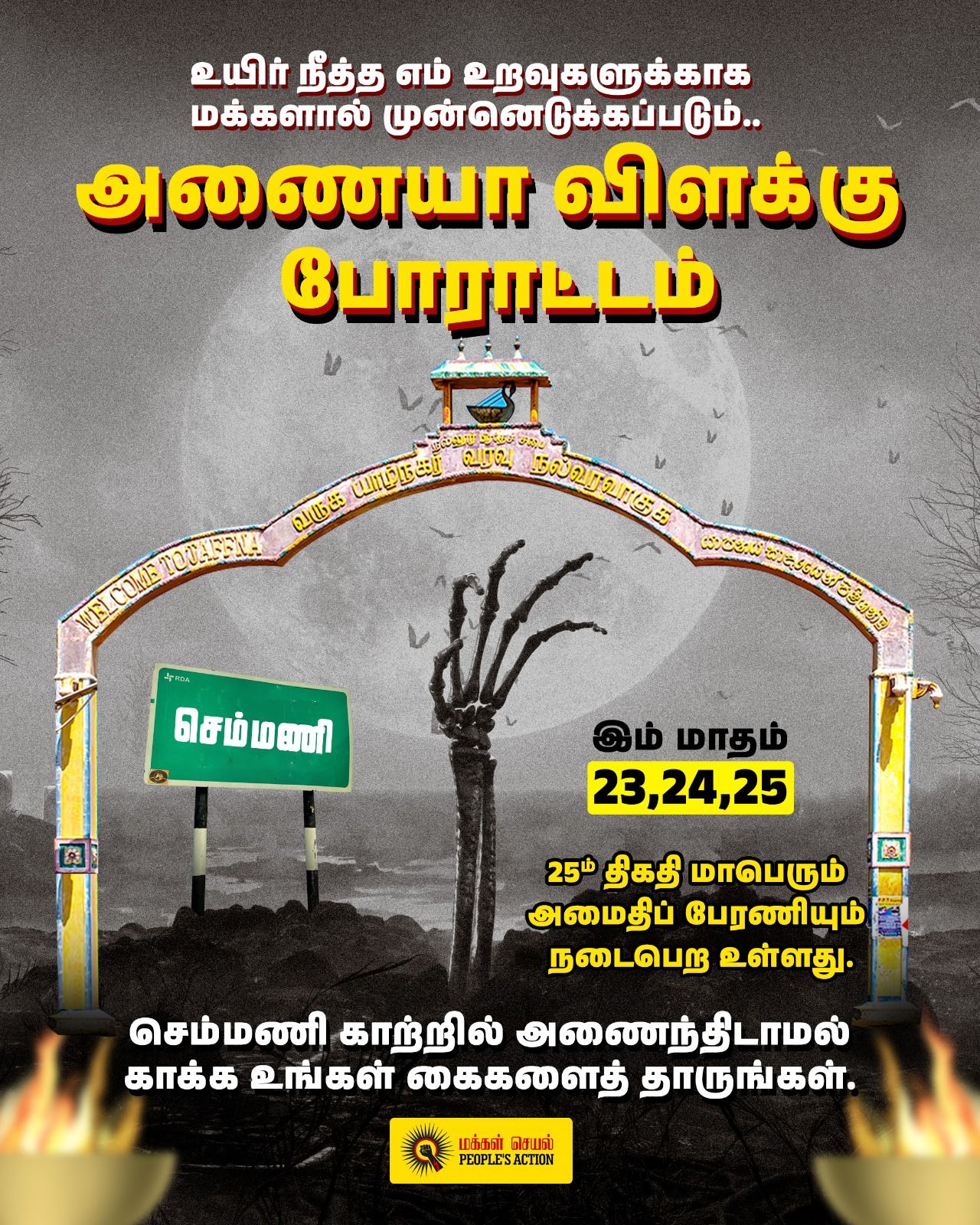
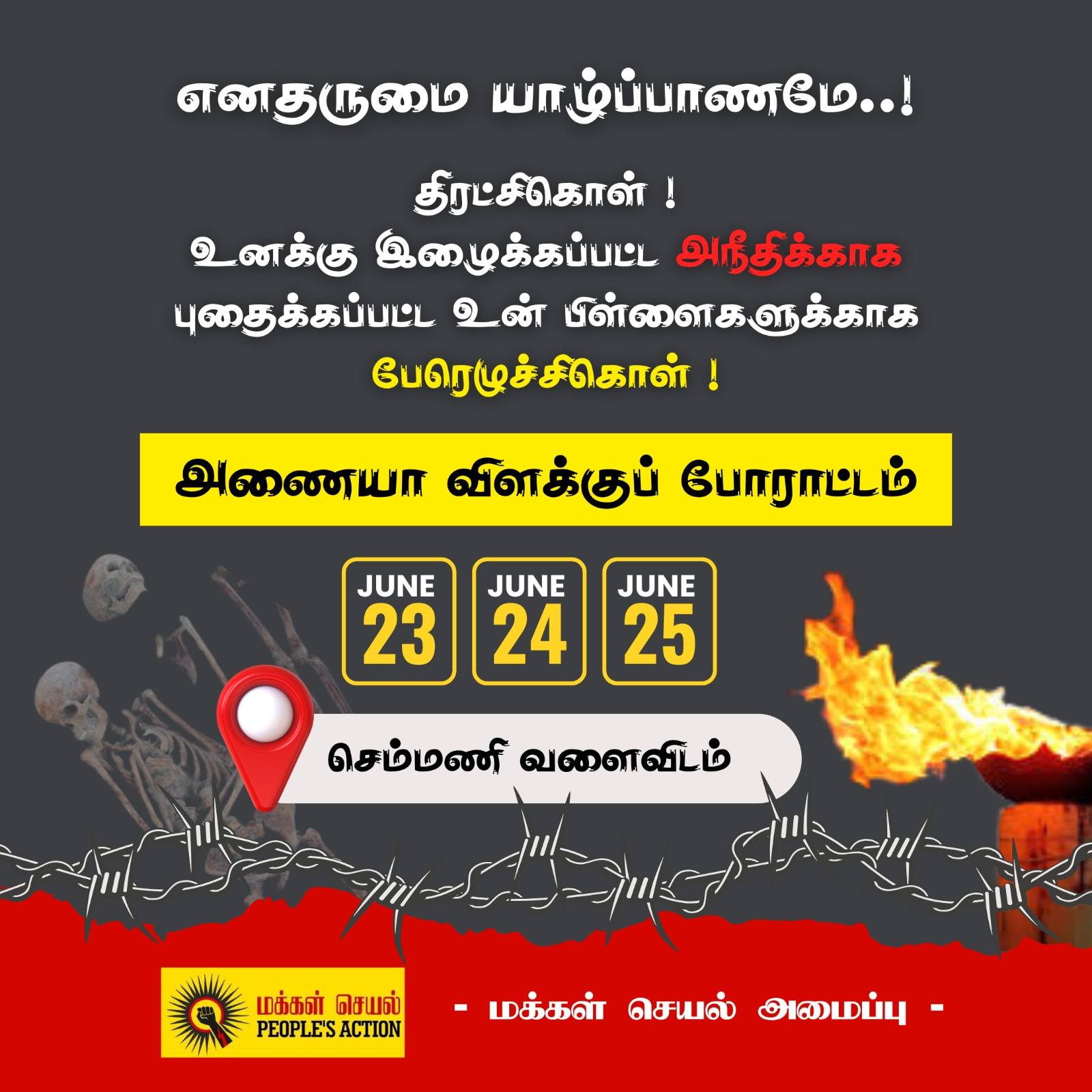
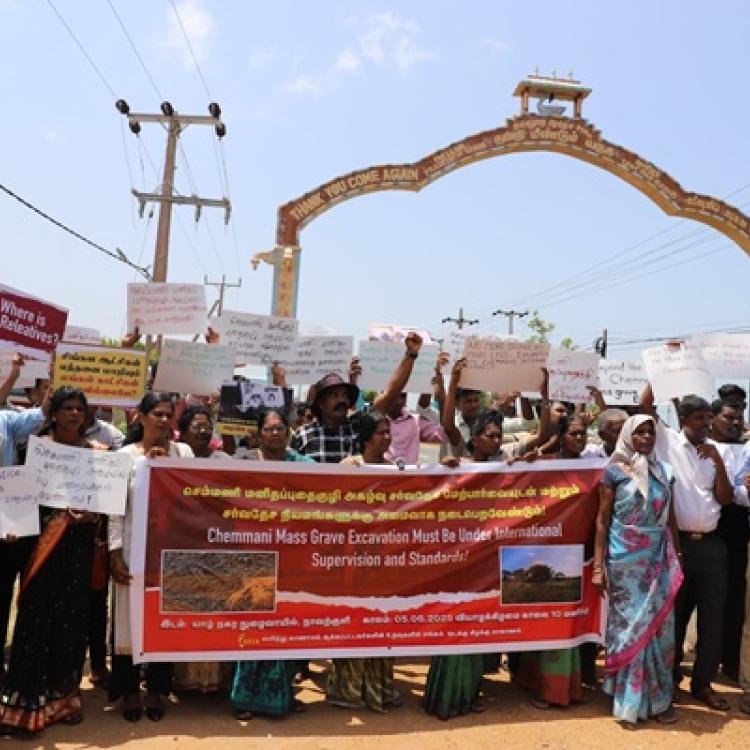
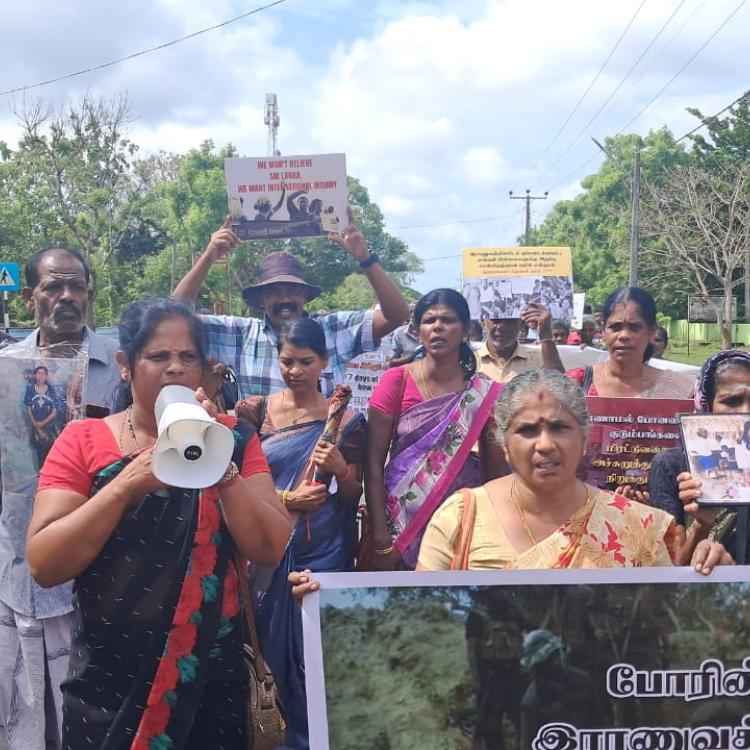
Coinciding with his visit, a large-scale three-day protest is scheduled to begin on Monday at Chemmani, under the banner of the “Unextinguished Flame” or “Anaiyaa Vilakku”. Organised by Makkal Seyal, a volunteer-based youth movement, the demonstration calls for international justice and an UN-supervised excavation of all mass graves across the North-East.
The name of the protest draws on Tamil cultural symbolism, where an unextinguished flame represents remembrance, resistance, and hope.
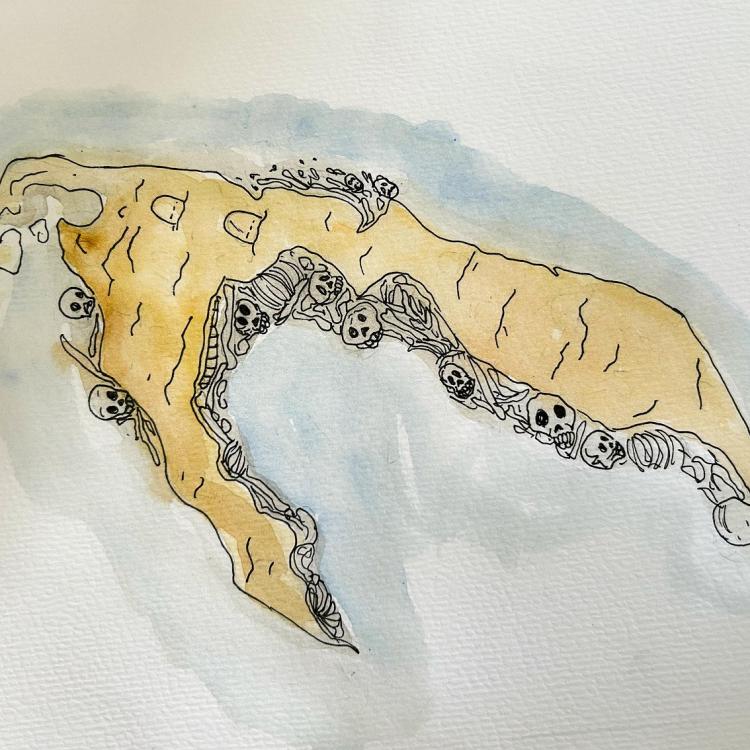
Protest organisers have scheduled a series of events leading up to a mass demonstration on June 25, the final day of Türk’s visit to Jaffna. The programme includes a symbolic hunger strike, a photo exhibition, a public signature campaign, and literary readings featuring stories, poems and plays focused on the Chemmani mass grave.
The Chemmani site was first brought to light in the late 1990s after a Sri Lankan soldier testified to the mass killing and burial of Tamils by the military in the area. Despite repeated calls by Tamil families and human rights organisations for investigations, few excavations have been carried out and no one has been held accountable.
The recent unearthing of 19 skeletons, including children, during construction work near a Hindu cemetery has once again thrust the site into the spotlight.
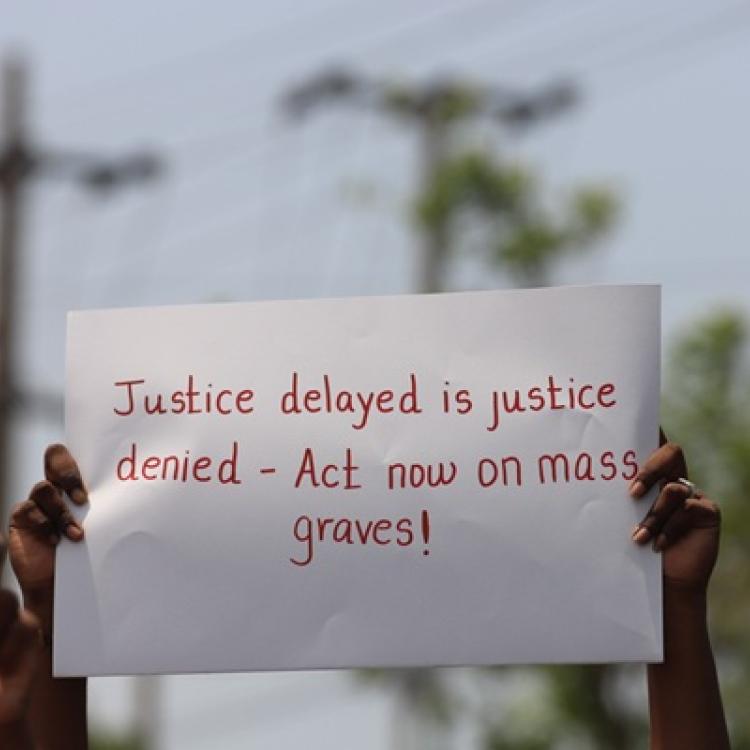
The protest also seeks to highlight broader issues of mass graves and enforced disappearances across the Tamil homeland.