
Tamil Affairs

Tamil News

Latest news from and about the homeland

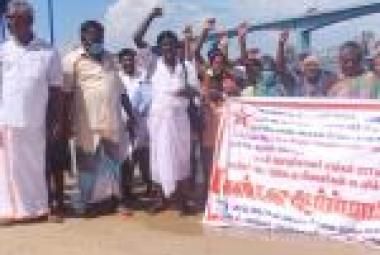
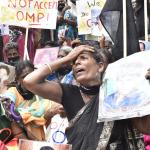
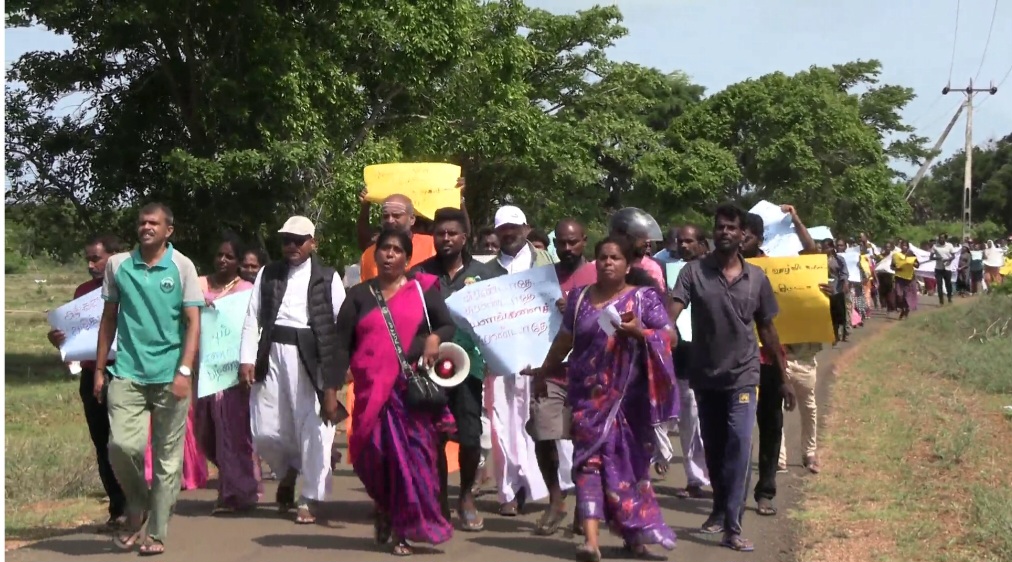
A protest march was held last month opposing limestone excavation, mineral sand mining and a proposed wind power project across the villages of Veravil, Valaipadu, Ponnaveli and Kiranchi, in the Poonakary Divisional Secretariat division of Kilinochchi. The demonstration was organised against plans to establish wind power stations and to carry out mineral sand and limestone extraction in the…

Muslim Maaveerar of the Tamil Struggle
The Tamil nation, in the homeland and in the diaspora, holds steadfastly to records of the liberation struggle. The well-known dates and the lesser known dates are tirelessly observed. Heroes are canonised in the Maaveerar Naal calendar.

But with the destruction of LTTE records and cemeteries, it becomes inevitable that some names are lost to us, at least momentarily.

The record of Muslim fighters remains incomplete. Their contribution to the Tamil struggle for liberation is often overlooked in the mainstream commemoration of Maaveerar Naal.

Jaffna High Court rules 'public Maaveerar Naal commemorations are banned but private ones are allowed'

Jaffna High Court rejected an appeal demanding an injunction against court bans for Maaveerar Naal commemorations in Mullaitivu and Vavuniya, last week but “there is no prohibition on memorialising the fallen, individually at home,” said Tamil National Alliance (TNA) MP M. A. Sumanthiran.

Sumanthiran insisted that the court ruled that permission to commemorate publicly for Maaveerar Naal was refused on the grounds of “national security”.

Tamil Nadu protestors demand release of fishing boats seized by the Sri Lankan Navy

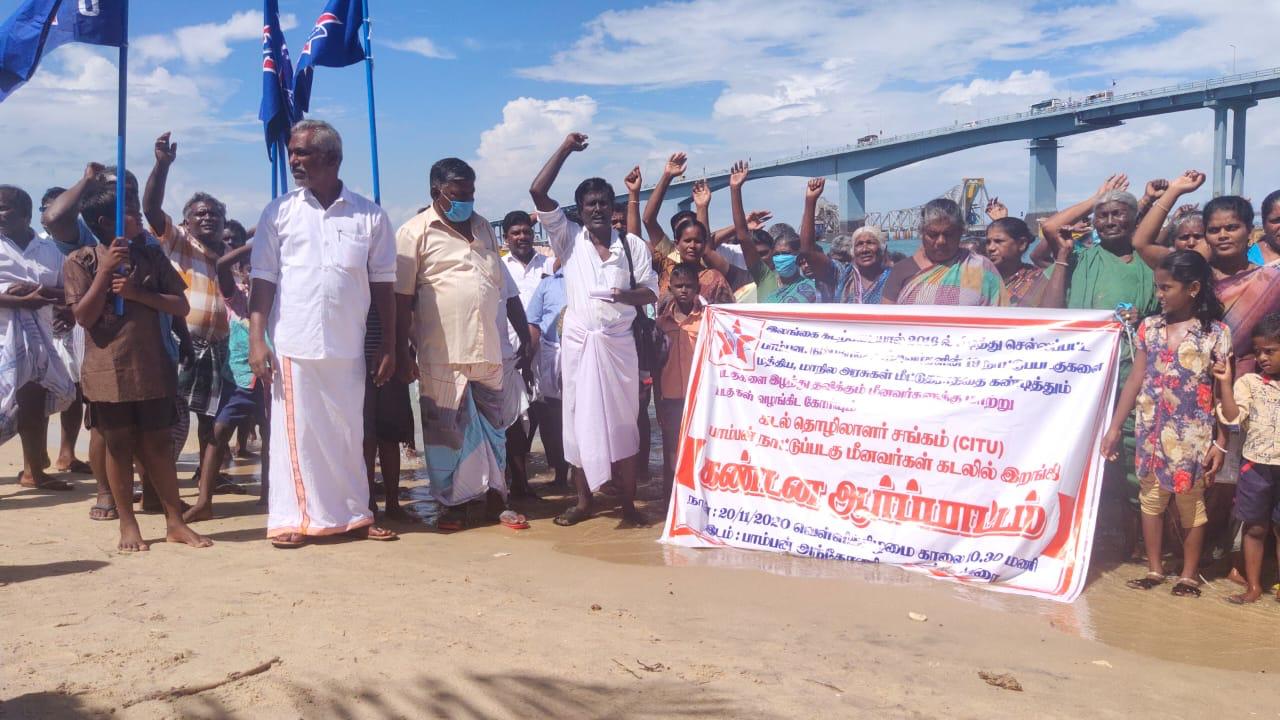
Tamil Nadu Fisherman and local trade union members staged a protest against the Sri Lankan navy for seizing the fisherman’s boats, on Friday.

The protest, which took place on Pamban beach in Rameswaram, called on the Sri Lankan navy to return the 19 boats that were seized from Tamil Nadu fisherman in 2016 and has as a result impacted the livelihoods of families of fisherman in villages across Rameswaram.

‘The Elders have become senile’ declares Sri Lankan official

A senior Sri Lankan official claimed that The Elders, a group of senior luminaries founded by Nelson Mandela in 2007, have “become senile” or “deliberately twisted the facts about Sri Lanka” in a statement that lashed out at the organisation this week.

Sugeeswara Senadhira, the Director of International Media at the Presidential Secretariat in Colombo, was responding to an earlier statement that referenced Sri Lanka when the group spoke on US President Donald Trump’s refusal to “adhere to the protocols and processes governing the transition of power”.

US resolution calls for an end to enforced disappearances in Sri Lanka

US Congressmen Brad Sherman and Jamie Raskin introduced a House Resolution calling for an end to enforced disappearances in Sri Lanka, across Asia and around the world and also calls upon the United States to ratify the International Convention for the Protection of all Persons from Enforced Disappearance.

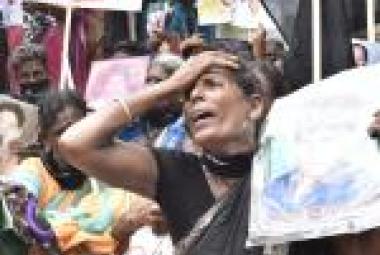
The resolution highlights that "Tamil families of the disappeared have demonstrated tremendous courage in conducting continuing protests, lasting over 1,300 days to demand answers from the Sri Lankan state, despite being met with threats, intimidation, and harrassment by state security forces."

It also noted that Sri Lanka has "promoted high-ranking military officials suspected of forcibly disappearing persons and bearing responsibility for war crimes, incuding Lieutenant General Shavendra Silva, and has failed to hold accountable other current military officials accused of war crimes."

‘No-one can prevent Maaveerar Naal commemorations’ – Families of the Disappeared

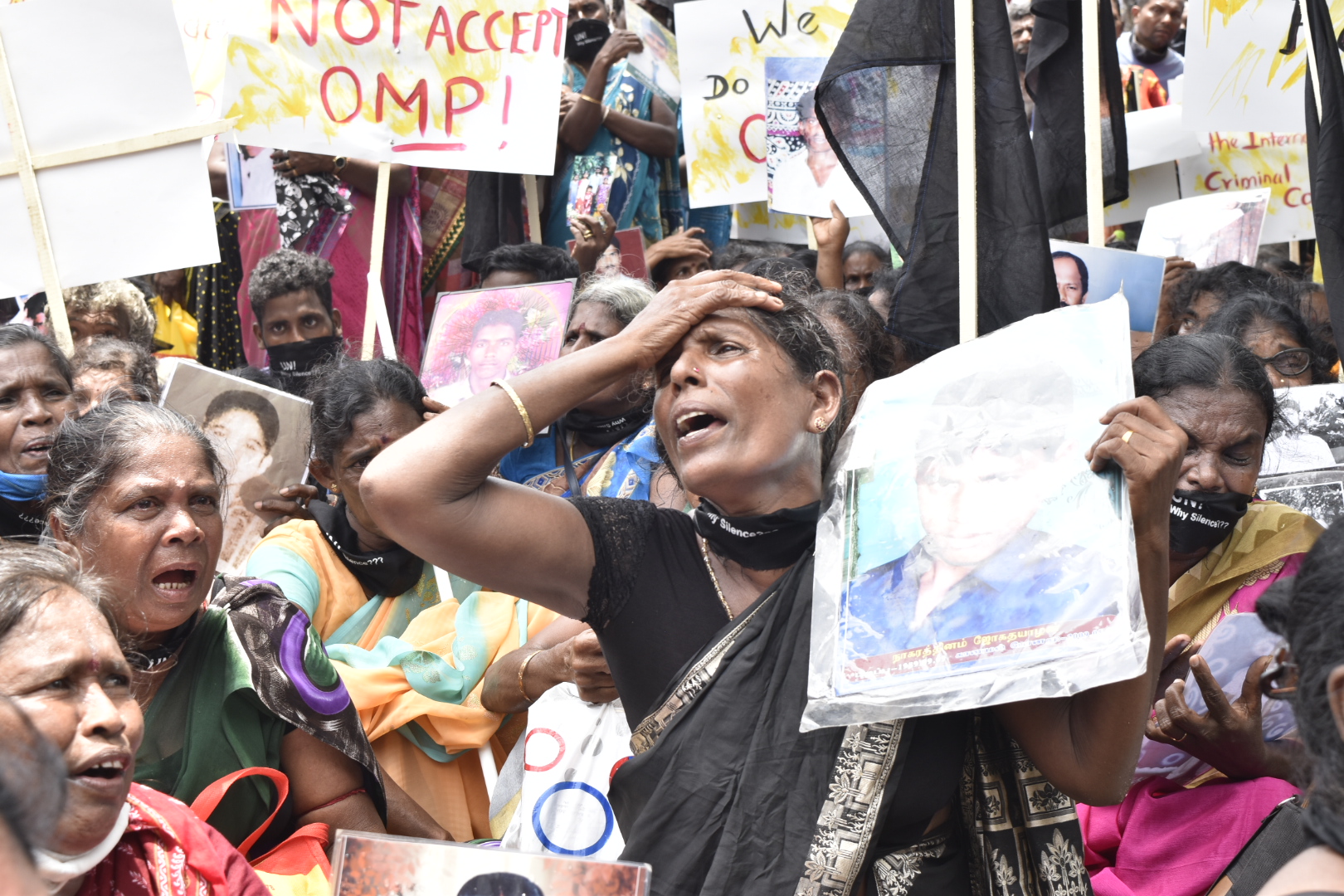
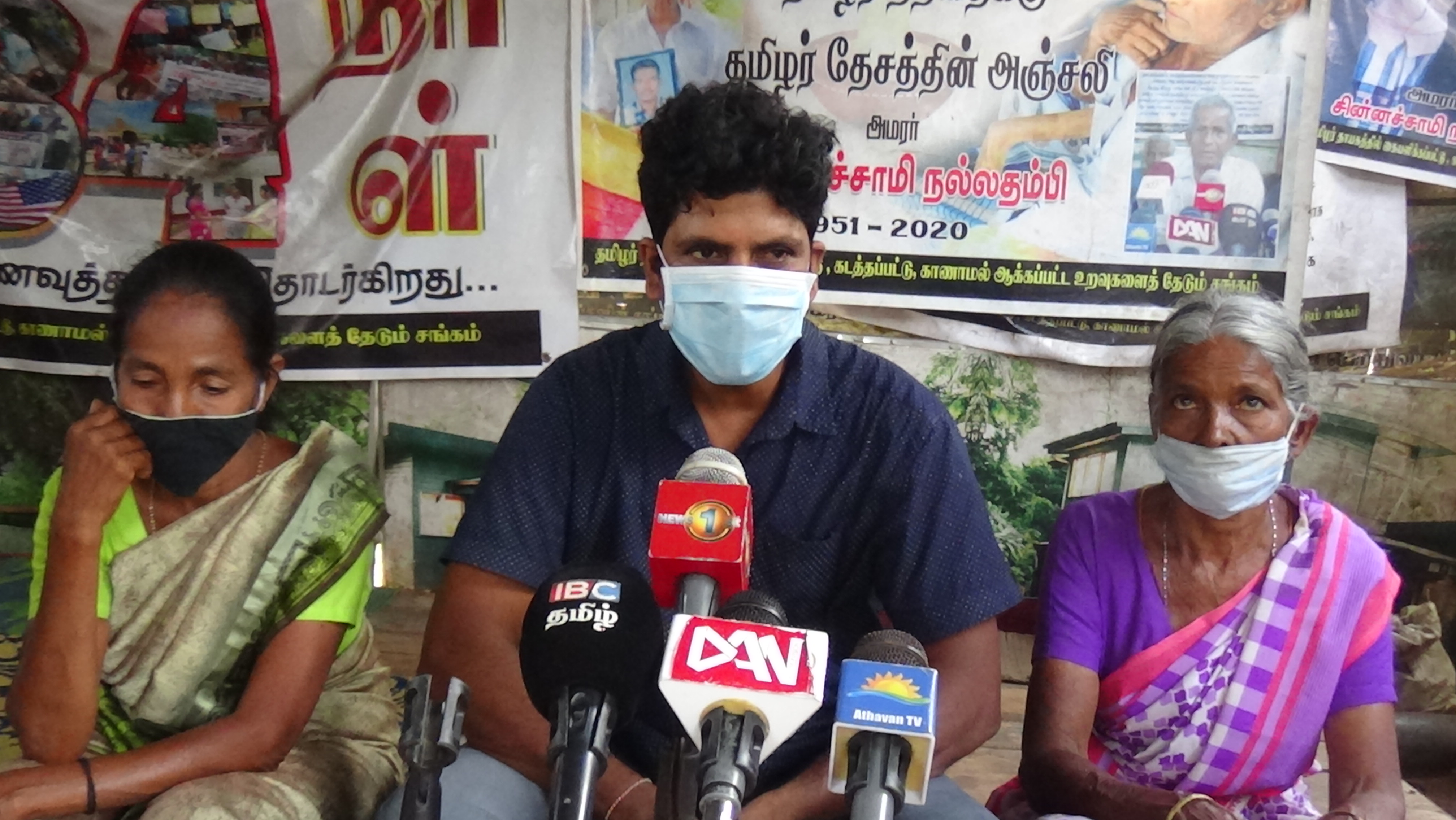
Amidst a Sri Lankan state crackdown of commemoration activities for Maaveerar Naal, Tamil families of the disappeared have asserted families' rights to remember their war dead.

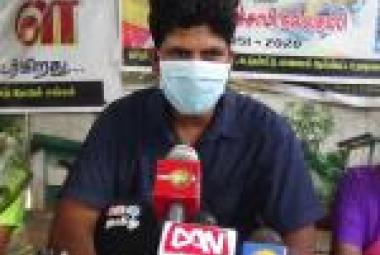
‘‘No one can stop individuals from participating in the remembrance. The mothers will also commemorate in the same way’’ a representative of families protesting in Vavuniya said.

‘They used to eat Puttu and Vadai, now they can eat Pizza’ - SL police inspector's derogatory remarks on Tamils

‘By bringing the war to an end, we have created a situation where the people in Northern Province are eating pizzas whereas they earlier used to eat Puttu, Vadai and Soru [Rice],’ Jaffna Headquarters Inspector Prasad Fernando said to the Jaffna Magistrate Court in a hearing last week.

Police interrogate councillor over remembrance of massacre by SL Deep Penetration Unit

Sri Lankan police stopped and interrogated a divisional council member in Mullaitivu for over three hours in connection with the upcoming anniversary of the Iyankulam massacre carried out by the Sri Lankan army's Deep Penetration Unit (DPU).

Thunukkai divisional council member, S Sujansan said Mallavi police threatened him against commemorating the victims of the targeted claymore attack of November 27, 2007 which claimed the lives of eleven people, including seven students between the ages of 13 and 22. The students had been travelling in an ambulance to a voluntary first aid class.

Accused war criminal sends off Sri Lankan troops to UN peacekeeping mission

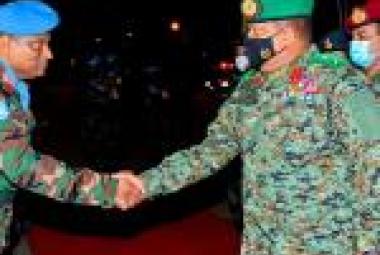
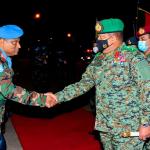
Sri Lanka's army commander saw off a group of soldiers earlier this week, who are off to join a UN peacekeeping mission in South Sudan, despite human rights concerns. 

Last year, the UN announced it would ban all "non-essential" Sri Lankan troops in response to the appointment of Shavendra Silva, due to his abysmal human rights record. 

UN failed to prevent 'ethnic slaughter in Sri Lanka' – Barack Obama

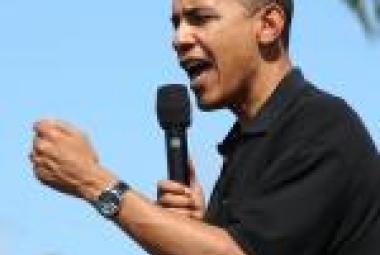
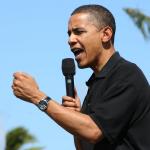
The United Nations failed to “prevent ethnic slaughter in places like Sri Lanka” said former US president Barack Obama in his memoir, ‘A Promised Land’, reflecting on his time at the White House.

“I read the U.N.’s 1945 founding charter and was struck by how its mission matched my mother’s optimism,” wrote Obama, reflecting on his early conversations as a child about the global body. “Needless to say, the U.N. hadn’t always lived up to these lofty intentions.”

“In the middle of the Cold War, the chances of reaching any consensus had been slim, which is why the U.N. had stood idle as Soviet tanks rolled into Hungary or U.S. planes dropped napalm on the Vietnamese countryside. Even after the Cold War, divisions within the Security Council continued to hamstring the U.N.’s ability to tackle problems. Its member states lacked either the means or the collective will to reconstruct failing states like Somalia, or prevent ethnic slaughter in places like Sri Lanka.”