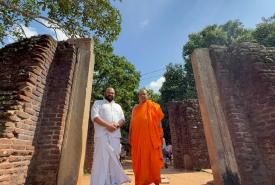
Fundamentalism has become an inseparable element of Sri Lankan politics, allowing criminal networks to flourish under the protection of political elites, warned Illankai Tamil Arasu Kachchi (ITAK) parliamentarian Gnanamuthu Srineshan during remarks this week.
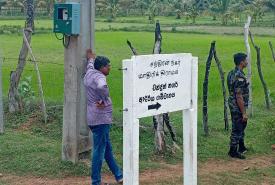
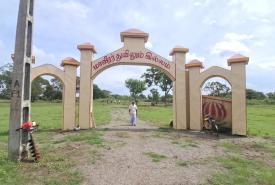
Two large concrete pillars erected by the Sri Lankan Air Force at the entrance of the Pilavu Settlement in Keppapulavu, Mullaitivu, were removed last week by local authorities following complaints from residents that they obstructed public movement.
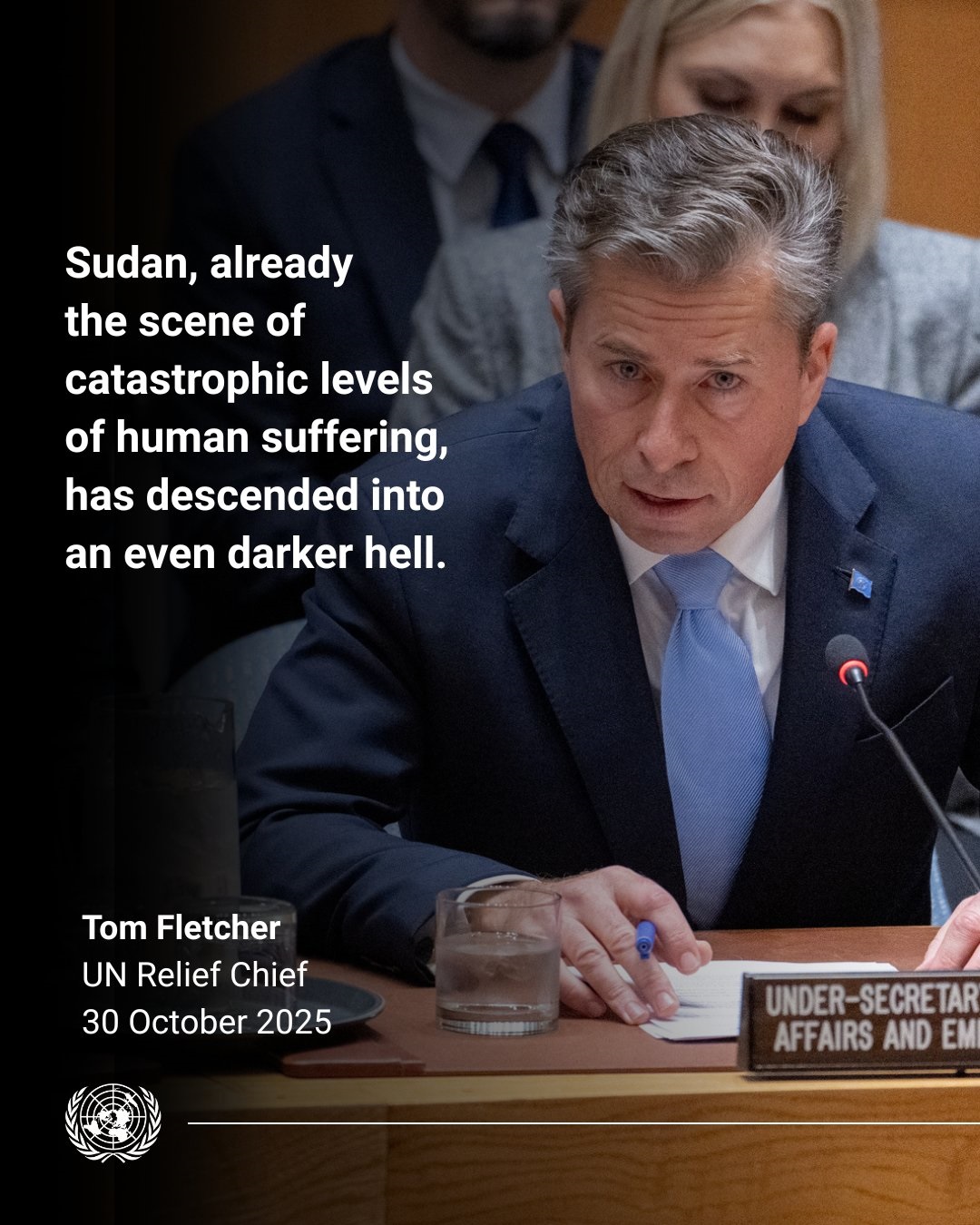
Tens of thousands of civilians have fled El Fasher in Darfur, after the Rapid Support Forces (RSD) captured the city from the Sudanese Armed Forces (SAF) last week, with dozens of videos emerging showing atrocities and massacres.
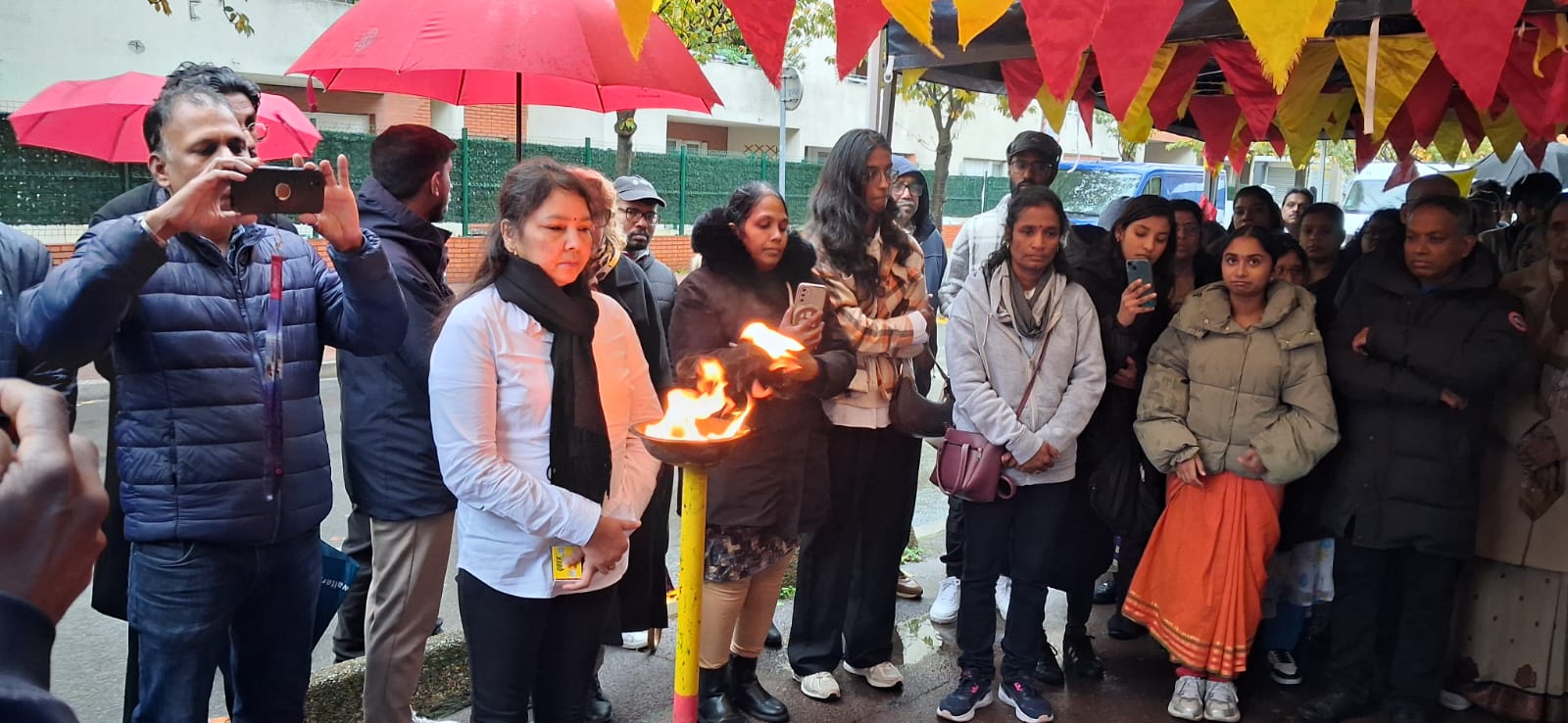
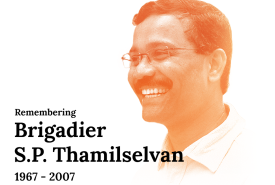
Tamils in France commemorated S. P. Thamilselvan, the head of the political wing of the Liberation Tigers of Tamil Eelam (LTTE), who was assassinated by the Sri Lankan air force (SLAF) 18 years ago.
Tamils gathered in La Courneuve, France on Saturday to remember Brigadier Thamilselvan and the five other LTTE officials who were killed on November 2, 2007 by the Sri Lankan air force.
This week across the Tamil homeland preparations have begun as the nation readies itself to mark Maaveerar Naal – Great Heroes Day. For Eelam Tamils this is more than just a day of remembrance. It is a moment that brings together a nation that has suffered war, destruction, and occupation, yet continues to endure. For decades, the Sri Lankan state has tried to stifle it. Sixteen years since the death of the last Tamil liberation fighter, such repression must end.
Today marks 18 years since S. P. Thamilselvan, the head of the political wing of the Liberation Tigers of Tamil Eelam (LTTE), was assassinated by the Sri Lankan air force (SLAF).
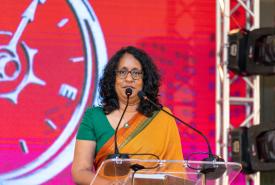
When Harini Amarasuriya first entered Sri Lankan politics, she was hailed as a different kind of politician — a feminist academic, a human rights advocate, and a rare progressive voice willing to challenge entrenched power. Her early writings spoke about systemic discrimination, the “implicit exclusions and violence” that underpin the Sri Lankan state, and the need to confront Sinhala-Buddhist nationalism head-on.