
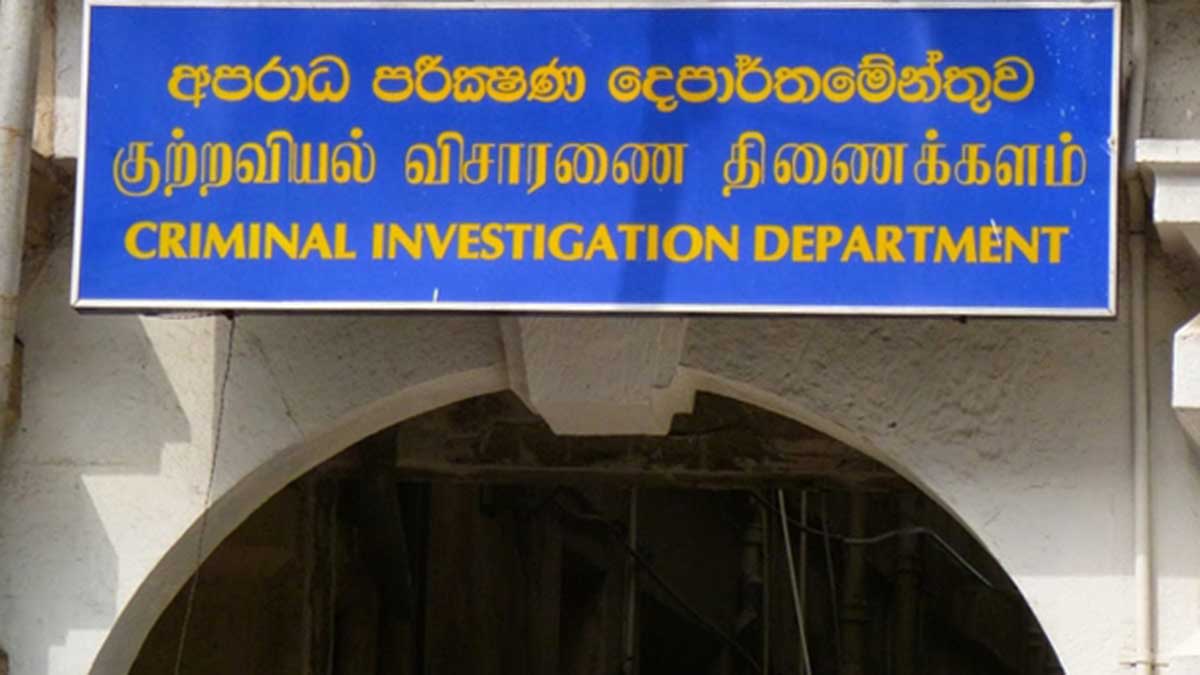
Sri Lanka’s Criminal Investigation Department informed the Colombo Fort Magistrate’s Court on Monday that it has launched an investigation into allegations of contempt of court involving six individuals, including former Sri Lankan ministers Wimal Weerawansa and Udaya Gammanpila, as well as parliamentarian Dilith Jayaweera.
The CID told court that the investigation relates to statements allegedly made through electronic media which, investigators said, could obstruct ongoing investigations concerning former State Intelligence Service Director Major General (Retired) Suresh Sallay, who is currently in CID custody.
According to the CID’s report submitted to court, the investigation also covers statements allegedly made by Asanka Navarathne, Sugeeshwara Bandara and Mahinda Pathirana.
The CID requested that notices be issued directing the six individuals to appear before court on 1 July.
However, the Magistrate stated that there was no need at this stage to issue summons requiring their appearance before the Magistrate’s Court.
The court further observed that, as the matter falls under the Contempt of Court Act No. 8 of 2024, any further proceedings should follow proper legal assessment. If necessary, action should be initiated before the Court of Appeal rather than through summons issued by the Magistrate’s Court.
The development comes amid ongoing controversy surrounding the detention of Suresh Sallay, who was arrested by the CID on 25 February in connection with investigations into the 2019 Easter Sunday bombings.
Prosecutors have previously alleged in court that Sallay was the mastermind behind the Easter Sunday bombings, an allegation he denies.
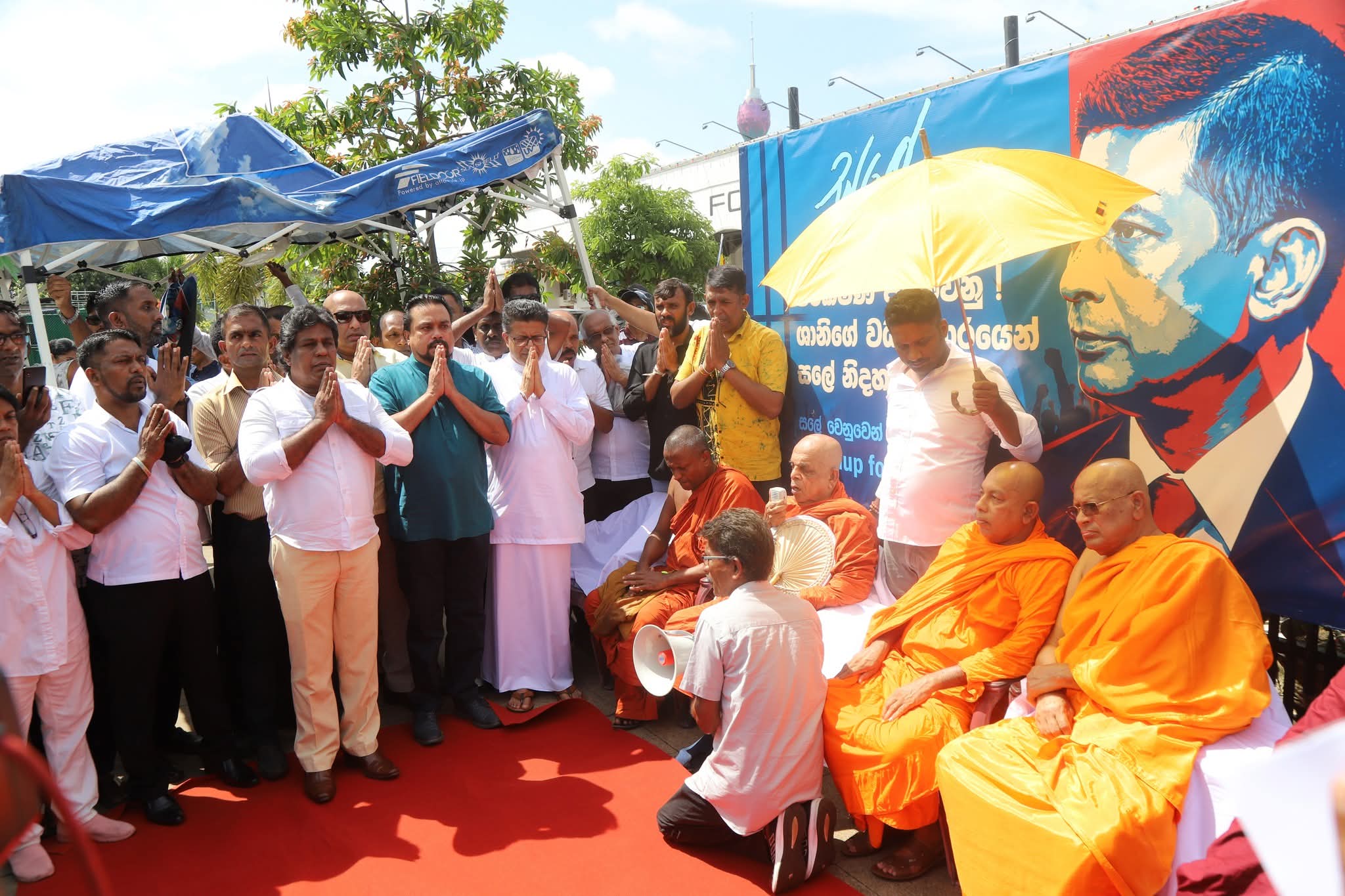
Earlier this month, opposition politicians and Buddhist clergy launched a Satyagraha campaign outside Colombo Fort Railway Station, condemning what they described as the inhumane treatment of Sallay while in custody.
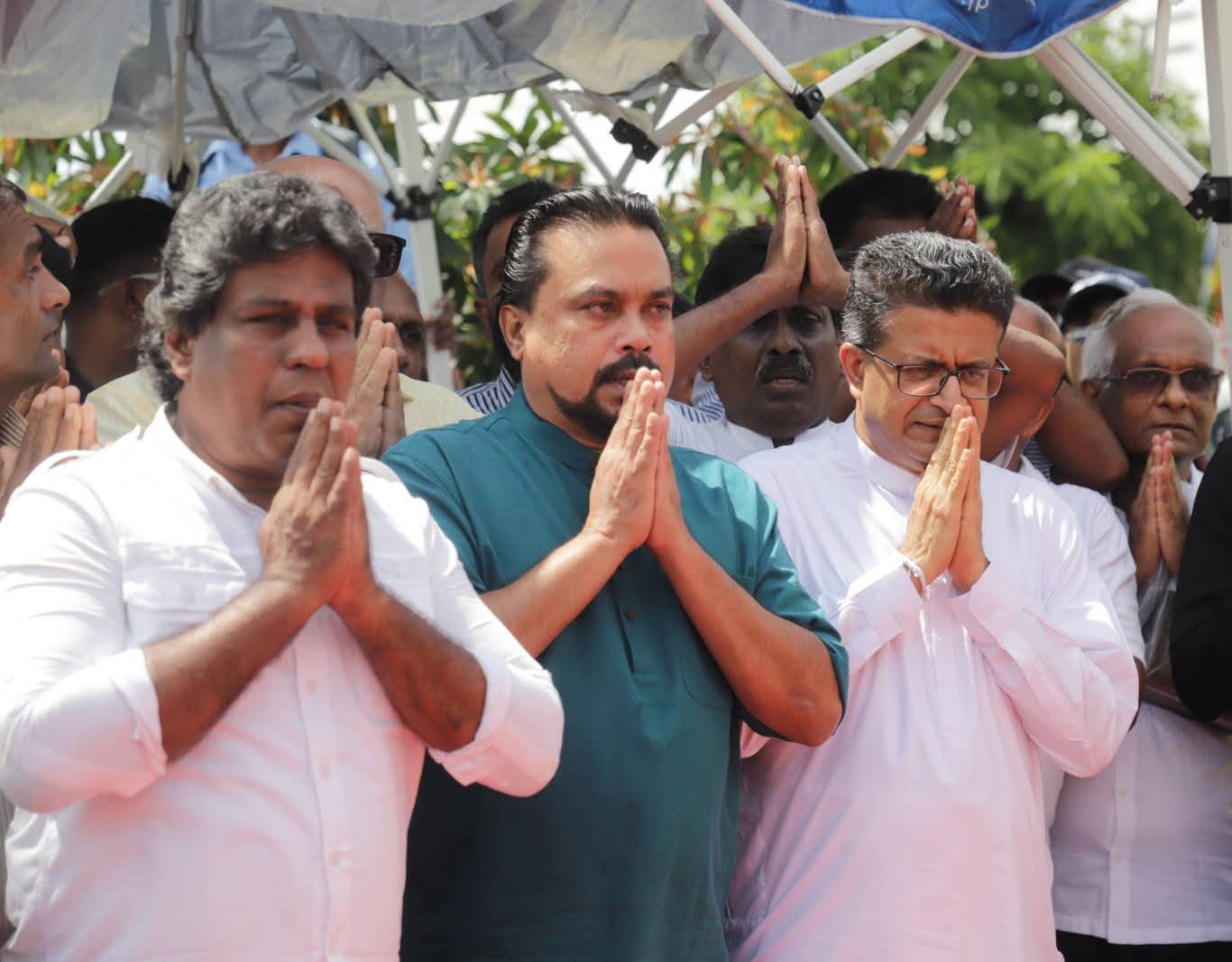
Weerawansa and Gammanpila were among those who led the protest and publicly criticised the current government’s handling of the case.
The protest drew supporters from several opposition parties, including the Sri Lanka Podujana Peramuna, Sarvajana Balaya, the National Freedom Front and Pivithuru Hela Urumaya.
The demonstrations followed claims by Sallay’s family and political allies that he had begun a hunger strike in detention over alleged mistreatment and deteriorating conditions.
Sallay was subsequently admitted to the Emergency Treatment Unit of the National Hospital in Colombo while remaining under CID custody.
The opposition-led protest was later cancelled after court directed that a report on his health condition be submitted.
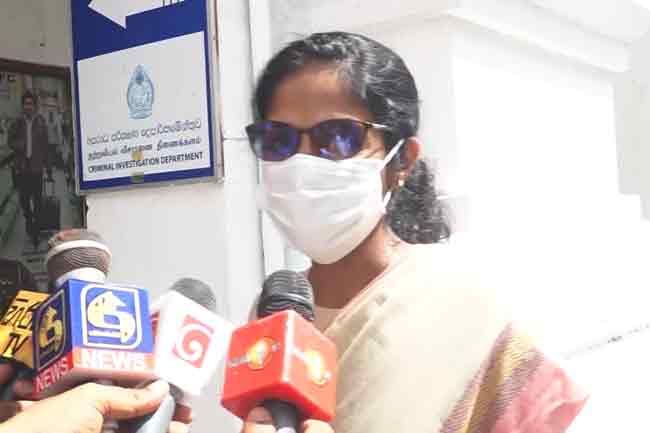
The Catholic Church has separately called for investigations into the Easter Sunday bombings to continue without political interference.
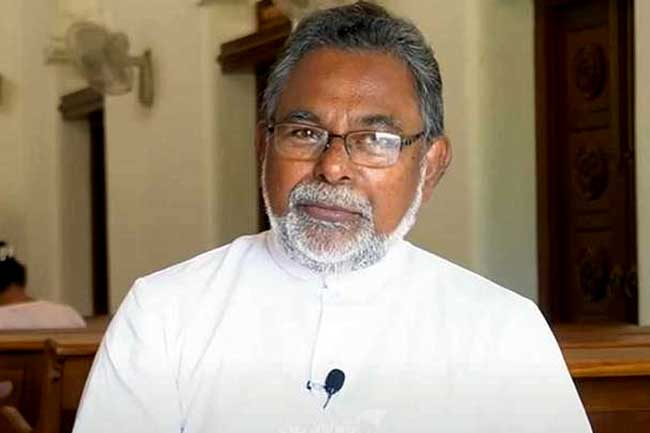
Archdiocese of Colombo spokesperson Rev. Fr. Cyril Gamini Fernando has said questions remain unanswered regarding whether a wider conspiracy lay behind the attacks and who may have planned or orchestrated them. It was previously reported that Fr. Cyril disclosed Sallay had allegedly sought an out-of-court settlement in a defamation case filed against him. Fr. Cyril said he rejected the proposal and maintained that he stood by his earlier remarks.
The latest CID move has been characterised by some government opponents as part of an effort to intimidate political figures who have publicly challenged the handling of the Sallay investigation.
Several of the individuals named by the CID, including Weerawansa, Gammanpila and Jayaweera, have been among the most vocal critics of Sallay’s detention and have led protests alleging political persecution and abuse in custody.
Against this backdrop, critics of the government have framed the latest development as a warning to dissenting political figures.
The concerns have been amplified by the continued use of emergency powers, which grant security authorities sweeping powers of arrest, detention and interrogation, raising fears among critics of an increasingly restrictive environment for political opposition and public dissent.
The Sallay case has also renewed scrutiny of Sri Lanka’s use of the Prevention of Terrorism Act. Amnesty International recently raised concerns over Sallay’s detention, while also stressing that those suspected of responsibility for the Easter Sunday attacks must be brought to justice through due process and fair trial rights.
The PTA has long been condemned by Tamil political parties and human rights organisations for enabling prolonged detention, coercive interrogation and torture. For decades, it has been used overwhelmingly against Tamils in the North-East.
Sallay remains one of the most controversial figures in Sri Lanka’s intelligence establishment. During his career, he has repeatedly been linked to allegations of serious human rights abuses and information operations targeting Tamils.
His name has also been associated with the coercion of Tamil doctor T. Varatharajah, who was pressured into retracting testimony regarding civilian casualties during the massacres at Mullivaikkal in 2009, when tens of thousands of Eelam Tamils were killed in what is increasingly recognised as a genocide.