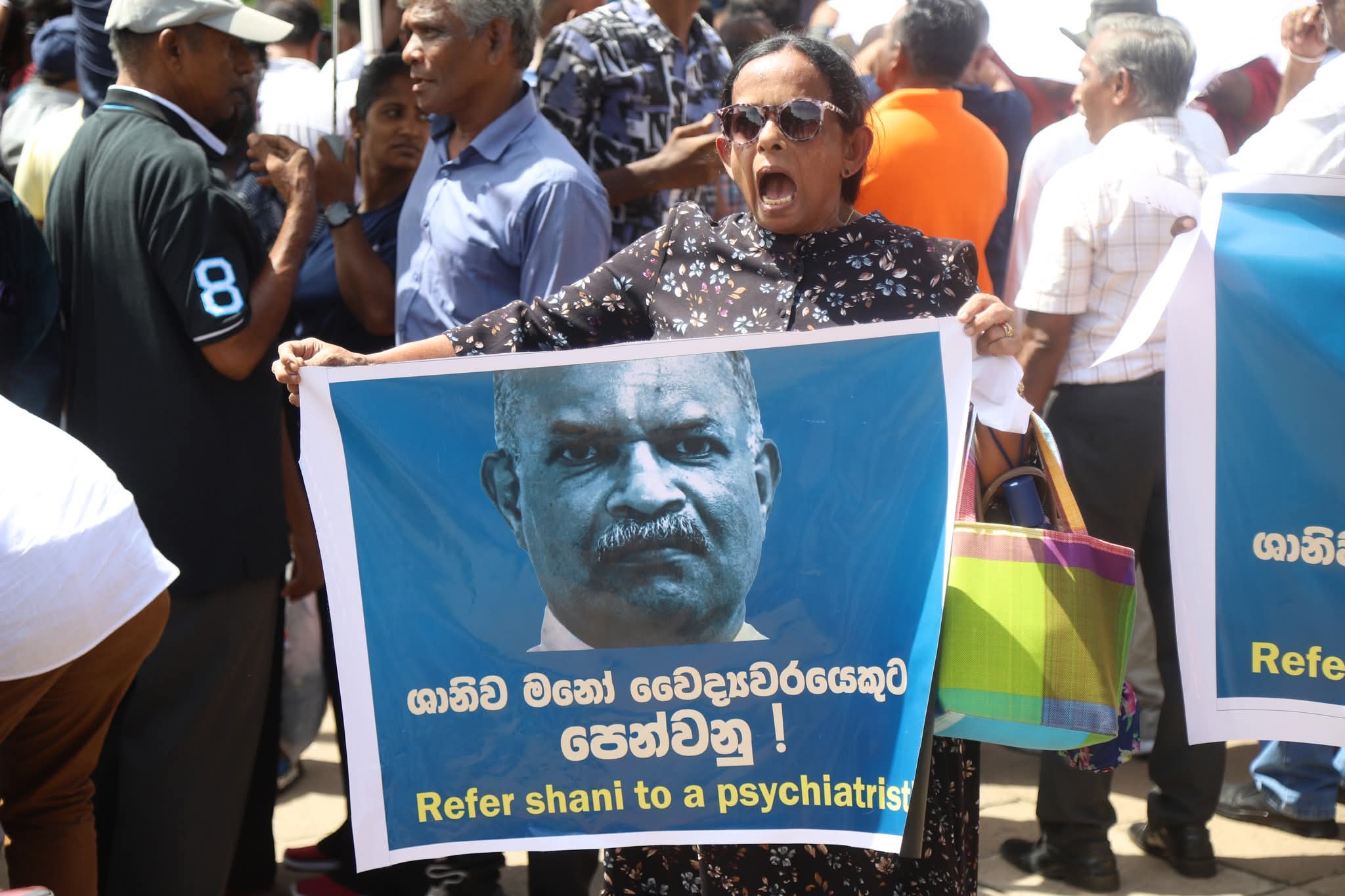
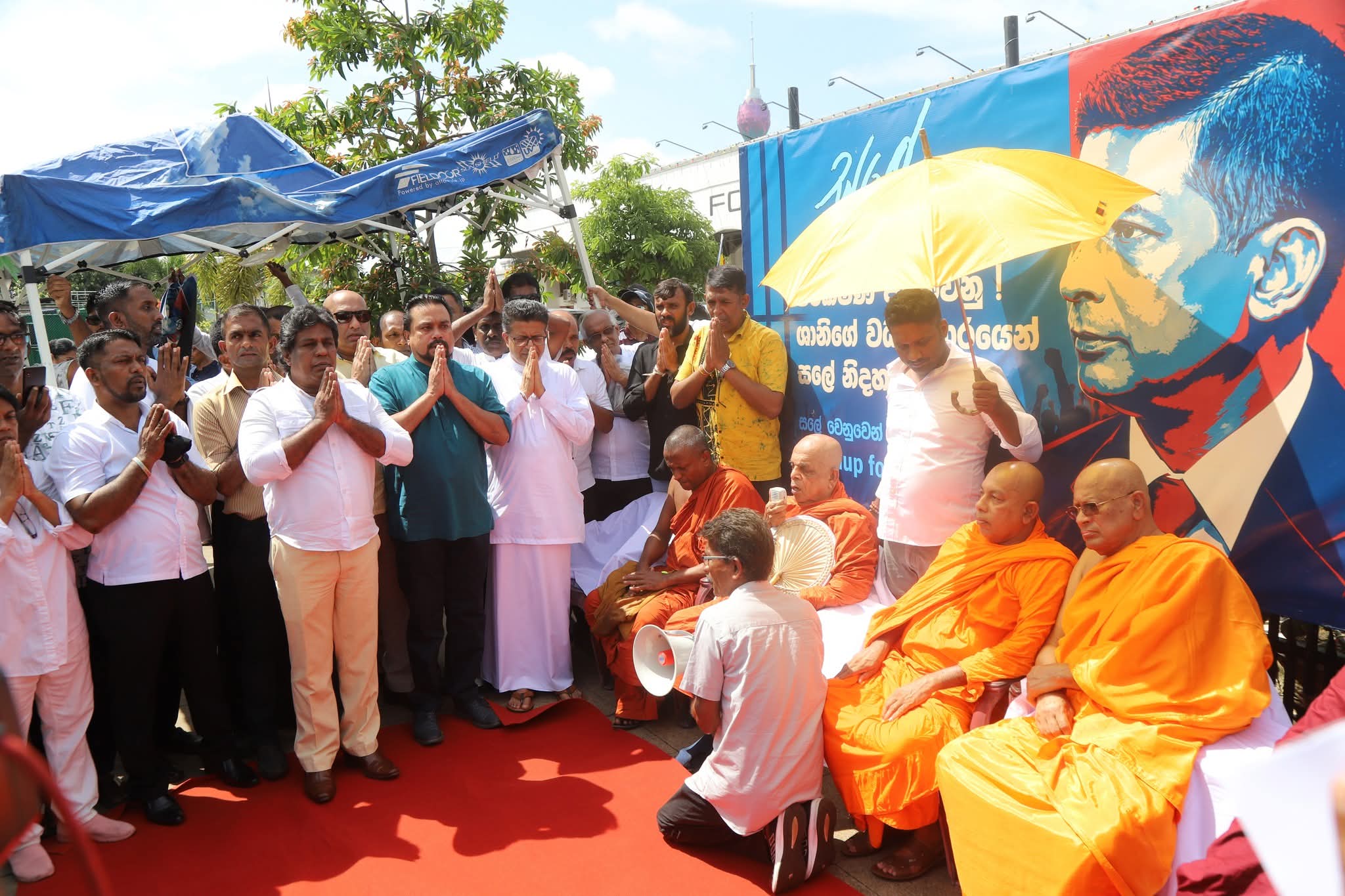
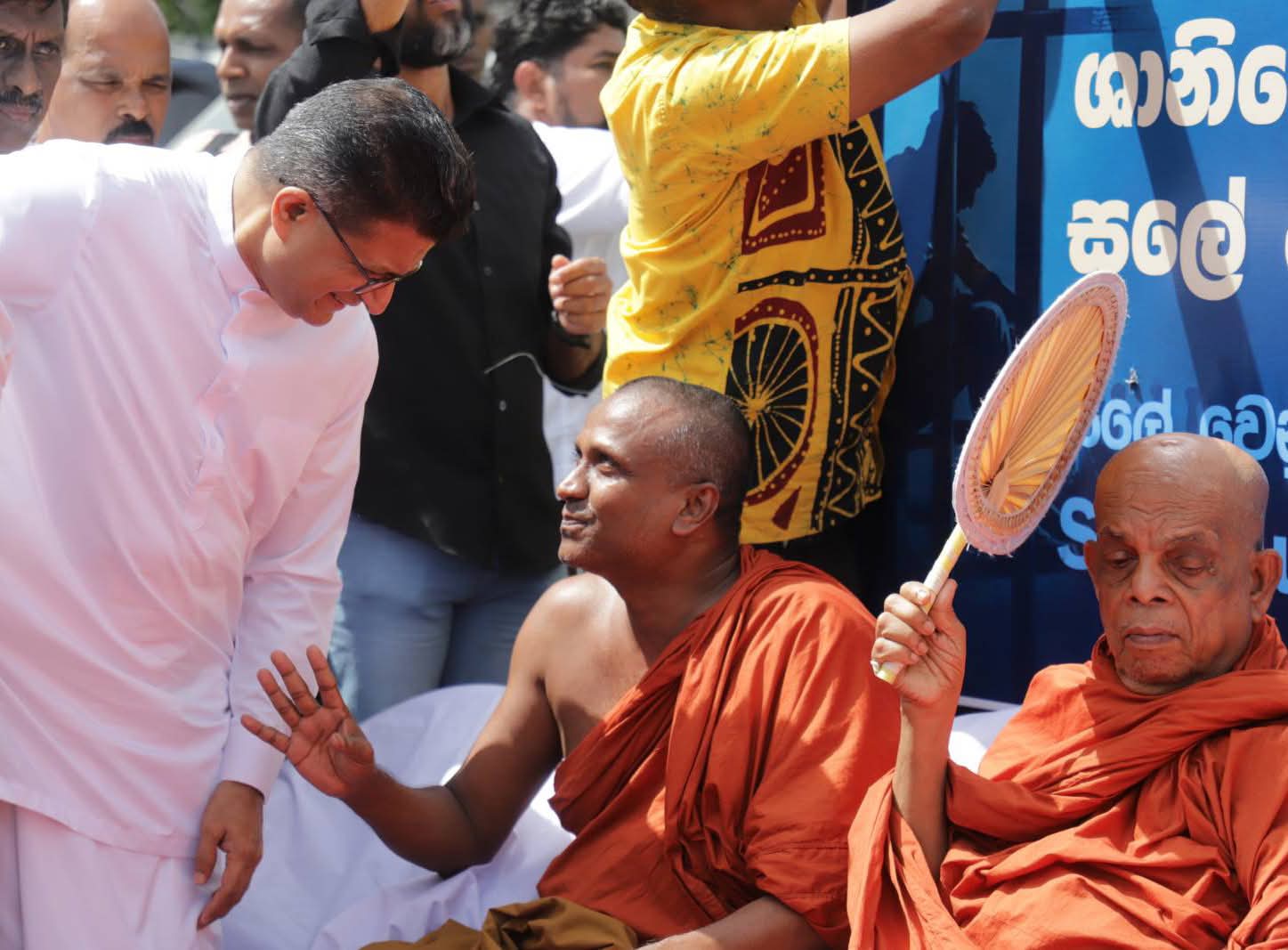
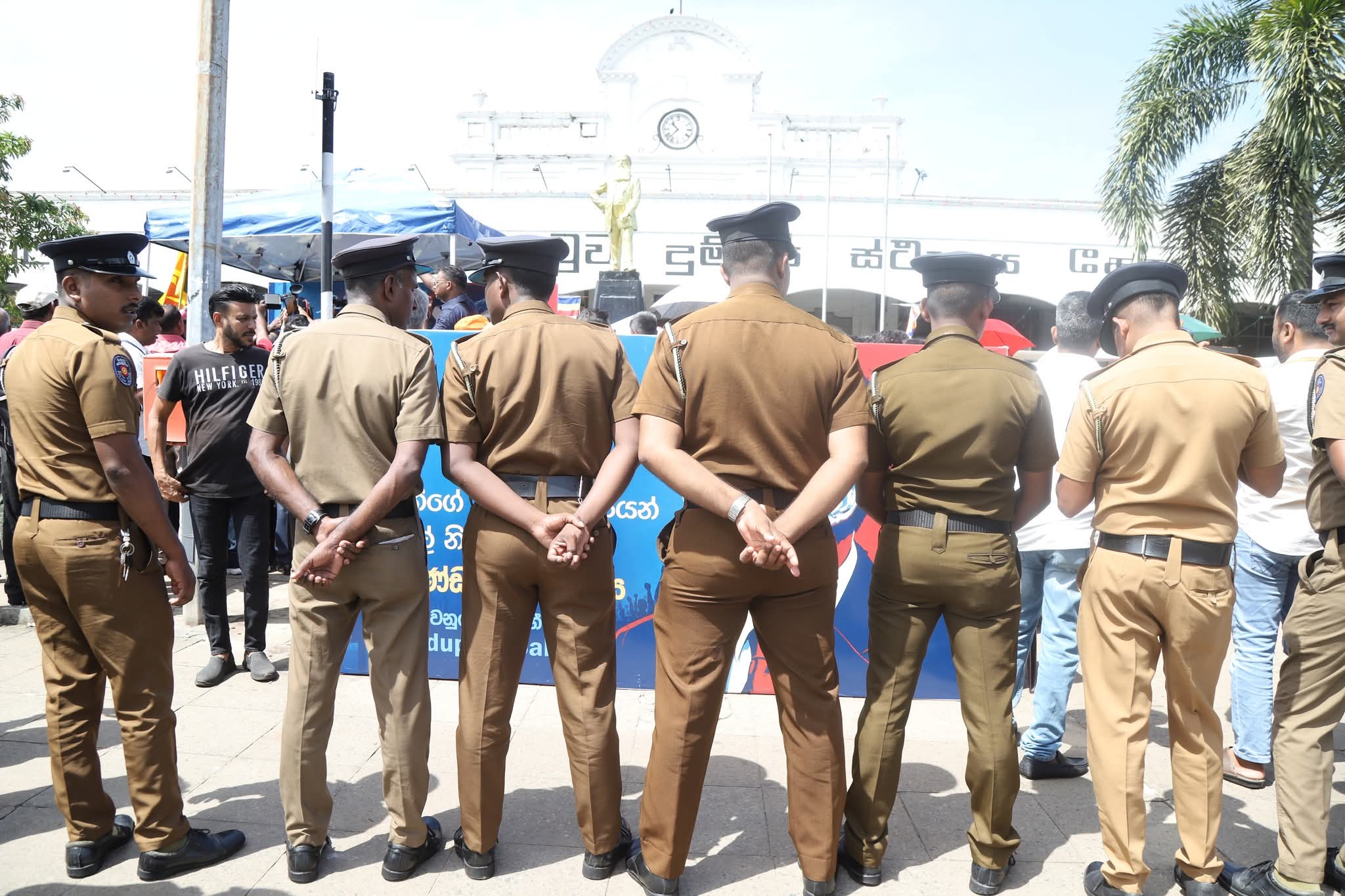
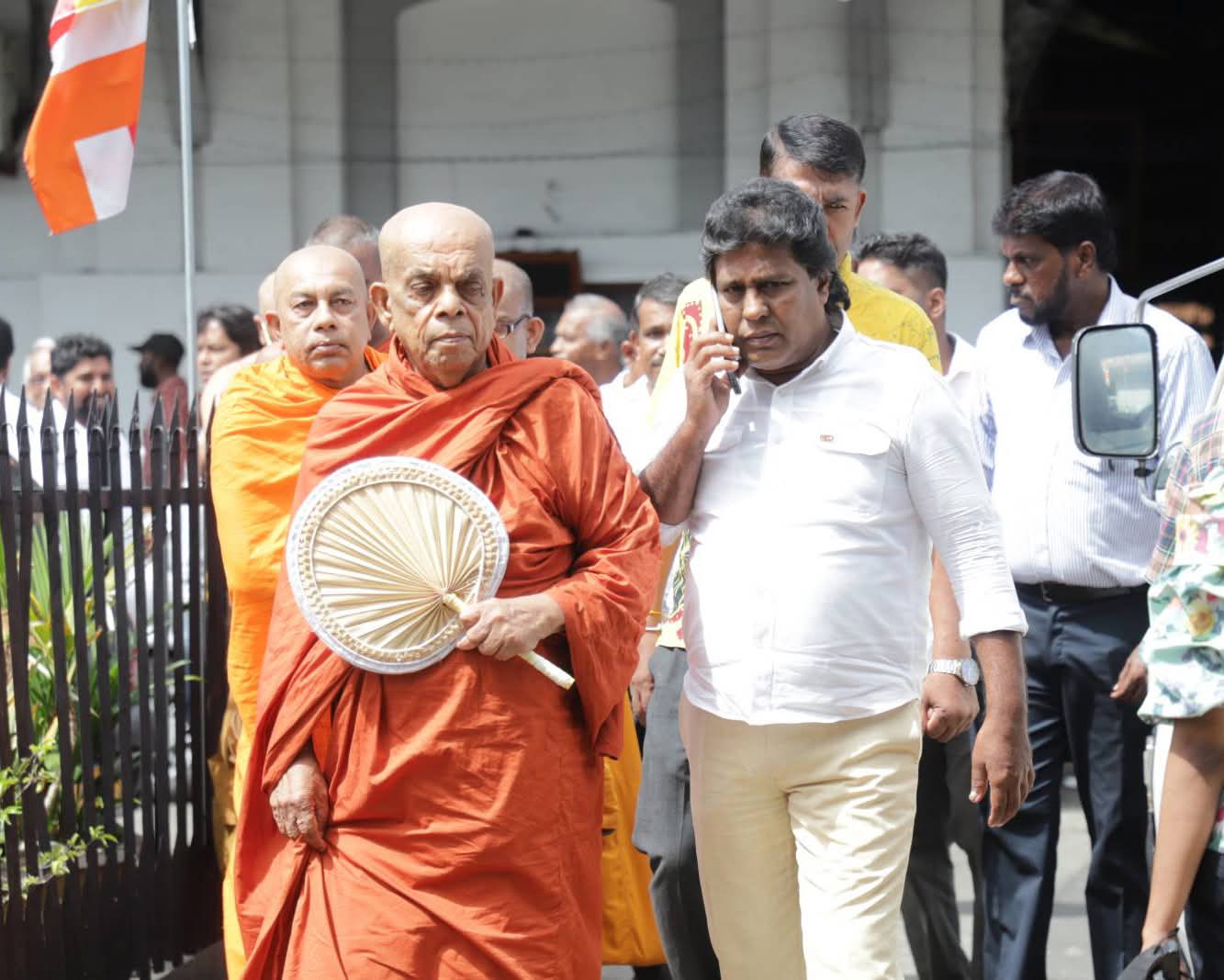
Sri Lankan opposition parties and Buddhist clergy launched an indefinite Satyagraha campaign in Colombo on Monday, demanding the release of former State Intelligence Service (SIS) Director Major General (Retired) Suresh Sallay, as controversy deepens over his detention in connection with investigations into the 2019 Easter Sunday bombings.
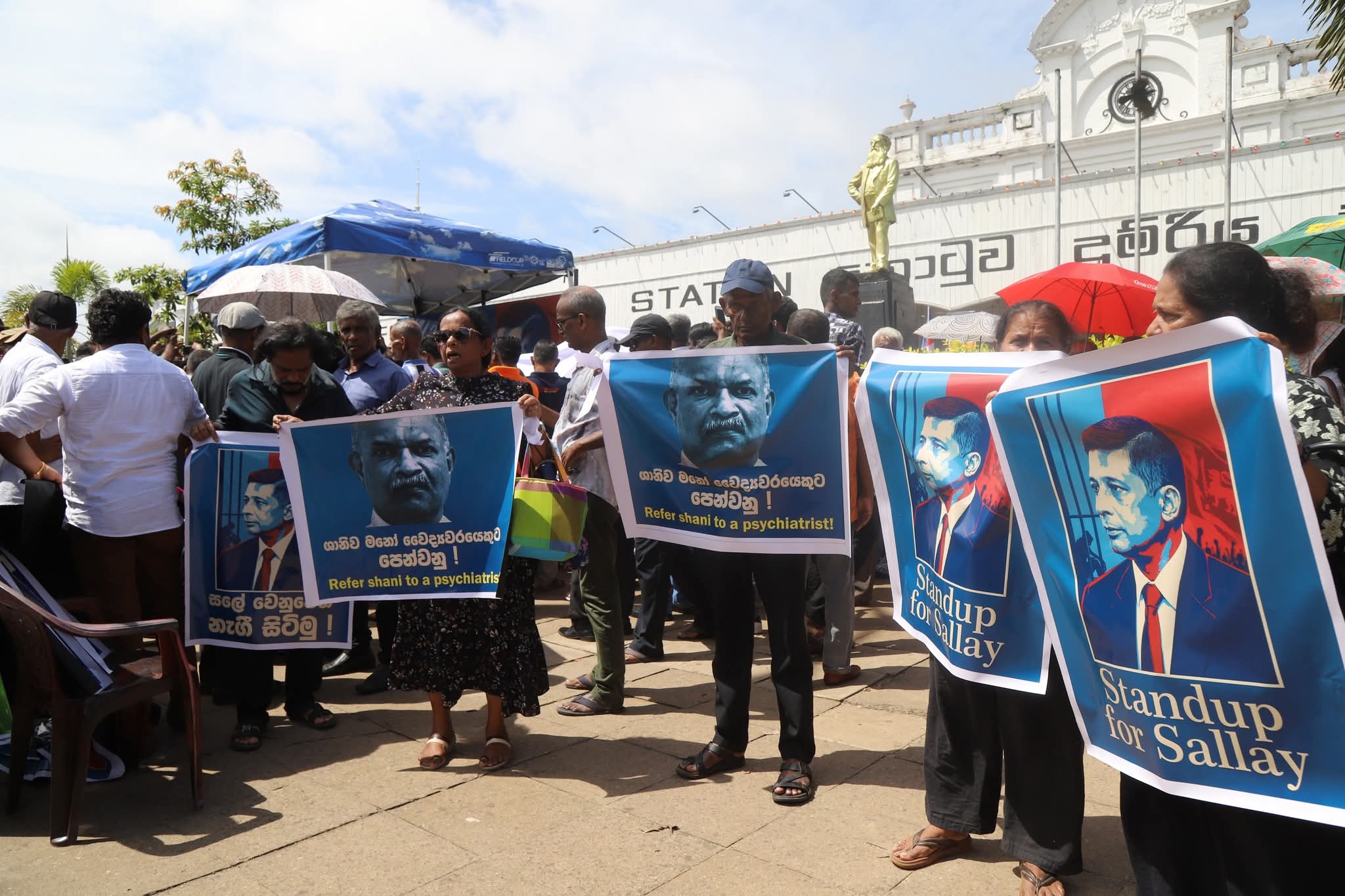
The protest, held outside Fort Railway Station, drew supporters from several opposition parties including the Sri Lanka Podujana Peramuna (SLPP), Sarvajana Balaya, the National Freedom Front and Pivithuru Hela Urumaya.
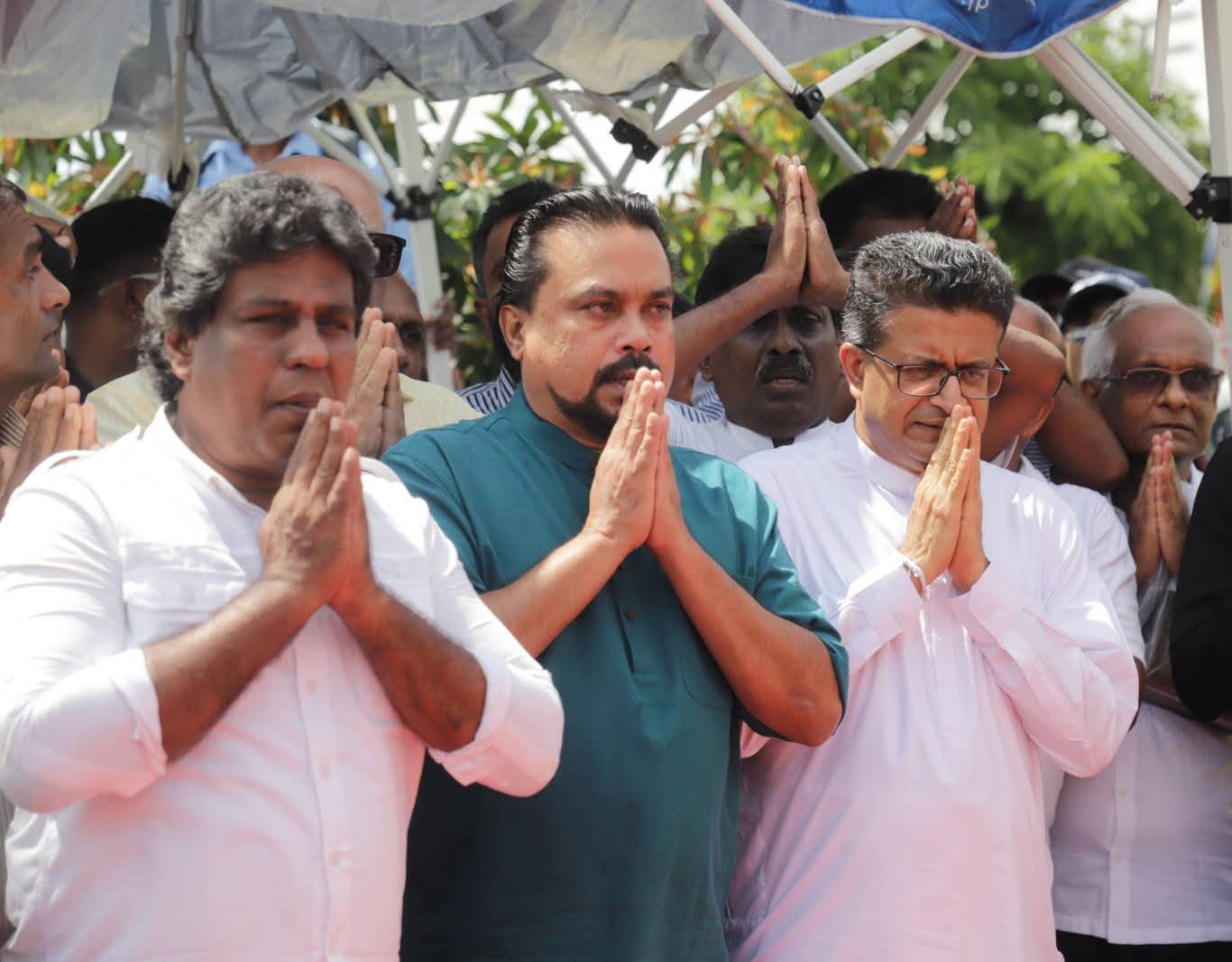
Former parliamentarians Wimal Weerawansa and Udaya Gammanpila joined the demonstration alongside Sinhala Buddhist monks and supporters of the former intelligence chief.
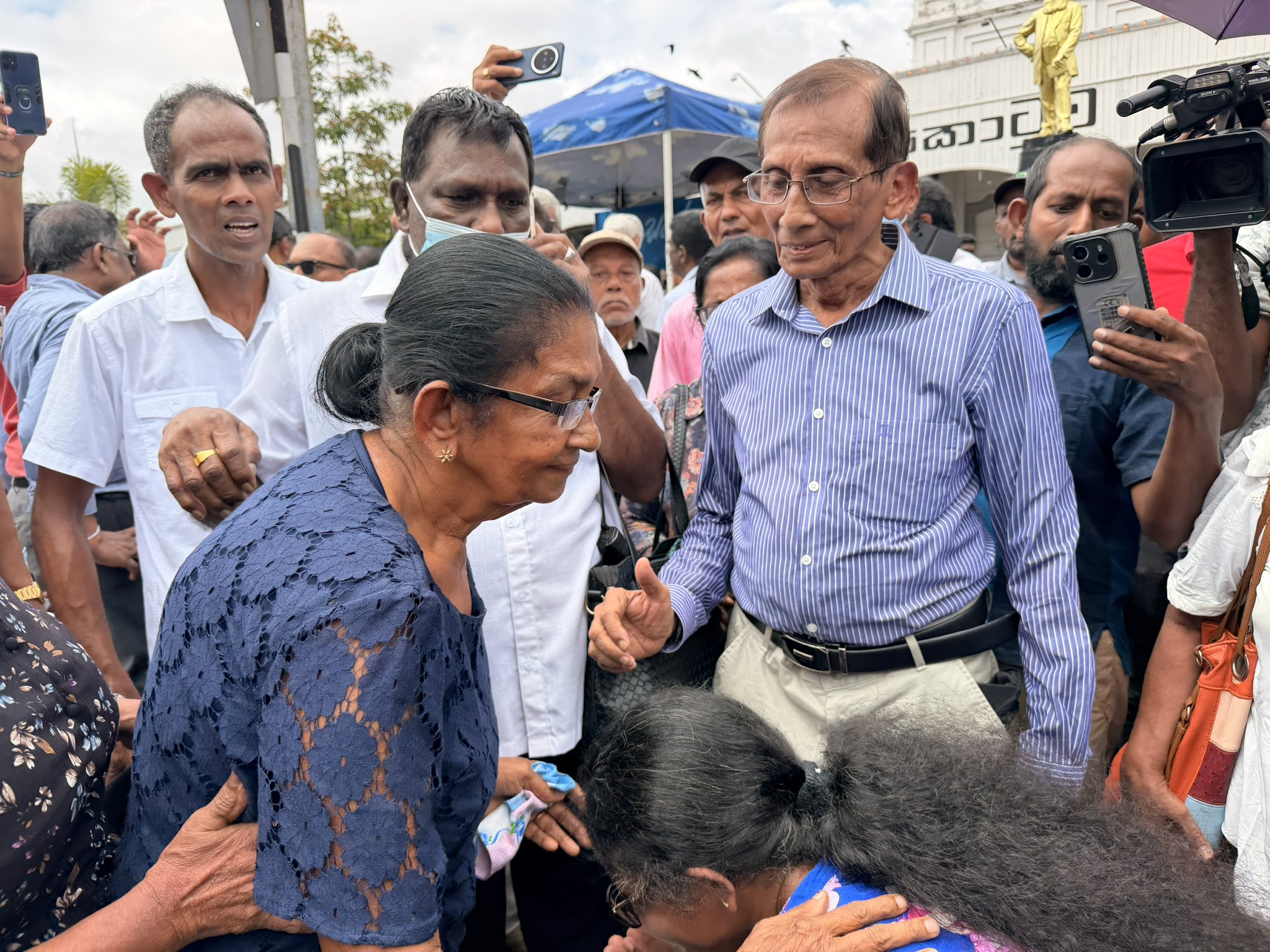
Sallay's mother also participated in the protest, where demonstrators accused the government of politically targeting the former SIS director and demanded his immediate release. "People can walk freely today because intelligence officers provided the information needed to protect this country," claimed his mother. “This is a sin that even God and the Buddha will not tolerate," she said.
The protest comes after Sallay was admitted to the Emergency Treatment Unit of the National Hospital in Colombo on Sunday night while remaining under the custody of the Criminal Investigation Department (CID).
According to local media reports, the hospitalisation followed concerns over his deteriorating health after he allegedly began a "fast unto death" whilst being held under a detention order.
Sallay was arrested by the CID on 25 February and remains in detention as investigations continue into the Easter Sunday bombings.
His family alleges that he commenced the hunger strike in protest against his treatment whilst in custody.
In a letter addressed to Inspector General of Police Priyantha Weerasooriya, Sallay's wife, Manori Sallay, called for an independent criminal investigation into what she described as torture, cruel, inhuman and degrading treatment, abuse of authority and denial of medical care.
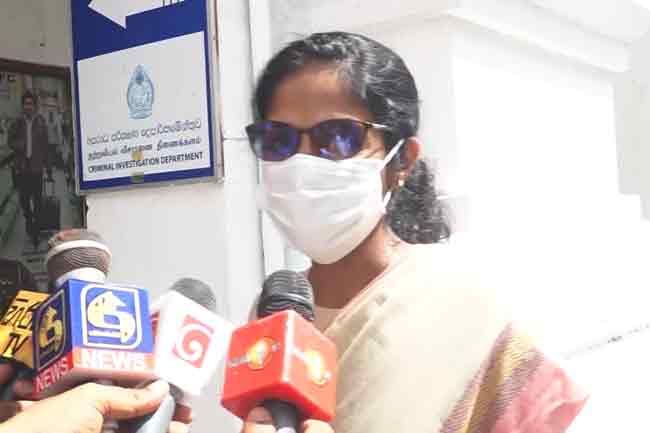
According to the complaint, Sallay informed family members during a visit that he had begun a "fast unto death" because he could no longer endure what he described as continuing mental distress, degrading treatment and systemic unfairness whilst in detention.
The letter further states that Sallay expressed confidence that legal proceedings would ultimately establish his innocence and instructed his lawyers to continue pursuing legal action even in the event of his death.
Family members who visited him reportedly observed visible signs of physical deterioration, including weakness, sunken eyes, parched lips and emotional distress.
Separately, attorney Asith Siriwardena wrote to CID Director SSP Shani Abeysekara requesting urgent medical intervention, claiming that Sallay's physical and psychological condition had significantly deteriorated.
According to the lawyer's letter, Sallay had become unable to walk without assistance from officers and was refusing food, water, medication and saline treatment.
The allegations emerged after Udaya Gammanpila publicly stated that Sallay had begun a hunger strike in protest against alleged mistreatment while in CID custody.
Authorities have not publicly commented on the allegations surrounding the reported hunger strike.
Sri Lanka Police have, however, rejected allegations of assault or inhumane treatment, maintaining that Sallay is being treated in accordance with the same legal procedures applicable to all detainees and that no special privileges or discriminatory treatment have been afforded to him.
Following his admission to hospital, security was tightened around the National Hospital premises, with officers from both the CID and the Special Task Force deployed in and around the facility.
The controversy has also drawn intervention from SLPP parliamentarian Namal Rajapaksa, who questioned the circumstances surrounding Sallay's detention and accused the government of applying different standards when using the Prevention of Terrorism Act.
In a statement published on X, Namal said reports concerning Sallay's treatment in custody were "deeply troubling".
“Sallay is not under a magistrate’s remand order but is detained under the PTA. What is striking is the silence of many of the very activists who spent years campaigning against the PTA. Their sudden silence now raises serious questions about consistency and principle,” he said.
Namal's intervention comes despite the fact that the Prevention of Terrorism Act was repeatedly defended and utilised by successive Rajapaksa administrations. The legislation has long been criticised by international human rights organisations and has overwhelmingly been used against Tamils, enabling prolonged detention without trial and facilitating widespread allegations of torture and abuse.
The detention of Sallay has become a politically sensitive issue as investigations into the Easter Sunday attacks increasingly draw figures associated with former president and accused war criminal Gotabaya Rajapaksa's administration into their ambit.
Sallay himself remains one of the most controversial figures in Sri Lanka's intelligence establishment. During his career he has repeatedly been linked to allegations of serious human rights abuses and information operations targeting Tamils. His name has also been associated with the coercion of Tamil doctor T. Varatharajah, who was pressured into retracting testimony regarding civilian casualties during the massacres at Mullivaikkal in 2009, when tens of thousands of Eelam Tamils were killed in what is increasingly recognised internationally as a genocide.
As opposition politicians rally behind the former intelligence chief, investigations into both the Easter Sunday attacks and the allegations surrounding his detention remain ongoing.