.jpg)
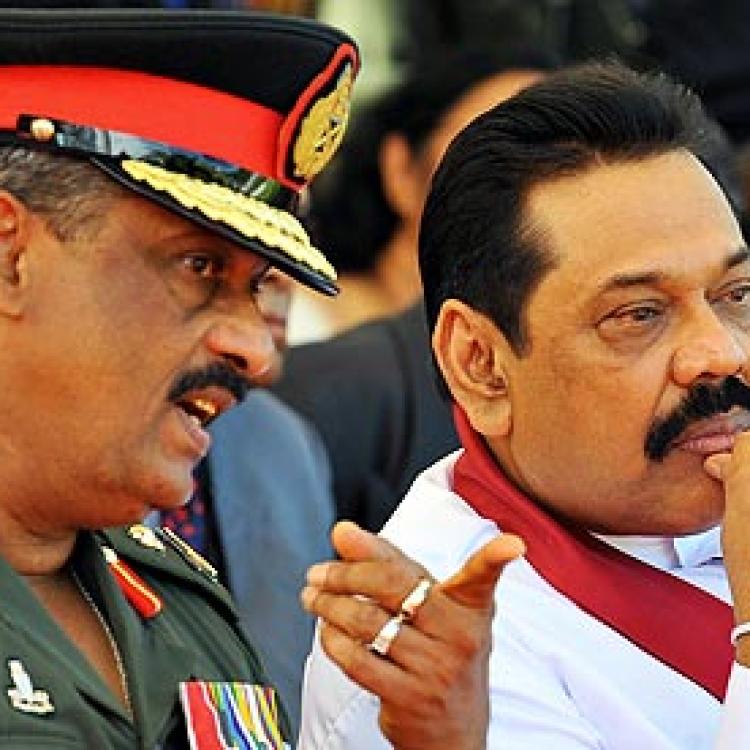
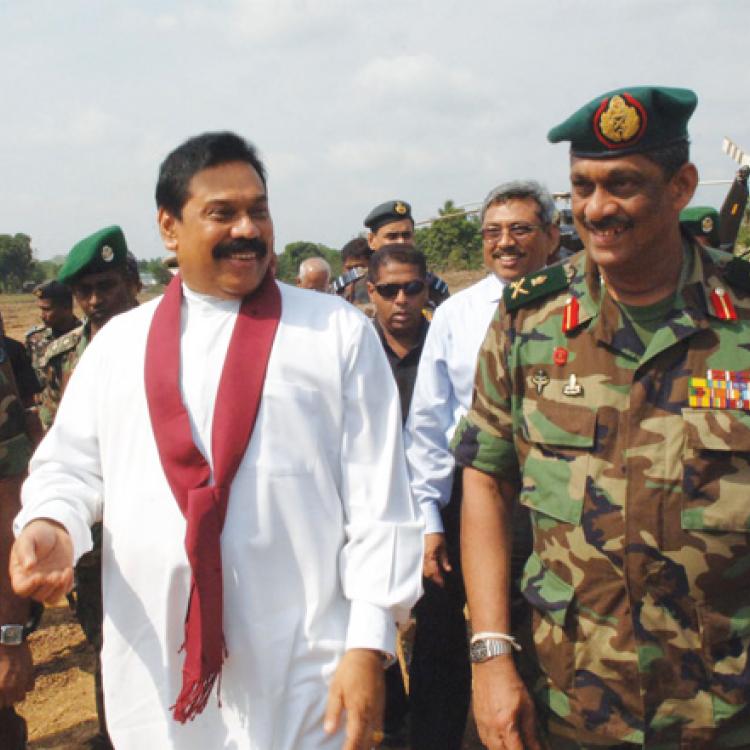
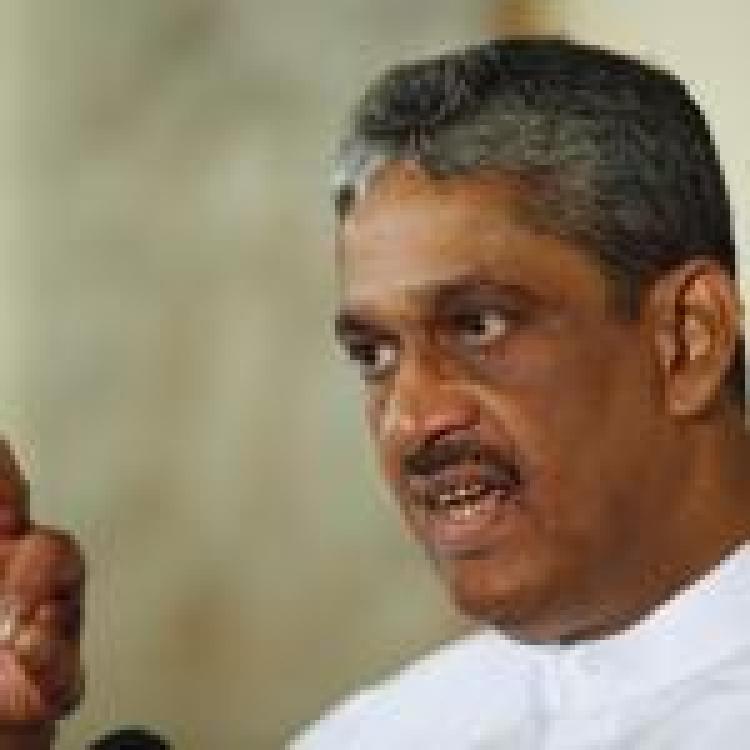
Sri Lankan Field Marshal Sarath Fonseka has called for former President Mahinda Rajapaksa to be arrested and executed, in remarks that stand in sharp contrast to his own unaddressed record of alleged war crimes against Tamils.
Speaking at an event in Colombo, Fonseka issued a direct warning to Sri Lankan president Anura Kumara Dissanayake's administration, stating that the NPP government could not credibly claim to have rebuilt the country unless Rajapaksa was brought to justice. He declared that the ultimate punishment for Rajapaksa should be execution by hanging, and argued that if the government wished, it could effect his arrest within 24 hours.
"Regardless of how much members of the current administration praise their own achievements," Fonseka said, Rajapaksa must be held accountable for his alleged crimes. He added that he would only fully acknowledge the legitimacy of the present government when it fulfilled its duty to the country and delivered justice to the people.
Fonseka served as Sri Lanka's army commander from 2005 to 2009 and is one of the principal architects of the final military offensive that culminated in the Mullivaikkal genocide. Under his command, the Sri Lankan military oversaw the indiscriminate shelling of hospitals, mass executions, and widespread sexual violence. UN data suggests that over 70,000 Tamils were killed during the final months of the conflict, while local census records indicate that at least 146,679 people are unaccounted for and are presumed dead. These crimes are being increasingly recognised as a genocide.
In 2011, Fonseka admitted that LTTE cadres who had surrendered were summarily executed under the orders of Gotabaya Rajapaksa, then acting defence secretary. He later recanted the statement, claiming he had been misquoted.
His subsequent public statements have done little to suggest genuine accountability. When international pressure over war crimes mounted, Fonseka declared that "no government will betray our forces" and dismissed the relevance of elected Tamil representatives, arguing that "not many votes could be gathered from the North." He dismissed war crimes figures as "grossly exaggerated," asking: "If 40,000 civilians were killed, where are their human remains and skeletons?" He has also defended fellow accused war criminal Shavendra Silva, insisting that "no murders, human rights violations, custodial deaths, or abuse of power took place during the war."
More recently, Fonseka claimed responsibility for ensuring that LTTE leaders were not permitted to surrender through international mediation in May 2009, alleging that the Rajapaksa administration had sought a negotiated end to the war and that he had ensured the offensive continued to its conclusion.
Tamil organisations and international human rights groups have long called for an independent international investigation into the final phase of the armed conflict. Despite repeated calls for accountability, no senior military or political figures in Sri Lanka have been prosecuted. Fonseka has never faced proceedings in relation to the crimes committed under his command.