
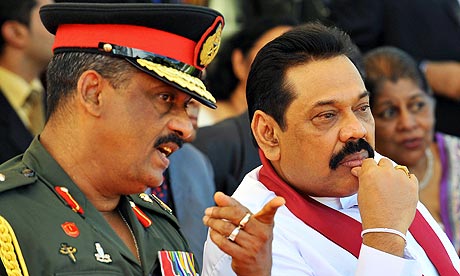
Accused war criminal Sarath Fonseka has reignited controversy over the final days of the armed conflict, alleging that senior figures within the Rajapaksa administration explored the possibility of allowing senior LTTE leaders to surrender through international mediation in May 2009.
Addressing a media briefing this week, Fonseka said that former president Mahinda Rajapaksa, along with Gotabaya Rajapaksa and Basil Rajapaksa, held discussions on 17 May 2009 with representatives of the International Committee of the Red Cross and Amnesty International about a potential surrender arrangement.
He released what he described as a video of a telephone conversation from that evening, which he said referenced discussions between then Defence Secretary Gotabaya Rajapaksa and senior military commanders, including Shavendra Silva, regarding surrender arrangements for LTTE leaders.
Fonseka stated that he had not been informed of these discussions at the time. He said that although he was in China on the day in question, he remained in operational command of the war effort.
He further claimed that the LTTE leadership had sought to surrender to a third party rather than directly to the Sri Lankan military, and that the Rajapaksa administration had objected to this proposal, insisting that any surrender be made to the army.
According to Fonseka, by the final days of the conflict LTTE leaders had been confined to an area of approximately 400 metres near Nandikadal lagoon and were aware that they faced imminent death. He alleged that the Sri Lankan military had intended to eliminate the LTTE leadership entirely and had not sought to facilitate their survival.
Fonseka also claimed that if LTTE leader Velupillai Prabhakaran and others had been allowed to surrender and survive, they could have gone on to play a political role in the North-East. He asserted that the war ended with the total destruction of the LTTE after the group refused to surrender under the terms demanded by the Sri Lankan military.
The former army commander further alleged that the journalist who recorded the video he released had fled the country after facing threats to his life.
Fonseka’s claims have once again drawn attention to longstanding allegations surrounding the fate of LTTE political leaders who attempted to surrender in the final hours of the Mullivaikkal genocide.
Senior LTTE political figures including S. Puleedevan and Nadesan were in contact with Sri Lankan officials and intermediaries in the final days of the conflict and were reportedly assured that they would not be harmed if they surrendered.
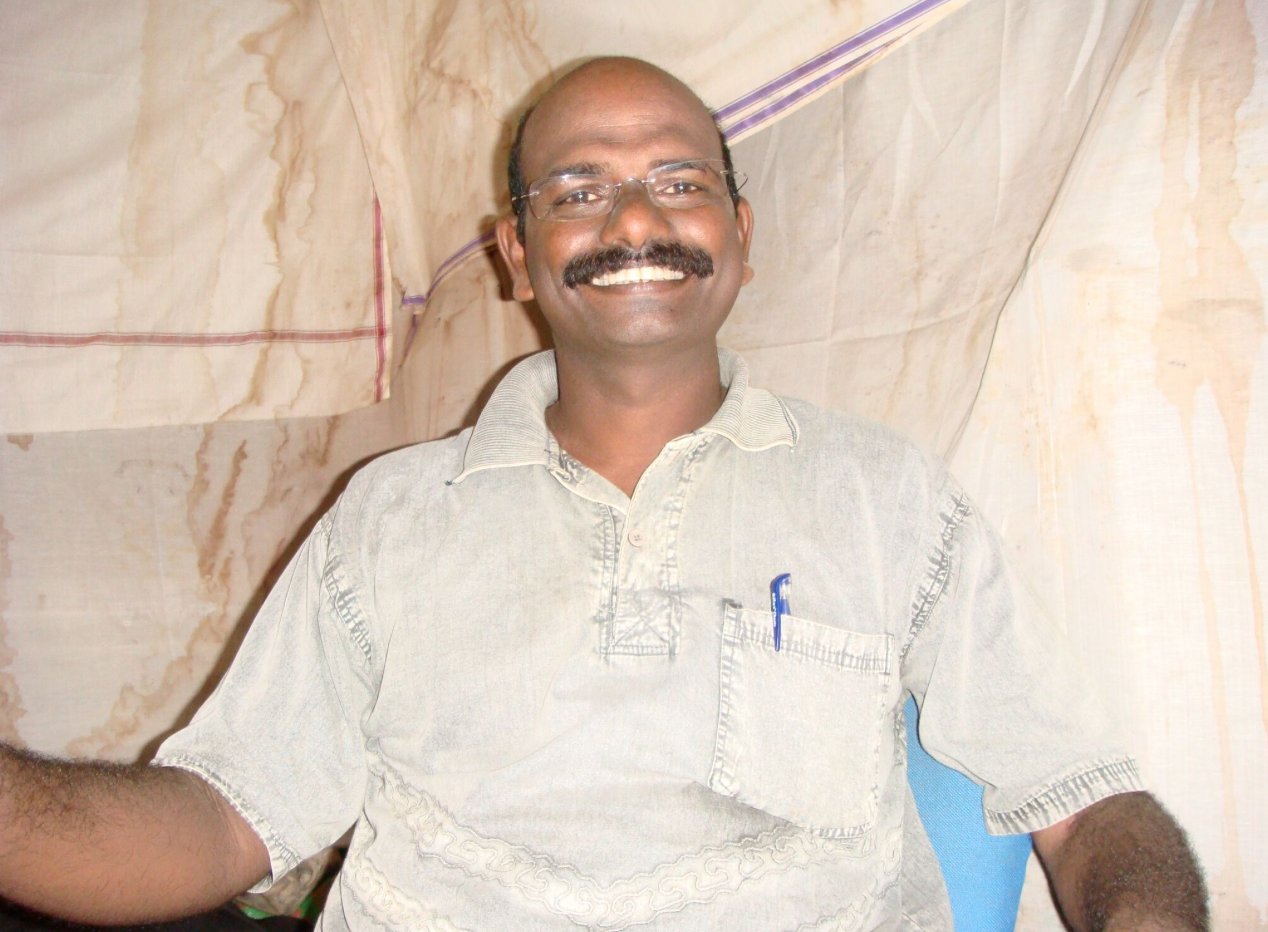
Photograph: LTTE political leader Pulidevan pictured inside Mullivaikkal. This is the last known photograph of him alive.
LTTE leaders, injured cadres and their families, were instructed to approach Sri Lankan military lines carrying white flags and surrender unarmed. Individuals who surrendered or attempted to surrender were later killed or disappeared after coming into Sri Lankan custody .
Survivor testimonies describe groups crossing towards Sri Lankan military positions carrying white flags and being taken into custody before later being killed or disappearing.
Photographs and witness accounts have since been used to support allegations that several of those who surrendered were executed in violation of international law.
See accounts from the day, as told by ITJP, below. See more on their website here.
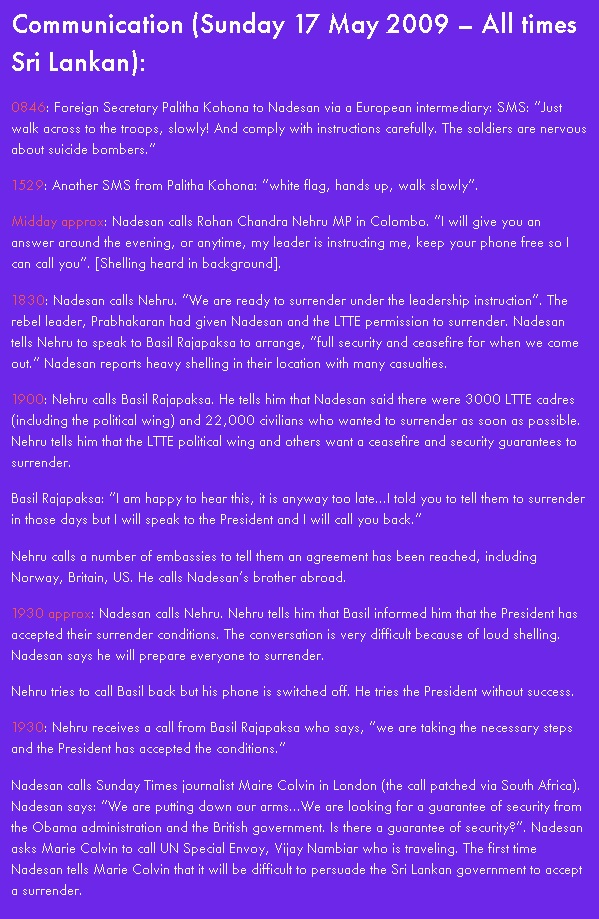
Fonseka’s latest remarks seem to claim responsibility for the execution of surrounding LTTE leaders and cadres.
Tamil organisations and international human rights groups have long called for an independent international investigation into the final phase of the armed conflict, with several UN reports acknowledging mass atrocities and serious violations of international law. The events are being increasingly recognised as a genocide.
Despite repeated calls for accountability, no senior military or political figures in Sri Lanka have been prosecuted.