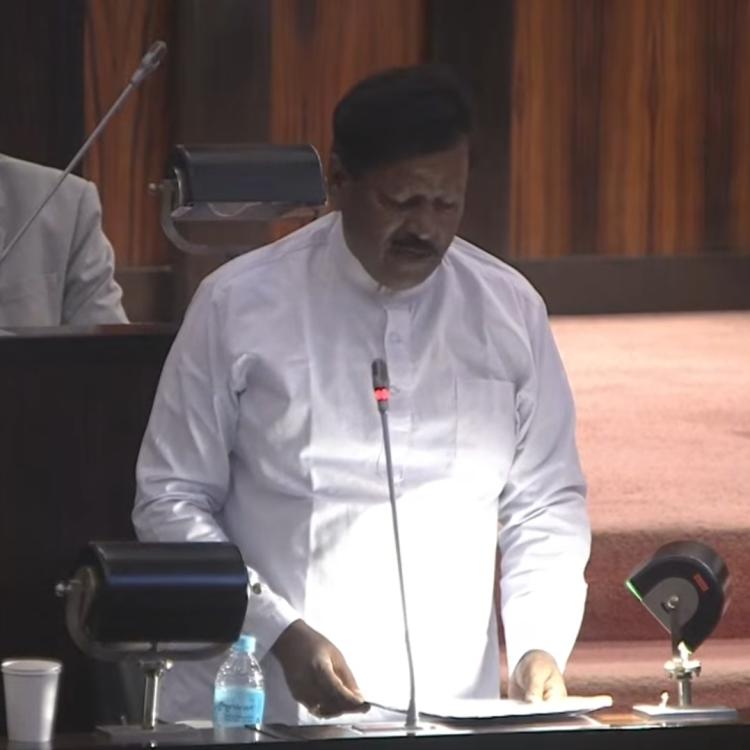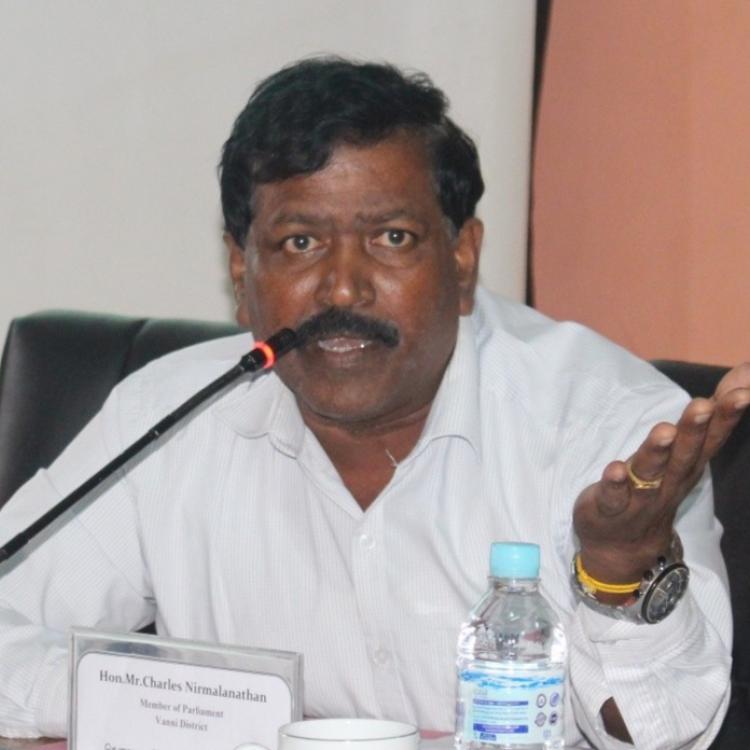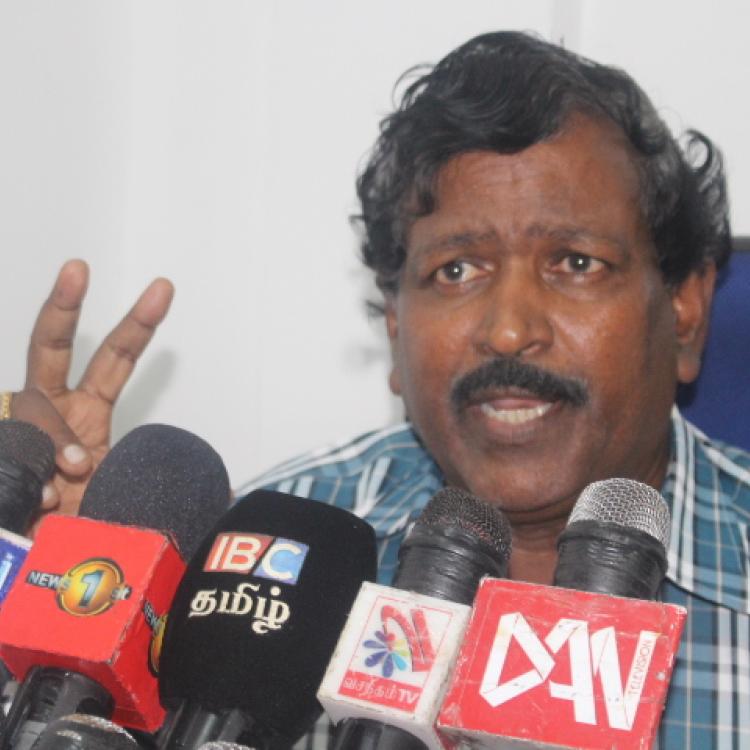
Mullaitivu parliamentarian Thurairajha Ravikaran has raised the continued occupation of 55 Tamil civilian-owned lands in Kepapilavu with Sri Lankan president Anura Kumara Dissanayake, as residents reject claims that most families have agreed to accept alternative land.
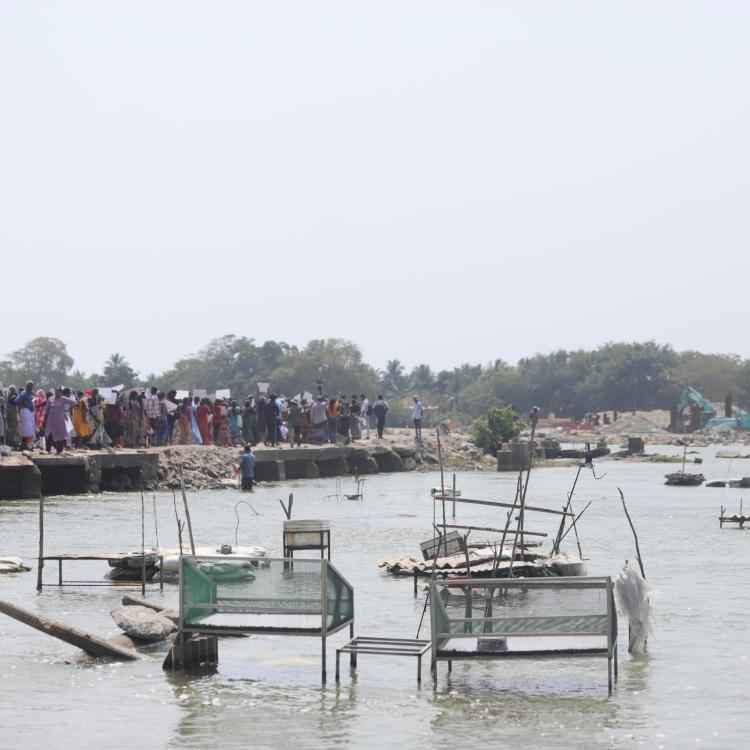
The lands, located in Mullaitivu’s Kepapilavu area, remain under Sri Lankan military occupation despite years of protests by displaced Tamil families demanding the return of their homes and properties.
Ravikaran wrote to Dissanayake on 14 January 2026, calling for the release of the 55 civilian-owned lands still held by the Sri Lankan military.
Following that letter, the Sri Lankan Presidential Secretariat forwarded a communication on 11 March 2026 to the Secretary of Defence, with a copy sent to Ravikaran, seeking clarification on the matter. The correspondence was issued under reference number PS/DA/SAD/06/41-Vol.01.
On 19 May 2026, the Senior Assistant Secretary to the Sri Lankan President issued a further response to Ravikaran, setting out the government’s position on the land issue and the Sri Lankan military’s stated objections to relocation.
According to the letter, of the 55 landowners in Kepapilavu, 44 individuals have reportedly agreed to accept alternative lands.
It further states that those families have already been provided with 40-perch plots, housing and school facilities in the Kepapilavu model village established by the Sri Lankan government.
The letter states that the remaining 11 landowners, who have not agreed to accept alternative land, housing or compensation based on government valuation, have been allocated 6.75 acres from the final portion of the camp land.
It also proposes that houses be constructed for them with the assistance of the Sri Lankan military workforce.
The correspondence further claims that existing structures inside the military camp are valued at more than Rs. 538 million and that relocating the camp would involve significant costs.
It also states that, according to the Army Commander, the land is strategically important for maintaining security in the Nanthikadal lagoon area and for sustaining Sri Lankan military communication systems.
The letter indicates that feasibility discussions will be held through the Karaithuraipattu Divisional Secretary regarding the allocation of 6.75 acres for the remaining 11 families and the construction of houses with Sri Lankan military assistance. It adds that coordination and instructions will be issued to relevant institutions to proceed with the next steps.
However, Kepapilavu community representatives have rejected the claim that 44 families agreed to accept alternative land.
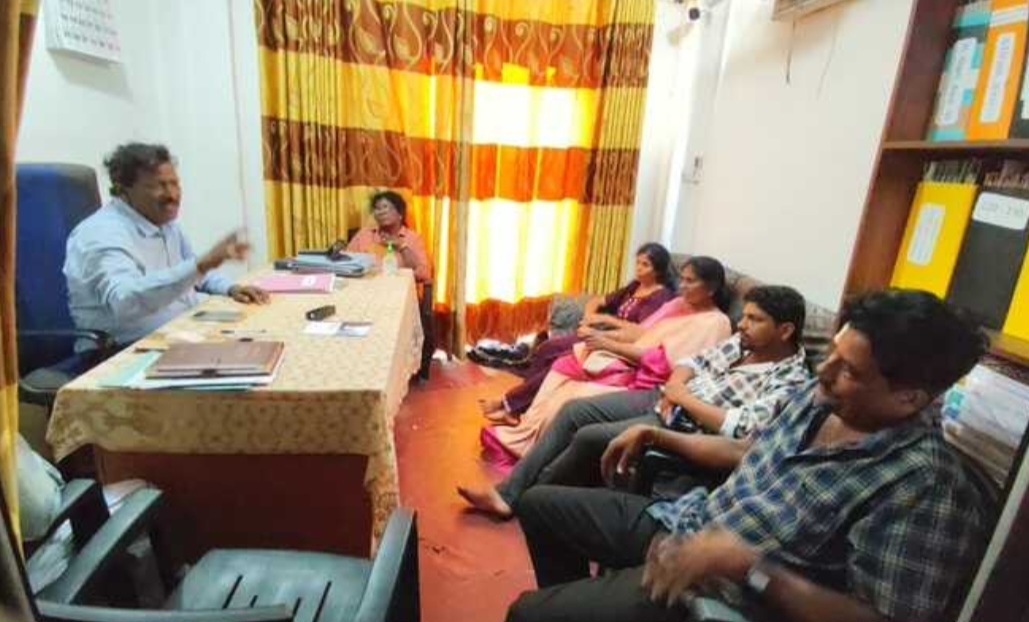
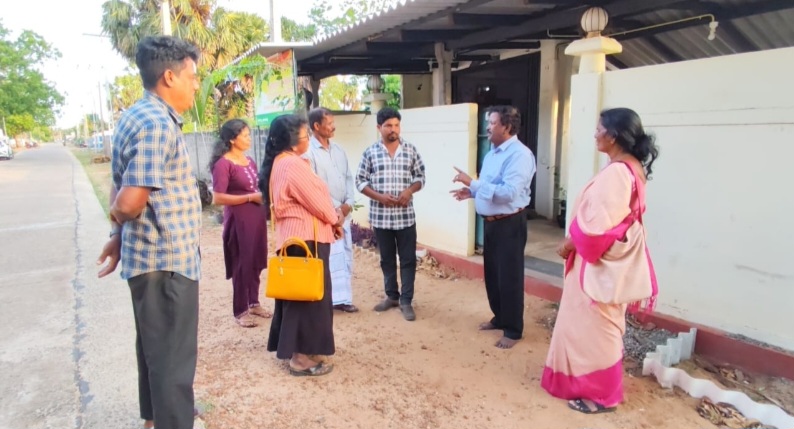
Ravikaran met with representatives of the Kepapilavu community at his public liaison office in Kallappadu, Mullaitivu, on Thursday 28 May 2026 to brief them on the correspondence from the Sri Lankan president’s office.
During the meeting, residents reiterated that their collective demand remains the full release of all 55 lands occupied by the Sri Lankan military. They also requested an opportunity to present their position at the upcoming Mullaitivu District Development Coordination Committee meeting scheduled for the 3rd of next month.
The residents urged Ravikaran to continue raising the issue in parliament, stressing that the long-running dispute over the release of Kepapilavu lands remains unresolved.
Kepapilavu has been one of the most prominent sites of Tamil civilian resistance to land occupation in the North-East.
For years, displaced families have protested against the Sri Lankan military’s continued control over their private lands, arguing that the use of civilian property for military camps cannot be justified more than 17 years after the end of the armed conflict.
The Sri Lankan state has repeatedly cited security concerns to retain land across the Tamil homeland, even as landowners have accused the military of entrenching itself through permanent camps, commercial activity and state-backed settlement patterns.
In Mullaitivu, where the final months of the armed conflict saw tens of thousands of Tamils killed in what is increasingly recognised as a genocide, the continued occupation of civilian land remains central to Tamil concerns over militarisation, displacement and the denial of the right to return.
The latest correspondence from the Sri Lankan president’s office has further angered residents, who say the issue cannot be resolved through partial allocations, alternative plots or military-built housing.