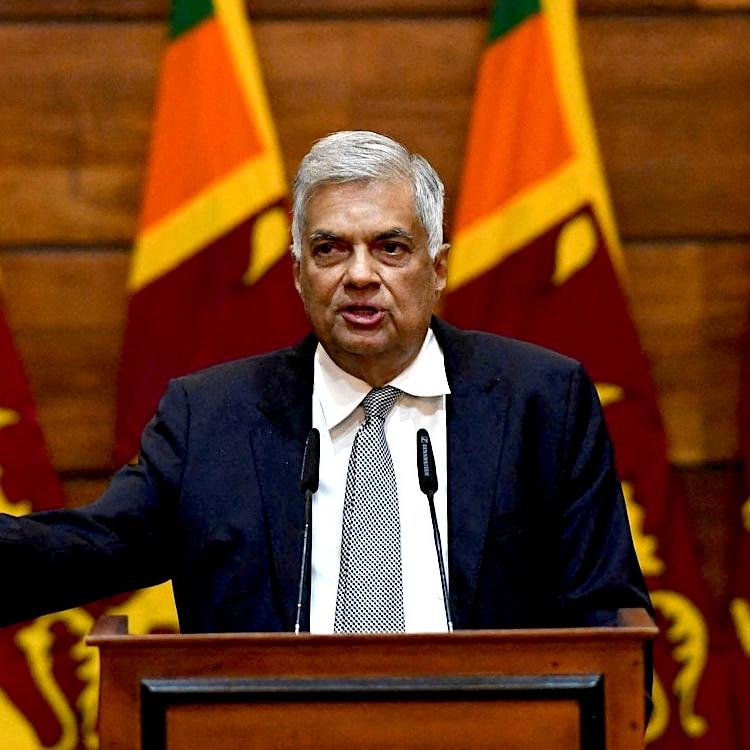
Former President Ranil Wickremesinghe has stated that rulers of Sri Lanka are obligated to safeguard Buddhism and that neglecting the priority status granted to Buddhism in the constitution represents a "violation of the country's supreme law".
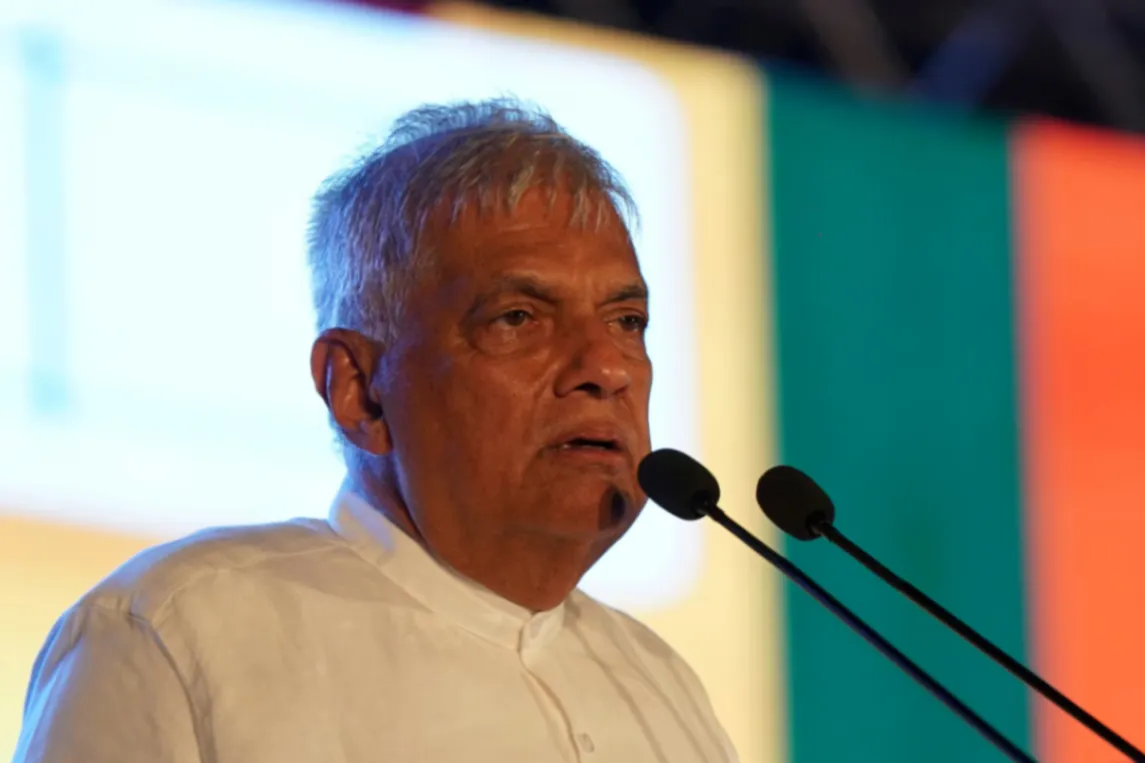
The former President made these remarks, speaking at a ceremony in Neluwa held to confer a title upon Pelawatte Chandima Thera.
Wickremesinghe noted that even during periods of foreign rule, measures were taken to safeguard Buddhism, and therefore current rulers cannot absolve themselves of this responsibility.
He asserted that political parties are registered under the premise of defending the constitution and have a duty to join the clergy in its protection.
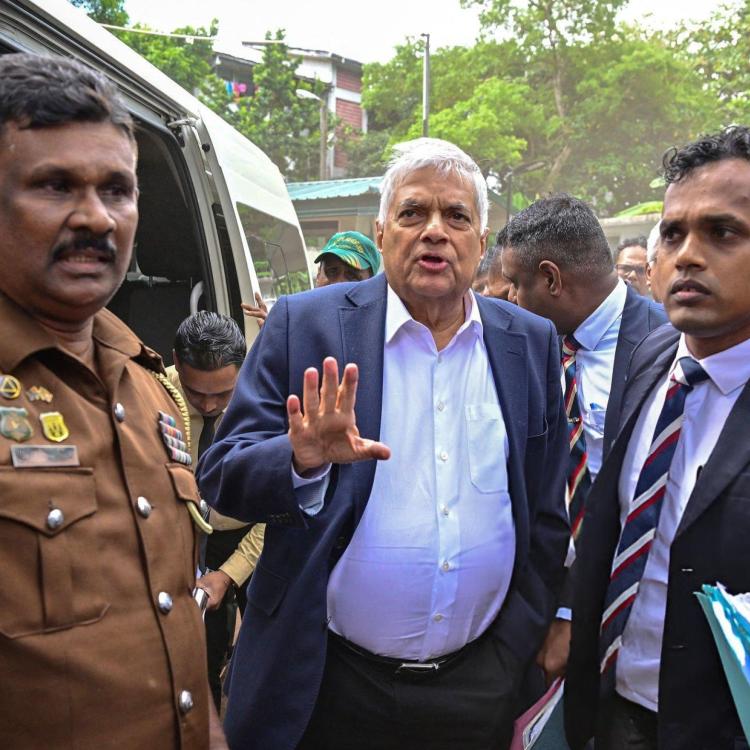
Last year, Wickremesinghe was arrested. The arrest is linked to allegations that Wickremesinghe misused state funds to cover expenses for a private visit to London during his presidency, where he attended a university graduation ceremony of his wife, Professor Maithree Wickremesinghe.
During his tenure as president, Wickremesinghe has consistently upheld the Sinhala Buddhist nature of the Sri Lankan state, pledging that any constitution for the island would ensure Buddhism continues to hold the “foremost” place and denying there would be any federal solution to the ethnic conflict.
Public scrutiny of Wickremesinghe’s long and controversial political history, including his alleged involvement in the Batalanda torture complex during the 1980s and 1990s. A Presidential Commission of Inquiry appointed in 1995 accused Wickremesinghe, then a senior minister, of having knowledge of and alleged administrative responsibility over the Batalanda housing scheme, which was used as a covert detention and torture site targeting members of the Janatha Vimukthi Peramuna (JVP). Though no criminal charges were ultimately brought against him, the Commission recommended that he be stripped of his civic rights - a recommendation that was never implemented.
Wickremesinghe has also consistently stated his opposition to any international accountability mechanism for violations of international humanitarian law, even claiming that his government’s ability to postpone UN resolutions “saved Mahinda Rajapaksa from the electric chair”. He also claimed to have saved members of the government from being hauled before the International Criminal Court.
"We will never accept an international war crimes tribunal," he told Sri Lanka's parliament in 2016. "I never approved the Rome Statute. Sovereignty lies with the people according to our Constitution."