.JPG)
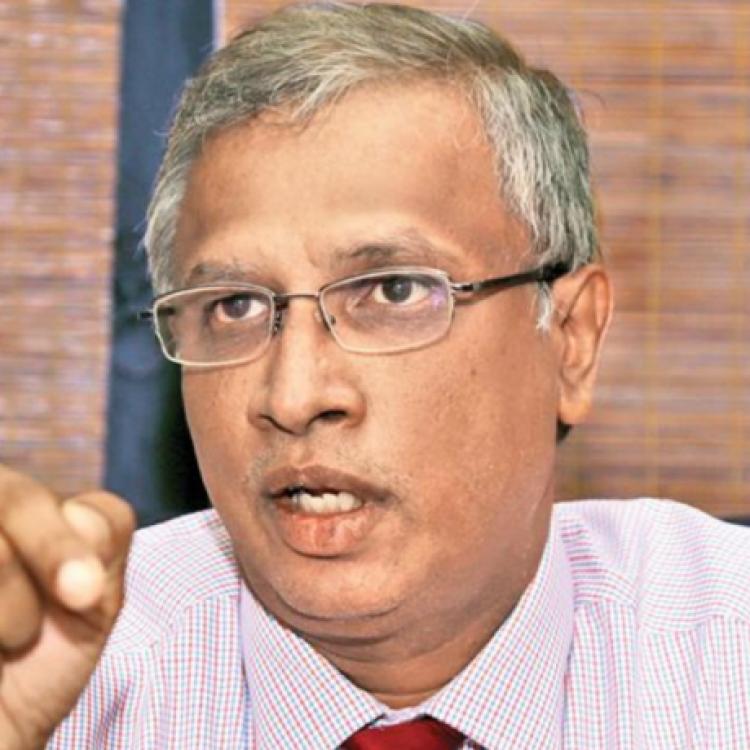
File photograph: Premadasa in 2019, receiving an award from Buddhist monks.
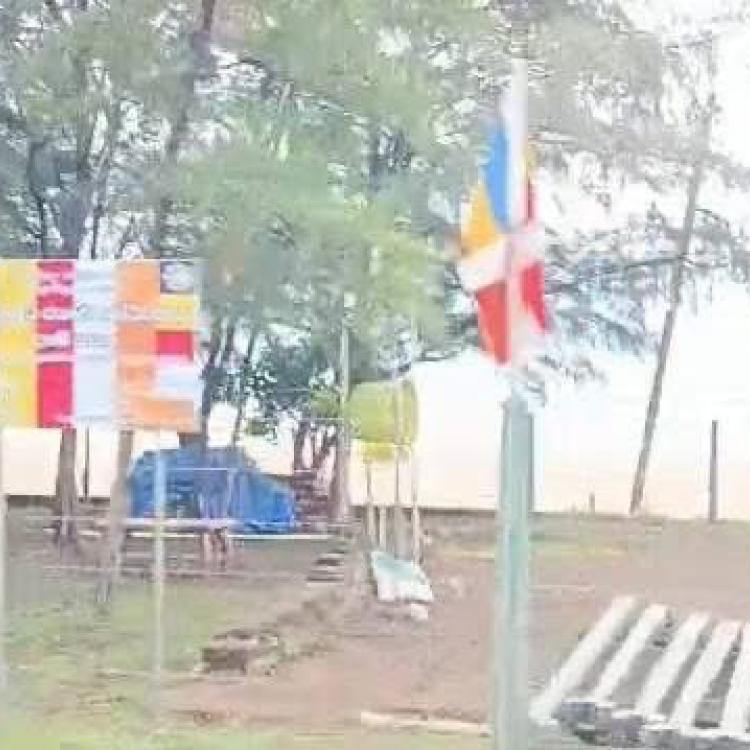
Sri Lanka’s Opposition Leader Sajith Premadasa has openly backed Sinhala Buddhist monks involved in the illegal construction of a shrine on Trincomalee beach, sharply criticising police intervention.
Premadasa told Parliament that the monks at the Sri Sambuddha Jayanthi Bodhiraja Vihara had every right to continue their “development activities”, insisting that any dispute over the Buddha statue or the Dhamma school “must be resolved through dialogue with the three Chief Prelates”, rather than through police action.
The remarks come amid growing outrage across the Tamil homeland after Sri Lanka’s Public Security Minister Ananda Wijepala admitted that police removed the illegally installed statue only due to a “potential threat of vandalism” and would now provide protection for the shrine, despite the absence of any approval and an existing court order prohibiting construction on the beach.
Premadasa claimed the temple, established in 1951 and registered with the Department of Buddhist Affairs, is a legally recognised place of worship. He accused the government of violating constitutional guarantees that accord Buddhism a “foremost place”.
“Sending police to disrupt development activities is unacceptable,” he told Parliament. “Under whose authority were such orders issued? If the government does not understand the supreme law of the land, it should read it again.”
He also accused the government of mishandling the situation and criticised the Speaker for blocking MP Dayasiri Jayasekara from raising concerns, calling it an attack on democratic rights.
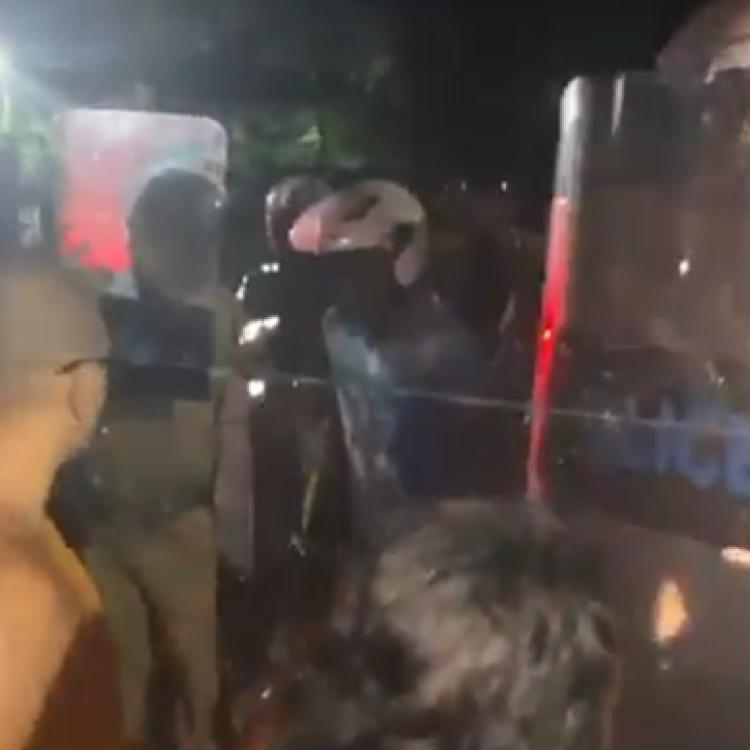
Wijepala’s claim that the statue was removed only to protect it drew ridicule even from Sinhala MPs, including Namal Rajapaksa, who asked in Parliament, “Was hitting the monks also for the statue’s protection? Watch the videos.”
Rajapaksa accused the government of weaponising the incident to stir up Sinhala nationalist sentiment ahead of Provincial Council elections.
Illegal construction on protected land
The shrine sits on land overseen by the Coastal Conservation Department, which had already filed complaints about unauthorised activity in the area. According to police statements, the site is also under a court order prohibiting development.
Tamil political leaders have condemned what they describe as yet another example of state-enabled Sinhalisation.
For decades, Sinhala Buddhist monks have wielded significant influence over successive governments. Since the end of the armed conflict, state bodies such as the Archaeology Department and the Forestry Department have been deployed to claim land across the Tamil homeland, often declaring new “Buddhist heritage sites” overnight.
The Trincomalee incident fits squarely within that trend, with the government’s latest U-turn reinforcing to many Tamils that Sinhala Buddhist nationalism remains entrenched regardless of which party is in power.