
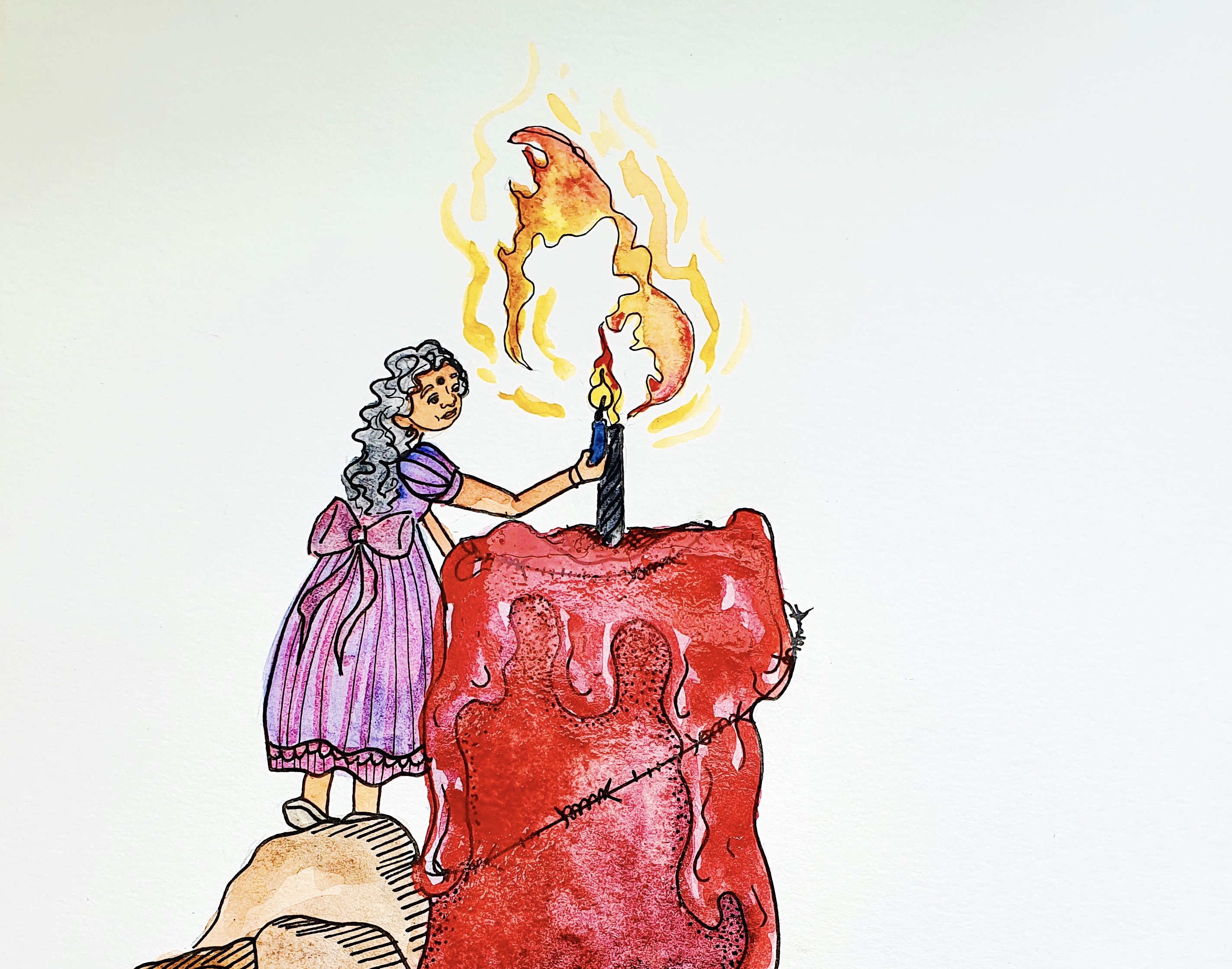
This week across the Tamil homeland preparations have begun as the nation readies itself to mark Maaveerar Naal – Great Heroes Day. For Eelam Tamils this is more than just a day of remembrance. It is a moment that brings together a nation that has suffered war, destruction, and occupation, yet continues to endure. For decades, the Sri Lankan state has tried to stifle it. Sixteen years since the death of the last Tamil liberation fighter, such repression must end.
Among a calendar marked by massacres and mourning, November 27 holds a sacred place. It commemorates the death of the first cadre of the Liberation Tigers of Tamil Eelam (LTTE), marking a decisive juncture in the long struggle for self-determination. Like days of remembrance in other nations across the globe, it is a time to reflect on the sacrifice made for its freedoms. Yet, unlike those commemorations, this one takes place under intense surveillance.
For too long remembrance was forced to take place in secrecy. Mothers wept behind closed doors, shielding photographs from prying soldiers. Even the flicker of a flame invited raids and arrests. It was a deliberate tactic from an arrogant and triumphant Sri Lankan state to erase a people and their history. In recent years however, through sheer determination and defiance, Tamils have bravely ventured out to hold larger, more public commemoration events.
Last year, despite a cyclone and ongoing military surveillance, thousands across the North-East gathered at destroyed ‘thuyilum illam’ sites – the resting places of Tamil fighters – to honour their dead. At sites where graves had been bulldozed and monuments levelled, families laid flowers and lit lamps once more, carrying out rituals that have been etched into the national consciousness.
Even then, under what was a newly elected Sri Lankan regime, state restrictions persisted. Organisers were summoned by security forces and a minister warned that displays of photographs or symbols associated with the liberation struggle would face repercussions. That cannot be allowed to happen again this year.
Remembrance cannot be dictated by the state. Every nation has the right to honour its fallen. The Tamil nation is no exception. And it must be free to do so how it sees fit. Around the world, in cities from London to Sydney, Maaveerar Naal ceremonies take place openly and without restriction. The garlanding of photographs and display of the Tamil Eelam national flag are routine, grounded in tradition and history. In the very soil where these martyrs lay, there can be no covering up of who they are, how they were killed, or what they died for. That is not freedom.
As preparations for this year’s Maaveerar Naal continue, one demand in particular remains central: the cemeteries where Tamil fighters lie must be released from military occupation. These grounds have already seen tombs desecrated, razed to the ground by tanks, and then built over with army camps. It is intolerable that soldiers with boots still march across the graves of men and women who gave their lives for their people. The return of these sites is essential – not just for remembrance, but for dignity. If the government of Anura Kumara Dissanayake is sincere about reform, it must begin with this simple act of decency.
It has been more than a year since, Sri Lanka’s president pledged to usher in an era of openness and reform. Having staged two insurrections themselves, every year his Janatha Vimukthi Peramuna (JVP) openly commemorates their fallen cadres in massive parades with all the fanfare and paraphernalia they desire with no interference or intimidation from the state. The current regime should therefore understand the significant of such events.
The Tamil people deserve no less.
______
Illustration by Keera Ratnam.