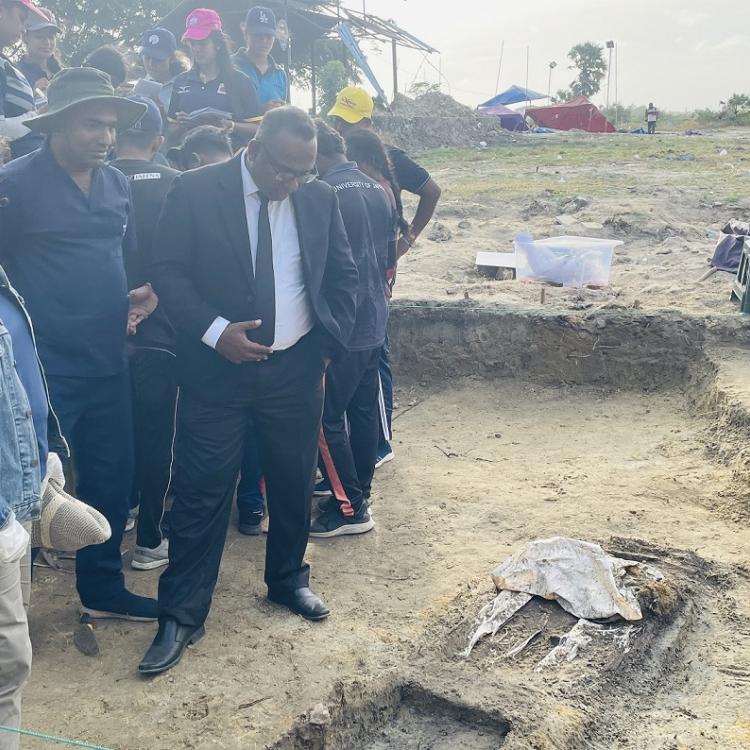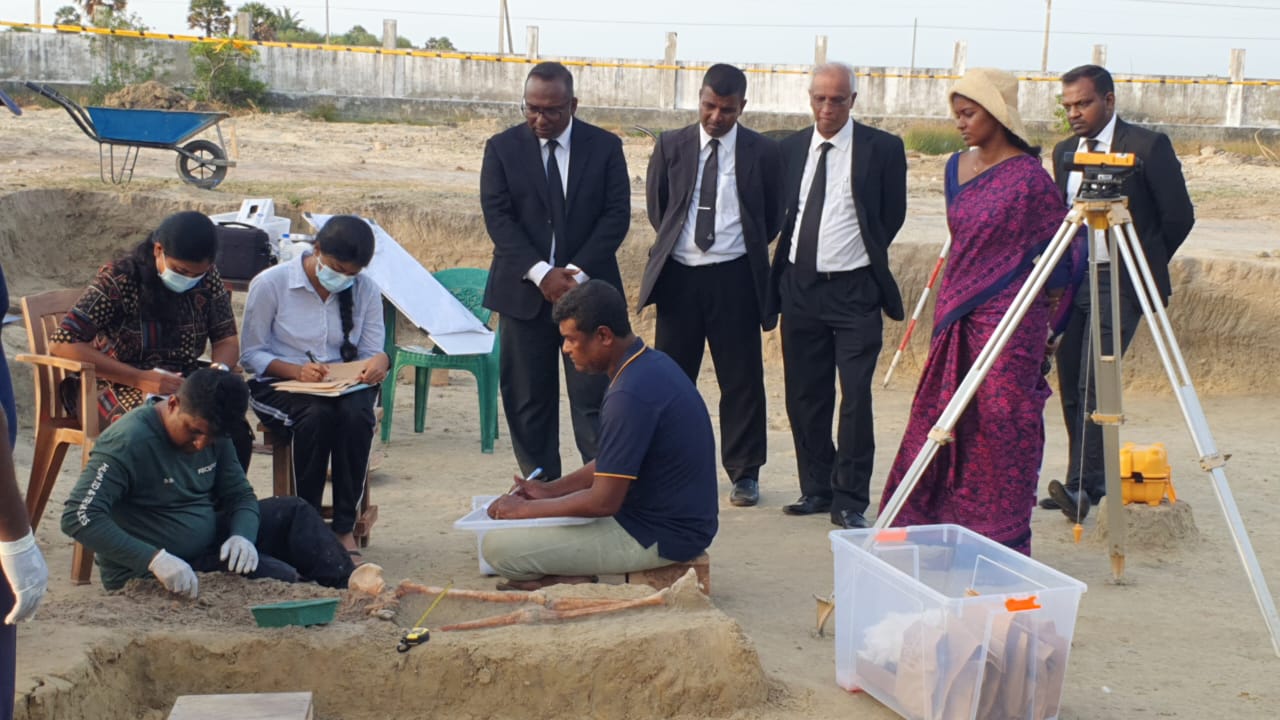
Five more skeletal assemblages have been identified and six previously documented remains were fully exhumed on Monday from the Chemmani mass grave sites in Jaffna, bringing the total number of skeletal remains fully excavated to 126, and the number identified so far to 135.
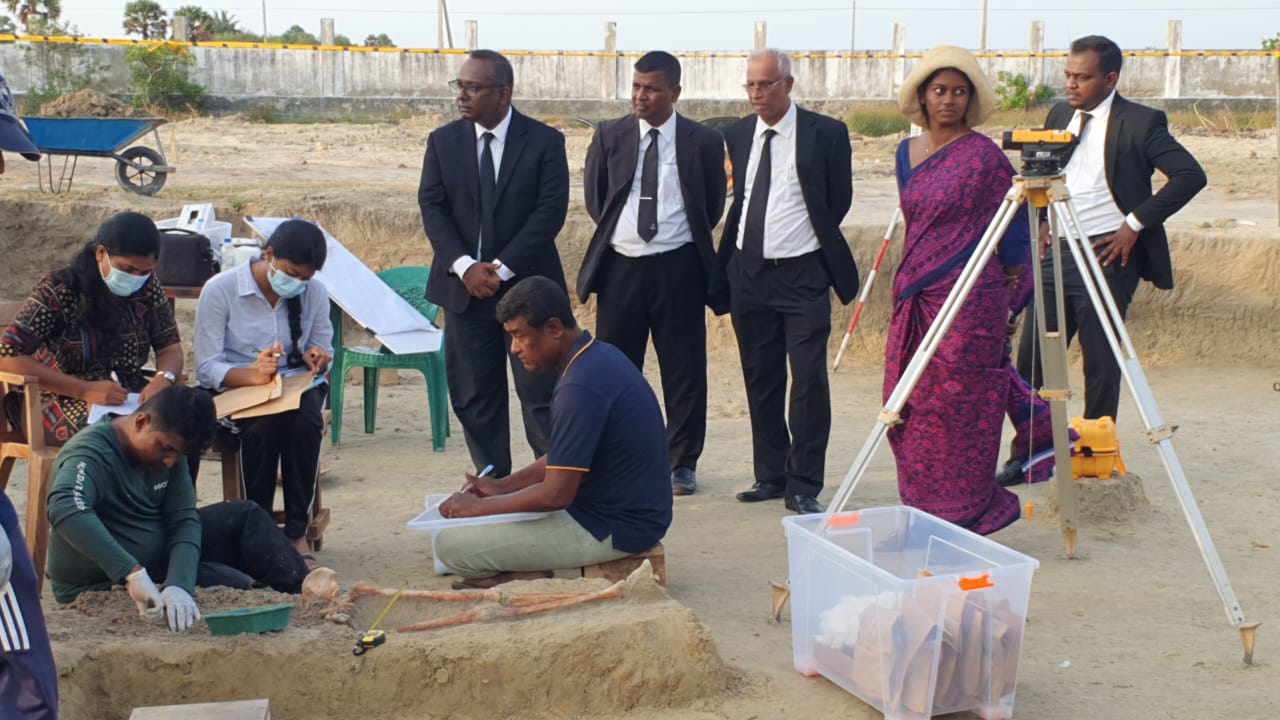
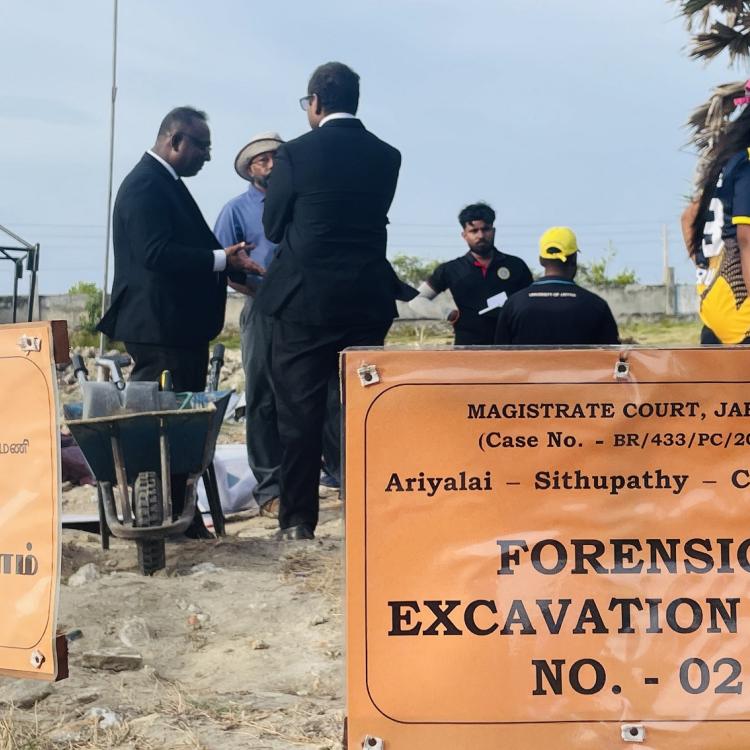
Excavation efforts are continuing under judicial supervision at two court-designated locations: Forensic Excavation Site No. 01 and Forensic Excavation Site No. 02. Monday marked the 30th day of the second phase of exhumations, which was granted a 45-day extension by the Jaffna Magistrate’s Court.
Over the past 15 days alone, 61 skeletal remains have been unearthed. Cumulatively, the forensic excavation in Chemmani has been ongoing for 39 days across multiple phases, with findings pointing to the scale of atrocities committed during the Sri Lankan military’s occupation of Jaffna in the 1990s.
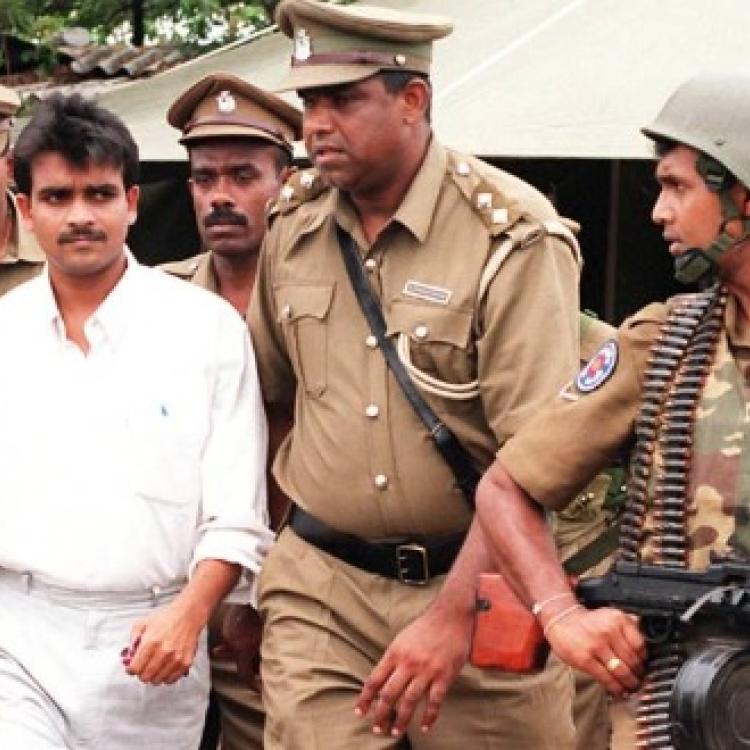
The Chemmani mass graves first came to light in 1998 following testimony by Sri Lankan soldier Lance Corporal Somaratne Rajapaksa, who was convicted in connection with the rape and murder of Tamil schoolgirl Krishanthi Kumaraswamy. Rajapakse claimed that over 300 Tamil civilians had been killed and buried near the Chemmani checkpoint by military personnel. He recently offered to testify before an international investigation into the mass graves.
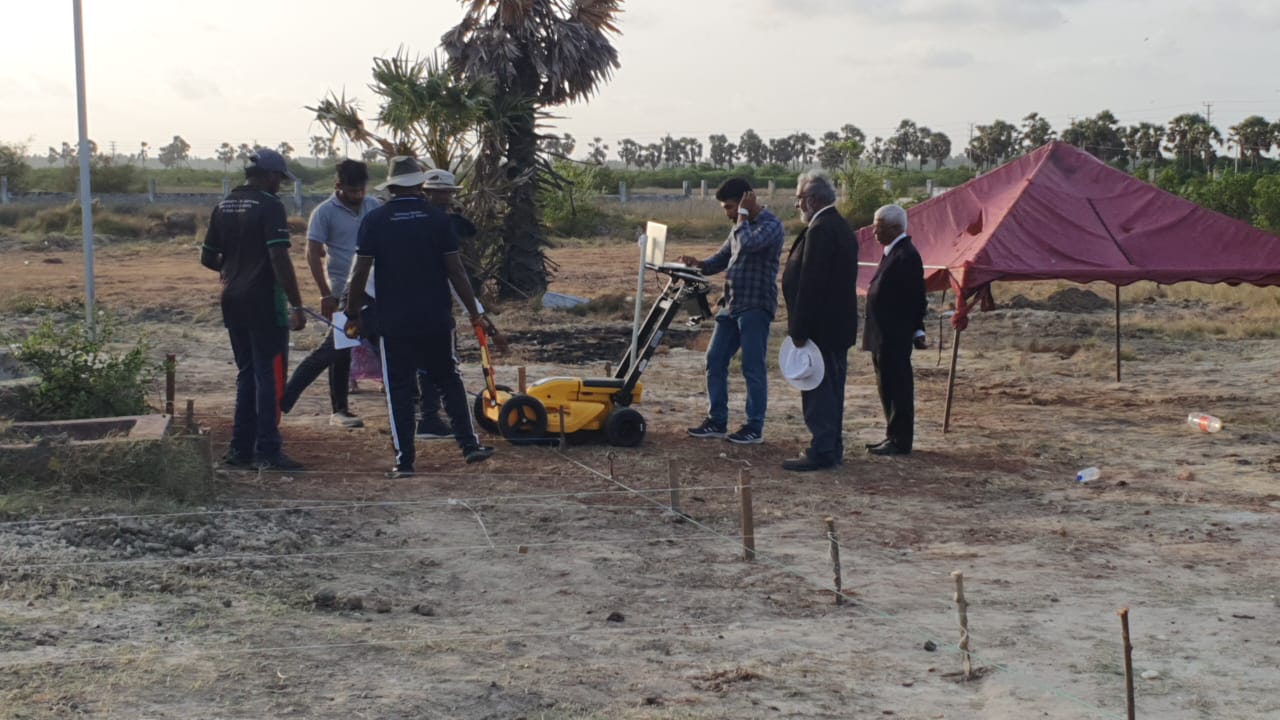
In a major development, Ground Penetrating Radar (GPR) scanning operations officially commenced at the site on Monday. The initiative is being carried out with technical support and equipment from the University of Sri Jayewardenepura’s Faculty of Technology. The scans aim to detect further possible mass grave sites in areas surrounding the two current excavation zones. Approximately 20% of the scanning was completed on the first day, with work set to continue on Tuesday.
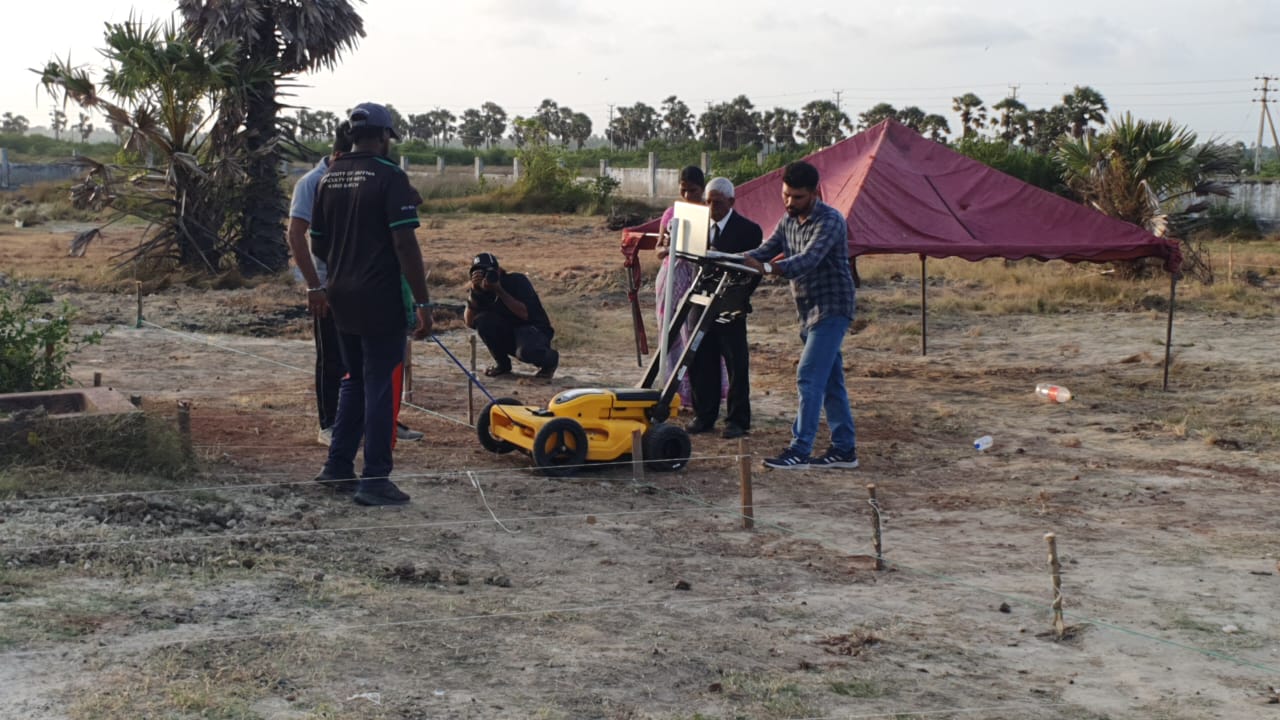
A comprehensive report on the scanning process is expected to be submitted to the Jaffna Magistrate’s Court, which will then determine the next steps in the investigation.
In parallel, the artefacts and personal effects recovered from the graves such as clothing will be displayed to the public on Tuesday in an effort to aid identification by relatives of the disappeared.
The Chemmani mass graves have become emblematic of the broader issue of enforced disappearances of Tamils committed by the Sri Lankan state
Despite credible evidence and persistent campaigning by families and rights groups, successive Sri Lankan governments have failed to hold military officials accountable. The ongoing excavations have reignited calls for an international investigation into the disappearances and mass killings of Tamils.