
Rajapaksa, under heavy security, guides officials to a mass grave site in Chemmani, 1999.
Lance Corporal Somaratne Rajapaksa, a Sri Lankan soldier convicted in the 1996 rape and murder of Tamil schoolgirl Krishanthi Kumaraswamy, has expressed willingness to testify in an international investigation into the Chemmani mass graves.
The offer was made in a letter addressed to senior Sri Lankan officials, including president Anura Kumara Dissanayake, prime minister Harini Amarasuriya and Justice Minister Harshana Nanayakkara, and sent by Rajapaksa’s wife, S.C. Wijewickrama. The same letter, Wijewickrama said, will also be submitted to the United Nations Human Rights Council in the coming days.
In the letter, Wijewickrama insists her husband did not participate in the rape or murder of Kumaraswamy or her family members, but had only buried their bodies on orders from higher-ranking officers. She names Captain Lalith Hewage as the officer who ordered the burials, and accuses the state of scapegoating low-ranking soldiers while shielding senior officers from prosecution.
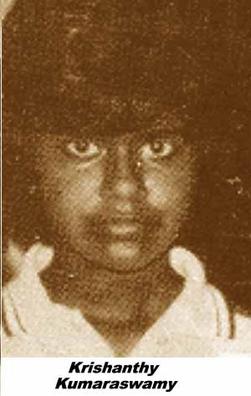
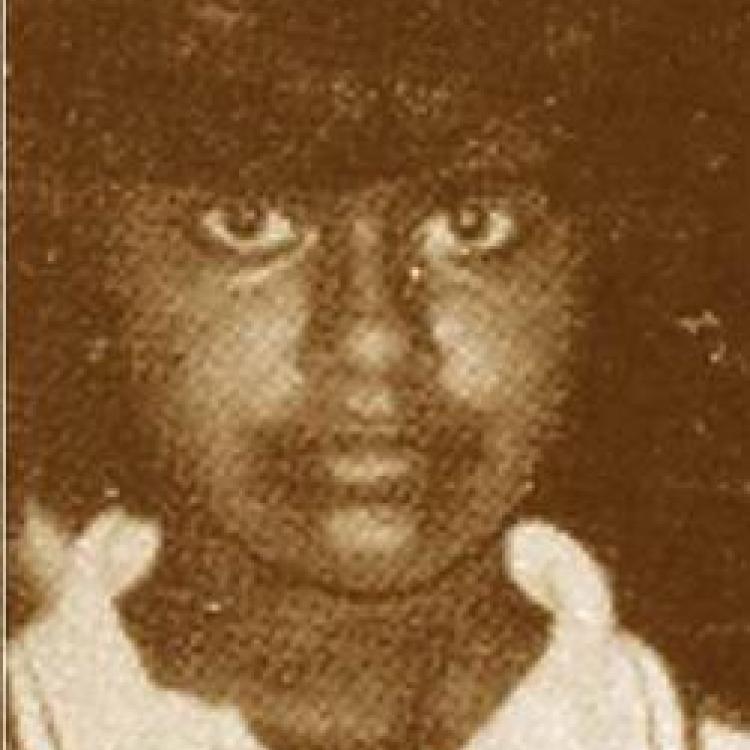
Rajapaksa was convicted in 1998 alongside four others for the rape and murder of 18-year-old Kumaraswamy, her mother, younger brother, and a family friend. Their bodies were later discovered in Chemmani, leading to the uncovering of a mass grave.
Read more: Explainer - Krishanthi Kumaraswamy and the Chemmani mass graves
The letter reiterates longstanding claims that mass arrests, torture and executions were carried out systematically at the Chemmani checkpoint in Jaffna under the 7th Battalion. According to Wijewickrama, as many as 300 Tamil civilians were abducted, killed, and buried during that time, and her husband had only acted under military orders in disposing of the bodies.
Wijewickrama also alleged that other officers, including Captains Perera and Hewage, Lieutenants Thudugala and Udayakumara, and Police Inspectors Samarasinghe and Abdul Hameed Nassar, were briefly remanded in 1999 but released on bail within six months. No action has since been taken against them, she claims.
“This government does not need to protect anyone,” she wrote, calling on Dissanayake to re-investigate the Chemmani mass graves and bring those responsible to justice.
The Chemmani site has come under renewed scrutiny in recent months, with ongoing court-ordered excavations uncovering over 120 skeletal remains to date, including those of children.
Rights groups and families of the disappeared have repeatedly asserted that Chemmani is only one of several mass graves across the Tamil homeland that bear testimony to a larger, systematic campaign of violence and genocide against Tamils. They have demanded an international probe and accountability mechanism.