
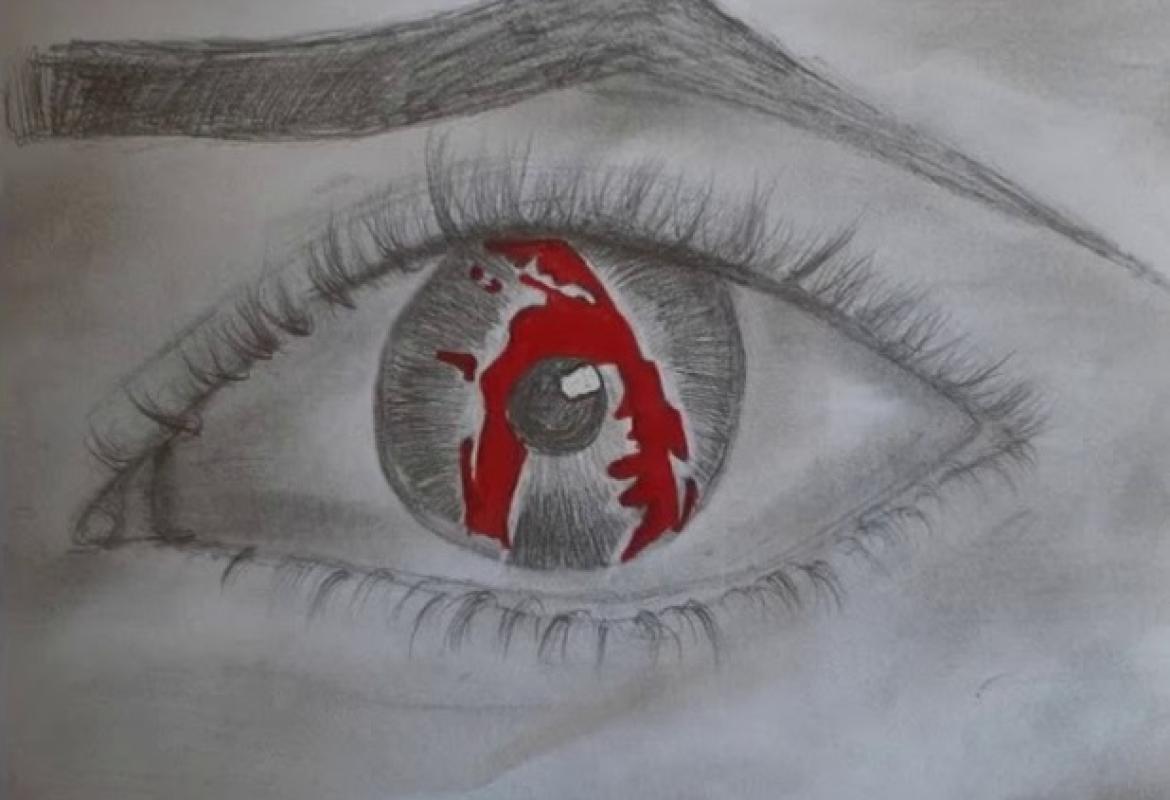
Militarisation: a state of terror
The Sri Lankan state has relentlessly continued to consolidate its militarisation of the North-East since the armed conflict drew to a close in 2009. Regardless of international efforts at closed door diplomacy and the occasional public wrist slapping, the Sri Lankan state has shown no signs of relenting. The burgeoning military budget, the grabbing of civilian lands for military housing and establishments, and the military’s saturating presence within everyday civilian life has continued; not only contrary to well-trodden paths of post-conflict reconciliation, but in brazen defiance of international criticism.
The significance of militarisation of the North-East however, goes beyond these measurable markers and tangible concerns. The end of the armed conflict has not proved to be a window of opportunity, to ensure equal rights for all citizens or create a ‘terrorism’-free liberal democracy. Instead it has been exploited by the Sri Lankan state as an opportunity to orchestrate the unhindered expansion of Sinhala Buddhist hegemony. Delirious with victory, the state, armed with its military, has embarked on an uncompromising goal of asserting a Sinhala Buddhist identity throughout the island and ruthlessly erasing any expression of an Eelam Tamil one.