Editorial

Editorial

Latest news from and about the homeland

When Argentina's players unfurled a banner reading "Las Malvinas son Argentinas" after their World Cup semifinal victory over England this week, the British state required no time for reflection. Within a day, Downing Street had urged FIFA to investigate, ministers had denounced the gesture, and the Prime Minister's spokesperson had delivered the line that "the World Cup might not be ours, but…

Deepening divides one year on
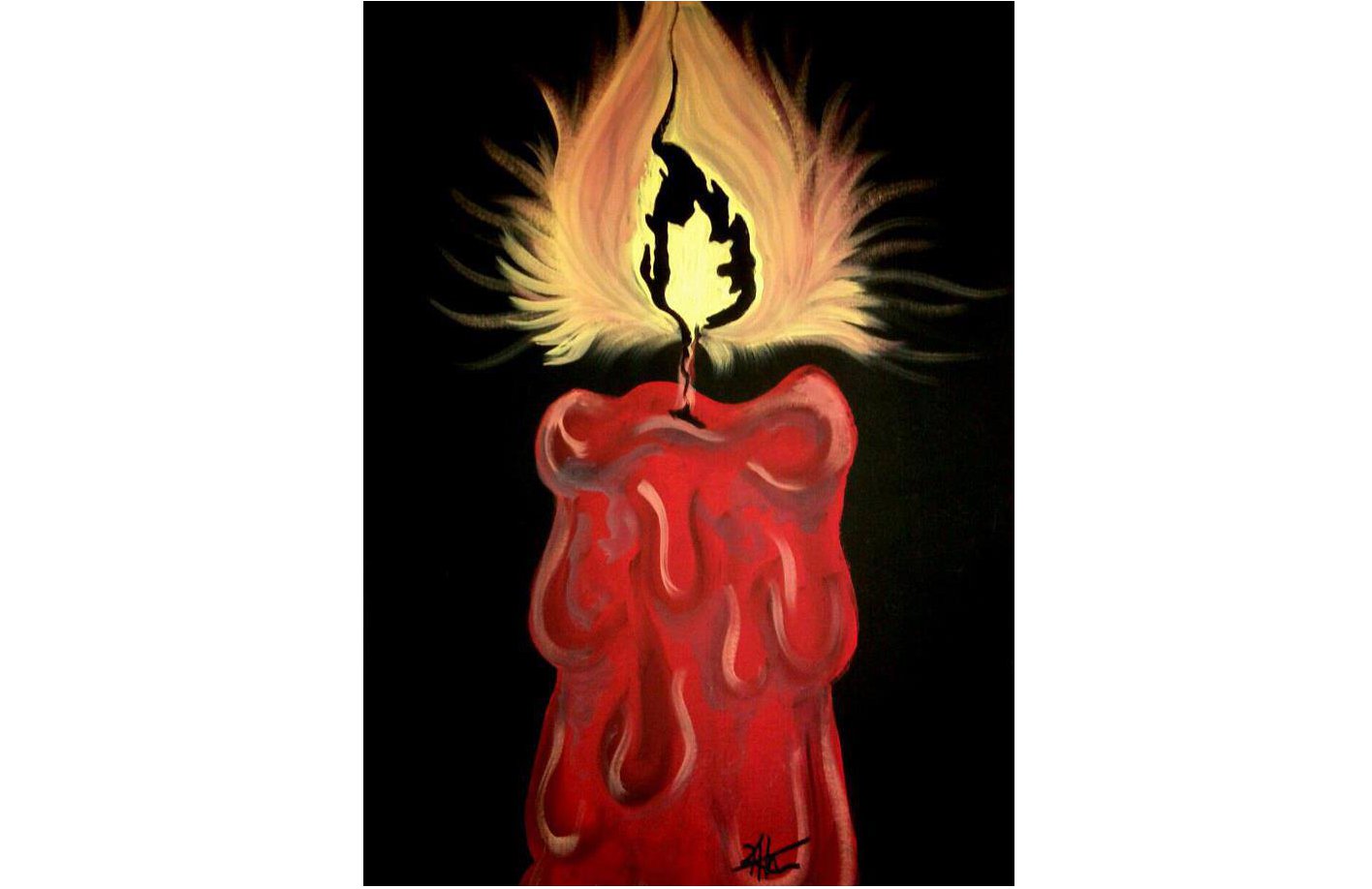
The Easter Sunday attacks on churches and hotels last year were an unprecedented act of violence. Hundreds were killed on one of the holiest days of the Christian calendar, in a horrific series of blasts. On an island that has been mired by ethnic strife for so many decades, the attacks mapped on to existing fissures and were a devastating reminder of how deep-rooted they remain. The year since the blasts has seen the island move no closer towards reconciliation. Instead, Sri Lanka has predictably fallen into old patterns, reverting further towards authoritarianism and securitisation. A war criminal now sits as head of state. And the island remains fertile ground for more violence.
Media under fire

Several weeks into Gotabaya Rajapaksa’s presidency, journalists on the island are coming under increasing threat. Whilst the island has always been a dangerous place for the press, and for Tamil journalists in particular, over the last month there has been a worrying rise in intimidation, harassment and even physical assaults of media workers, alongside political activists and human rights defenders.

A dreaded return

In the wake of Sri Lanka’s presidential elections this weekend, fear has gripped the North-East. Gotabaya Rajapaksa, the man who engineered the massacres of tens of thousands of Tamils a decade ago, is back in power. This time, he occupies the highest office in the land. The result, though unsurprising, is terrifying.

Still no choice

As Sri Lanka gears up for a presidential election in just a few weeks time, Tamils on the island find themselves faced with a familiar decision. Almost five years after an election that was hailed as the dawn of a new era for Sri Lanka, the island has instead seen pledges of reforms broken and the failure to address key issues towards accountability, justice and a lasting peace. With leading candidates choosing to boast their Sinhala nationalist credentials, for Tamils in particular, the future seems bleak.

Next Chapter

Ten years since the end of the armed conflict, Sri Lanka remains divided. Far from the promise of stability and unity, the fractures that have plagued the country since independence, continue to define the relationships within the island. Sri Lanka has failed to become what the international community expected it would, when the war ended ten years ago - a stable, peaceful, pluralist state founded on liberal, democratic principles. To the Tamils this is unsurprising. The failure to ‘fix’ Sri Lanka begins with the failure to acknowledge the toxic Sinhala Buddhist ethnocracy in its core.

Alternative avenues

For almost a decade, Tamil victims have looked to the UN Human Rights Council in their pursuit of justice. However, after years of resolutions followed by an extension, alongside lack of any progress on accountability, events at Geneva this week brought another deep disappointment.

Crisis at Sri Lanka’s Core

Almost four years into the ‘good governance’ government, Sri Lanka’s image of stability and progress unravelled last month in a day. President Sirisena’s sacking of Ranil Wickremesinghe and appointment of Mahinda Rajapaksa followed by the dissolving of parliament and call for fresh elections, ended any semblance of stability. Revealed instead was disregard for the country’s constitution and rule of law, bribery, violence and an entrenched racism which habitually blames Tamils for the state’s woes. Sri Lanka’s latest descent into turmoil highlights once again the simmering crisis of unresolved ethnic conflict that remains at the island’s core. 

It is amid the island’s political uncertainty that Eelam Tamils look to commemorate Maaveerar Naal (Tamil Remembrance Day) tomorrow.

Island of impunity

A stinging new report from the International Truth and Justice Project (ITJP) has underscored the urgent need to clamp down on impunity in Sri Lanka. There is now abundant evidence that troops from the Special Task Force (STF), a foreign trained paramilitary unit, have committed atrocities, complete with testimonies from individuals involved in the crimes. Yet Sri Lanka has taken no action to ensure the perpetrators are brought to justice – a failure that has appallingly led to an officer involved in these crimes to currently be deployed with the United Nations.

State of Ethnocracy

Villages in Sri Lanka were once again in flames this week as the government declared a state of emergency. More than 100 years after the first anti-Muslim riots in 1915, Sinhala mobs led by Buddhist monks have again gone on a rampage, destroying mosques, businesses and homes. A curfew has been put in place and Sri Lankan security presence beefed up. Yet, with reports that security officials have stood idly by, the violence has continued and only after several days shows signs of simmering down.