Tamil Affairs

Tamil News

Latest news from and about the homeland

""
The number of skeletal remains identified at the Chemmani mass grave in Jaffna has risen to 366, as excavators uncovered further remains of children on Tuesday, at one of the largest mass graves unearthed on the island and a site long tied to the enforced disappearance and extrajudicial killing of Tamils by the Sri Lankan military. Six sets of skeletal remains, including those of children,…

‘Sinhala Only' votes on the campaign trail

A video from Sri Lanka which purportedly shows campaigners for a Sinhala politician canvassing for votes has gone viral on the island, after they explained on camera that their candidate was only looking for “Sinhala Buddhist and Catholic” votes.

The video captures two women canvassing on behalf of Sinhala nationalist politician and Assistant Leader of the Pivithuru Hela Urumaya (PHU), Madumadawa Aravinda.

Reported changes to ethnicity in Sri Lanka's birth certificates causes a stir

Sri Lanka’s Registrar General's Department has issued a statement clarifying initial reports that all new birth certificates will not refer to any race or religion and will issued as “Sri Lankan,” in a move that has raised concern over the erasure of ethnic identities on the island.
 

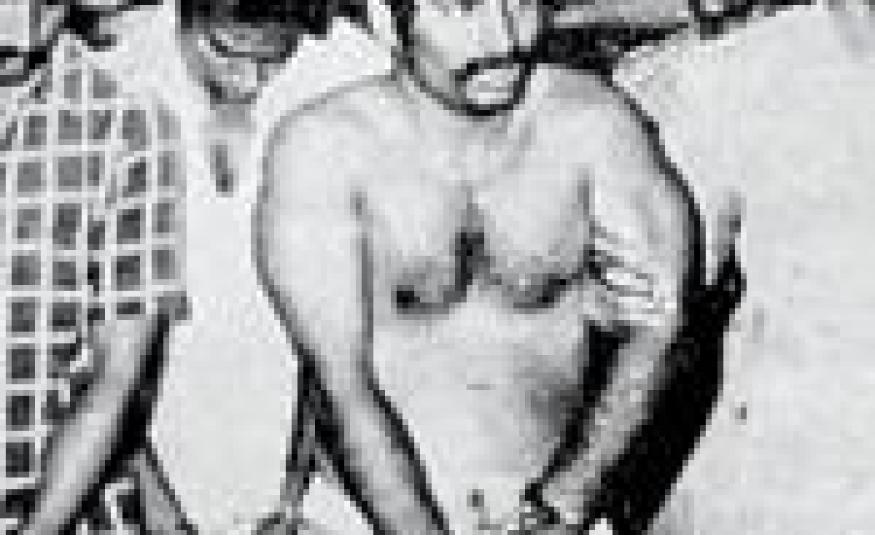
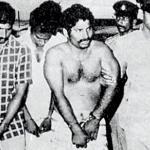
Kuttimani, Thangathurai and the Welikada prison massacre

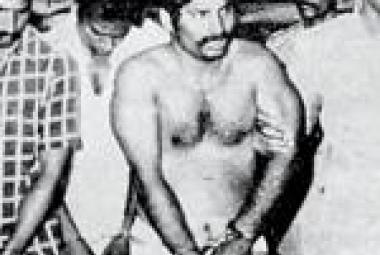
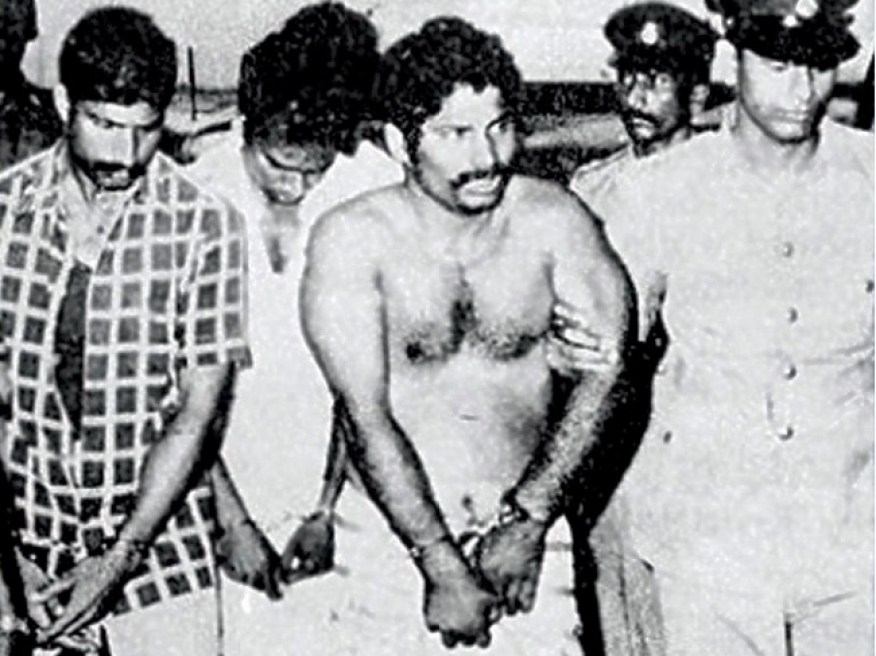
Selvarajah Yogachandran, referred to as Kuttimani, and Nadarajah Thangavelu, alias Thangathurai were the co-founding leaders of TLO (Tamil Liberation Organisation). The group consisted of student revolutionaries working for a common goal – a free Tamil Eelam. TLO was informally formed in 1969, in Valvettithurai. It then later became the centralised notion for Tamil Eelam Liberation Organisation (TELO). It was rumoured that they robbed banks to fund their radical activities.

In 1976, Kuttimani’s name appeared on the list of 47 Tamil prisoners held without trial under Emergency Regulations. Martin Ennals of Amnesty International had constructed the Report of Amnesty International Mission (Jan 1975) in which it indicates that Kuttimani was a “prisoner whose case is under investigation by Amnesty International”. The report further discloses that Kuttimani was kept in Welikada and was arrested in August 1975. He was released in 1977.

On March 21st, 1981, Neervely’s Bank robbery of 8 million Sri Lankan rupees led the Sri Lankan police officials to accuse Kuttimani as the orchestrater. He was arrested on April 5, 1981 along with Thangathurai and Selvadurai Sivasubramaniam alias, Devan, while bidding to escape in a boat to Tamil Nadu. The following year, in August, Kuttimani and Jegan were served a death sentence by Colombo High Court, under the Prevention of Terrorism Act (PTA).

Ganeshanathan Jeganathan, nicknamed Jegan was a political writer and one of the members of TELO. He hailed from Thondaimanaru. The abrupt death of TULF’s Vaddukoddai MP T. Thirunavukkarasu in 1982, allowed an open seat for Kuttimani. Despite a multitude of pressure to nominate Kuttimani as their sponsored candidate in the first Presidential election, the leader of TULF, A. Amirthalingam feared the wrath of Jayewardene.

Caving to the will of the people, Amirthalingam informed the Elections Commissioner of his decision to nominate Kuttimani as the new MP of Vaddukoddai. Still, Kuttimani would not be released from prison to take his oaths, and legally, he was disqualified from membership of parliament.

On November 2nd, 1981, the trials of Kuttimani, Thangathurai and Devan began under the Sri Lanka Prevention of Terrorism Act. The outcome of the trial was a death sentence. Famously, Kuttimani stated:

“I request that I should be hanged in Tamil Eelam… I request that my eyes be donated to some blind person, so that Kuttimani will be able to see through those eyes the reality of Tamil Eelam”.

Whilst their trials were still pending, Kuttimani and Thangathurai were brutally murdered in Welikada Maximum Security Prison. Kuttimani’s tormentors “gouged out” his eyes - an allusion to the request that he had made and Thangathurai’s tongue was cut off for his speeches of nonconformity. According to Amnesty International the Sinhala prisoners were offered alcohol and permitted to attack the Tamil prisoners.

Along with Kuttimani and Thangathurai, the Tamil prisoners who were massacred in Welikada on 25th July 1983 were:

Nadesathasan, Jegan, Alias Sivarasa, Sivan Anpalagan, A. Balasubramaniam, Surash Kumar, Arunthavarajah, Thanapalasingham, Arafat, Anpalagan Sunduran, P. Mahendran, Ramalingam Balachandran, K. Thillainathan, K. Thavarajasingham, S. Subramaniam, Mylvaganam Sinnaiah, G. Mylvaganam, Ch. Sivanantharajah, T. Kandiah, S. Sathiyaseelan, Kathiravelpillai, Easvaranathan, K. Nagarajah, Gunapalan Ganeshalingam, S. Kularajasekaram, K. Krishnakumar, K. Uthaya Kumar, R. Yoganathan, S. Sivakumar, A. Uthayakumar, A. Rajan, G. Amirthalingam, S. Balachandran, V. Chandrakumar, Yogachandran Killi, Sittampalam Chandrakulam and Master Navaratnam Sivapatham.

Karuppar Koottam controversy: Fodder for Hindu nationalists

For a people whose brethren fought an armed war of liberation against a nation-state for 25 years, the sense of nationalism among the Tamils in India have been remarkably flaccid. The political culture of the state of Tamil Nadu has always been one where nationalism was never far below the surface, but was undermined sedulously by political parties that pretended to accentuate it. A recent incident in the state shines light on how this charade has given way to the rise of malign forces that are hell-bent on eroding the ‘Tamilness’ of the Tamils. 

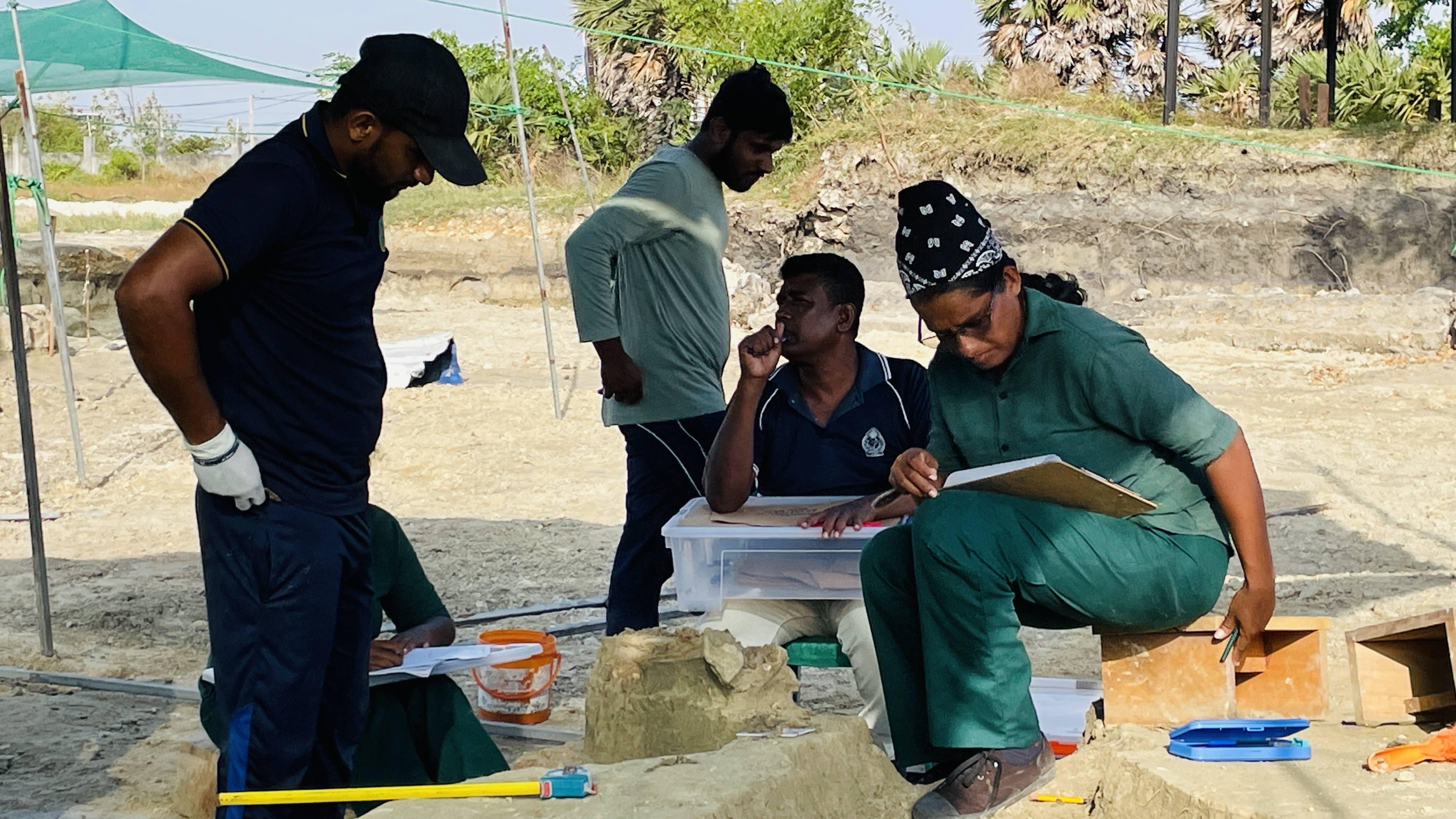
Tamil Nadu to construct museum showcasing ancient Tamil civilisation

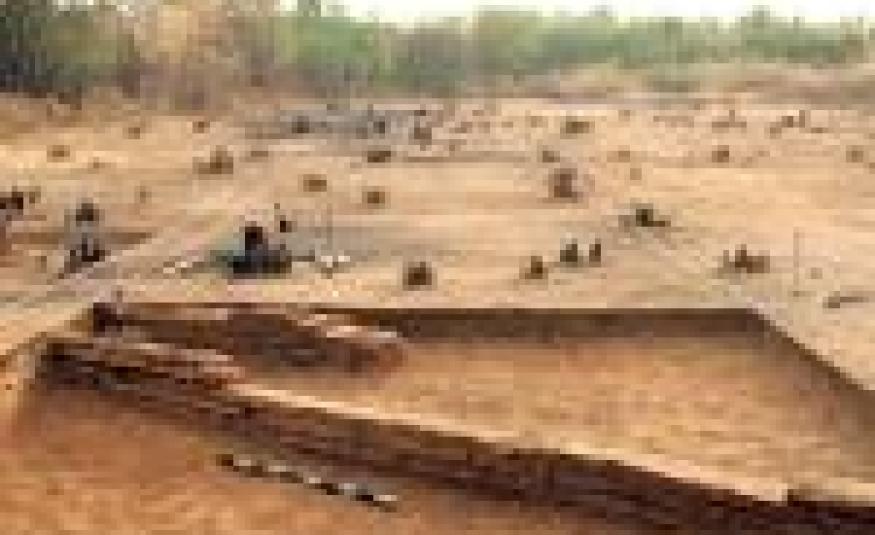
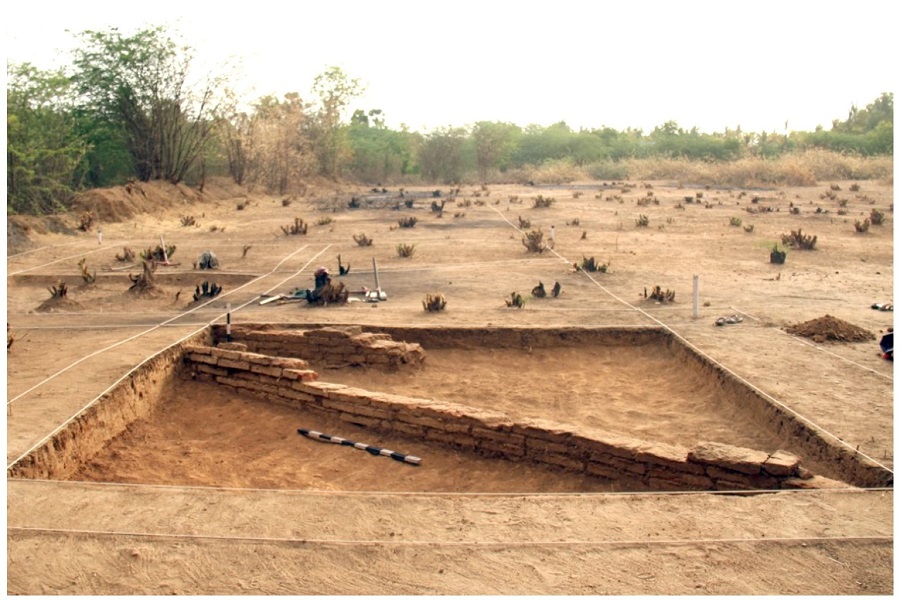
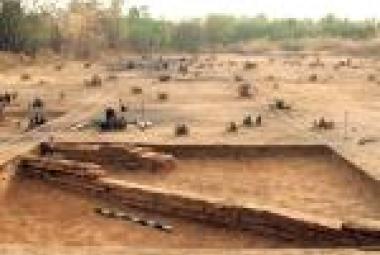
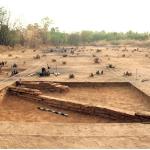
A museum displaying the life of Tamils who lived on the Vaigai plains in 6th century BCE is set to be built in Tamil Nadu’s Sivaganga district.

The museum will exhibit artefacts discovered at Keezhadi and its neighbouring areas in Tamil Nadu, which consisted of six excavation phases. The high specification museum is said to have a budget of over Rs. 122 million (INR).

Remembering Black July

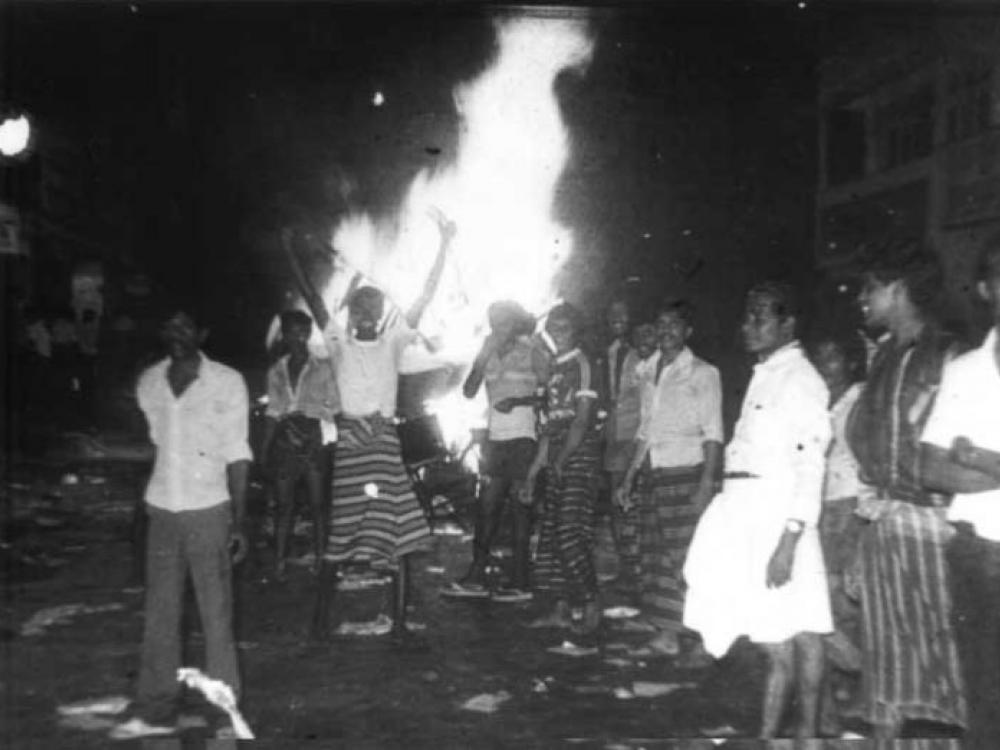
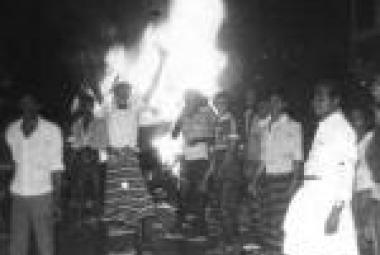
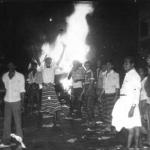
Today marks thirty-seven years since the horrors of the anti-Tamil pogrom of 1983, when thousands of Tamils were killed by Sinhala mobs backed by the then UNP government and state forces.

Armed with electoral rolls, Sinhala mobs targeted Tamil homes and businesses, looting and ransacking property. Driven from their homes, particularly in Colombo, over 3000 Tamils were massacred, whilst thousands more were effectively deported by the state to the North-East.

Vavuniya families of disappeared show solidarity with Jaffna University lecturer

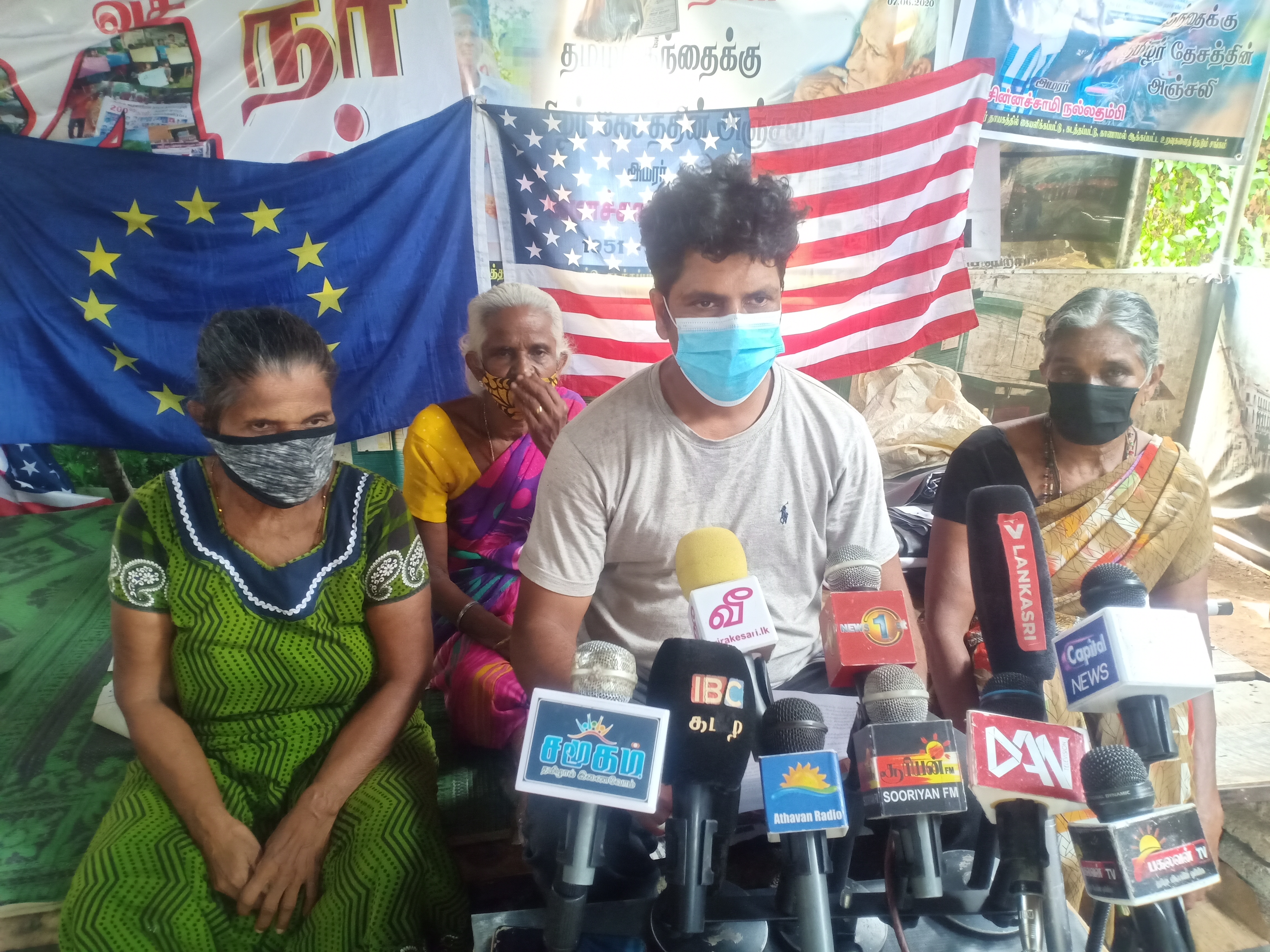
The families of the disappeared in Vavuniya expressed their solidarity to former Jaffna University law lecturer, Dr Kumaravadivel Guruparan, following his resignation last week and insisted that “his situation further proves that we cannot do anything that opposes the military in the North.”

On their 1247th of continuous protests last week, they said, “allowing Guruparan to work at the [Jaffna] University but not allowing him to work in a court to represent affected Tamils is a gross violation of justice and ethics.”

Former parliamentarian urges Sri Lanka government to end navy harassment against Tamil fisherman in the North

Former parliamentarian Selvam Adaikalanathan, called on the Sri Lankan government to take action against the intense harassment by navy officers towards Tamil fishermen in the North.

Adaikalanathan, leader of the Tamil Eelam Liberation Organisation (TELO) and a member of the Tamil National Party (TNA), asked the Sri Lanka President, Gotabaya Rajapaksa and Sri Lanka Prime Minister, Mahinda Rajapaksa to “take necessary action” to stop navy officials from unnecessarily harassing fisherman under the guise of security in the Mannar.

Sri Lankan navy continue intrusion into civilian life with new cashew plant project

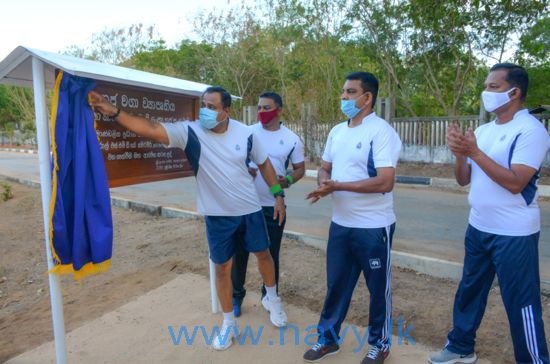
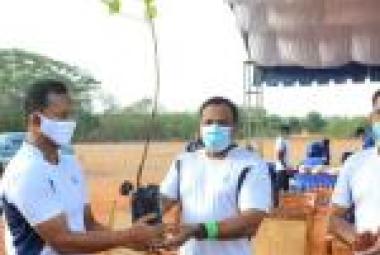
The Sri Lankan navy launched  a new cashew plant project in Jaffna, defying repeated calls to cease intrusion into civilian life. 

While the navy has claimed that the project has been established to protect and preserve the biodiversity in Jaffna, their involvement in civilian affairs threatens the livelihoods of Tamils in the North-East. 

Military occupation of Jaffna Peninsula continues as new army facilities are opened

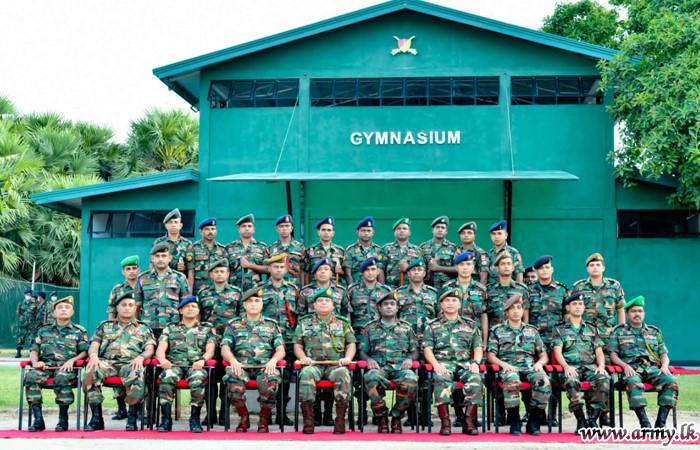
New military facilities have opened across army bases in Jaffna, as the military continues to consolidate its presence across the Tamil homeland.