Tamil Affairs

Tamil News

Latest news from and about the homeland

""
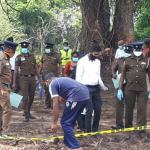
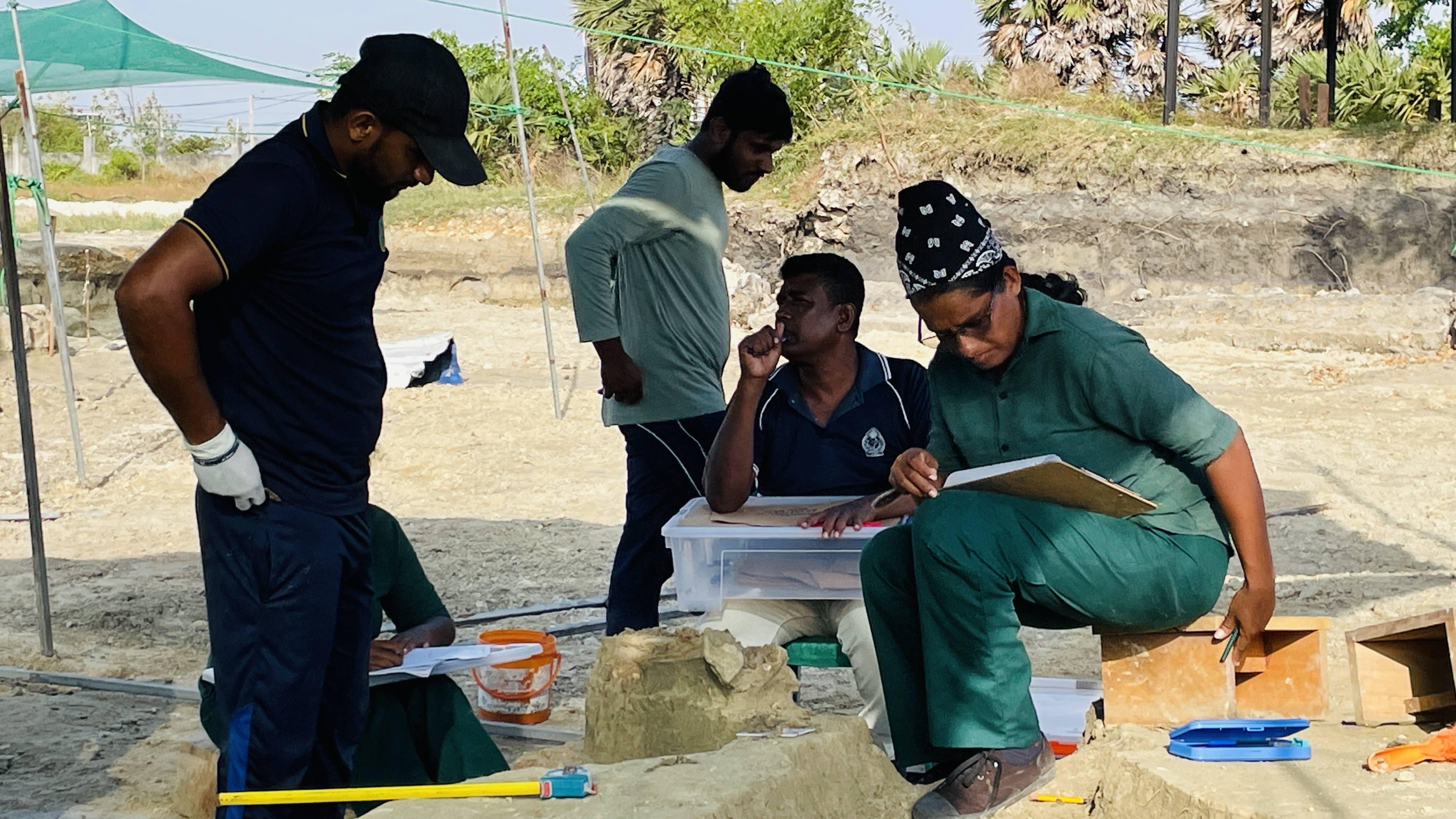
The number of skeletal remains identified at the Chemmani mass grave in Jaffna has risen to 366, as excavators uncovered further remains of children on Tuesday, at one of the largest mass graves unearthed on the island and a site long tied to the enforced disappearance and extrajudicial killing of Tamils by the Sri Lankan military. Six sets of skeletal remains, including those of children,…

Rajapaksa contradicts US State Department over Pompeo meeting snub
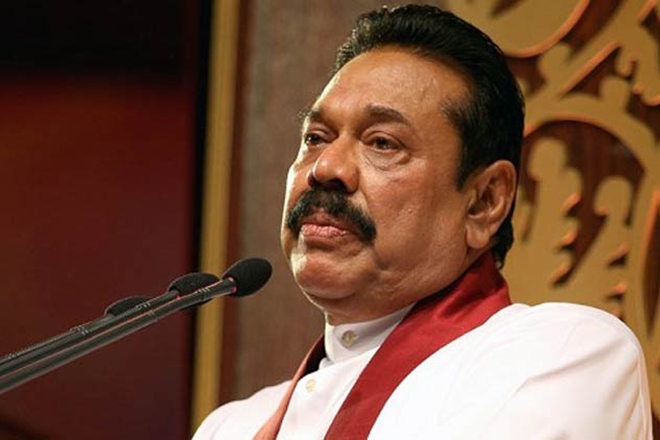
The Sri Lankan prime minister’s office has denied a meeting was scheduled to take place with visiting US Secretary of State Mike Pompeo, contradicting a US State Department official’s comments just days earlier.

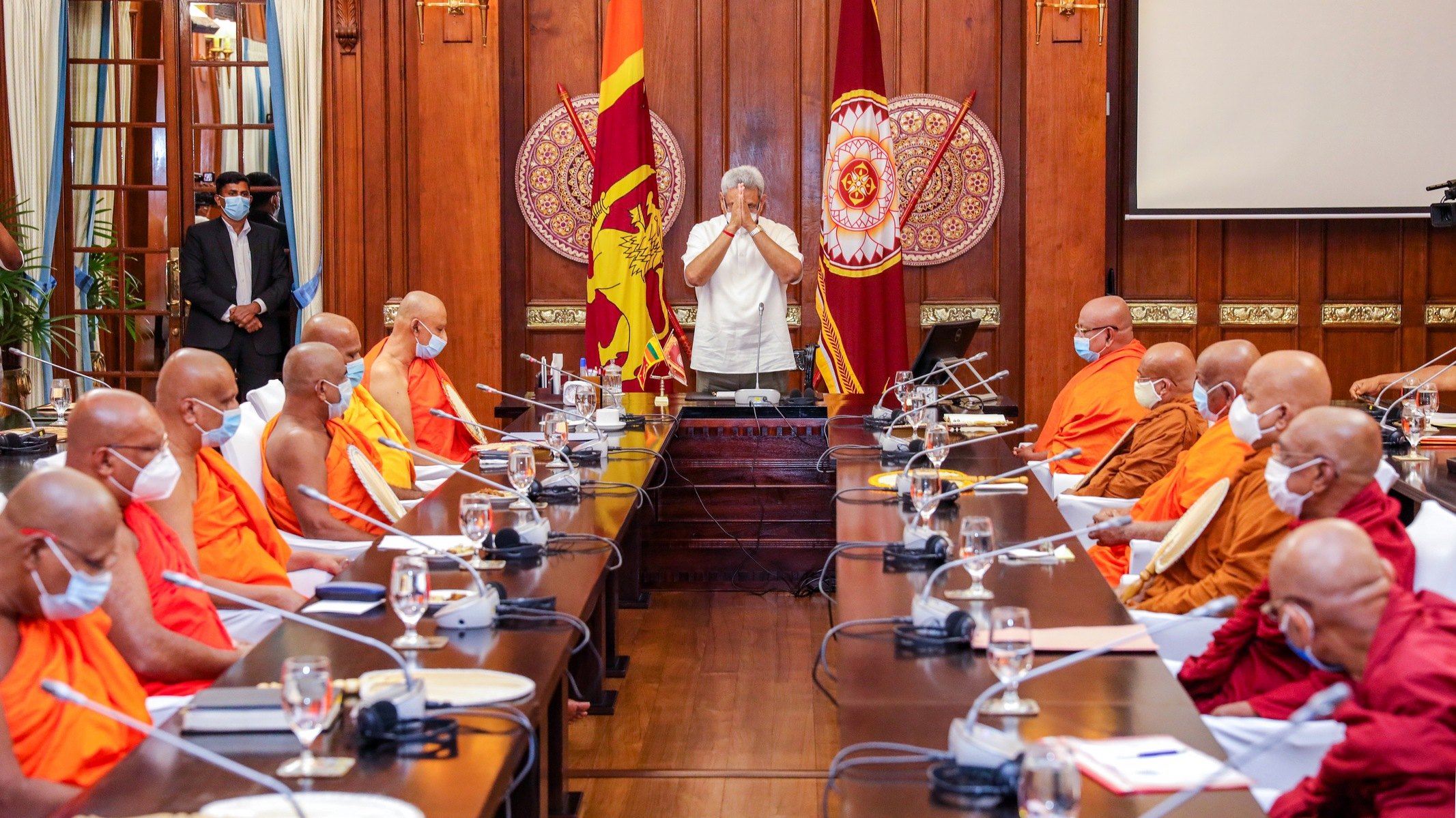
Mahinda Rajapaksa was conspicuously absent from high-level meetings with Pompeo, who met with Sri Lanka’s president and foreign minister. As speculation grew over a potential snub, a government minister claimed that both prime minister Mahinda Rajapaksa and his sibling president Gotabaya Rajapaksa were “opposed” to Pompeo’s trip.
Extravagant search for LTTE weapons returns a crowbar

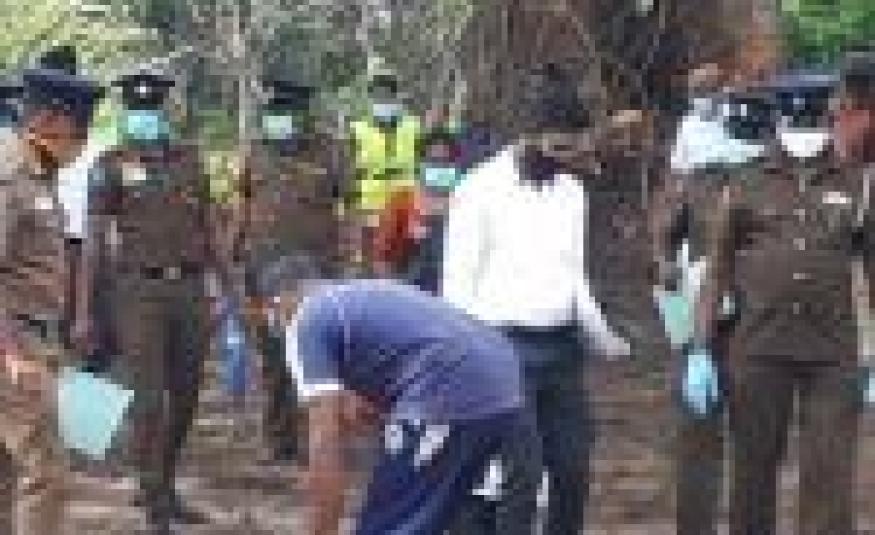
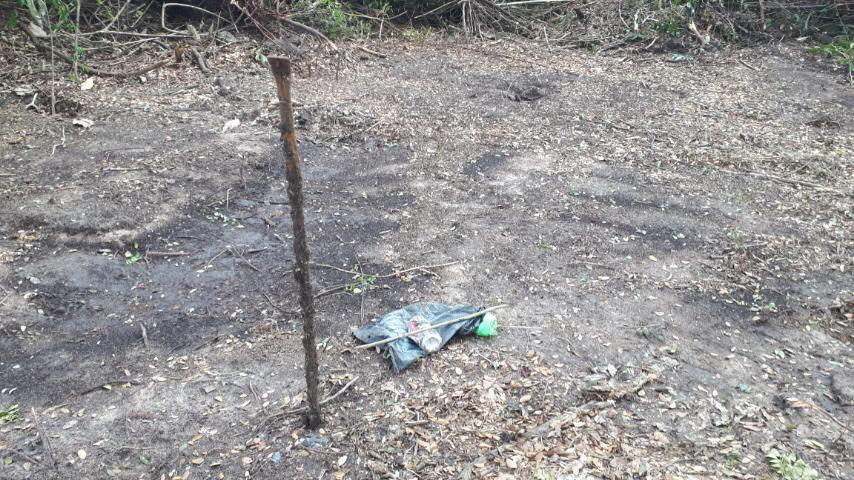
A large-scale excavation to recover weapons belonging to the Liberation Tigers of Tamil Eelam (LTTE) in Vavuniya turned up only a crowbar, used to crack coconuts, and an empty beer can.

Sri Lankan police obtained court permission to conduct the excavation in the Vilakkuvaithakulam area, Vavuniya after reportedly receiving intelligence from Batticaloa about a stash of LTTE weapons. A Vavuniya judge and the Omanthai Police officials were also present during the operation on Thursday.

21 containers illegally exported to Sri Lanka arrive back in England

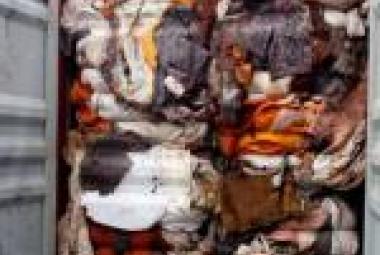
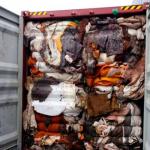
21 containers filled with up to 260 tonnes of waste, initially shipped to Sri Lanka, were returned to England on last month after Sri Lankan officials claimed they were brought onto the island in violation of international laws governing the shipping of hazardous material.

Sri Lanka moves towards autocracy – Deccan Herald

Commenting on the passage of Sri Lanka’s 20th Amendment (20A) to the constitution, the Deccan Herald writes that Sri Lanka has “taken a decisive step towards becoming a constitutional autocracy”.

In their statement, they note that the passage of the 20A has diminished the role of the Prime Minister to a “ceremonial one” and that “parliament has been reduced to a rubber stamp”.

‘The greatest humanitarian crisis of the war’ – Press coverage of the Jaffna Exodus

As we mark 25 years since the Jaffna exodus, which led to over half a million Tamil men, women and children fleeing their homes, we look back at press coverage from the time.

On 21 September 1995, as the Sri Lankan military prepared to launch its offensive, new emergency regulations were imposed, granting widespread censorship powers on all war-related reporting. All reports had to be run past a government-appointed Competent Authority for Censorship before publication.

The fight for Jaffna – October 1995

Jaffna has been considered the cultural capital of Eelam Tamils for centuries, as well as being the crucible of the Tamil liberation movement and the armed struggle against Sri Lankan state operation which began in the 1970s following non-violent political campaigns.

Following the 1983 'Black July' pogrom in Colombo, fighting began between Tamil militants and Sri Lankan troops within the Jaffna peninsula - first against the Sri Lankan military and in the late 80’s, the Indian Peace Keeping Force (IPKF).

Remembering the Jaffna exodus – 500,000 displaced

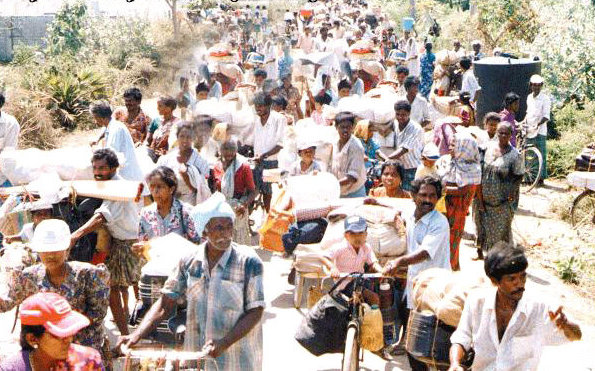
On the day 25 years ago, over half a million Tamil men, women and children fled their homes in Jaffna as the Sri Lankan military launched a military offensive to capture the peninsula, under the leadership of then president Chandrika Kumaratunga.

On October 30, 1995, the entire town of Jaffna, the largest Tamil population centre on the island, streamed out in a mass exodus for the safety of the Vanni, which was then controlled by the Liberation Tigers of Tamil Eelam (LTTE).

The exodus was a colossal human tragedy'

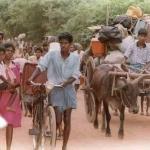
The exodus was a colossal human tragedy, unprecedented in its proportions. Heeding the appeal of the LTTE cadres and realising the imminent danger to their lives from the invading enemy troops, the entire population of Valigamam - more than five hundred thousand people - stepped out onto the roads carrying their bare essentials and dragging along their children, the elderly and the sick. Everyone knew they would be safe if they could just crossover the Navatkuli bridge into Kaithaddy, Thenmarachchi. This realisation led to a headlong rush to cross the bridge before the enemy blocked the evacuation of the Jaffna population. 

The roads leading to Chavakachcheri were jam-packed with masses of desperate, frightened people. Bicycles - the only mode of transport - became a burden as the movement of the multitude ground to a halt with the cramming and congestion of people. The overcrowded processions of people extended for miles and it took several hours to move a few hundred yards. Adding to the tragedy, it started to rain. Teardrops from the weeping sky provided only a tiny relief to the many thirsty, dehydrated mouths. children cried with the agony of starvation as their parents watched helplessly. The elderly stumbled along the roads, often stopping to draw breath. Deprived of food and water and exposed to the weather, the sick became sicker. strained and stressed by the emotional and physical upheaval of the event, a pregnant woman lay down on the side of the road to deliver her baby, unattended in open air. Despite the physical hardships suffered by the people there was a sense of determination and urgency to escape from the clutches of an unpredictable and dangerous enemy who was nearing the gates to Jaffna. 

30 years since expulsion of Muslims from Jaffna

Tamil and Muslim activists called for both communities to “forge new paths of activism”, as they marked 30 years since the expulsion of Muslims from Jaffna by the Liberation Tigers of Tamil Eelam (LTTE).

In October 1990, amid hostilities between Tamils and Muslims and growing paramilitary activity, the LTTE expelled some 20,000 Muslim families from the Northern Province – up to 75,000 people in total.