A Tamil fisherman who was attacked and bitten by Sri Lankan sailors last week has spoken out about the assault, stating that the military “behaved like cannibals”.
The Human Rights Commission Of Sri Lanka (HRCSL) has launched an investigation into the incident in which a young Tamil man from Jaffna among several other youngsters, were brutally assaulted by off-duty police officers and dragged to a police station.
The HRCSL sent a notice on Monday (20th April) requesting the Jaffna senior superintendent of police, to explain the action taken in response to the incident.
A young Tamil man from Jaffna among several other youngsters, were brutally attacked by drunk off-duty police officers and viciously dragged to the local police station.
23-year-old Mutturasa Kannadasan, was attacked in his home in Araly, Jaffna and taken to Vaddukoddai police station, around 8pm on Saturday (18th April).
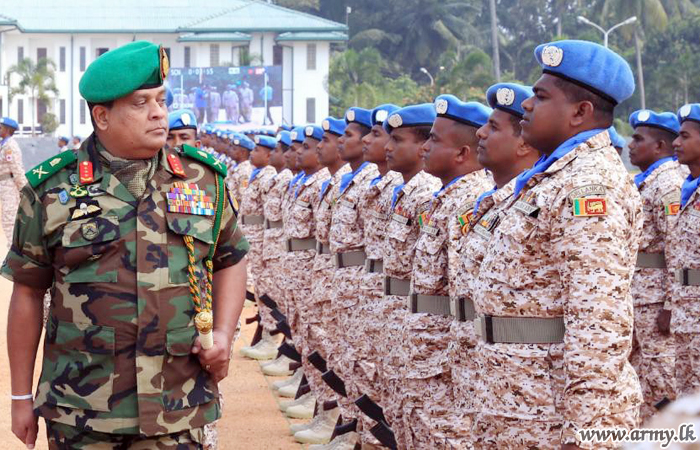
Sri Lanka’s defence secretary rejected reports that the Indian army would be deployed to Sri Lanka as part of regional coronavirus prevention efforts, stating that the Sri Lankan military “can handle (the) coronavirus threat effectively”.
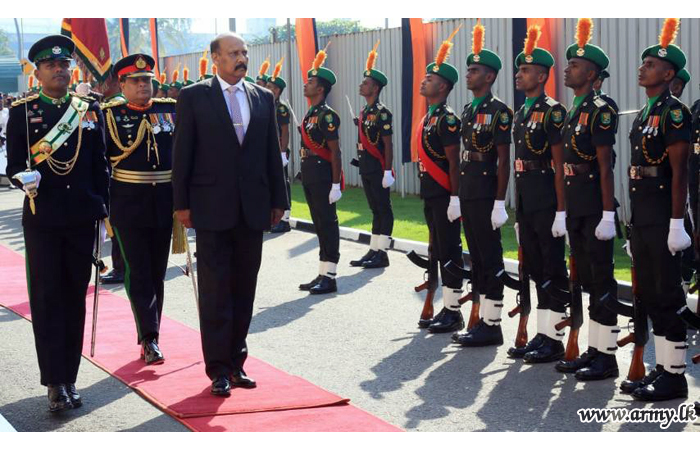
One of the three members of Sri Lanka’s election commission expressed his fear of disagreeing with the war crimes accused head of the army, ahead of a meeting that took place on Monday which announced the scheduling of parliamentary elections.
In a piece published on Saturday, Ratnajeevan Hoole said that the inclusion of army chief Shavendra Silva, who currently leads Sri Lanks’s coronavirus rask force, and Director General of Health Services Anil Jasinghe was to “arm-twist the Commission into agreeing to 28 May for elections”.
The Indian High Commission in Colombo has denied reports appearing in the India press, which claimed that Delhi was preparing to send troops to Sri Lanka as part of its response to the coronavirus pandemic.
The Press Trust of India quoted “official sources” as stating the Indian army had prepared several “rapid response teams for dispatching to friendly neighbouring countries like Bangladesh, Bhutan, Sri Lanka and Afghanistan”.
At last three Fundamental Right violation petitions have been filed this week, challenging the Sri Lankan president’s decision to pardon a soldier who was convicted of massacring eight Tamil civilians, including three children.
<p>The International Commission of Jurists (ICJ) called on Sri Lanka’s authorities to repeal and replace the Prevention of Terrorism Act (PTA), following the arbitrary arrest and detention of prominent lawyer.</p>
<p>Sri Lanka’s response to the Covid-19 outbreak was “primarily designed to promote the military and to popularise the military interventions for future political gains of the President,” the Alliance of Independent Professionals (AIP) said.</p>
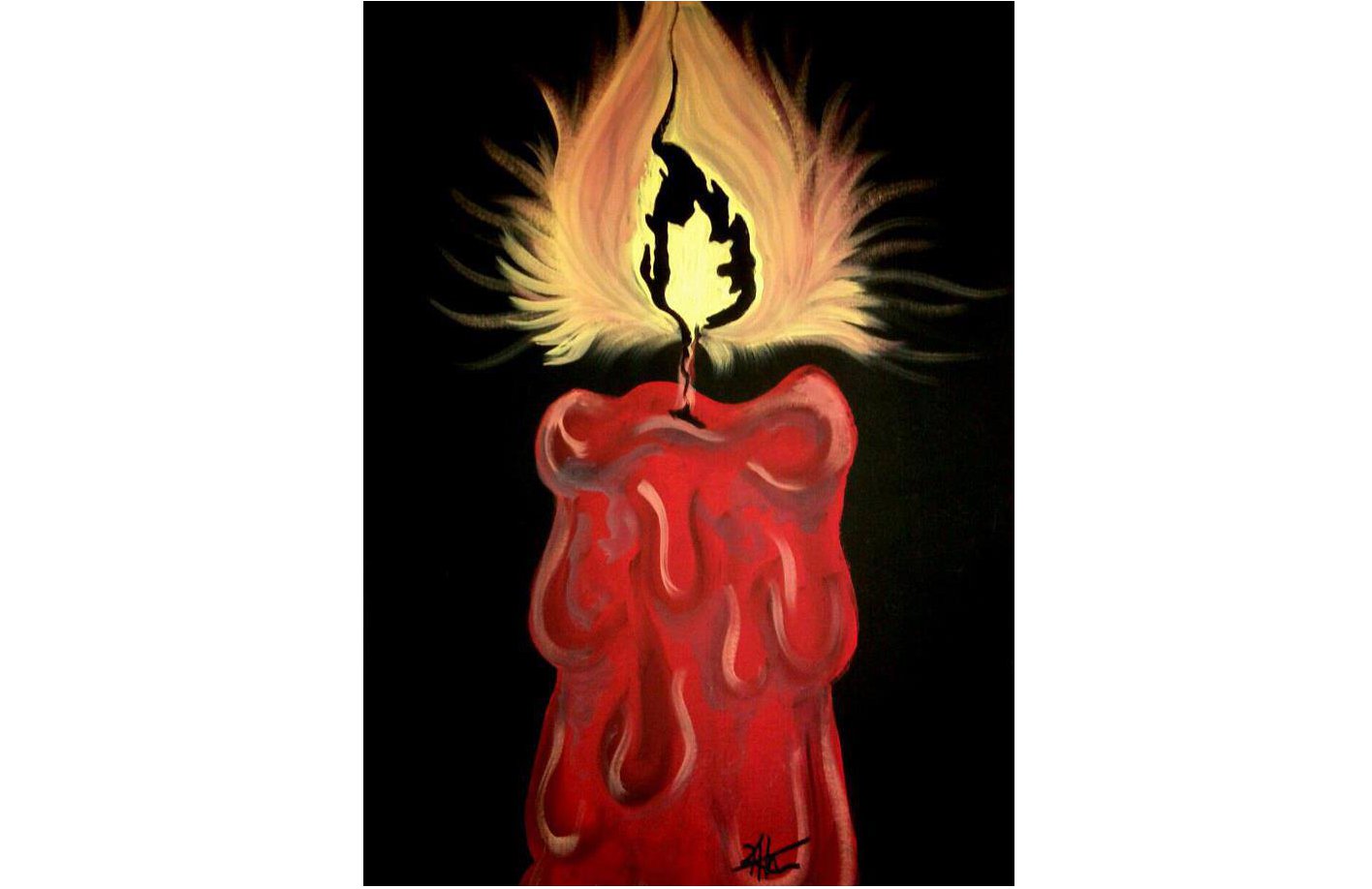
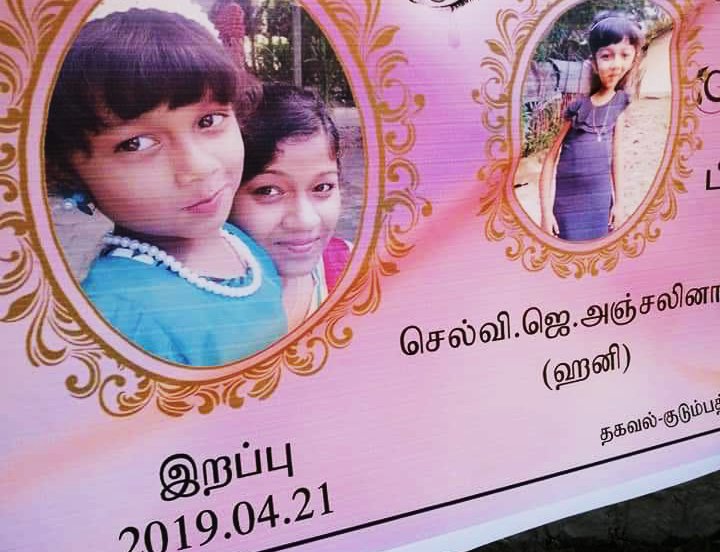
Churches, temples and mosques across the North-East marked one year since the Easter Sunday attacks today, in a series of commemorative events held under a military-enforced curfew.
In Vavuniya, Sri Lankan soldiers were stationed outside churches as a remembrance ceremony was underway.
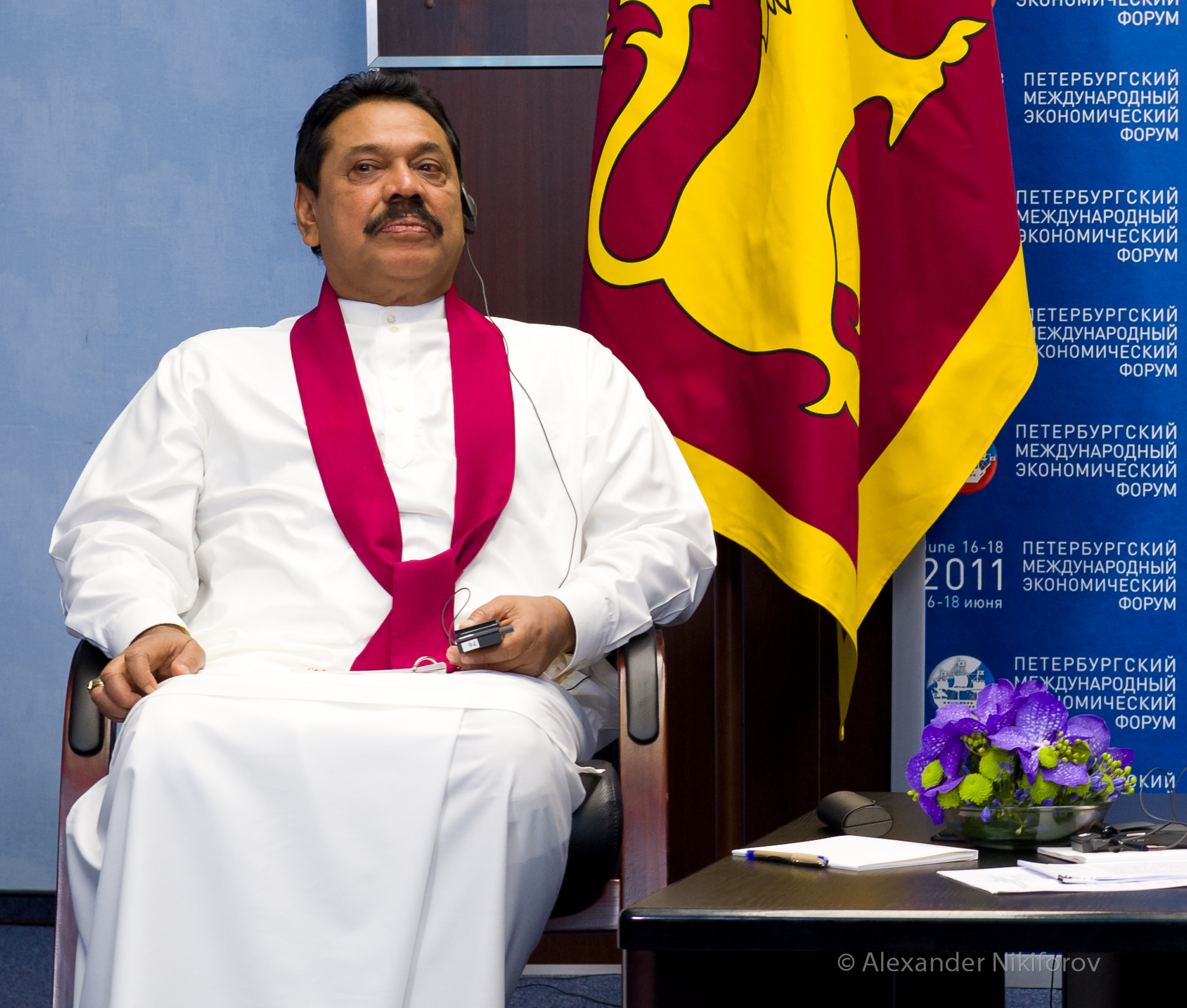
Sri Lankan Prime Minister, and accused war criminal, Mahinda Rajapaksa, issued a statement which maintained that the Easter Sunday bombings which claimed over 250 lives could have been prevented.
US Secretary of State, Mike Pompeo, and US Ambassador to Sri Lanka and the Maldives, Alaina B. Teplitz, issued statements commemorating the loss of over 250 people who were killed during the Easter Sunday bombings.
The attacks on the 21 April 2019, targeted Christian churches and tourist hotels on Easter Sunday, killed over 250 people. The attack was claimed by ISIS.
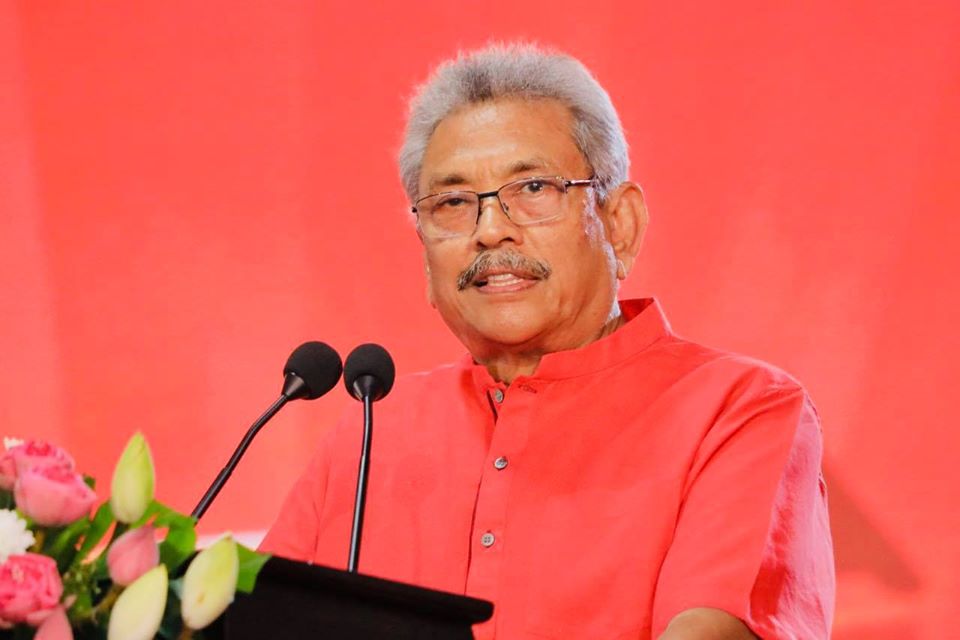
Sri Lankan President, Gotabaya Rajapaksa, stated during a memorial for those killed in the Easter Sunday bombing, that he would “not leave any room for any form of extremism or violence” whilst concerns are raised over the clampdown on civil society.
The Easter Sunday attacks on churches and hotels last year were an unprecedented act of violence. Hundreds were killed on one of the holiest days of the Christian calendar, in a horrific series of blasts. On an island that has been mired by ethnic strife for so many decades, the attacks mapped on to existing fissures and were a devastating reminder of how deep-rooted they remain. The year since the blasts has seen the island move no closer towards reconciliation. Instead, Sri Lanka has predictably fallen into old patterns, reverting further towards authoritarianism and securitisation. A war criminal now sits as head of state. And the island remains fertile ground for more violence.


.jpg)




.jpeg)

.jpg)



.JPG)