• Critical eye' needed on Sri Lanka's reform process amidst ongoing militarisation and rights violations - PEARL
    The Human Rights Council and OHCHR need to ensure that Sri Lank abides by the terms of Resolution 30/1, particularly on the need for international participation in any accountability mechanism, said People for Equality and Relief in Lanka (PEARL).

    In a statement made after the Human Rights Chief’s oral update in Geneva, PEARL’s Senior Analyst Dharsha Jegatheeswaran said,

    “As long as the government fails to acknowledge and take responsibility for the severity of crimes committed by state forces, victims will remain justifiably sceptical about the prospects for criminal accountability.”
    The statement added,

    “International pressure from UN member states and bodies is singularly vital in creating meaningful change in Sri Lanka. Even after the current 32nd session, the Human RIghst Council must sustain its active role on Sri Lank to ensure implementation of Resolution 30/1.  The Human Rights Council’s role is pivotal leading up to and beyond the 34th session in March 2017, when Sri Lanka will be on the Council’s agenda again.”
  • De-militarisation to be complete by next year's end says Sri Lanka's foreign minister at UNHRC

    Video uploaded

    De-militarisation of the North-East will be complete by next year said Sri Lanka’s foreign minister, whilst calling on the international community to “give Sri Lanka a chance” amidst civil society concerns of  the government's slow progress and reneging on its commitment to the UN Human Rights Council resolution on accountability and reconciliation.
    Photographs: Tamil Guardian

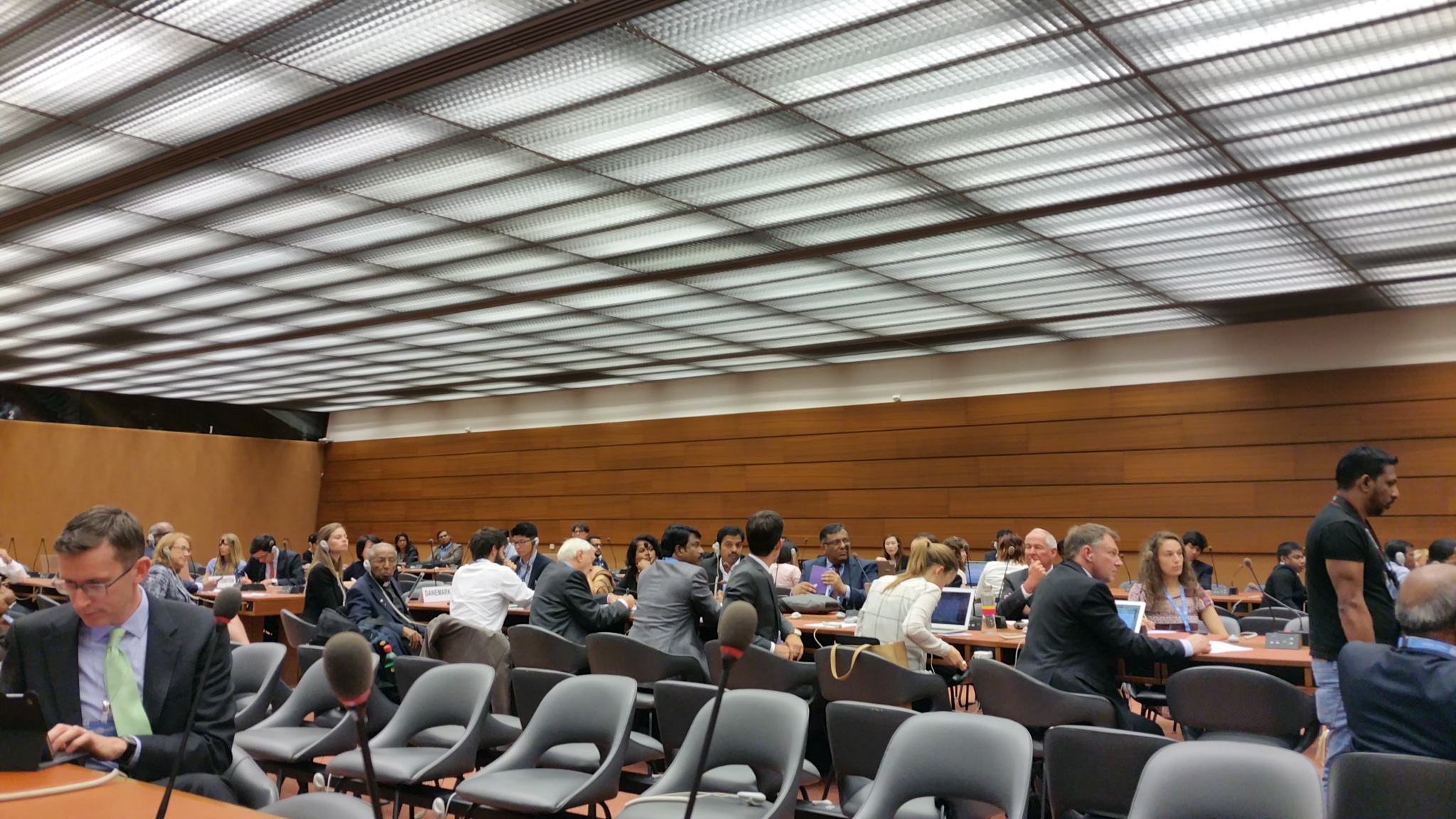
    Speaking in Geneva at a public side event held by Sri Lanka’s permanent mission to the United Nations Human Rights Council, Mr Samaraweera commented on the issue of foreign judges, investigators and prosecutors in the accountability process, stating,

    “There are many different opinions on what levels the international participation in the judicial mechanism ought to be. Some people say the participation of judges is paramount others say it is not possible. The decision on the contours of the mechanism will only be taken after consultations. The assurance I can give you now is that whatever the final outcome of the judicial mechanism it will be a mechanism that will have credibility and address the needs of all stakeholders and be done in consultation with all political parties.”


    Responding to questions asking why Sri Lanka was scared of international judges Mangala Samaraweera said,

    “We are not scared of international investigations. We feel that domestic mechanisms with international support is much easier than the process you’re suggesting which is not practical. Let me underline, a domestic mechanism does not preclude foreign participation. There is circumstances were foreign participation in certain areas is needed, especially foreign investigators and forensic experts.”

    When quizzed further on the reneging by elements of Sri Lanka’s government on its commitment at the UNHRC to international judges, prosecutors and investigators in an accountability process, Mr Samaraweera said,

    “We are doing it and we have the political will to do so. There are various statements made by different people, but our commitment to the Geneva resolution remains unchanged. In February addressing the nation President Sirisena said Sri Lanka is committed to implement the resolution to protect the dignity of the state, our people and the armed forces.”

    See also: International participation in Sri Lanka's accountability process necessary reiterates UN Human Rights Chief

    Responding to questions on whether the government would commit to addressing the intense military presence in the North-East, Mr Samaraweera said,

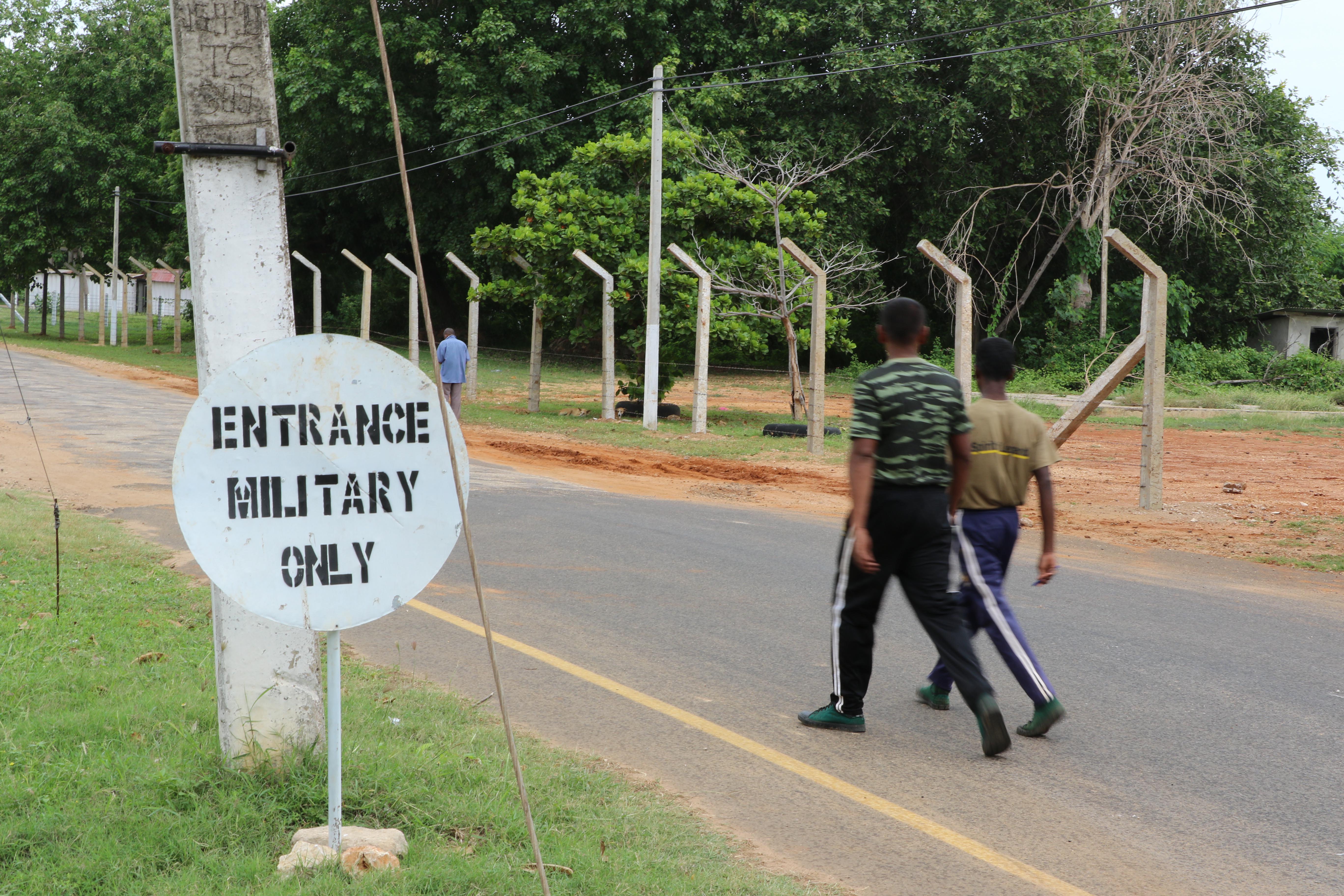
    “We are in the process of demilitarisaiton. We have asked the armed forces to gradually move out of the north. Many of the lands held under the armed forces are now being returned. To be frank we are not happy with the speed at which land is being given back…We have asked the military to give a time line..Many of the businesses run by the army have been handed back but there are still some more. The process is ongoing and hopefully by the end of next year things will be back to normal.”

    Noting that the military had given a time line, he added, “All the lands will be returned by 2018.”

    See also: Sri Lankan president pledges government will 'not in any way weaken' military (28 Jun 2016)

    When asked about what initiatives Sri Lanka was taking to educate the Sinhala south on the need to prosecute for mass atrocities and the true meaning of the UNHRC resolution on accountability and reconciliation in Sri Lanka, the foreign minister said,

    “That is one area that our communication has not been the best in the world. We have not communicated enough about what we are doing here and what we will be doing. That is why we now have some communications people to start educating the people.”

  • Pasumai Thaayagam calls on Sri Lanka to inform Sinhala electorate about mass atrocities
    "Education of the Sinhala south on the mass atrocities that occurred to the Tamils during the war is necessary to lay the groundwork for future prosecutions of Sinhala soldiers and commanders," said Pasumai Thaayagam in an oral statement to the Human Rights Council during its 32nd session this week.

    Speaking under Item 9 relating to racism, Pasumai Thaayagam spoke about the need for the Sri Lankan government to address deep-rooted Sinhala nationalism in order to achieve accountability and justice. The form of Buddhist nationalism in Sri Lanka "translates into a rejection of any attempt to prosecute the armed forces for mass atrocities," said Pasumai Thaayagam.

    "If the new government is serious about implementing the Resolution, it must start doing the hard talk with the Sinhala electorate," they said.

    Full statement can be found on the here and is also reproduced below.
  • Sri Lanka has 'failed to show transparency' charges North-East civil society


    Photographs: Groundviews

    More than 290 war affected community members from across the Tamil North-East have called for the United Nations to “become a partner to build the transitional justice efforts of Sri Lanka” stating that the current government has failed in its obligations.

    “The government has failed to show transparency and genuineness in carrying out the national consultation,” said an open appeal addressed to UN High Commissioner for Human Rights Zeid Al-Hussein, released at the Vavuniya Urban Council Cultural Hall on Tuesday.


    “The government is forcing their plans upon us without considering the importance of participation and contribution of the affected communities in creating reconciliation bringing about a lasting solution to the ethnic divide”, it added. “Therefore, we have lost faith in the Sri Lankan government’s efforts in carrying out the transitional justice process.”

  • Displaced Tamils call for expert panel to monitor progress in Sri Lanka

    Tamils who have been displaced from their homes for decades have written to the United Nations human rights chief, urging him to appoint an expert panel to “monitor and report the progress on resettlement, relief, and restoration of the sociopolitical and economic structures”.

    In a letter written to the High Commissioner for Human Rights Zeid Al-Hussein, Tamils from Valikamam North in the Jaffna district said that the Sri Lankan military continues to occupy their houses.

    “They are cultivating our lands and are involved in other economic activities,” said the letter. “Only the buildings that is being used by the military survived.”

    Noting that the current Sri Lankan government had many several pledges to release land occupied by the military, the displaced group added that “however, there were no positive indications by the government to uphold the promises”.

    “While measures to release lands are deliberately slow, work on acquiring lands for the expansion of the Palaly airbase and military requirement is taking place rapidly,” it said.
    “The people became increasingly frustrated and began a fast unto death campaign and once again the President reassured that the people will be resettled soon. The timeframe given for resettlement has long expired and we have lost faith in the government. Therefore, we look to the international community to ensure our resettlement.”

  • Buddhist viharas found in land released in Vali North

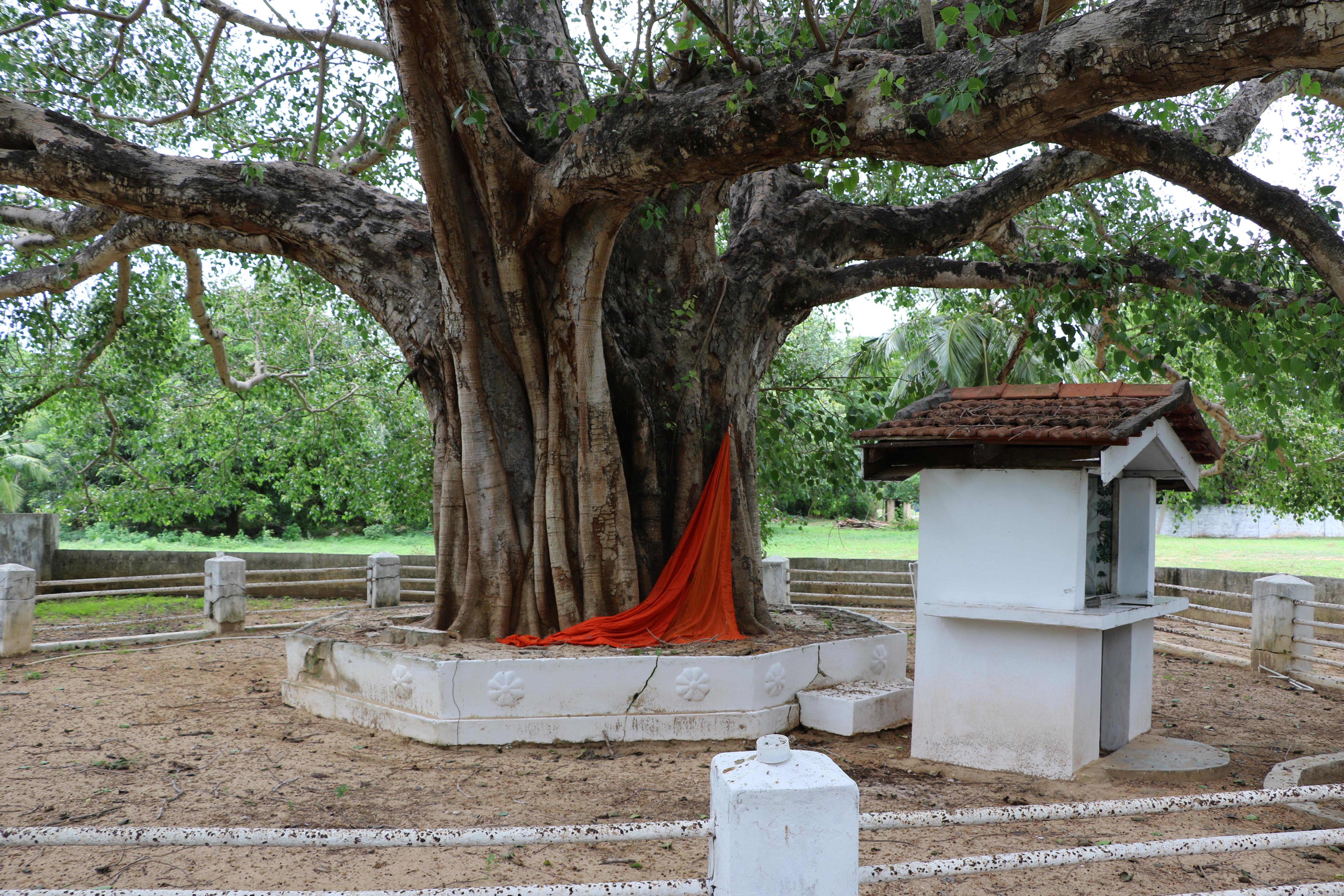
    Tamils returned to released land in Valikaamam North to find their Hindu temples and Christian churches destroyed, and replaced with Buddhist viharas.

  • Sri Lankan military continues doing business in released lands


    The Sri Lankan military continues to engage in local business activities in lands formally released to Tamil civilians in Valikaamam North.

    The land was announced to be released earlier this week, just days ahead of the expected Oral Update report by the UN High Commissioner for Human Rights in Geneva.

    Military personnel continue to run shops in the area, and have not released the MPCS building in Telipallai.

  • Army surveillance continues in released lands

    The Sri Lankan army continues its surveillance and interference in released land, local sources report.

  • Sri Lanka has not moved fast enough to build confidence among victims says Human Rights Chief

    The United Nations Human Rights Chief Prince Zeid Al Hussein, stressed that the “government had not moved fast enough with tangible measures to build confidence among victims and minority communities” adding “ there are anxieties that the full promise of governance reform, transitional justice and economic revival.”

    Addressing the Human Rights Council with an interim update on Sri Lanka’s progress at implementing resolution 30/1 on reconciliation and accountability, Mr Hussein said,

    “I remain convinced the international participation in the accountability mechanisms, as stipulated in the Human Rights Council’s resolution, would be a necessary guarantee for the credibility, independence and impartiality of the process in the eyes of victims given the magnitude and complexity of the alleged international crimes, which the OHCHR investigation could amount to war crimes and crimes against humanity.”

    Mr Hussein added that consultation processes must allow for victims “on the participation of international actors” and with a view to “shaping the design of transitional justice programmes”

    Noting that “military presence in the North and east remains heavy,”  he added, “ A culture of surveillance and, in certain instances, intimidation also persists. These point to a deeper challenge for the Government in asserting full control over military intelligence establishment.”

    Suggesting that the council should be encouraged by Sri Lanka’s steps so far, the Human Rights Chief caveated,  “continuing allegations of human rights violations must be swiftly addressed and the structures and institutional culture that promoted those practices be dismantled, to show there will be no tolerance for practices of the past.”

  • Sri Lanka calls for patience and support at UNHRC
    Sri Lanka’s foreign minister called for “patience” and “support” from the international community during his address to the United Nations Human Rights Council during the Human Rights Chief’s oral update.

    Stressing that his government had made progress on implementing the resolution 30/1 on promoting accountability and reconciliation, Mr Samaraweera said,
  • International participation in Sri Lanka's accountability process necessary reiterates UN Human Rights Chief

    An advanced version of the High Commissioner for Human Right’s oral update released on Monday, called on Sri Lanka's government to take concrete “steps to address impatience, anxiety and reservations towards the process,” noting that “international participation in the accountability mechanisms would be a necessary guarantee for the independence and impartiality of the process.”

    The High Commissioner Zeid Al Hussein went on to stress in his conclusion that “continuing allegations of arbitrary arrest, torture and sexual violence, as well as more general military surveillance and harassment, must be swiftly addressed, and the structures and institutional culture that promoted those practices be dismantled, to show there will be no tolerance for practices of the past.”

    Noting Sri Lanka's constitutional reform process, Mr Hussein stressed that he hopes, "the political process of adopting constitutional changes will not involve trade-offs and compromises on core issues of accountability, transitional justice and human rights."

      The high commissioner highlighted further concerns regarding a rise of "aggressive campaigns in social media and other forms that stoke nationalism against ethnic, religious and other minorities."

    The oral update stressed that ongoing “encouragement and support of the Human Rights Council has been crucial in giving assurance and confidence to all stakeholders, particularly the victim community.”

  • Sri Lanka and Ukraine sign treaties regarding "judicial cooperation"
    Sri Lanka and Ukraine signed three treaties on "judicial cooperation" during Foreign Minister Mangala Samaraweera's official visit to Ukraine this past weekend. The government of Sri Lanka's website reported that the treaties covered mutual legal assistance in criminal matters, transfer of sentenced prisoners, and extradition. 

    During his visit Samaraweera spoke about "recent developments in Sri Lanka including measures taken by the Unity Government to achieve reconciliation and inclusive economic development, strengthen democracy, rule of law, and good governance including combatting corruption" alongside recent constitutional processes.
  • Sri Lankan president pledges government will 'not in any way weaken' military

    Sri Lanka’s president said that his government “would not in any way weaken” the armed forces and boasted of international support for the military, at a ceremony on Monday.

    According to Sri Lanka’s official army website, the “President Maithripala Sirisena in his address to the occasion re-iterated that his government would not in any way weaken the forces, nor would it cut down their privileges or other benefits currently available to them”.

    “He also told the gathering that as alleged by some quarters his government has not allowed any member of the armed forces to get demoralized or be humiliated,” the website continued.

    The Sri Lankan Ministry of Defence website quoted Mr Sirisena as saying soldiers had “sacrificed their lives, limbs and families to protect the race, sovereignty, territorial integrity and freedom of the country” and that “each drop of blood fallen from the war heroes were devoted towards the future and strength of the country in defeating ruthless terrorists”.
Subscribe to Tamil Affairs