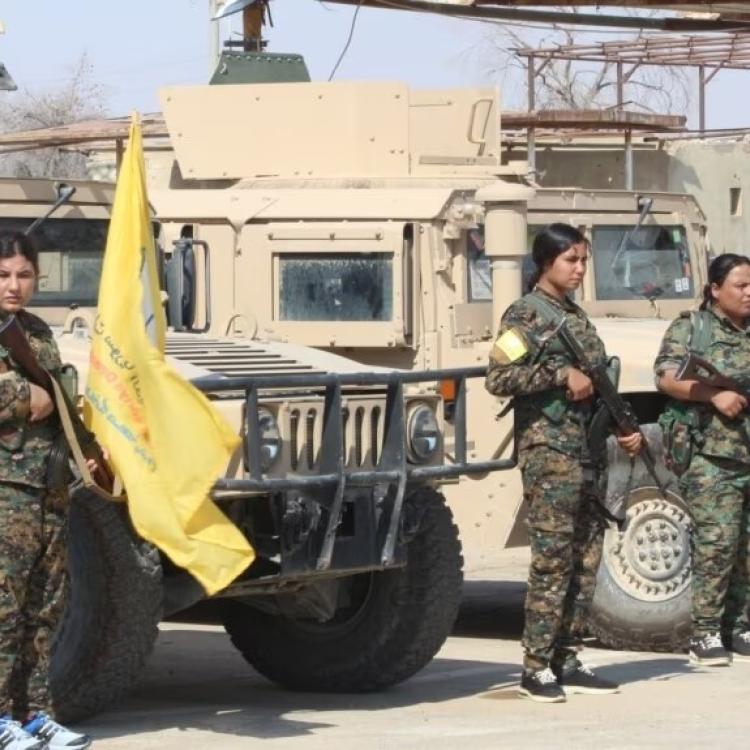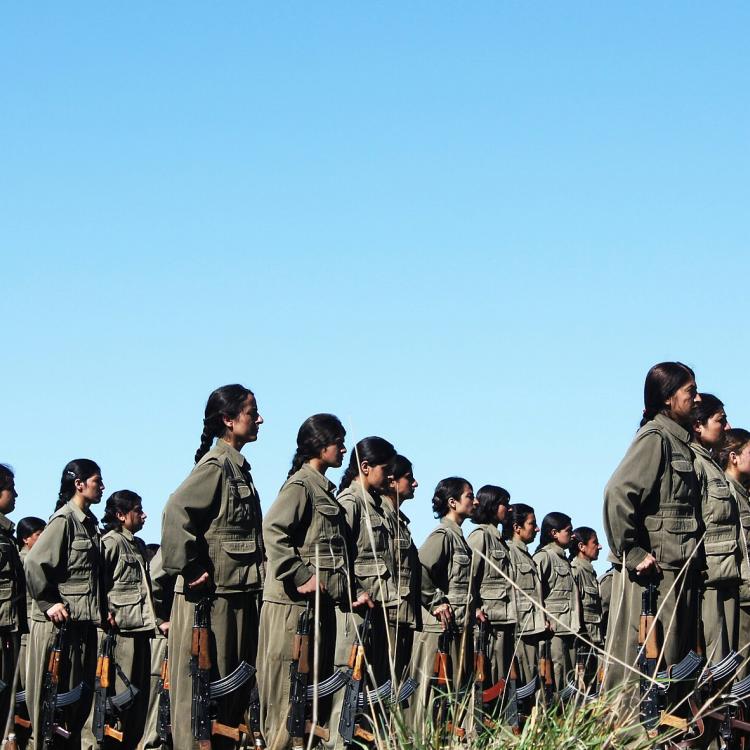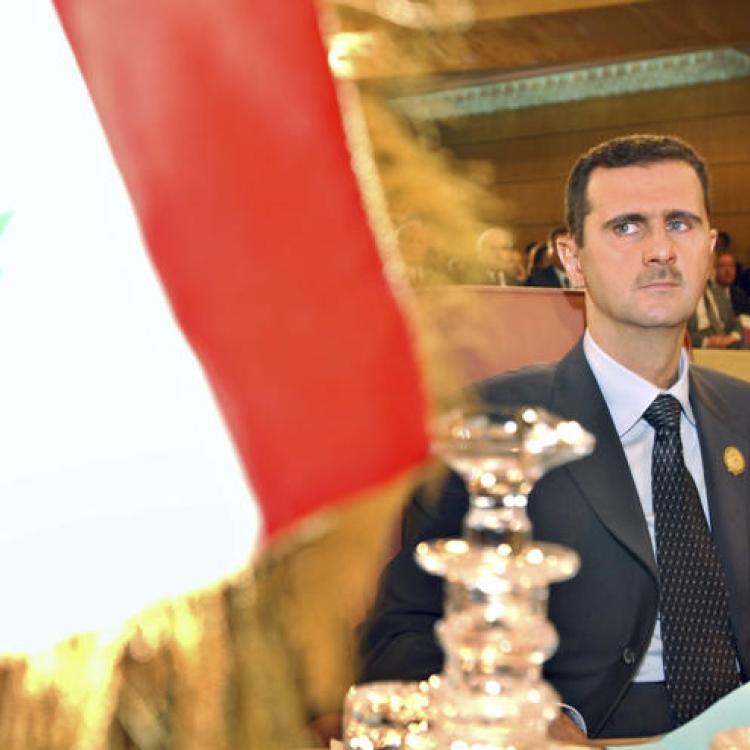
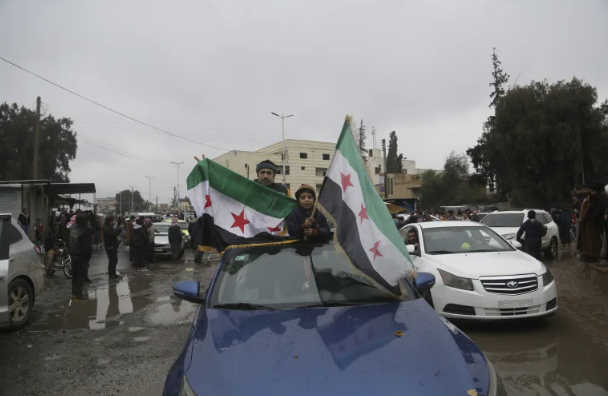
The Syrian government has announced a four-day ceasefire with the Kurdish-led Syrian Democratic Forces (SDF) after the army continued to seize territory in the country’s northeast.
The Syrian Army announced the ceasefire, which came into effect at 8pm (17:00 GMT) on Tuesday.
It also said it had asked the SDF to provide the name of a candidate for the role of assistant to the defence minister in Damascus, as part of efforts to integrate the Kurds into the Syrian state.
The SDF confirmed it had accepted the ceasefire and said it would not engage in any military action unless attacked.
“We also affirm our openness to political paths, negotiated solutions, and dialogue, and our readiness to move forward with the implementation of the January 18 agreement in a manner that serves de-escalation and stability,” the SDF said in a statement.
However, shortly after the ceasefire came into effect, the SDF claimed that government-allied groups were launching an attack, “using heavy weapons”, on the village of Tal Baroud, along the Abyad road, south of Hasakah.
According to the SDF’s spokesperson, Farhad Shami, the town of Zarkan has been “under intense artillery shelling” in recent hours by Damascus-affiliated factions. He said that government-allied forces have also attacked al-Aqtan Prison north of Raqqa, using five suicide drones and heavy gunfire.
Syria’s Ministry of Interior said the army’s forces have begun to take control of the al-Hol camp in northeastern Syria, home to thousands of ISIL (ISIS) fighters’ families as well as other long-term refugees from the conflict. The SDF abandoned control of the camp earlier on Tuesday.
The SDF still retains control of Hasakah city, with a population of Kurds and Arabs, and the Kurdish-majority city of Qamishli. The Syrian government said its forces would not try to enter either of the cities during the ceasefire.
The US envoy to Syria, Tom Barrack, announced that the Syrian government was now the US’s main partner in fighting ISIL, a role previously held by the SDF.
Where have the Syrian Government forces advanced?
The provinces of Raqqa, Deir al-Zor and parts of Hasakah province.
The territories include Syria's biggest oil fields, a major hydroelectric dam, agricultural regions, jails holding Islamic State militants, and a camp where Islamic State-linked civilians are held.
The SDF captured much of the territory from Islamic State when it was the primary U.S. partner fighting the jihadists in Syria.
Kurdish Rights?
Syria’s President Ahmed al-Sharaa has issued a decree formally recognising Kurdish as a “national language” and restoring citizenship to all Kurdish Syrians.
Al-Sharaa’s decree last Friday came after fierce clashes that broke out last week in the northern city of Aleppo, leaving at least 23 people dead, according to Syria’s health ministry, and forcing tens of thousands of people to flee the two Kurdish-run pockets of the city.
The decree for the first time grants Kurdish Syrians rights, including recognition of Kurdish identity as part of Syria’s national fabric. It designates Kurdish as a national language alongside Arabic and allows schools to teach it.
It also abolishes measures dating to a 1962 census in Hasakah province that stripped many Kurds of Syrian nationality, granting citizenship to all affected residents, including those previously registered as stateless.
The decree declares Newroz, the spring and new year festival, a paid national holiday. It bans ethnic or linguistic discrimination, requires state institutions to adopt inclusive national messaging and sets penalties for incitement to ethnic strife.
Reacting to the decree, the Kurdish administration in Syria’s north and northeast said the decree was “a first step, however it does not satisfy the aspirations and hopes of the Syrian people”.
It added that “rights are not protected by temporary decrees, but… through permanent constitutions that express the will of the people and all components” of a society.
Read more at Al Jazeera and here