Photograph via @melanirgk
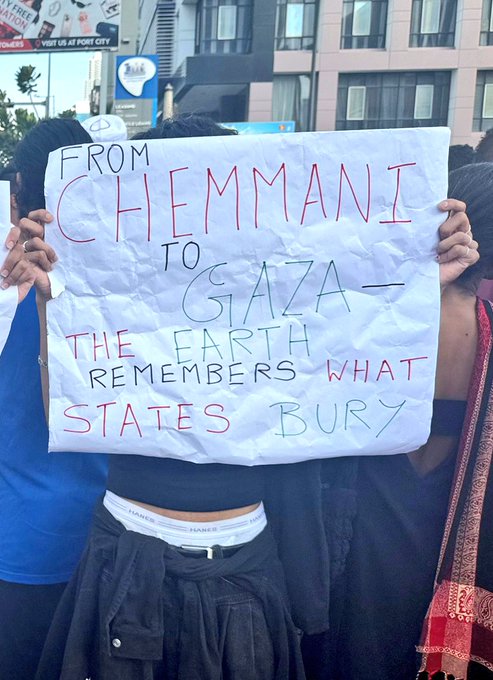
Amid the many protests that have taken place in Colombo denouncing Israel’s genocide in Gaza, one placard stood out this month. It read “From Chemmani to Gaza – the earth remembers what states bury.”
The sign was a clear attempt at building solidarity, comparing and showing the parallels between the mass graves in the Tamil homeland and Palestine. A recognition, perhaps, that Chemmani’s mass graves and Gaza’s mass funerals speak to a common reality of state terror and impunity. These gestures taking place in the South, after decades of silence, complicity and even open support for the Sri Lankan state’s war on the Tamil people are, of course, welcome. But though well-intentioned, without meaningful action behind it, such symbolism falls devastatingly short.
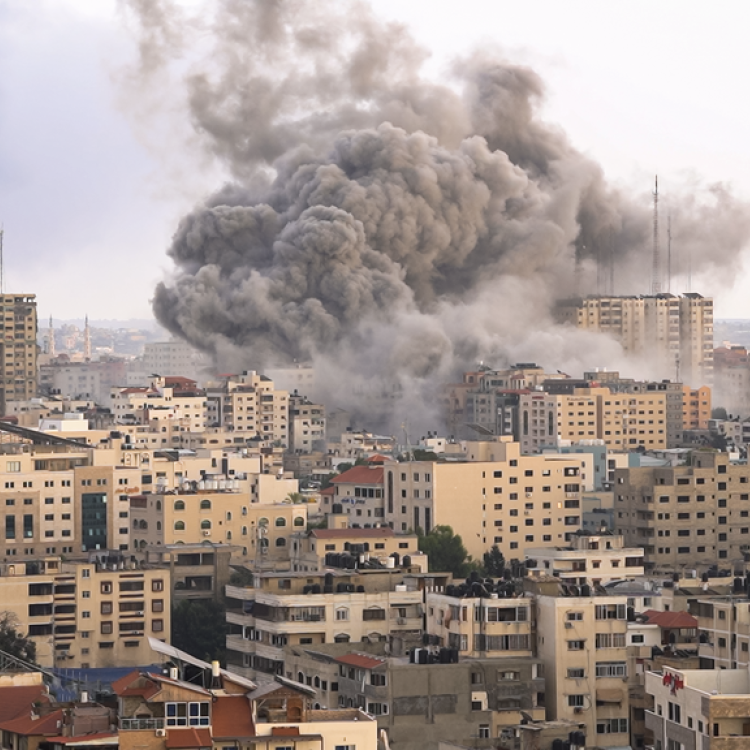
In recent months, Sri Lanka has witnessed vocal mobilisations in support of Palestinians. The brutal assault on Gaza has evoked outrage and sympathy across worldwide, including in Sri Lanka’s south. Yet these same voices, now so confidently calling out Israel’s crimes, were once eerily silent, or worse, complicit, during the slaughter of Tamils.
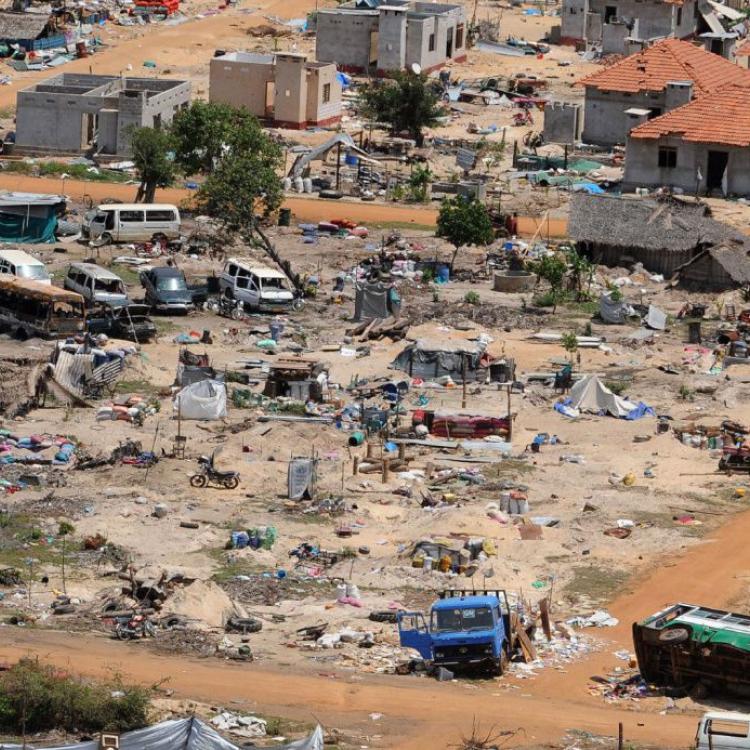
If they can denounce Israeli jets being dropped on Palestinian children, where were they when the same Israeli jets dropped explosives on Tamil children? If they can see and loudly call out the genocide in Gaza, why do they remain silent on the genocide that their own government carried out in Mullivaikkal?
These are not rhetorical questions, nor do they have easy answers. They demand a serious reckoning. For decades, successive Sri Lankan governments have perpetrated structural violence, mass atrocities and genocide against the Tamil people. These crimes were not conducted in secret. They were executed with the full support of the state, endorsed by the Sri Lankan establishment, and celebrated by large swathes of the Sinhala and Muslim population - including many who now protest for Gaza.
A placard alone will not be enough. It may mark a rare departure from the silence, but solidarity cannot be reduced to slogan. It will take more than these token gestures.
If those in the South genuinely see parallels the crimes committed by Israel and Sri Lanka, then they must confront their complicity and challenge the structures that enabled and continue to sustain Sri Lanka’s military occupation of the North-East.
But hopes of such meaningful solidarity are not high. The lack of any meaningful support with the Tamil people is yet to be seen. As it stands, there has not been a single protest in the South echoing Tamil calls for international accountability at Chemmani. No marches have been organised demanding answers for the infants’ remains unearthed from those graves. There have been no calls for international, independent forensic investigations, no mass mobilisation in support of Tamil families of the disappeared. There has been no echoing of demands, no extension of solidarity, not even any travel to the North-East to join the several rallies and vigils.
Even on May 18, when Tamils across the world mourn their genocide, most Southern activists still shy away from naming the crime. They speak of “tragedy,” of “loss,” of “war,” but not genocide. This deliberate evasion reflects not just discomfort but a refusal to confront the historical and ongoing violence that the Sri Lankan state has unleashed on Tamils.
If solidarity is to be anything more than performance, it must reckon with history, acknowledge complicity, and act in service of justice. It would mean showing up not just on social media or protesting for Gaza in Colombo. If, for example, a gathering to denounce the crimes at Chemmani were to take place, it must have more than vague calls for justice. It must echo the language and demands of the victims and survivors in the North-East. It would mean demanding international investigations into atrocities, acknowledging the genocide, calling for the demilitarisation of the Tamil homeland, and showing up for a free Tamil Eelam.
Chemmani and the suffering of the Tamil people cannot be reduced to a placard. Their struggle deserves a genuine commitment to liberation. It cannot be co-opted, whitewashed or sanitised.