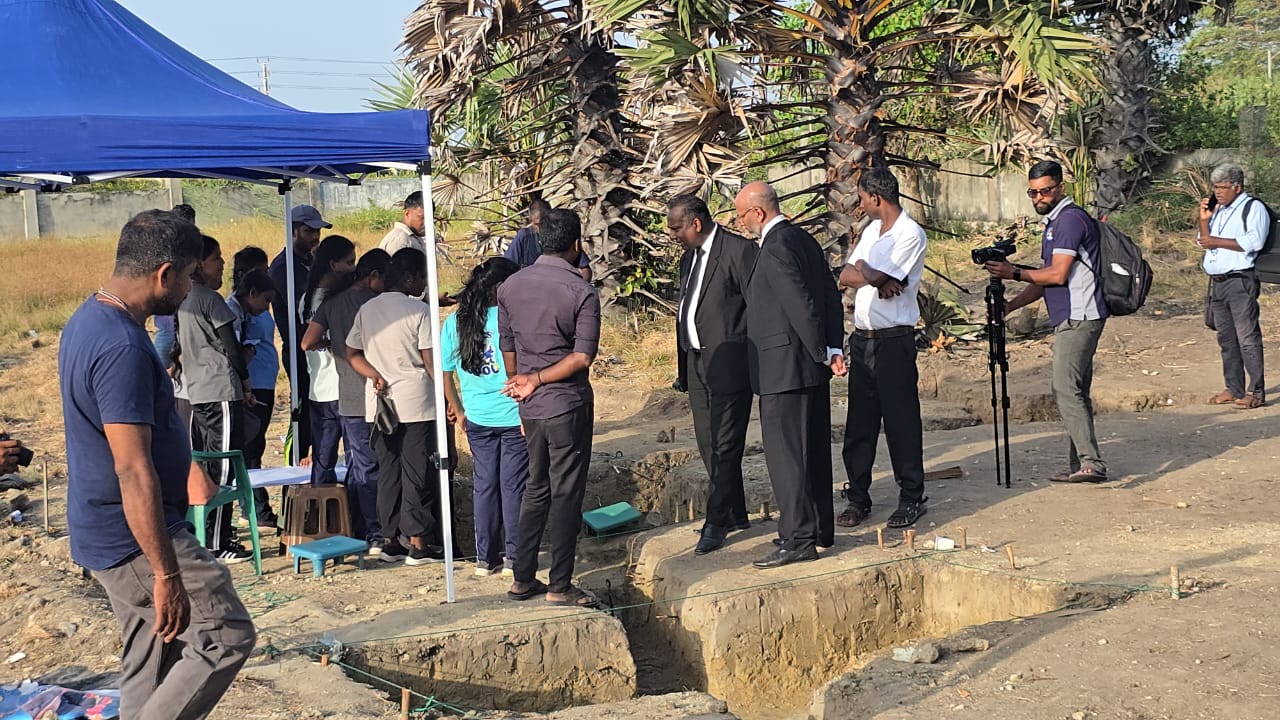
The second phase of the Chemmani mass grave excavation in Jaffna has been temporarily halted, following the recovery of 65 human skeletal remains, officials confirmed.
Excavation work, which had been ongoing for the past 15 consecutive days, has now been suspended and is scheduled to resume on July 21. This latest phase brings the total number of excavation days at the Chemmani site to 24.
Of the 65 sets of skeletal remains recovered so far, 63 were exhumed from the initial forensic zone, Forensic Excavation Site No. 01, located within the Sindhubaththi Hindu Cemetery.
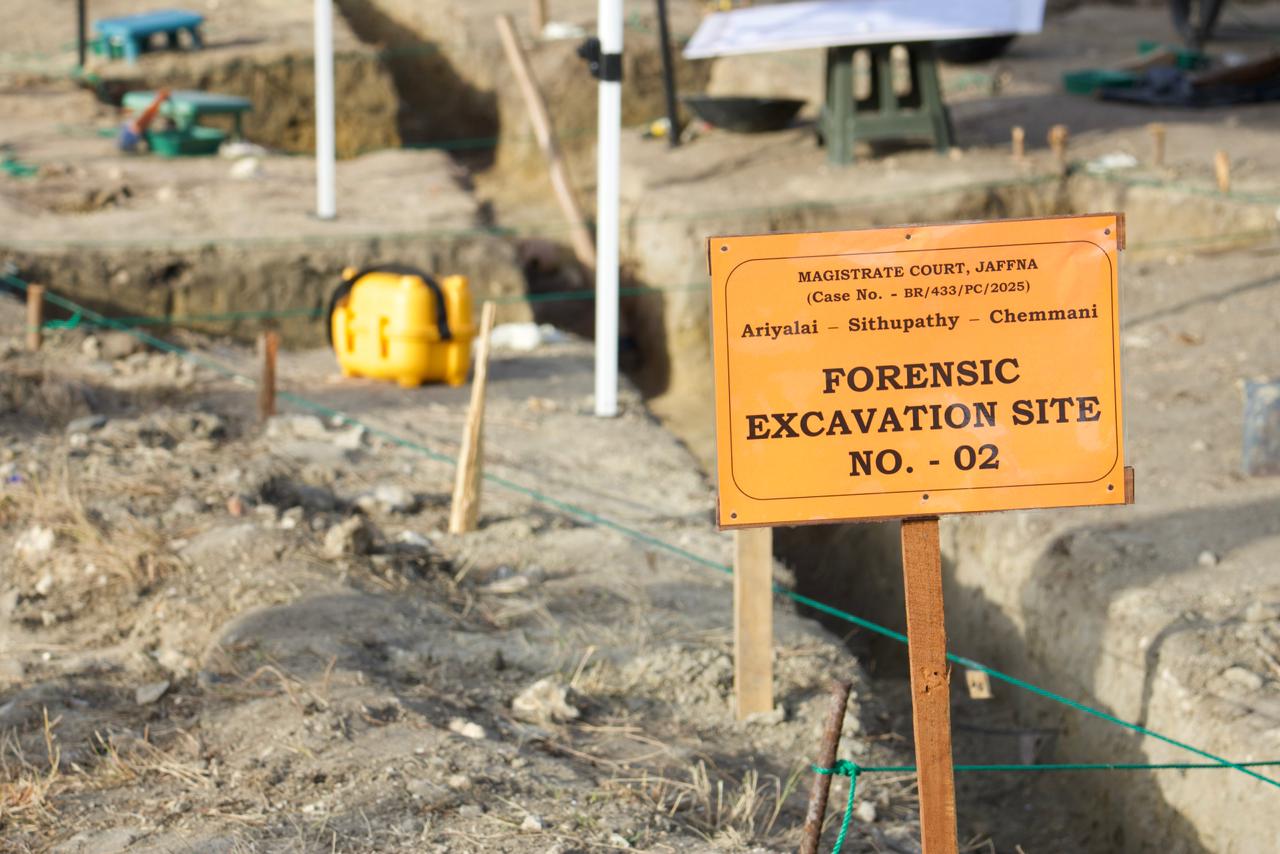
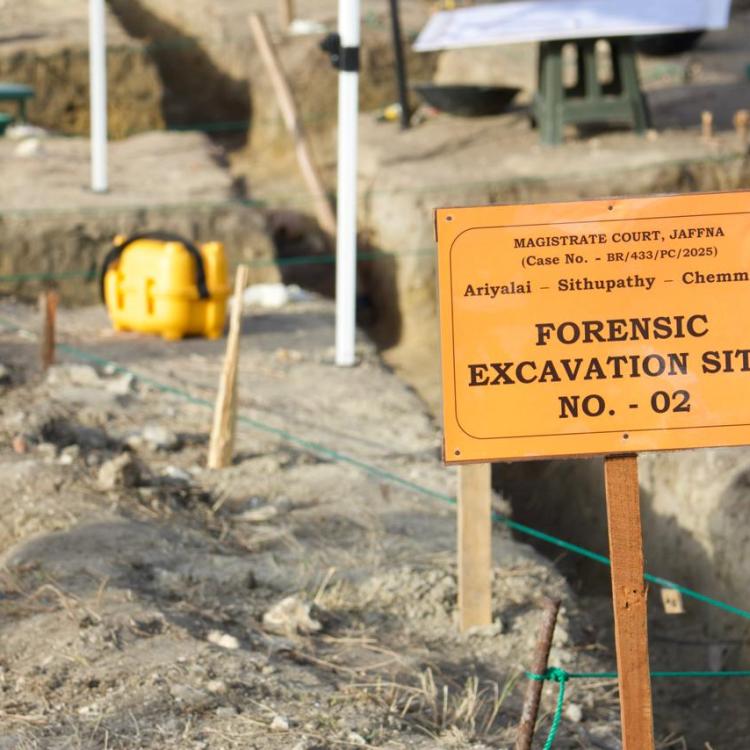
The remaining two were recovered from the adjacent Forensic Excavation Site No. 02, which was identified earlier this month based on satellite imagery and court-approved investigations.
Officials noted that skeletal remains found at Site No. 02 appeared to be in a disordered and disturbed condition, raising concerns about possible tampering or past unauthorised disturbances.
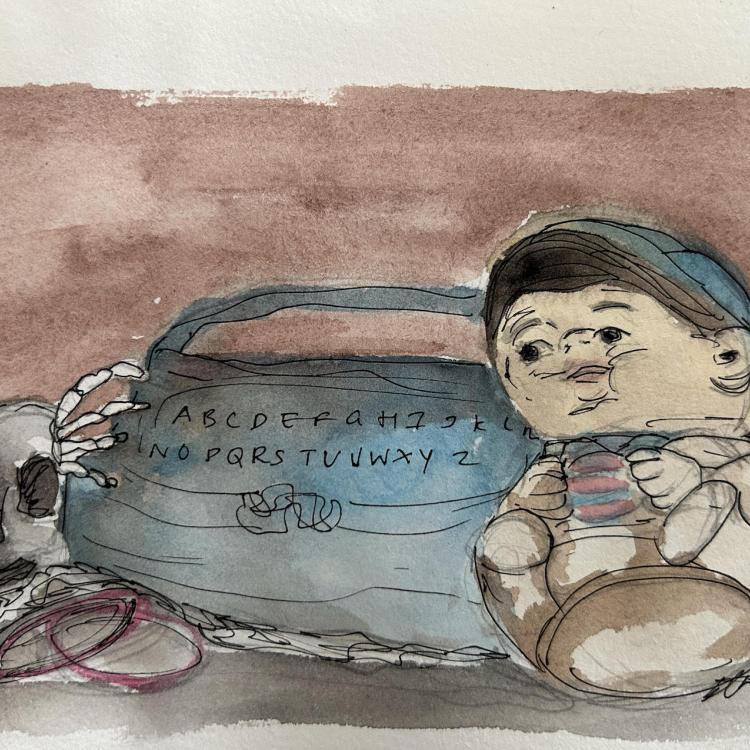
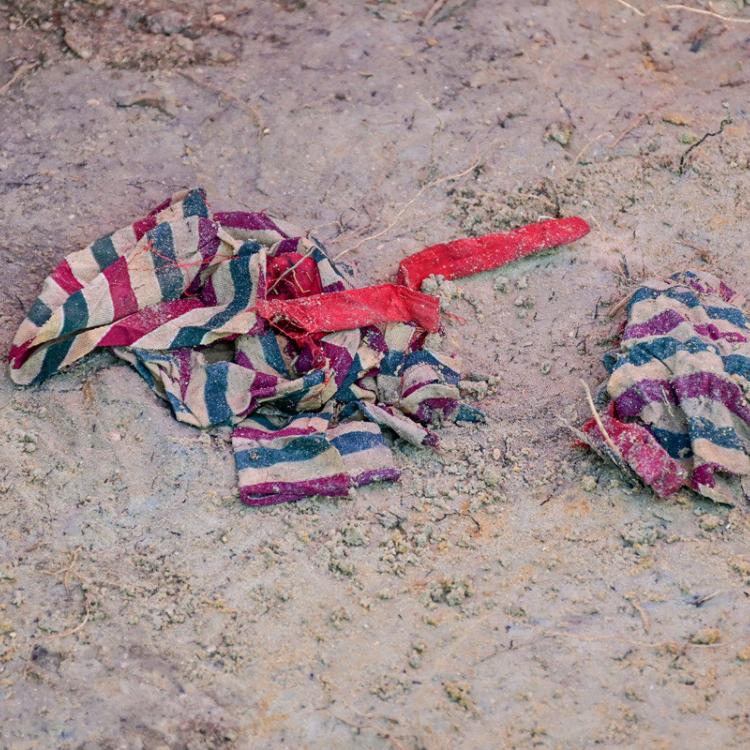
All exhumed remains are currently in the custody of the Judicial Medical Officer (JMO), who is overseeing the forensic process. In addition to the skeletal remains, several personal items were discovered within the burial pits, including bags, slippers, spectacles, articles of clothing, and even a child’s doll. These have been secured as evidentiary material under judicial protection.
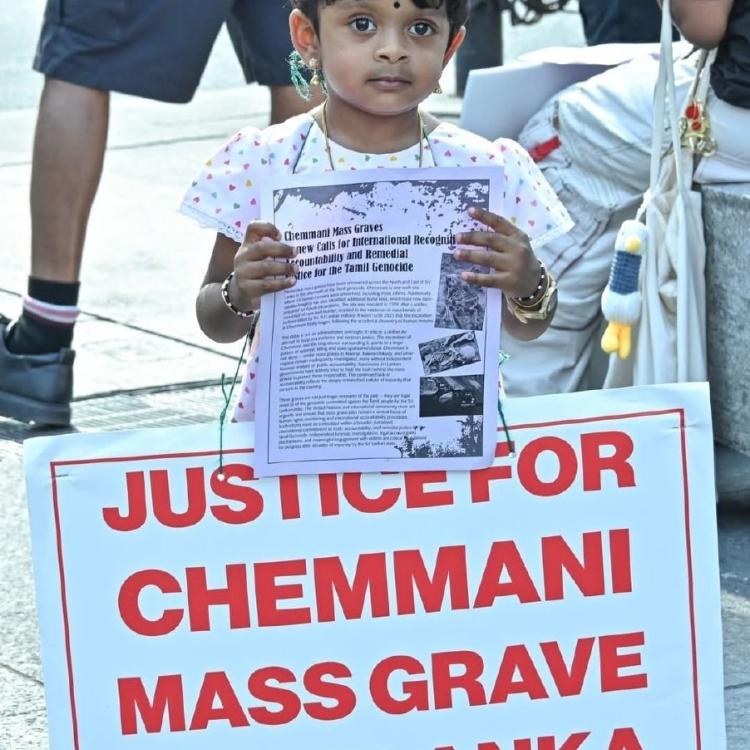
The Chemmani mass grave has long been the subject of calls for independent investigations. Initial testimonies in 1998 by convicted Sri Lankan soldier Somaratne Rajapakse led to the identification of the burial sites. The recent discovery of infants’ remains has renewed international calls for accountability.
Human rights organisations and Tamil groups have consistently raised concerns about delays in the forensic process and a lack of resources allocated to ensure exhumations meet international standards. They have repeatedly demanded an international oversight process.