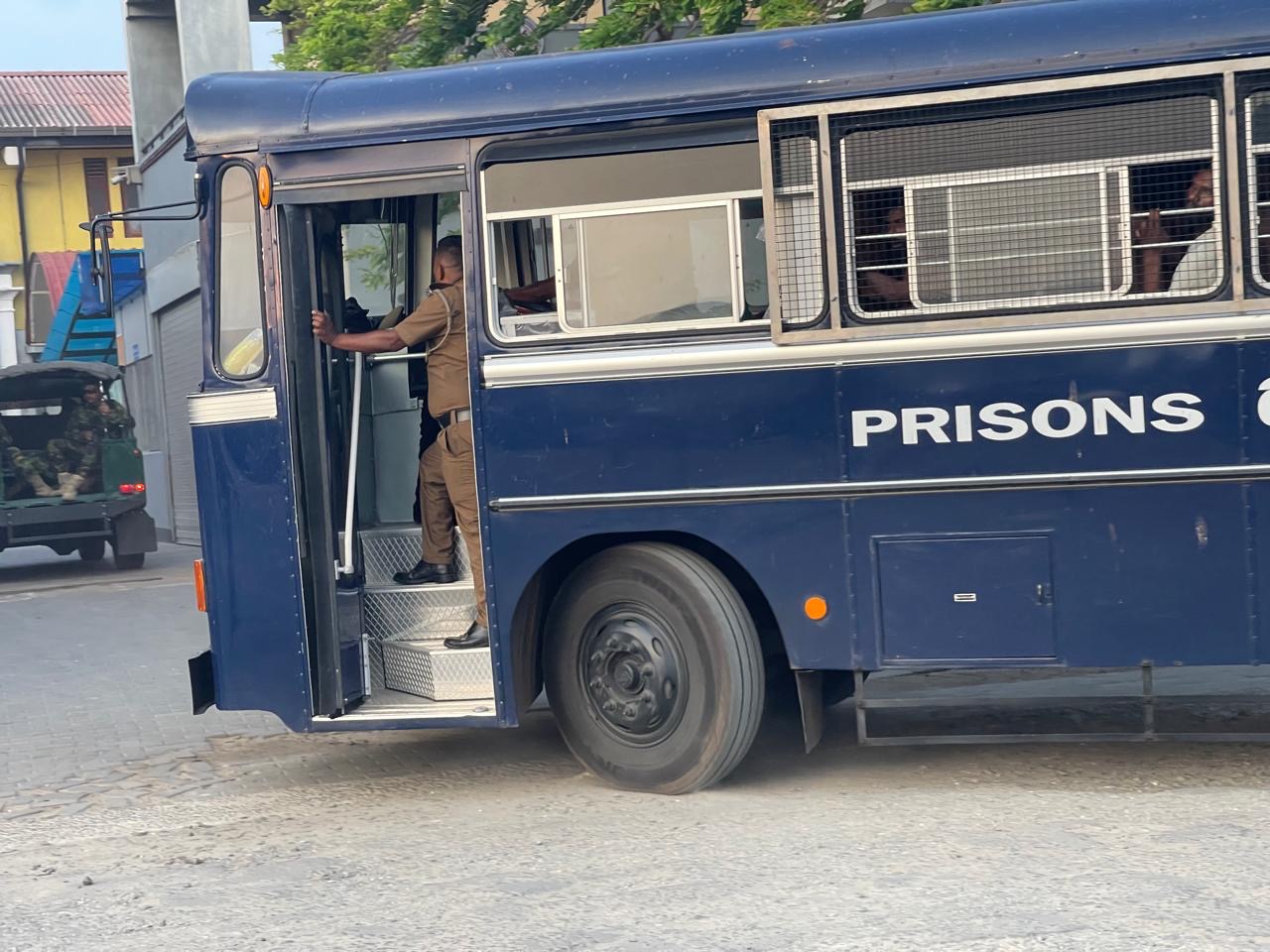
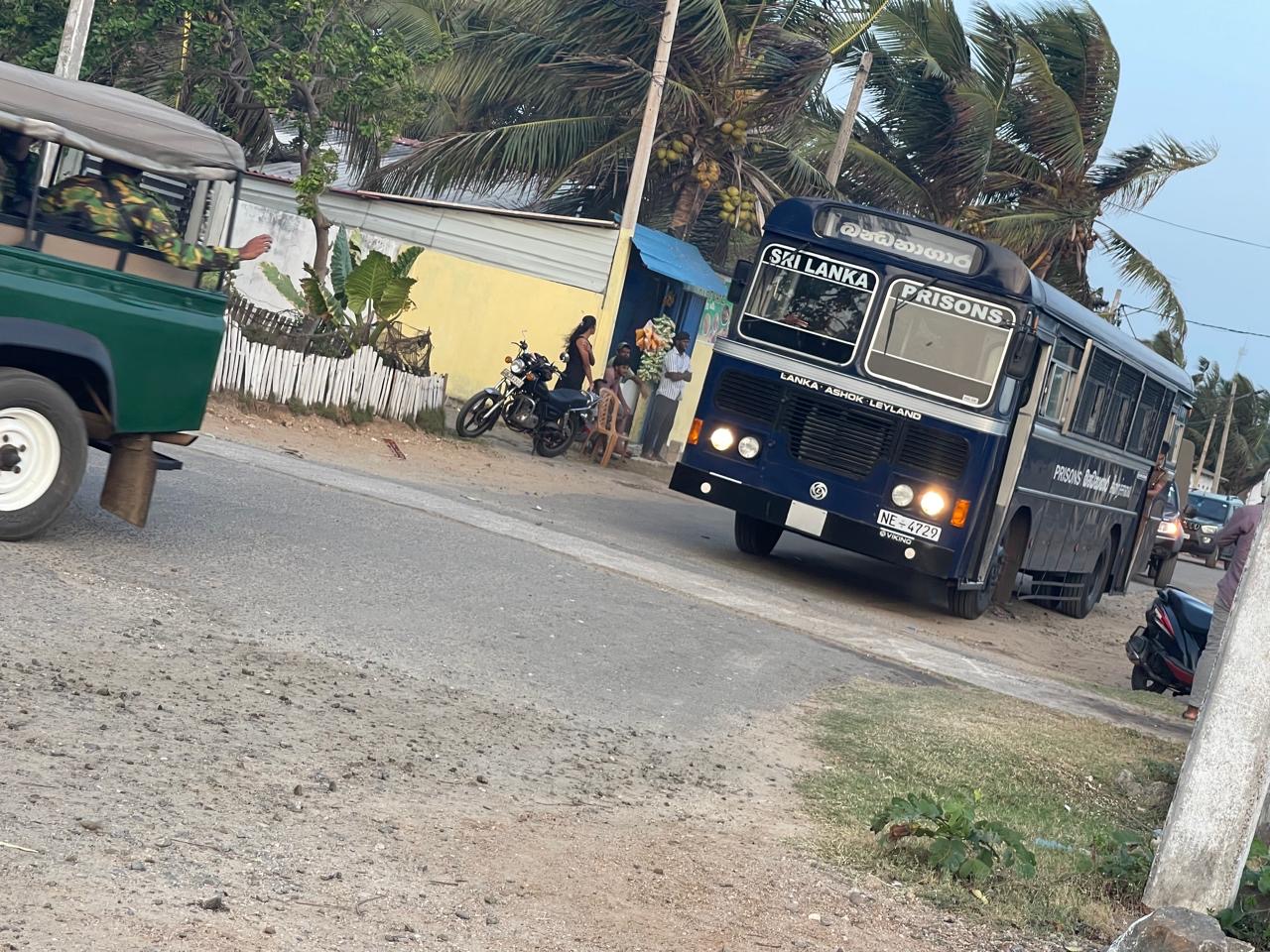
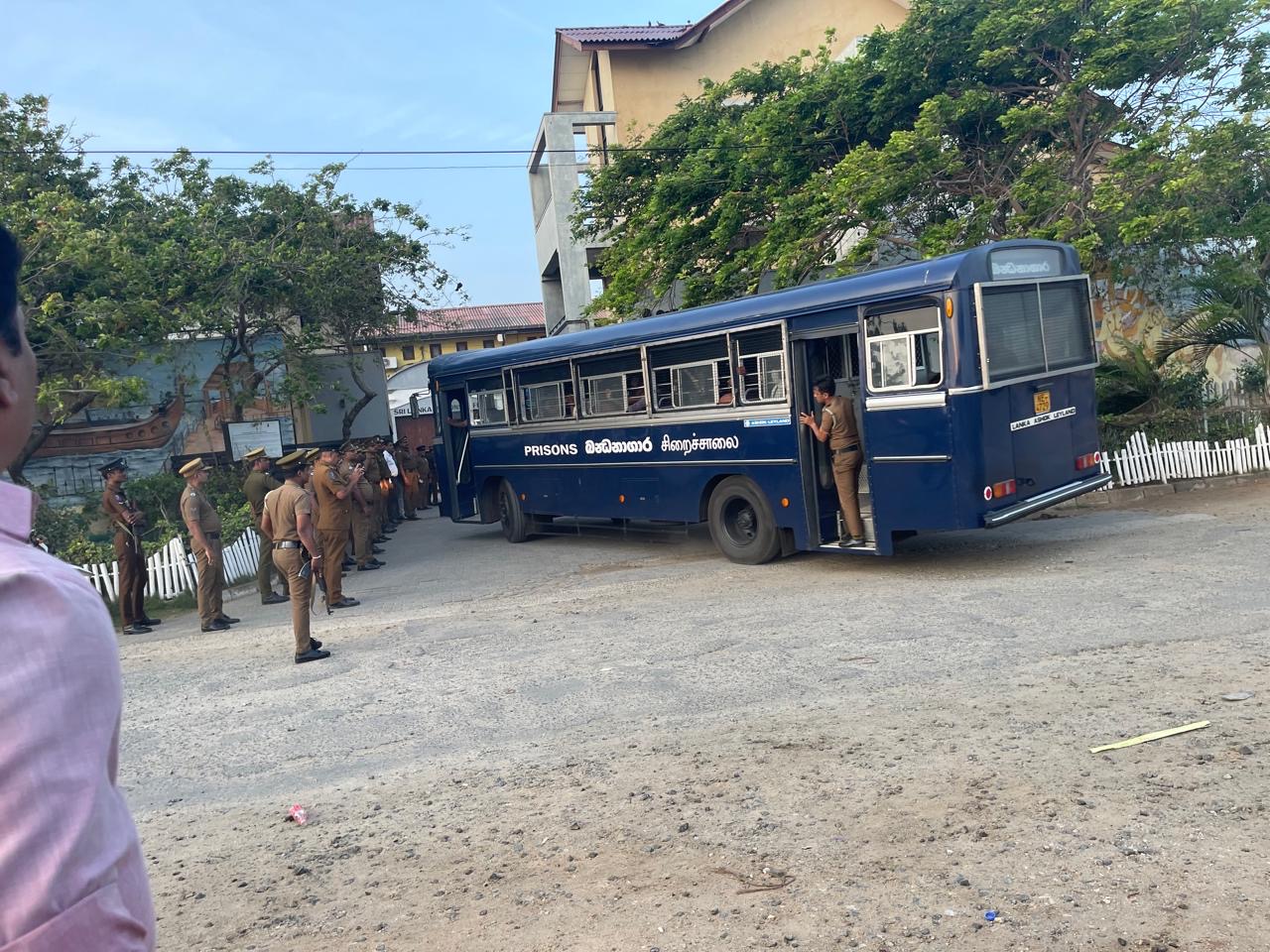
Sri Lankan authorities transferred more than 100 inmates from Negombo Prison to prison facilities in Jaffna and Batticaloa on Tuesday under heavy security, following deadly violence at the Negombo facility that killed at least 26 people and injured more than 100.
The emergency transfers come after two days of clashes inside Negombo Prison, one of the deadliest prison incidents in Sri Lanka in recent years.
According to Reuters, the violence began after prisoners reportedly tipped off officials about drug smuggling activities inside the prison, triggering attacks by inmates linked to the smuggling network. Authorities said the unrest then escalated, with inmates attacking guards using bricks and poles before prison officers opened fire.
The dead included prison officers and inmates, while dozens of injured people were taken to hospital with gunshot wounds, cuts and other injuries.
The area surrounding Negombo Prison remained under heightened security after the riot, with police, special forces and military personnel deployed as authorities moved hundreds of prisoners to other facilities.
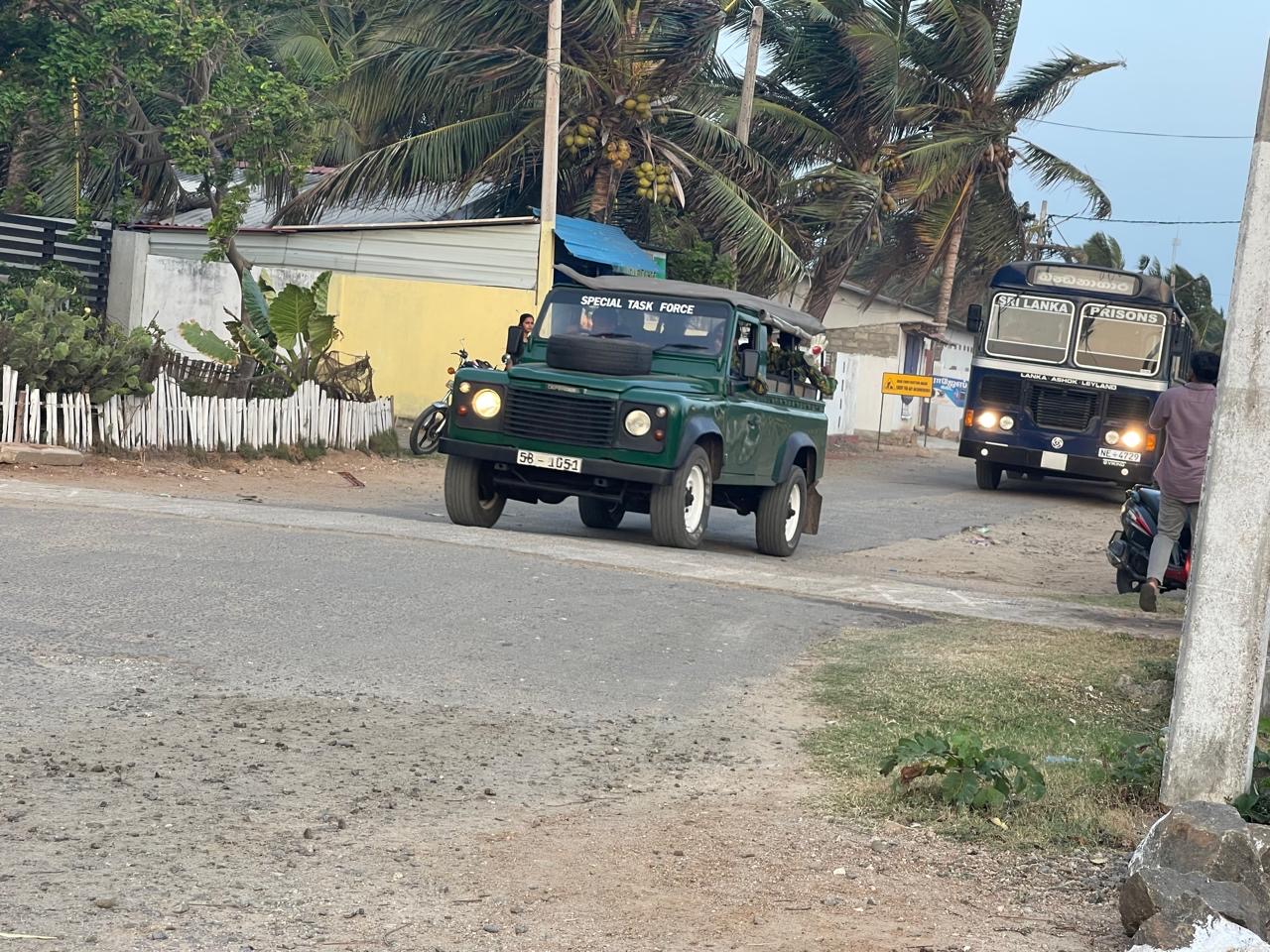
According to local reports, 60 inmates from Negombo were brought to Jaffna Prison as part of the emergency redistribution.
They were transported under tight security on Tuesday following the violence at the Negombo facility.
Another 60 inmates were transferred to Batticaloa Prison on the same day, also under heavy security.
The transfer to Batticaloa has drawn particular concern because the facility is already severely overcrowded. LankaFiles reports Batticaloa Prison has a designed capacity of around 400 inmates but is already holding approximately 960.
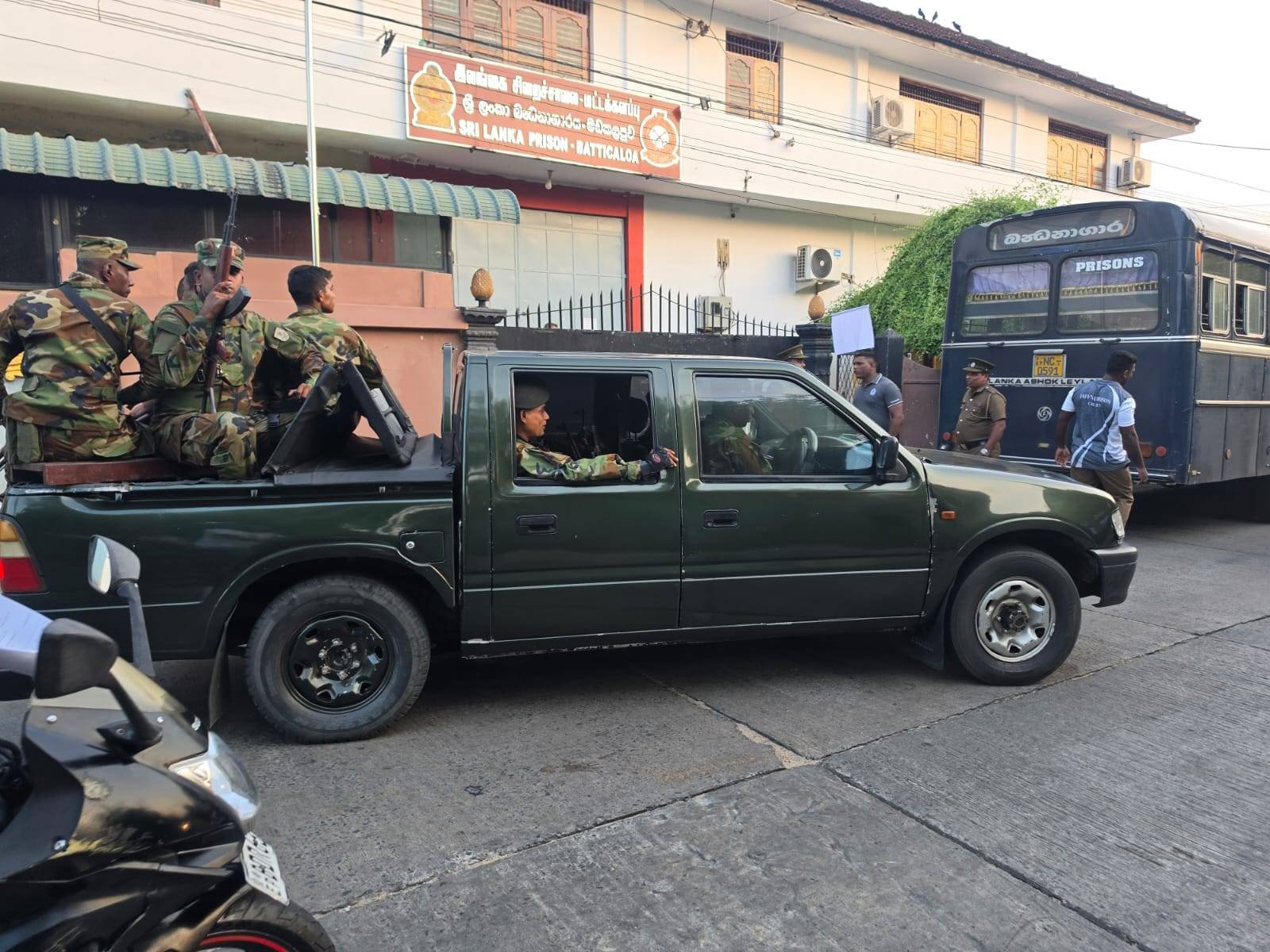
Authorities have said more than 700 inmates are being moved out of Negombo Prison to other facilities across the island as investigations into the violence continue.
Reuters reported that 734 prisoners were transferred following the riot in an attempt to reduce congestion and restore order.
The violence has once again exposed the scale of overcrowding inside Sri Lanka’s prison system.
Negombo Prison was reportedly holding around 2,400 inmates despite having a designed capacity of only 650. AP reported that prison advocacy groups have pointed to the same overcrowding crisis, noting that Sri Lanka’s prisons are holding far more detainees than they were built to accommodate.
The transfer of inmates has raised concern that the government is simply redistributing the crisis rather than addressing the structural failures exposed by the Negombo violence. Moving prisoners from one overcrowded facility to others, including prisons in the North-East, risks placing additional pressure on institutions with fewer resources and limited capacity.
The Negombo riot came just weeks after the Committee for Protecting Rights of Prisoners raised concerns with a visiting United Nations delegation over custodial deaths, torture, overcrowding and deteriorating detention conditions in Sri Lanka.
The Committee told the UN Subcommittee on Prevention of Torture that Sri Lanka recorded 184 prison deaths in 2024 and that seven custodial deaths had already been reported across the island in 2026. It also said the national prison overcrowding rate had reached 286.6 per cent, with some facilities, including Vavuniya Remand Prison in the Tamil homeland, operating at more than three times their intended capacity.
The Negombo violence is the latest in a long line of deadly prison incidents.
In 2020, 11 prisoners were killed and more than 100 injured at Mahara Prison, after prison guards opened fire during unrest that erupted amid the spread of Covid-19 in overcrowded prisons. That violence recalled the 2012 Welikada Prison massacre, where at least 27 inmates were killed after a Police Special Task Force search operation. Court proceedings later found that several prisoners had been called out by name and executed, while weapons were planted to make it appear that prisoners had fired on guards.
Sri Lanka’s prison system also carries a brutal history for Tamils.
During Black July in 1983, Tamil political prisoners were massacred inside Welikada Prison, with 37 Tamil detainees killed on 25 July and a further 18 killed two days later.