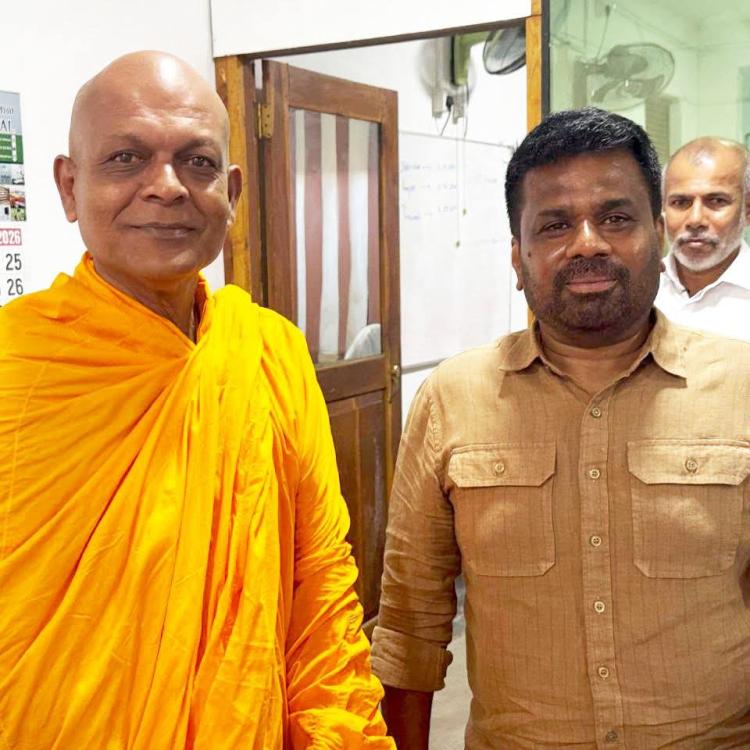
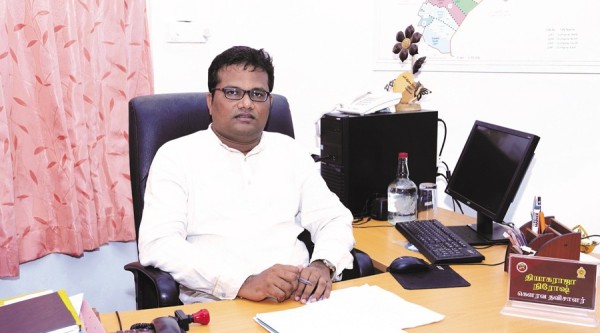
Valikamam East Pradeshiya Sabha Chairman Thiyagarajah Nirosh has criticised the Sri Lankan government’s response to allegations of child abuse involving the Sinhala Buddhist clergy, warning that the state remains constrained by Buddhist majoritarianism and is failing to uphold the principle that all citizens are equal before the law.
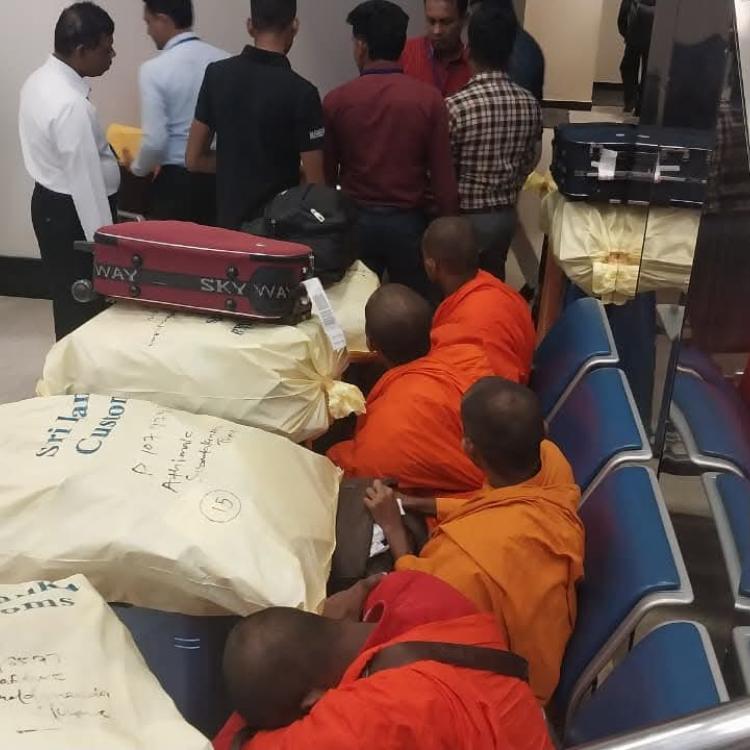
His remarks come amid controversy surrounding the recent release on bail of a senior Buddhist monk accused of sexually abusing a minor girl over a period of several years. The case has sparked widespread outrage across the island, with child rights advocates and civil society groups raising concerns over delays in the investigation and the treatment of allegations involving influential religious figures.
Commenting on the issue, Nirosh said the government's response demonstrated that it was not only constrained by the majoritarian politics advanced in the name of Buddhism but was also reluctant to confront wrongdoing committed by members of the Buddhist clergy.
“The Sri Lankan President’s apparent concern over how to bring offending Buddhist monks before the courts clearly reflects that the Sri Lankan government is not merely constrained by the majoritarianism advanced in the name of Buddhism but it is also beholden to the grave crimes and misconduct committed by certain Buddhist clergy,” he said.
Nirosh stressed that genuine Buddhists and the Sinhala people deserved respect, but argued that senior Buddhist institutions had become deeply intertwined with Sinhala-Buddhist majoritarian ideology.
According to him, the roots of the island's ethnic conflict lay in the promotion of racist Buddhist majoritarianism and the political influence wielded by sections of the Buddhist establishment.
Referring to the alleged abuse case in Anuradhapura, he said it was deeply troubling that a young girl seeking justice appeared to have been sidelined while public attention focused on concerns about how members of the Buddhist clergy should be brought before the courts.
He argued that the Sri Lankan state had a legal and moral obligation to ensure equal treatment before the law, regardless of religious status or social standing.
Nirosh further noted that Sri Lanka's domestic laws, as well as international obligations under United Nations conventions relating to the protection of children, required authorities to prioritise the rights and welfare of child victims.
Against that backdrop, he criticised suggestions by Sri Lankan president Anura Kumara Dissanayake that special judicial arrangements may be required when dealing with Buddhist monks accused of criminal offences.
According to Nirosh, any move to establish separate courts or legal mechanisms for members of the Buddhist clergy would represent a dangerous departure from the principle of equality before the law.
He described such proposals as a regressive step that would further damage confidence in Sri Lanka's justice system.
Nirosh also linked the controversy to broader debates over the constitutional status of Buddhism in Sri Lanka. Whilst calls have increasingly been made for a secular constitution that treats all religions equally, he argued that the government appeared to be moving in the opposite direction by seeking to extend protections beyond the privileges already afforded to Buddhism under the constitution.
Efforts to provide special legal protections for members of the clergy risk creating a culture of impunity in which individuals could evade accountability because of their religious status, he added.
He warned that the government must uphold the principle that no individual, regardless of position, rank or religious affiliation, should be placed above the law.
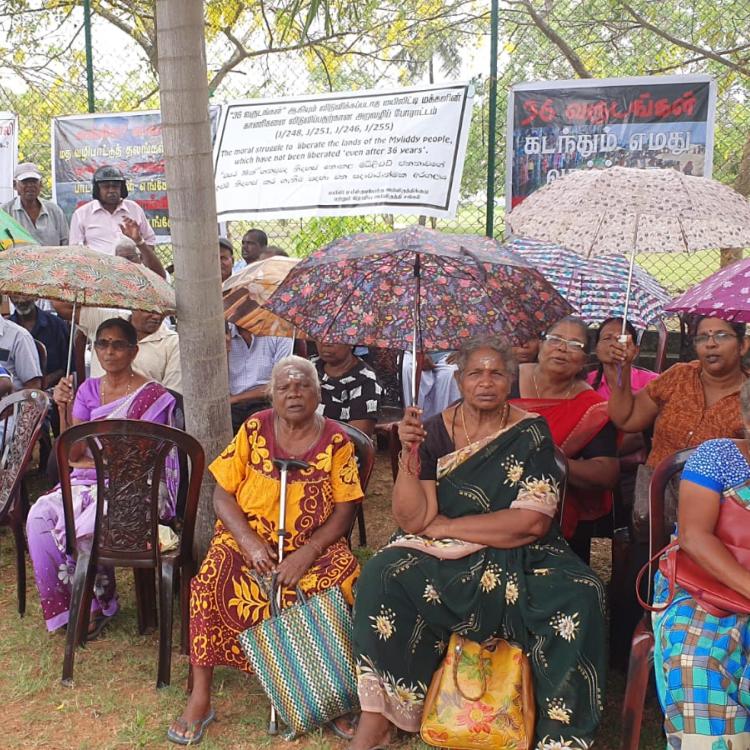
The comments come as scrutiny continues over the handling of the Anuradhapura abuse case, which has prompted protests and calls for justice from activists and civil society organisations, including demonstrations organised by women's groups in the Tamil homeland demanding accountability and protection for the victim.