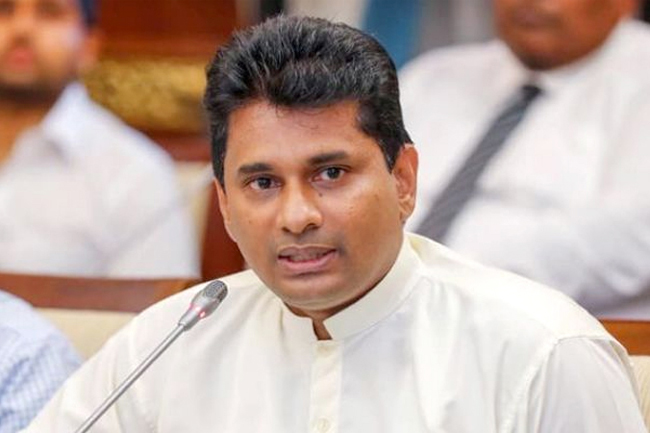
A senior figure from the Sarvajana Balaya Party has called on Sri Lankan president Anura Kumara Dissanayake and his government to publicly clarify their position on Tamil genocide remembrance activities, reiterating his party's rejection of claims that Tamils were subjected to genocide in Sri Lanka.
Speaking at a media briefing, the party's Deputy Leader, Dr Channa Jayasumana, said Sarvajana Balaya maintained a firm position that no Tamil genocide had taken place at any point in the island's history.
His remarks were made while outlining issues contained in a special letter sent to the Sri Lankan president by the party's General Secretary.
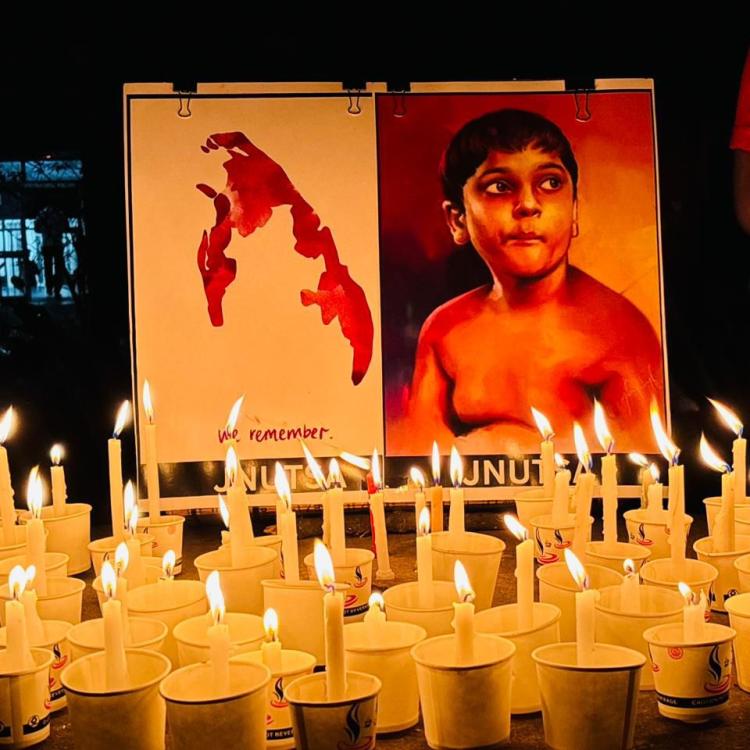
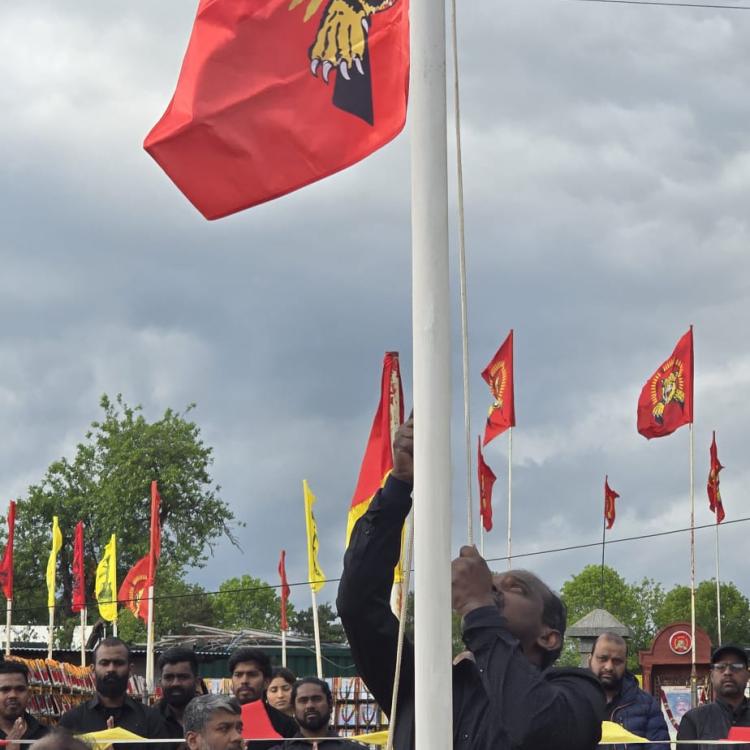
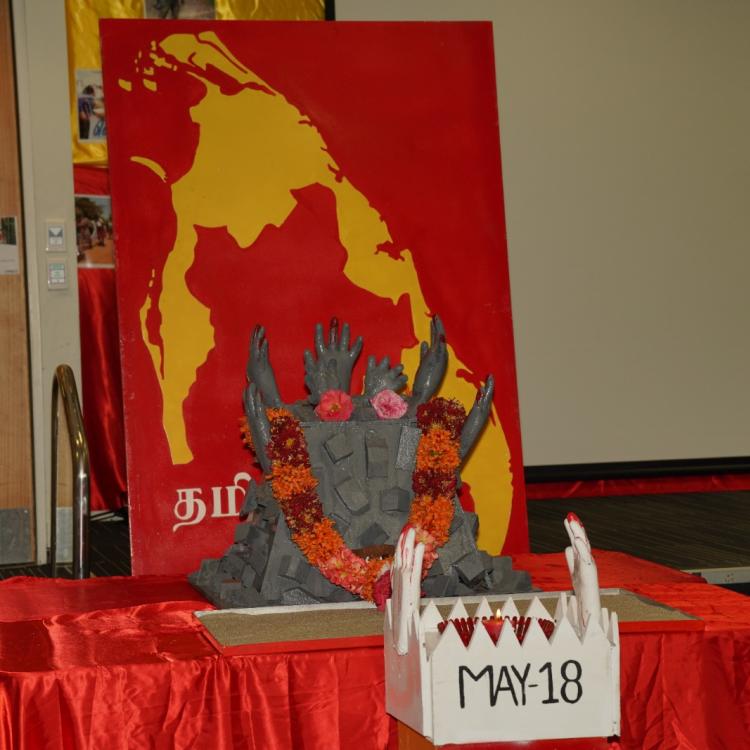
Jayasumana referred to events held across the North-East on 18 May, when Tamils commemorated Tamil Genocide Remembrance Day and honoured the tens of thousands of Tamil civilians killed during the final stages of the armed conflict.
He criticised the commemorations and the growing international recognition of the atrocities committed against Tamils, urging the government to respond publicly.
According to Jayasumana, commemorative events held in several parts of the North-East had advanced the claim that Tamils were subjected to genocide.
"The Sarvajana Balaya Party is very clear and firmly of the position that at no time, in no place in this country, has a Tamil genocide ever occurred."
He also questioned what he described as the commemoration of "terrorists" and called on the government to clarify its position regarding such events.
The comments come just weeks after large-scale commemorations were held across the Tamil homeland and throughout the diaspora, marking seventeen years since the massacres at Mullivaikkal.
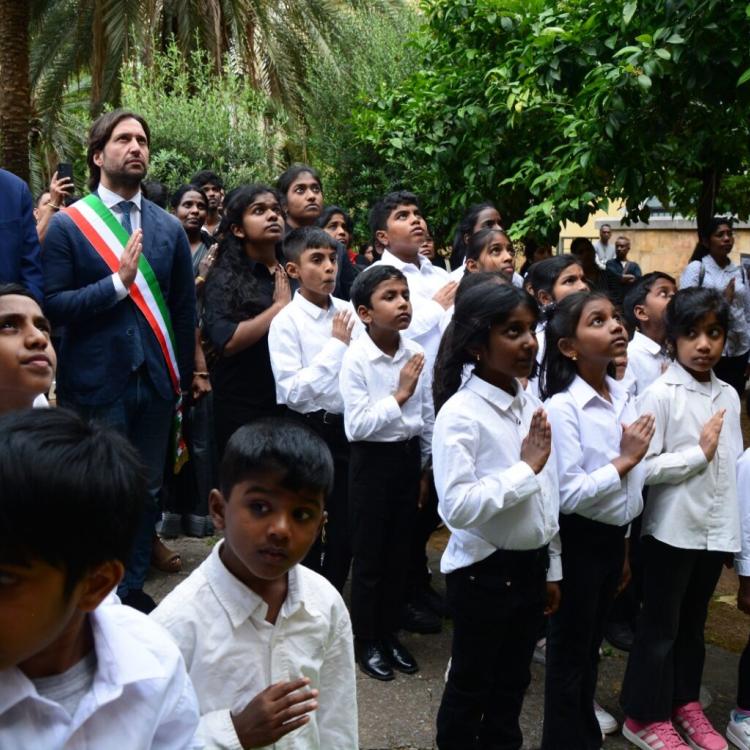
This year's remembrance events saw thousands of Tamils gather across the North-East, whilst memorial events were also held in countries including the United Kingdom, Canada, France, Germany, Australia and Switzerland.
At Mullivaikkal itself, organisers issued a declaration warning that the Tamil nation continues to face ongoing efforts to erase its identity through militarisation, Sinhalisation and Buddhisisation. The declaration renewed calls for international accountability, recognition of the Tamil nation's right to self-determination and justice for what organisers described as the Tamil genocide.
Jayasumana's remarks also come amid increasing international recognition of the crimes committed during the final phase of the armed conflict. Earlier this year, lawmakers, human rights organisations and political leaders in several countries issued statements marking Tamil Genocide Remembrance Day and calling for accountability.
Successive Sri Lankan governments have consistently rejected allegations of genocide and war crimes, despite extensive documentation by United Nations experts, international human rights organisations and independent investigations into allegations including indiscriminate shelling of civilian areas, attacks on hospitals, enforced disappearances, torture and extrajudicial executions during the final months of the war.