
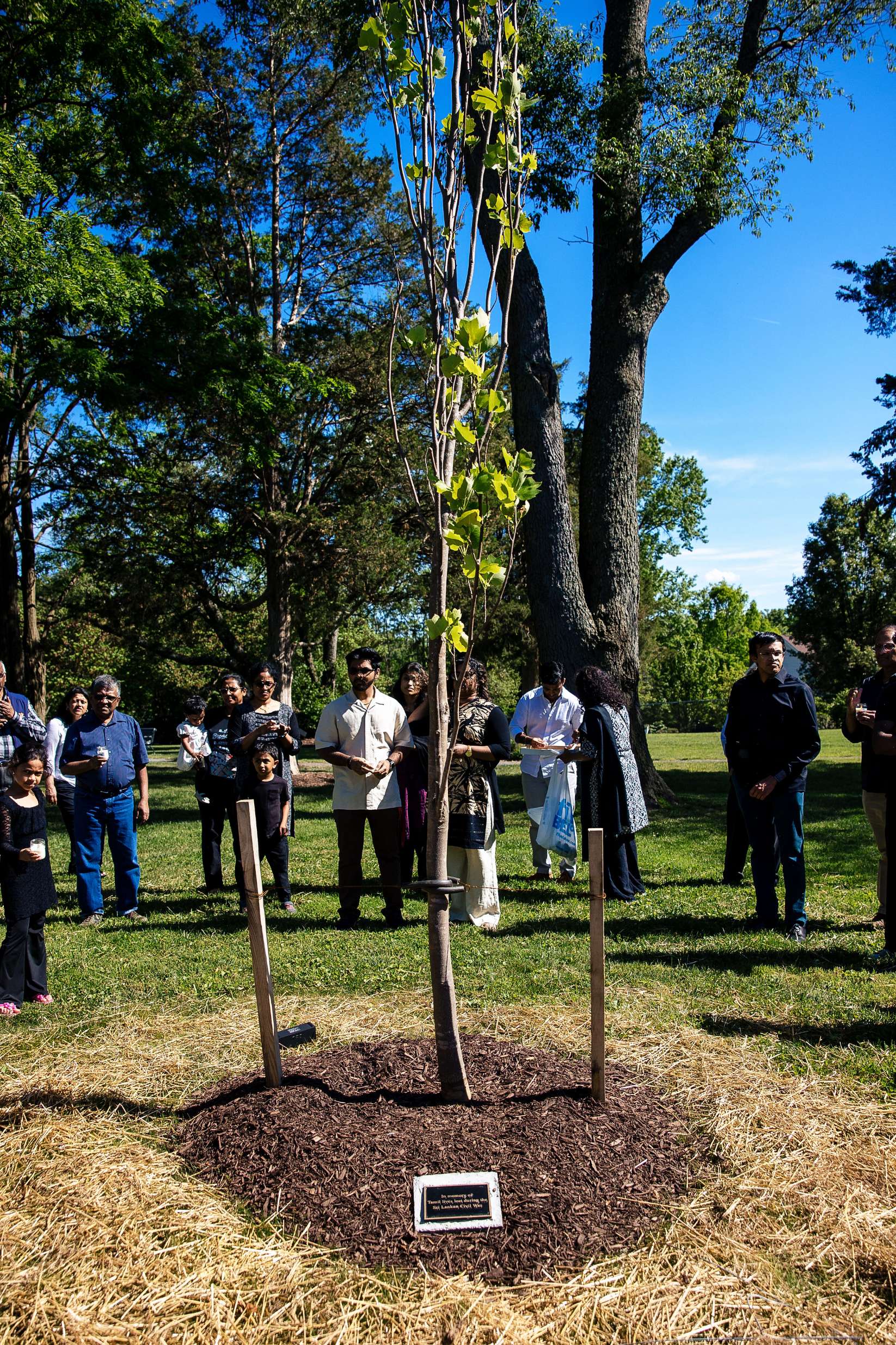
Tamil Americans in the Washington, D.C. area marked the 17th anniversary of the Mullivaikkal genocide on 17 May with an interfaith memorial event and planted a memorial tree dedicated to Tamil lives lost during the armed conflict.
The event, held at 2 p.m., began at the Activity Center at Bohrer Park in Gaithersburg, Maryland, bringing together members of the Tamil community for speeches, prayers, presentations and remembrance activities. It concluded at nearby Observatory Park with a candlelight vigil, the unveiling of a memorial tree and the distribution of Mullivaikkal kanji.
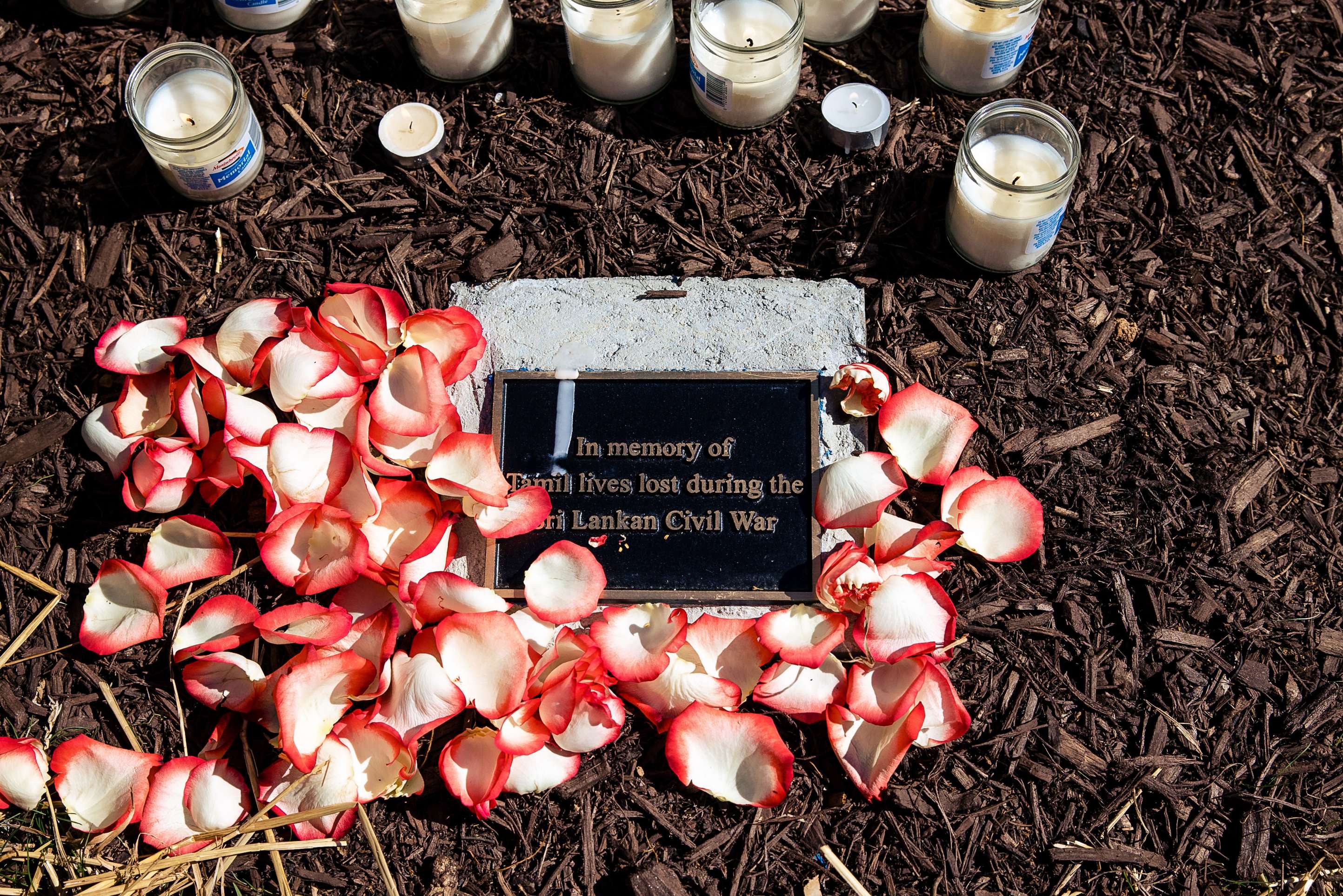
A plaque installed in front of the newly planted tree reads, “In memory of Tamil lives lost during the Sri Lankan Civil War.”
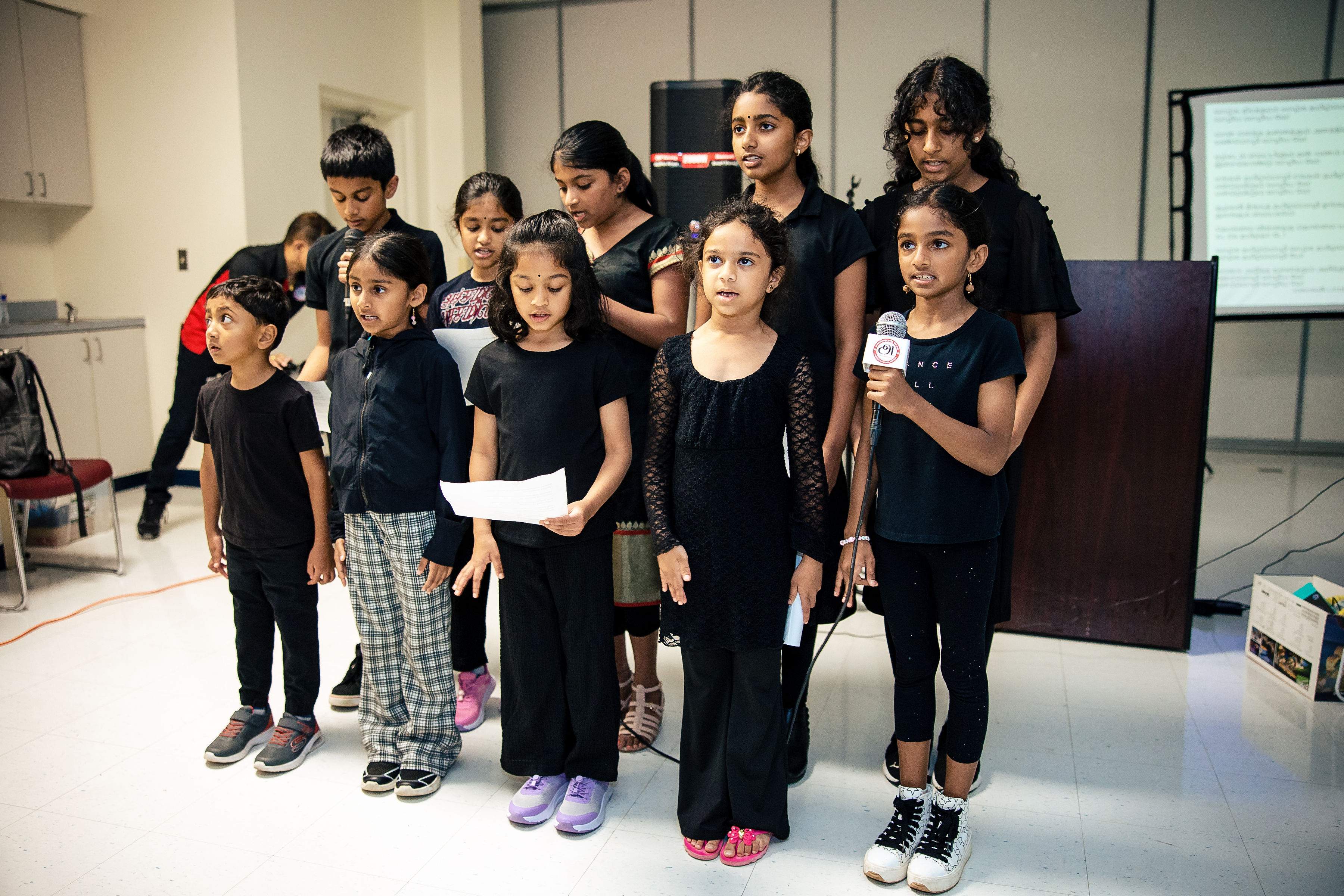
The programme opened with the reciting of Tamil Thai Vaazhthu by children from the community organisation Pazhagalaam Vaango. Organiser Dhivyan Karunakaran welcomed attendees and spoke on the importance of Mullivaikkal remembrance events in fostering unity across the global Tamil diaspora and creating space for collective healing.
Another organiser, Divy Kangeyan, reflected on his family members who were killed during the Mullivaikkal genocide, while fellow organiser Niraj Suresh performed devotional hymns from the Tirumurai, a collection of Tamil Saivite scriptures.
The interfaith event also featured a speech on death and loss from a Hindu perspective based on Saiva Siddhantha teachings, alongside virtual messages from a Tamil Christian pastor and a Tamil Muslim devotee of the Jaffna-based Sufi mystic Guru Bawa.
Youth speakers and community activists addressed attendees on the history of oppression faced by Eelam Tamils, ongoing advocacy efforts, the case for recognition of the Tamil genocide and the significance of Mullivaikkal kanji as a symbol of remembrance.
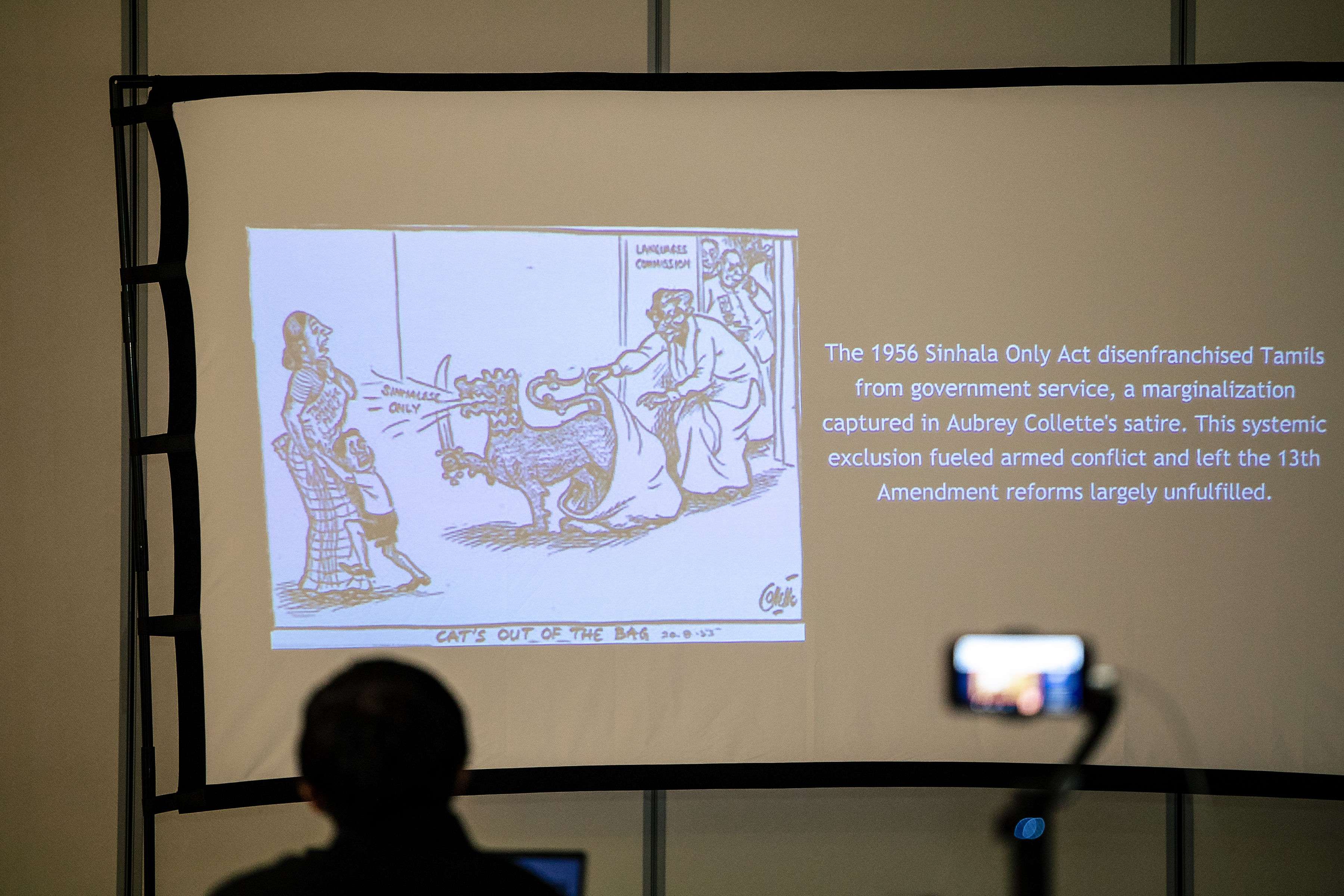
A documentary compiled by Divy Kangeyan and Niraj Suresh tracing the history of the Tamil genocide was screened during the event. Following the screening, participants walked to Observatory Park for the memorial tree unveiling and a candlelight vigil held around the tree.
Organisers said the memorial tree was intended as a living symbol of remembrance, resilience and continuity for the Tamil people.
They noted that restrictions on memorialisation and the destruction of remembrance sites in the North-East have limited opportunities for public mourning in the homeland, making such initiatives within the diaspora particularly significant.
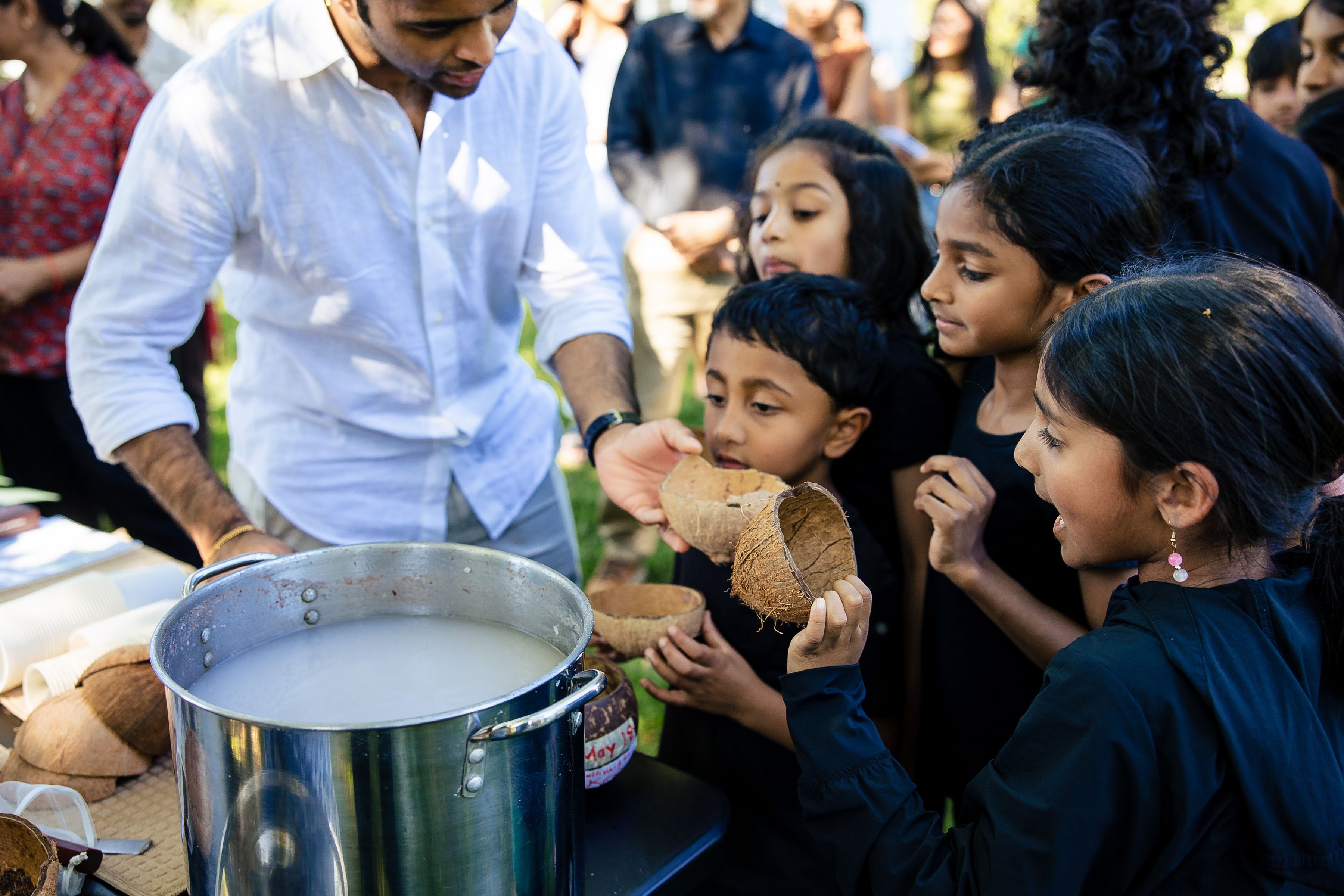
The event concluded with the serving of Mullivaikkal kanji, the simple rice porridge that sustained many Tamil civilians trapped in Sri Lanka's government-declared “No Fire Zones” during the final months of the armed conflict in 2009.
Participants said sharing the meal during remembrance week serves as a symbolic act of collective memory, honouring those who endured starvation, displacement and bombardment during the final stages of the genocide.