
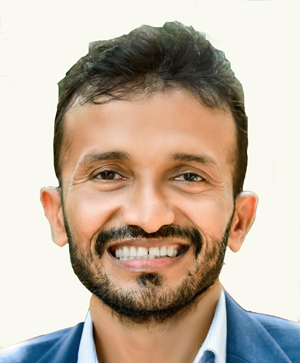
A Sri Lankan parliamentarian from the Rajapaksa-backed Sri Lanka Podujana Peramuna (SLPP) has vowed to oppose any move to officially recognise a Tamil genocide remembrance day, accusing Tamil parliamentarians from the North-East of advancing a separatist agenda.
Galle District MP Chanaka Madugoda said the SLPP would not permit the country's annual military commemoration to be redefined as a genocide remembrance day and pledged to resist such efforts both inside and outside parliament, according to a report in Murasu.
"We are concerned about civilians who lost their lives during the war and we respect the people's right to remembrance," Madugoda said. "However, recent remembrance events in the North and elsewhere were conducted while displaying banned Tamil Eelam maps, flags and songs." Commemorations incorporating what he described as "terrorist symbols" should not be permitted in Sri Lanka's "unitary state", he said, which had been preserved through what he termed the "sacrifices" of the Sri Lankan armed forces.
Madugoda further accused Tamil MPs elected from the North-East of continuing to promote "racist views" and claimed they had been elected on the basis of "racist political propaganda".
Referring to calls by Tamil representatives for international recognition of the atrocities committed during the armed conflict, he said they were seeking to have Sri Lanka's military commemoration officially redesignated as a genocide remembrance day. "Having sworn an oath as members of parliament to uphold the unitary constitution of the country, what right do they have to propose a genocide day against Sri Lanka?" he asked.
He called on the government's diplomatic and security forces to take a firm stance against what he characterised as anti-state declarations, and warned that the SLPP and allied opposition forces would mount strong resistance to any such initiatives both within and outside parliament.
The Sri Lankan state marks 19 May as Victory Day.
Tamils across the homeland and the global diaspora mark 18 May, the day before, as Tamil Genocide Remembrance Day, in memory of the tens of thousands of Tamil civilians killed by the Sri Lankan military in the final months of the war at Mullivaikkal.
The atrocities in question are extensively documented. United Nations investigations and human rights organisations have recorded the indiscriminate shelling of civilian areas, attacks on hospitals and government-designated No Fire Zones, enforced disappearances and extrajudicial killings during the final months of the conflict. Estimates of the Tamil civilian dead range from tens of thousands to more than 100,000, and as many as 169,796 Tamils remain unaccounted for. British, Canadian and other parliamentarians have marked Tamil Genocide Remembrance Day for several years.
At this year's Victory Day commemoration, Sri Lankan president Anura Kumara Dissanayake insisted that the Sri Lankan military "did not wage war against an ethnicity", and made no reference to allegations of war crimes, crimes against humanity or genocide. The address was delivered the day after Tamils across the island and the diaspora had commemorated the dead at Mullivaikkal.
Sri Lanka has consistently refused to permit international accountability for the atrocities. The country has rejected successive United Nations Human Rights Council resolutions on accountability, and no senior commander has been prosecuted for the killings of the final months of the war.