
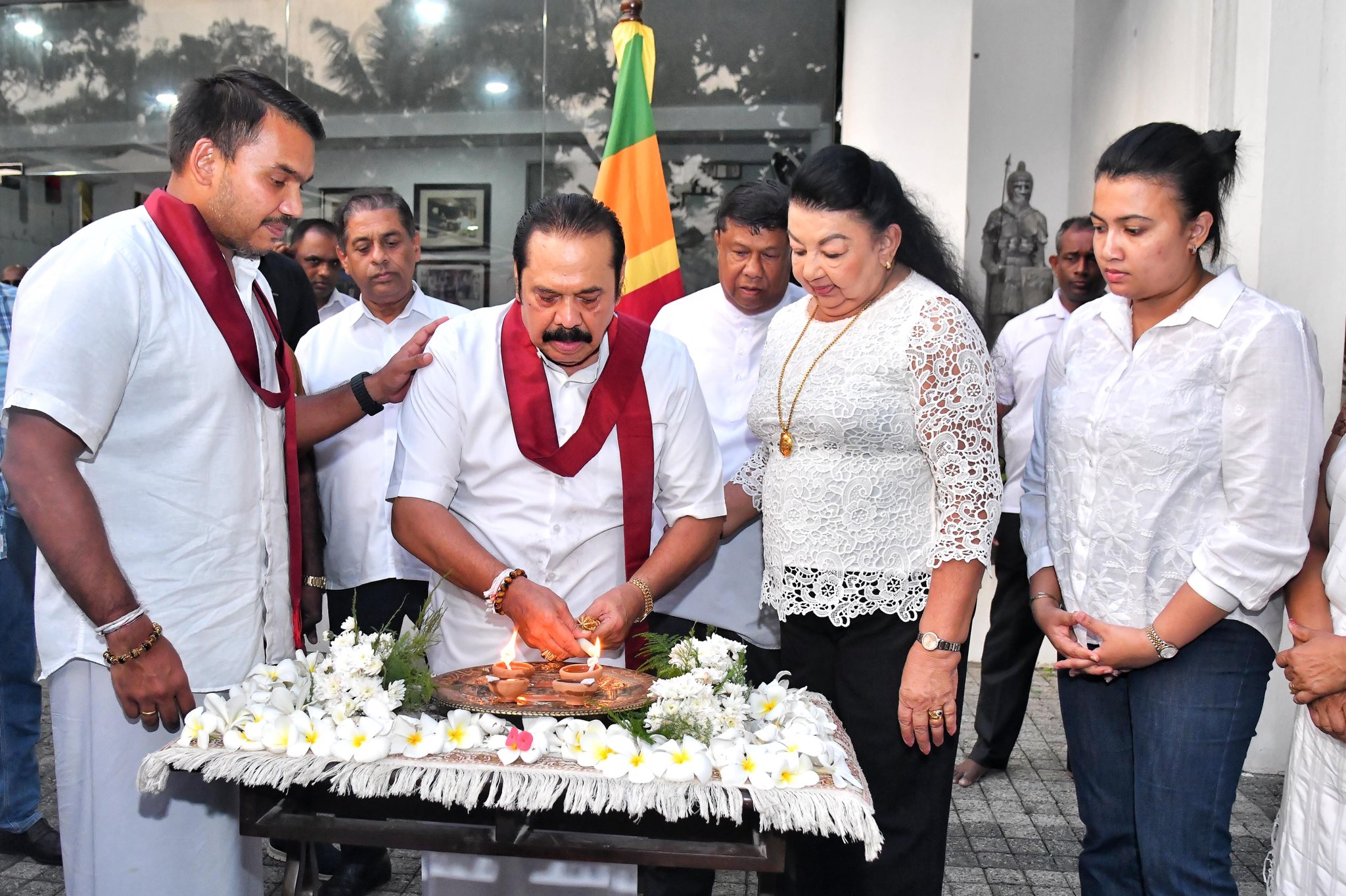
Former Sri Lankan president and accused war criminal Mahinda Rajapaksa marked Sri Lanka’s “Victory Day” through a separate observance this week, after being snubbed from the from official government event by the currnt regime.
The National People’s Power (NPP) administration conducted the state ceremony on 19 May with Sri Lankan president Anura Kumara Dissanayake at the National War Heroes’ Monument in Battaramulla. His political rivals were seemingly excluded from attending.
Mahinda Rajapaksa, who served as president during the military campaign that oversaw the deaths of tens of thousands of Tamils in what is now being increasingly recognised as a genocide, instead held his own separate commemoration and issued a statement praising Sri Lanka’s armed forces.
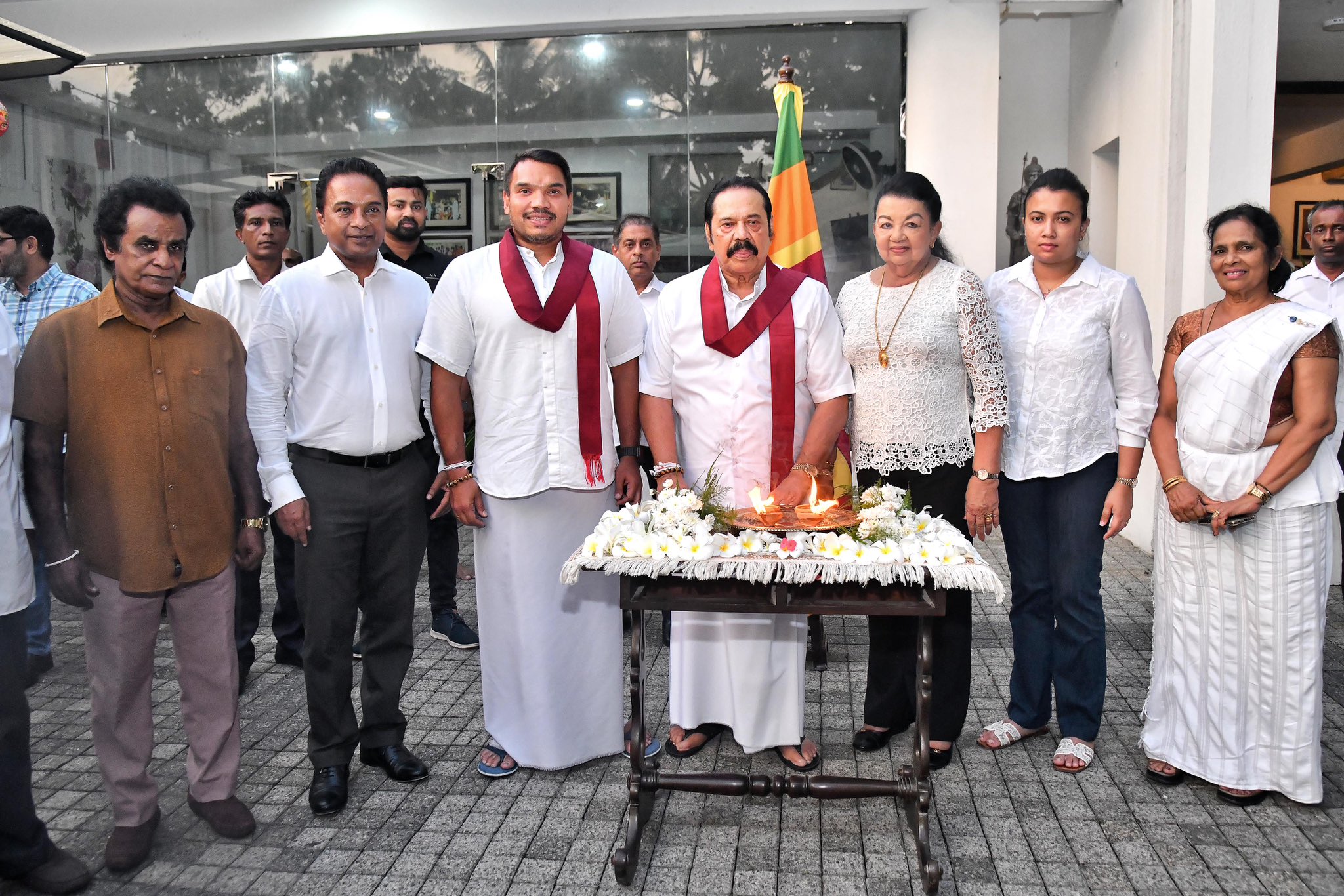
In his message, Rajapaksa said Sri Lanka had succeeded in ending “three decades of separatist terrorism” and preserving the unity of the island.
Rajapaksa further described fallen soldiers as a debt owed by the nation and expressed gratitude towards those who fought in the war, whilst wishing surviving military personnel “good health and long life”.
Rajapaksa remains celebrated by large sections of the Sinhala south for overseeing the military campaign. However, Tamil survivors, victims’ families and human rights organisations hold his administration responsible for overseeing mass atrocities.
International investigations, UN reports and human rights groups have documented reports of indiscriminate shelling of civilian areas, attacks on hospitals, enforced disappearances and extrajudicial killings during the final months of the conflict in Mullivaikkal.
Whilst the Sri Lankan state commemorates military victory on 19 May, Tamils across the North-East homeland and diaspora communities continue to mark 18 May as Tamil Genocide Remembrance Day, commemorating the tens of thousands of Tamil civilians killed during those final months.