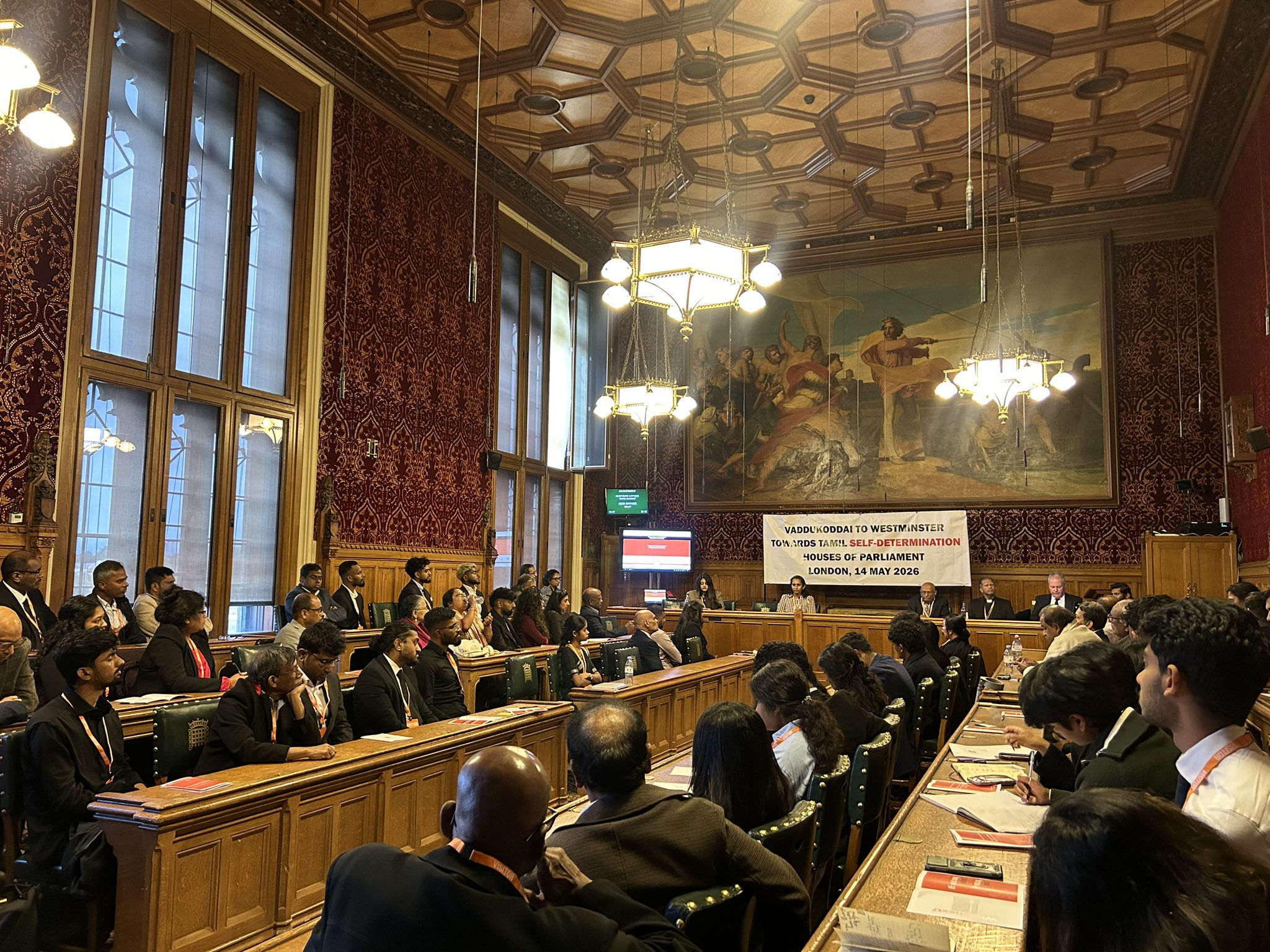
Fifty years after the Vaddukoddai Resolution formally articulated the Tamil demand for self-determination, political representatives, civil society actors and diaspora organisations gathered at the UK Parliament on Thursday to launch a new initiative aimed at forging a unified political framework for the Tamil nation.
The event brought together lawmakers, academics, religious leaders and activists from across the British Tamil diaspora, as well as homeland representatives.
Held at Westminster and backed by cross-party parliamentarians, it signalled a renewed effort to consolidate Tamil political demands around the core principles of homeland, nationhood and self-determination.
Launched to coincide with the 50th anniversary of the Vaddukoddai Resolution, the Tamil Political Framework Initiative is a Tamil-led process to develop a single, authoritative constitutional document outlining a just and lasting settlement for the Tamil nation, to be presented to the Sri Lankan government and the international community during future constitutional reform.
The core principles of the initiative are: Tamils are a nation, the Northern and Eastern provinces constitute the Tamil homeland, and international law affirms the right of Tamils right to determine their own political future.
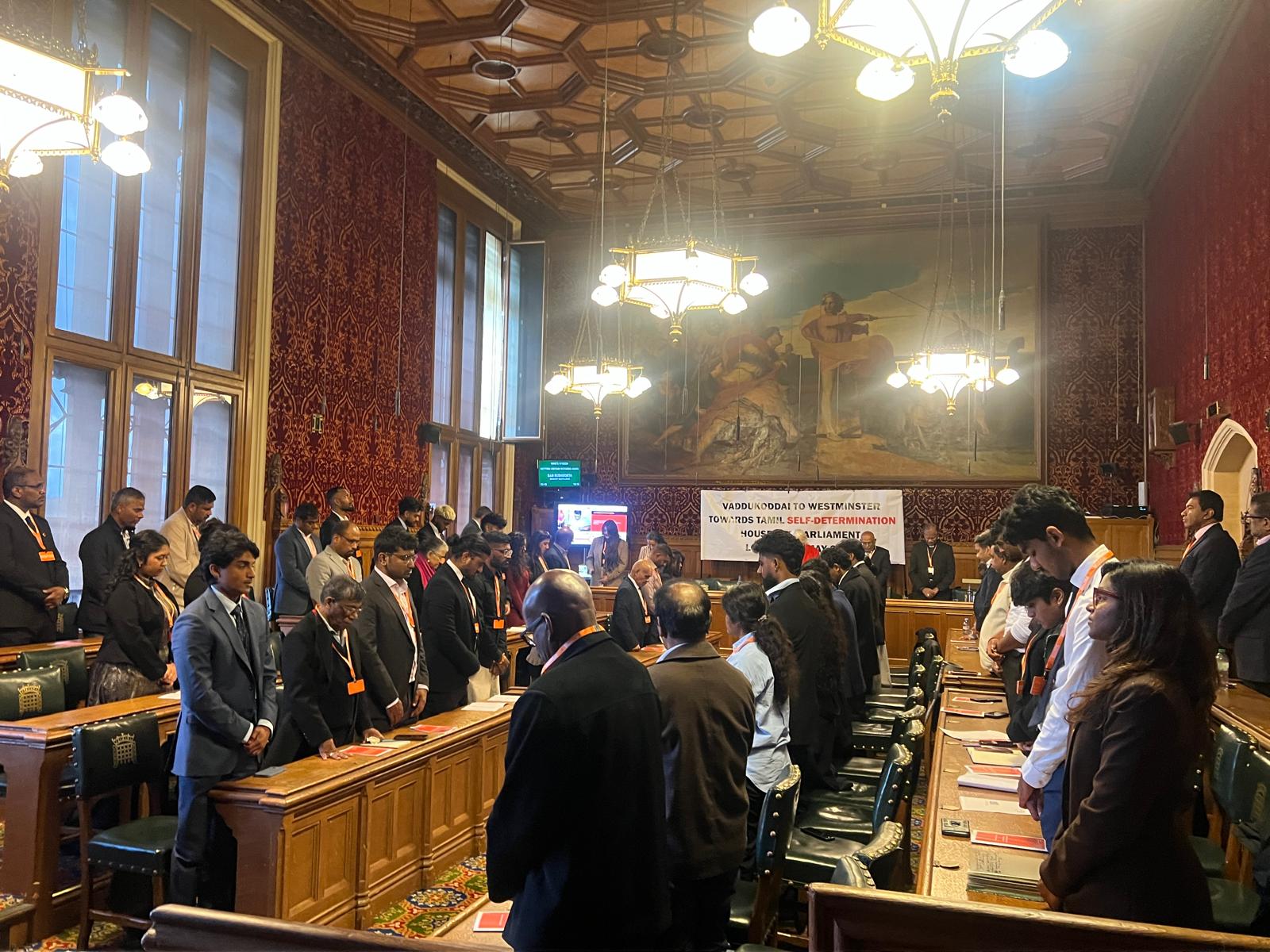
The event was opened with a moment of silence for the Tamil fighters who laid down their lives in the struggle for self-determination.
Siobhain McDonagh, MP for Mitcham and Morden and Chair of the All Party Parliamentary Group for Tamils (APPGT), said she stands here with "genuine hope". She stated that for the "first time in a generation, the conditions for real constitutional change exist. The question is whether the Tamil people will have a seat at the table in shaping that change?"
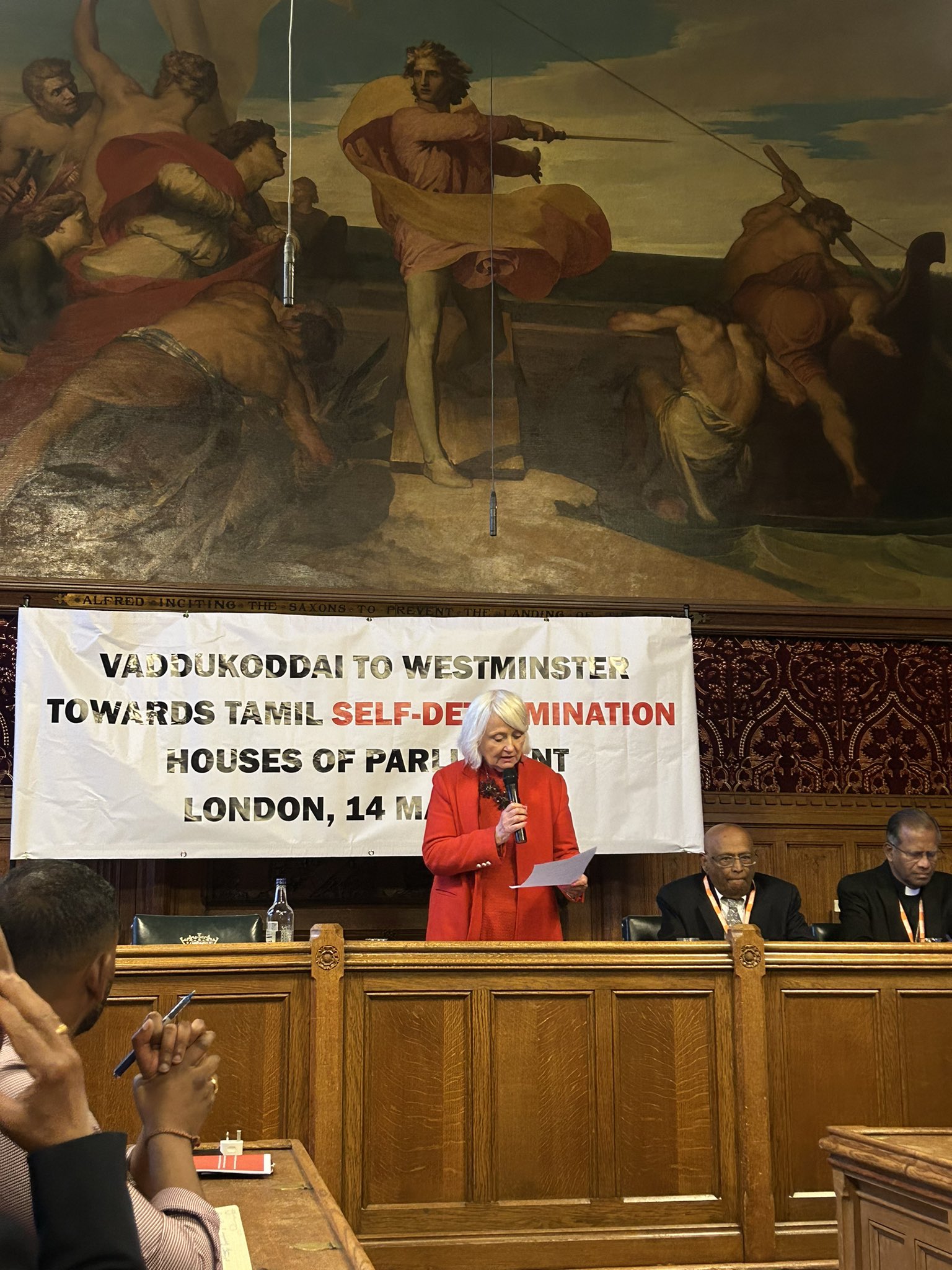
McDonagh stated that the Tamil Political Framework Initiative brings "homeland legislators, civil society voices and diaspora communities from across the world speaking under one framework, one mandate and one voice."
She also called on UK Parliament to "lend its weight" to this cause as the British Tamil community have contributed "enormously" to the country.
She was followed by Gagan Mohindra MP, the Conservative Party Deputy Chief Whip, who stated that support for the framework extended beyond a single party and reflected broader cross-party parliamentary backing, including the opposition Conservative Party.
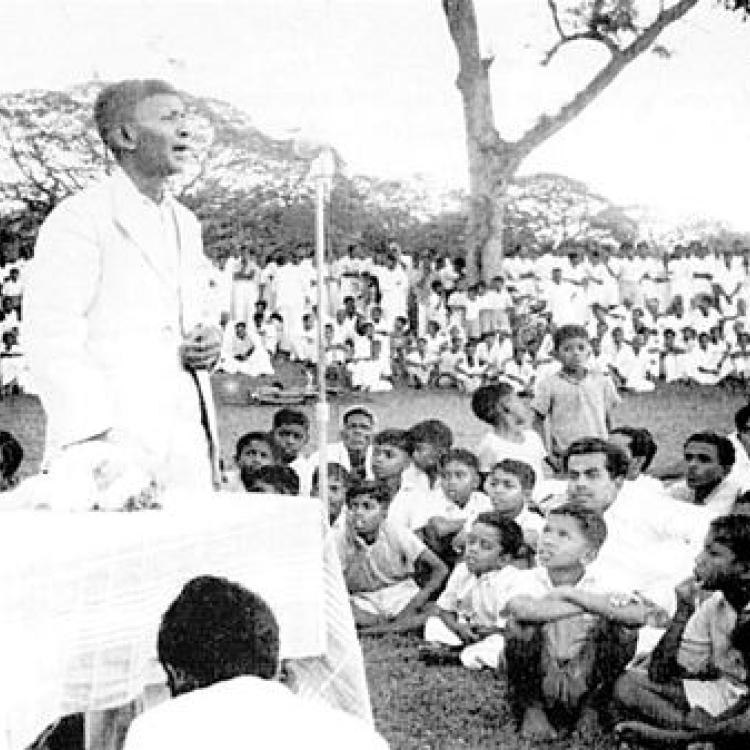
Dr Madura Rasaratnam Associate Professor of Comparative Politics at City, University of London and Executive Director of PEARL, spoke about how the Vaddukoddai Resolution remains a relevant document in the Tamil struggle.
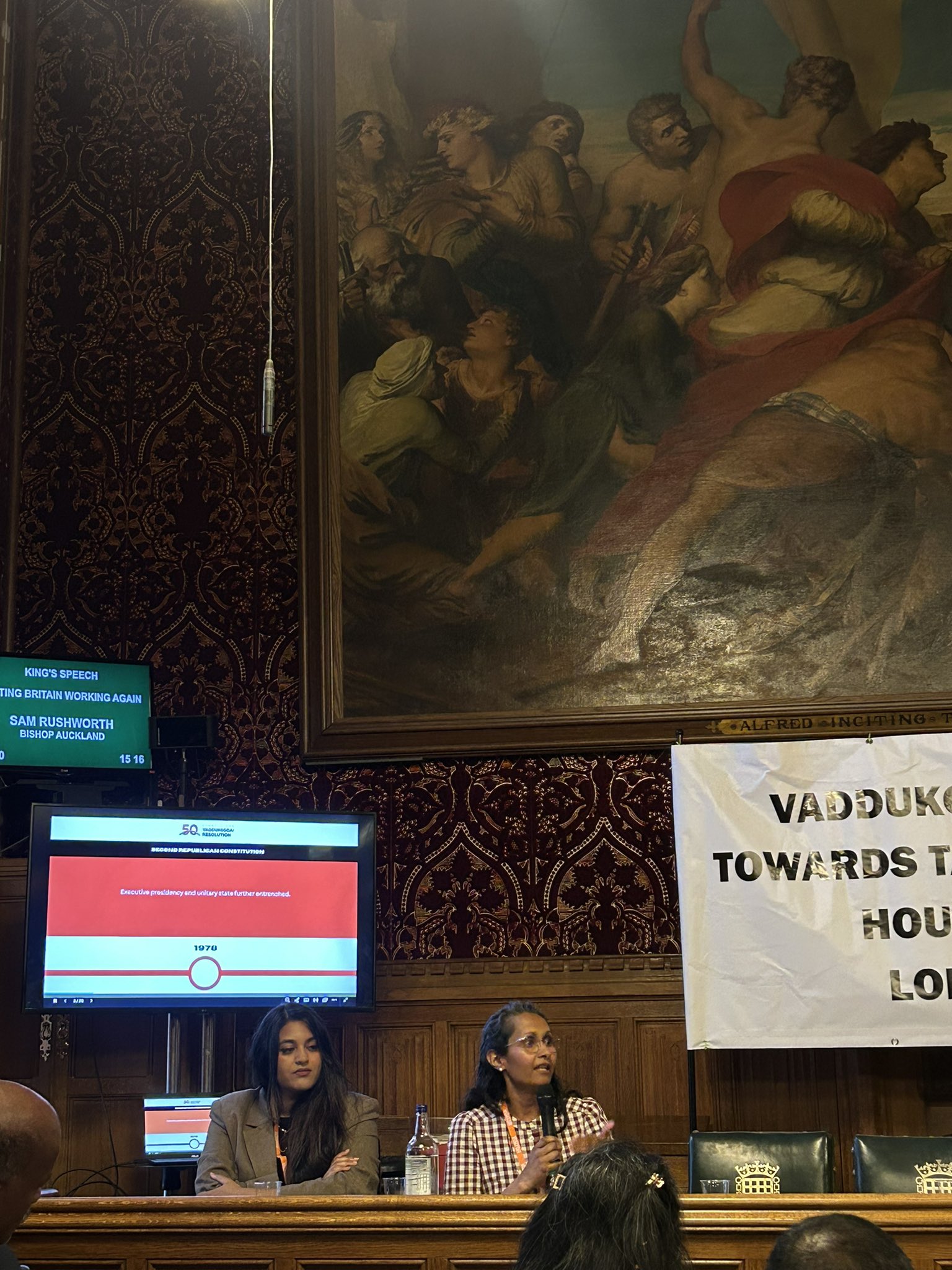
Rasaratnam explained that the resolution states that Tamils are equally indigenous to the island as the Sinhalese and the Tamil demand for self-determination was born after decades of continuous oppression and exclusion.
She said that the Vaddukoddai Resolution "belongs as much as in today's world as it did in the world in 1976".
"The resolution speaks to the world of pluralism, people centred development and non-domination," she added.
"We should go forth as the Vaddukoddai declaration asks us to do and make space for these demands in this world that is emerging," Rasaratnam concluded.
Bishop Christian Noel Emmanuel of the Diocese of Trincomalee said he has been a "witness to the lived reality of Tamil lives" in the North-East.
"Too often, discussions considering Tamil people are reduced to statistics, but behind every statistic, there is a human life, a family, and a wound that has not healed."
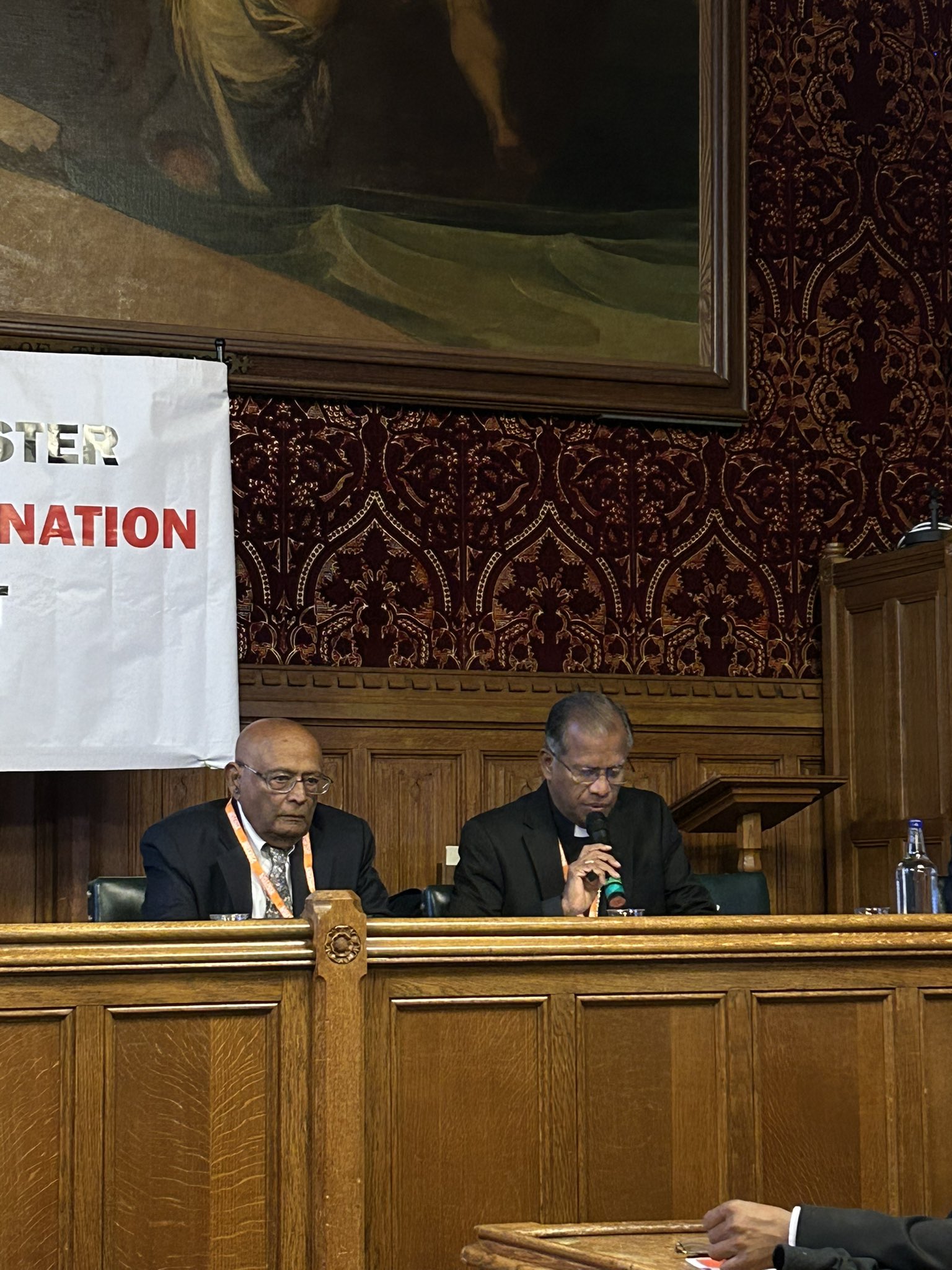
He drew attention to the plight of Tamil families of the disappeared who continue to search for their relatives who were forcibly disappeared by the Sri Lankan state.
Bishop Emmanuel stated that many Tamils surrendered to the Sri Lankan military at the end of the armed conflict in "good faith" whilst others were taken away in "unexplained circumstances". Despite 17 years passing, multiple commissions and inquiries, the families remain without answers.
He went on to describe the ongoing militarisation of the North-East which remains "extensive" and makes civilians feel that they are "living under surveillance".
"Land belonging to Tamil families for generations, agriculture lands, ancestral homes and places of spiritual significance remain occupied or inaccessible for years. The consequences are not merely economic, they are deeply psychological," he added.
Bishop Emmanuel stated that there is "quiet despair" amongst the Tamil youth in the North-East, who increasingly believe that their future lies beyond the North-East. He explained that this stems from a deep sense of exclusion and mistrust toward the Sri Lankan government, as well as the "painful belief" that they will never be treated as equal citizens.
He added that children in the North-East are living in the "shadows of war".
"They deserve a society that they can participate in equally [...] That aspiration is not radical."
Uma Kumaran, MP for Stratford and Bow and Vice Chair of the APPGT, recounted taking part in the London protests in April 2009, when British Tamils appealed to the international community to intervene and stop the massacres in Mullivaikkal.
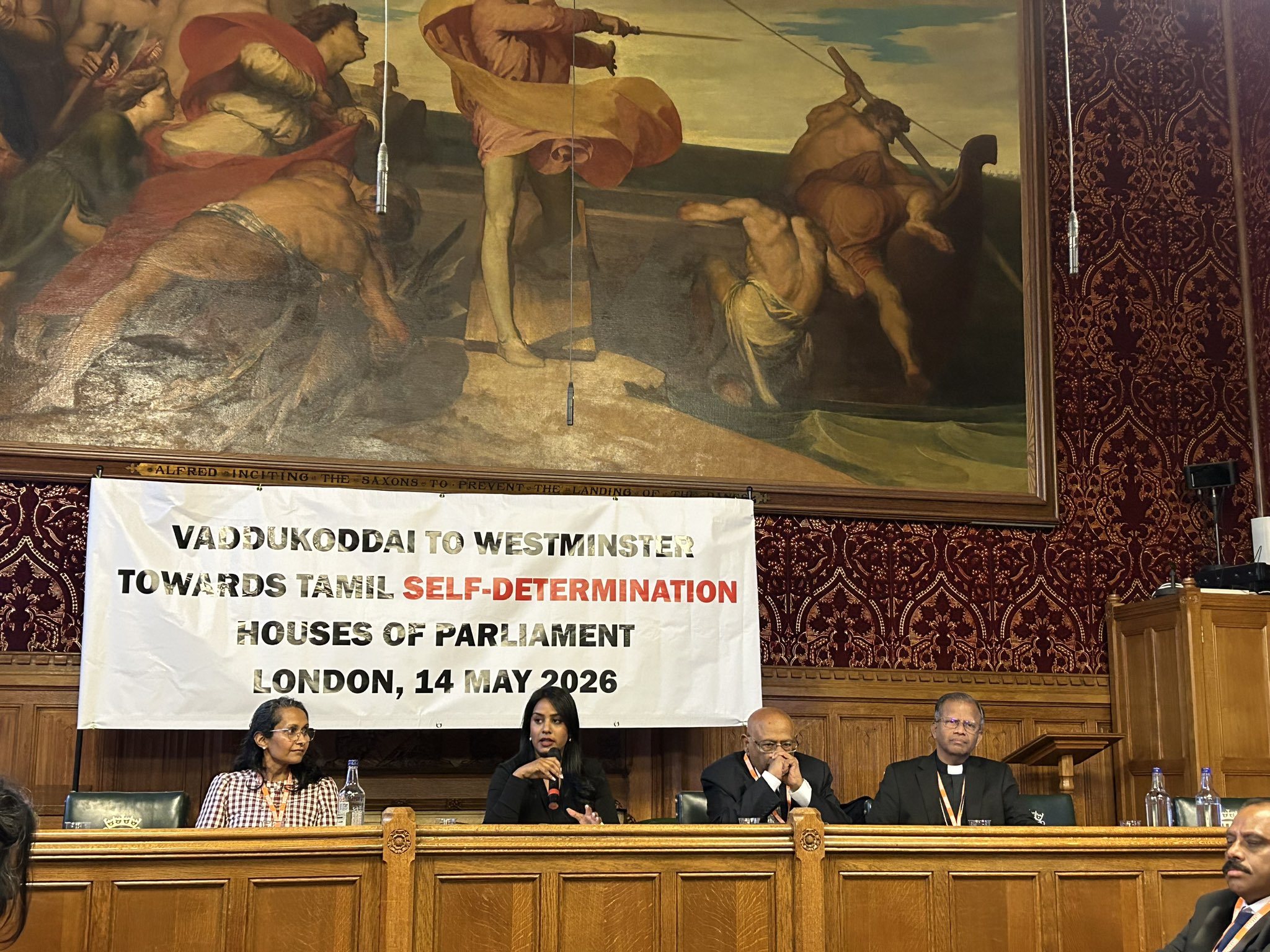
Kumaran added that the "road to justice has been long and painful" but despite the 17 years that have passed since the genocide at Mullivaikkal, Tamil "voices have got louder".
Whilst she praised the UK government for introducing sanctions against Sri Lankan human rights abusers in 2025, she also noted that "this is just the first step".
The next panellist, Professor Muthucumaraswamy Sornarajah Emeritus Professor of Law at the National University of Singapore, was also one of the key architects of the Interim Self-Governing Authority (ISGA) proposals presented by the Liberation Tigers of Tamil Eelam (LTTE) during the peace talks.
Sornarajah stated that from 1948, the "Sinhalese have ruled the country as a hegemonic power dominating the Tamil people" and went on to outline the conditions on the island that ultimately led to the Vaddukoddai Resolution.
He explained that the Vaddukoddai Resolution and the call for self-determination was adopted only after all "peaceful methods" such as the Bandarainake- Chelvanayagam pact and the satyagraha campaign had failed.
"The effort to bring about a solution by non-violent means had been attempted throughout this period [1948-1977] and they had all failed. It was in the context of that failure , that we have the Vaddukoddai Resolution," Sornarajah said.
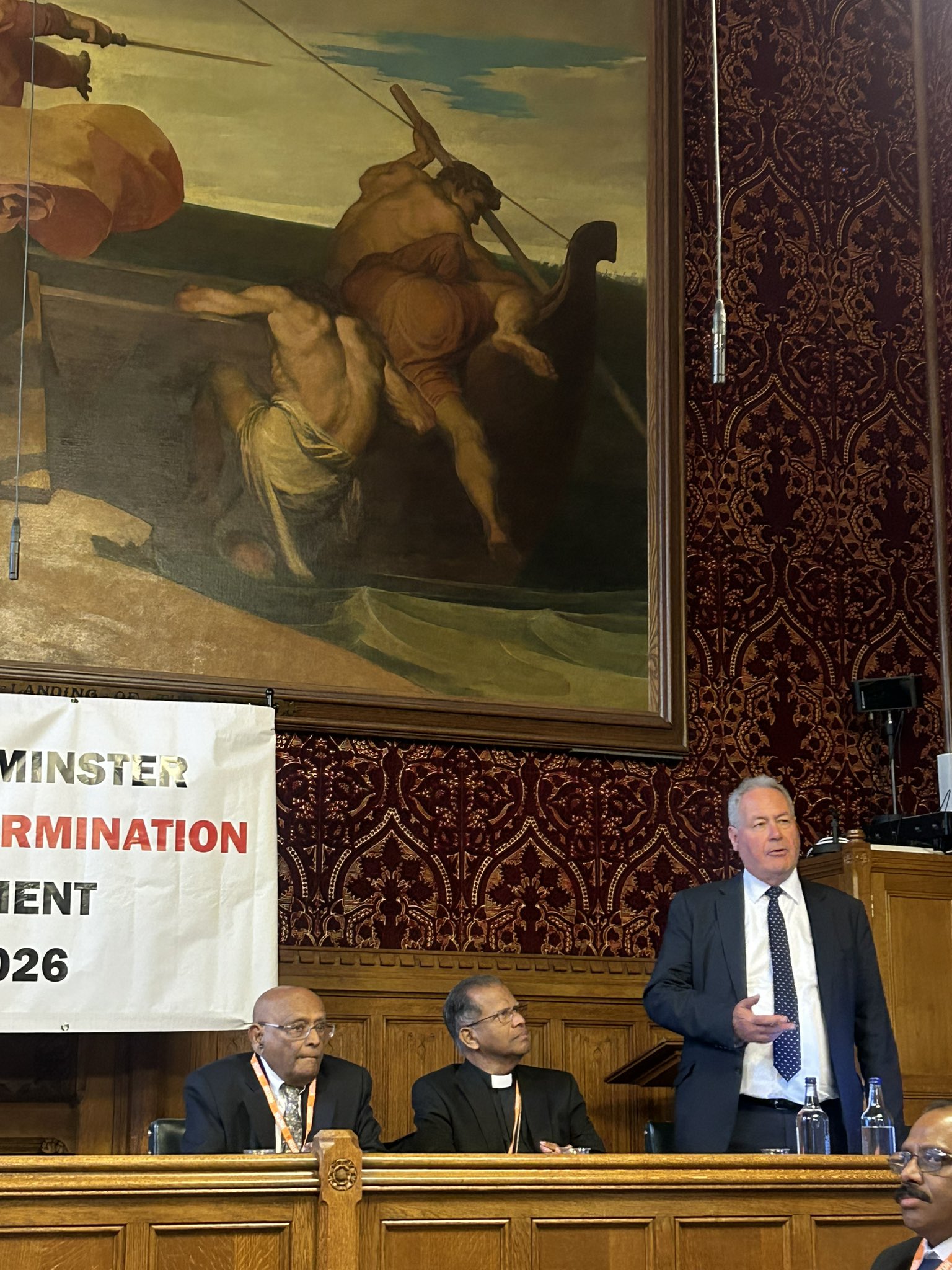
Bob Blackman, MP for Harrow East and the Vice Chair of the APPGT, stated that he wanted to see "accountability for the war crimes" committed by the Sri Lankan government in the final phase of the armed conflict in 2009.
Blackman recalled that during a visit to Sri Lanka, he presented a list of names provided by his constituents detailing their disappeared relatives, only for it to be dismissed by the Sri Lankan government.
He went on to add there is “potential hope” with the current Sri Lankan government, therefore it is a “good time to press forward with reconciliation, accountability and appropriate devolution”.
"It just makes common sense that devolution takes place and more power is put in the hands of people at a local level," Blackman said.
.JPG)
Gajan Raj, a core member of the Tamil Political Framework Initiative, outlined the current process of creating a constitutional document to "secure the future" of the Tamil nation.
"It will rest on three cardinal principles: the homeland, nationhood and self-determination. These are the legal and political foundations of our cause and our case," Raj noted.
Raj explained that meetings have been taking place in the North-East and across the diaspora to build consensus and will continue to work with Tamil political leaders, civil society actors and diaspora organisations to finalise the framework.
In his wrapping up Raj said “the Tamil nation has waited fifty years.The framework is ready. The consensus has been built. The momentum is real.”
A global conference is expected to take place in late 2026 to formally table the declaration. The event concluded with a question and answer session between the panellists and the audience.