(Source: All Ceylon Buddhist Congress Facebook Page)
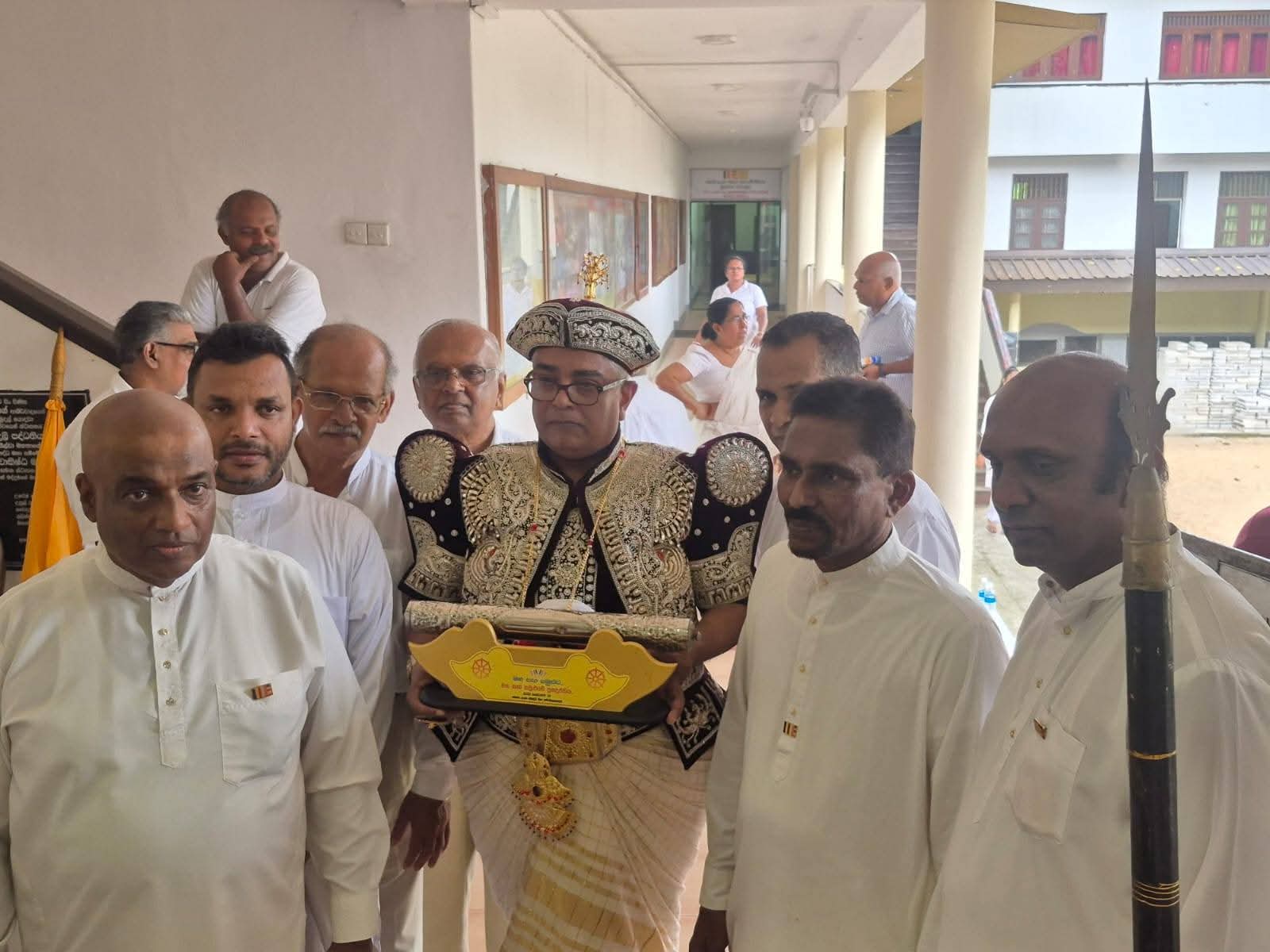
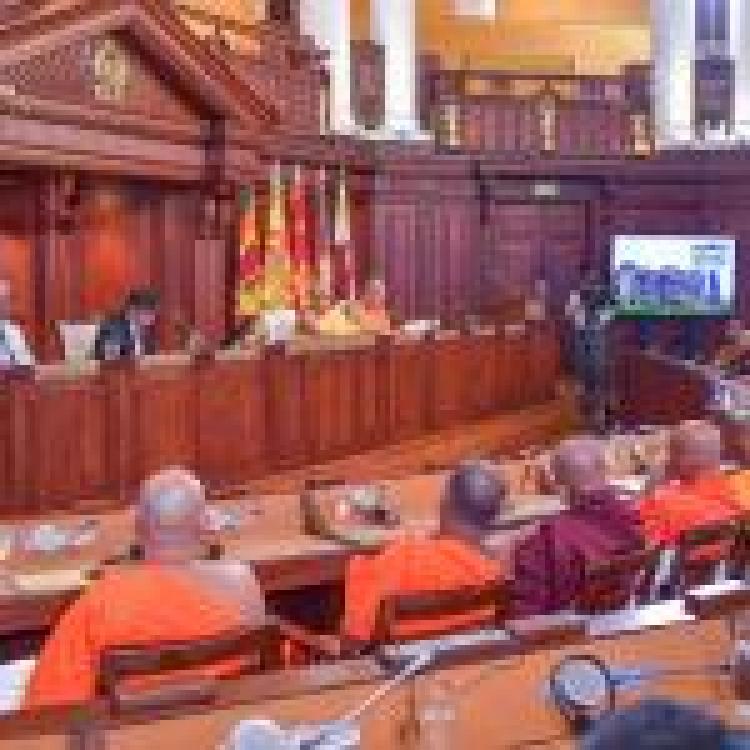
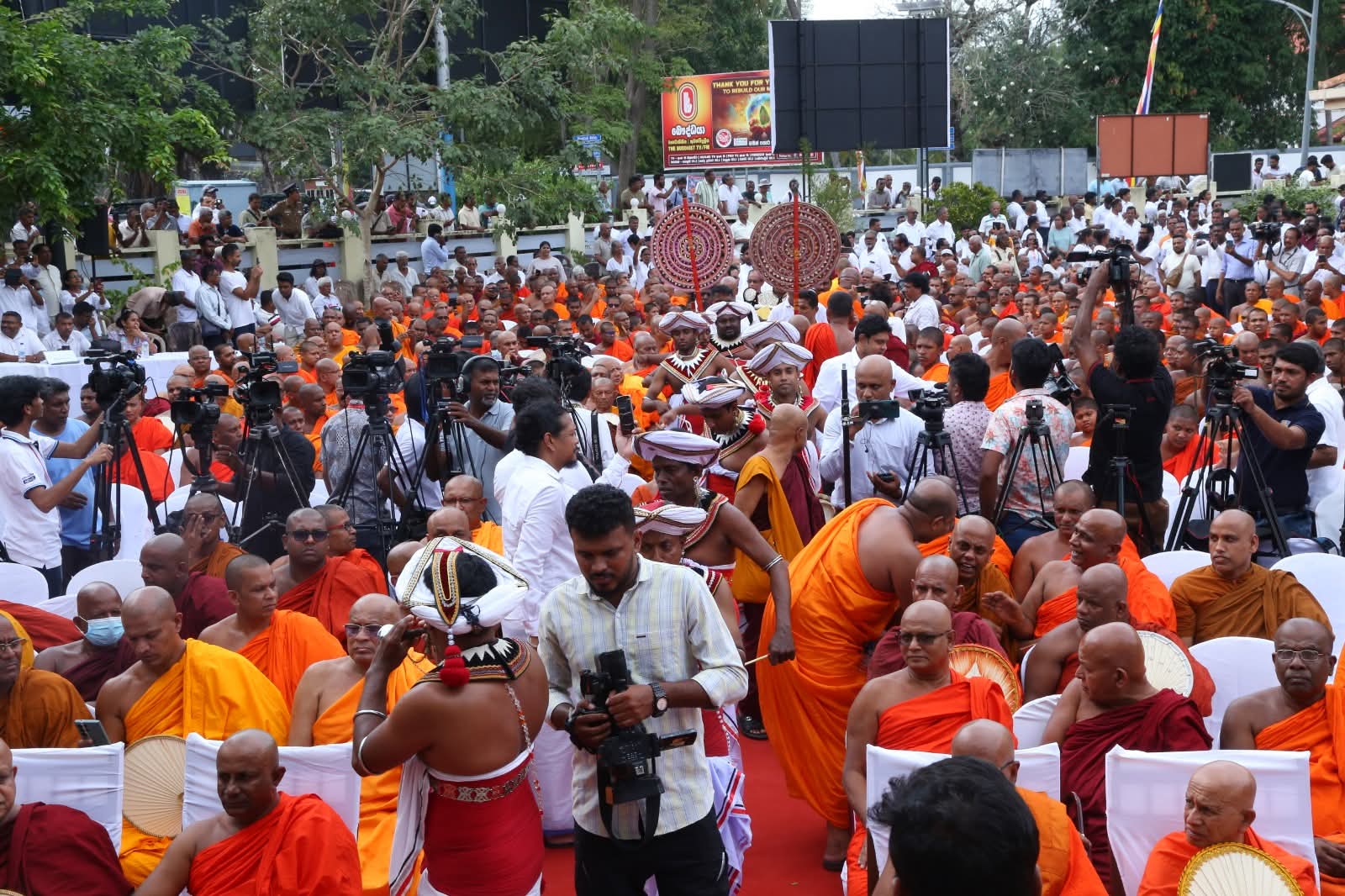
Some 500 Sinhala Buddhist monks gathered in Colombo on 20 February 2026 for a “Maha Sangha Convention” at the headquarters of the All Ceylon Buddhist Congress (ACBC), adopting a ten-point declaration that reasserts the primacy of Buddhism within the Sri Lankan state.
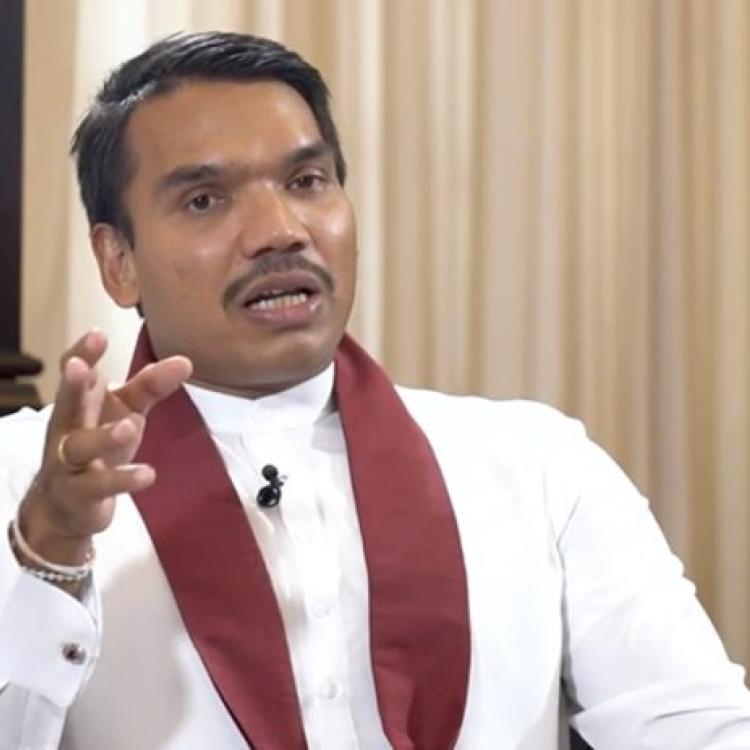
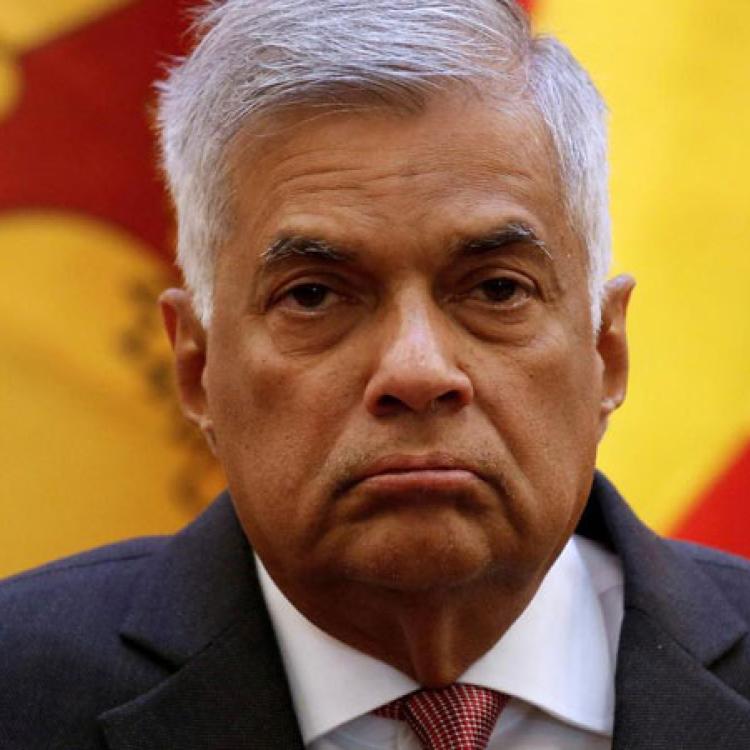
Clergy from the island’s three principal Nikayas attended the event. Although convenor Muruththettuwe Ananda Thero maintained that the meeting was not politically motivated, several politicians attended the event underscoring its political significance.
As monks entered the hall to the song Me Sinhala Apege Ratai by Nanda Malini, the stage displayed a cut-out map of Sri Lanka overlaid with the Buddhist flag imagery that visually reinforced the message advanced throughout the day: the indivisibility of Sinhala Buddhist identity and state power.
The declaration, which organisers say will shortly be presented to Sri Lankan president Anura Kumara Dissanayake, frames the protection of Buddhism as both a historical duty and a constitutional mandate.
Its opening provisions trace a lineage from the arrival of Arahant Mahinda Thera under royal patronage to the enshrinement of Buddhism’s “foremost place” in the 1972 and 1978 Constitutions. The monks stress that safeguarding the Buddha Sasana is a responsibility borne by the state and that the Sangha must retain its traditional authority to guide rulers in accordance with Buddhist doctrine.
In a pointed passage, the declaration asserts that “the irreligious should not rule this land,” invoking ancient inscriptions and Buddhist political philosophy. The statement appeared to be a thinly veiled criticism of the perceived secular orientation of the current JVP/NPP-led administration.
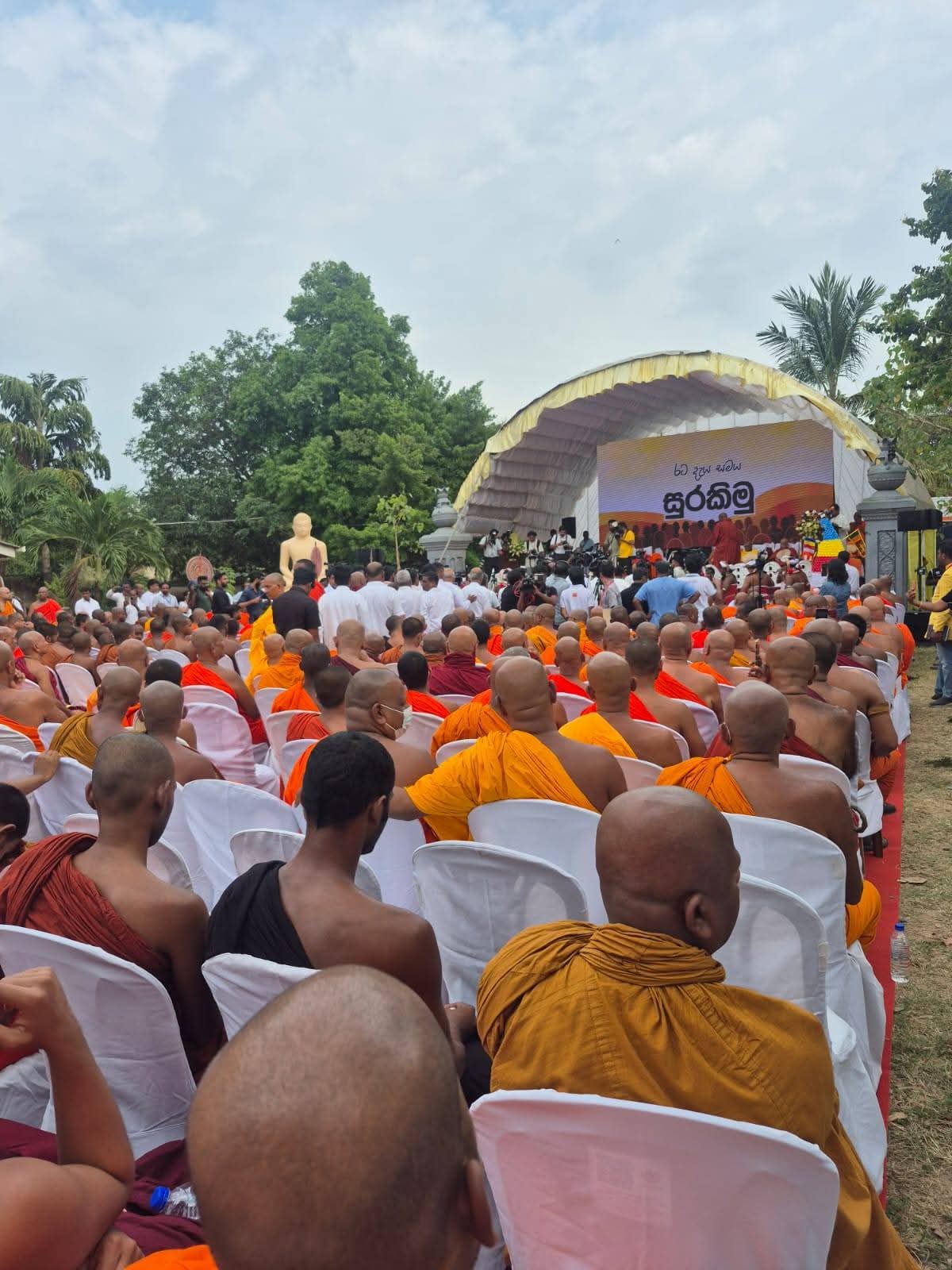
Several clauses call for enhanced legal measures to shield Buddhist symbols and institutions from what organisers described as disrespect and erosion.
The declaration urges the government to criminalise acts deemed insulting to Buddha statues and emphasises that archaeological sites, temples and devalagam are national heritage under state protection. Clause number 9 states: 09. "We emphasise that Buddhist archaeological sites, sacred places, temples and devalagam are not the private property of monks but the heritage of the nation, and that the Government bears responsibility for ensuring their protection against any form of damage."
Among those seated prominently was Balangoda Kassapa, who was arrested earlier this month and later released on bail over the unauthorised installation of a Buddha statue in Trincomalee a district long marked by disputes over land, demography and religious monuments.
Also present was Galagoda Aththe Gnanasara, General Secretary of the Bodu Bala Sena, an extremist monk associated with anti-Muslim mobilisation in Aluthgama and with campaigns invoking archaeology in the North and East. His attendance reflected the ideological alignment between segments of the Sangha and Sinhala Buddhist nationalist activism.
The declaration further calls on the state to act against speech that undermines the “dignity of the clergy,” including criticism disseminated on social media platforms.
Clause number 7 states that "We emphasise that the Ministry of Buddha Sasana, previously overseen directly by Presidents, has become inactive, weakened and ineffective due to the absence of a responsible minister; that officials have failed to efficiently serve monks and lay Buddhists seeking services from the Department of Buddhist Affairs; and therefore that the Government must make the Ministry of Buddha Sasana and the Department of Buddhist Affairs efficient and effective institutions."
Education policy featured heavily in the convention’s rhetoric. The monks called for strengthening pirivena and school education in line with Buddhist principles, situating monastic institutions from Vidyodaya and Vidyalankara Pirivenas to modern universities as central to the island’s intellectual and moral formation.
Speakers also criticised reported efforts to integrate comprehensive sex education into the national curriculum. Prof. Kotapitiye Rahula Anunayake invoked the writings of the 17th-century Englishman Robert Knox to nostalgically contrast what he described as earlier standards of modesty, declaring, “Menna ape lingika adhyapanaya!” (“That was our sex education!”). Knox, however, died more than a century before railways were introduced to the island, calling into question the historical accuracy of the anecdote cited.
The monk also praised Mahinda Rajapaksa for his role in the offensive that killed tens of thousands of Tamils in 2009, and called for sites such as the illegal vihara in Thaiyiddy, Jaffna, to be protected by the state.
The declaration also presses for the revitalisation of the Ministry of Buddha Sasana and the Department of Buddhist Affairs, arguing that both have been weakened by ineffective leadership and insufficient oversight.
Invoking the Buddhist prayer “Devo Vassatu Kalena,” the monks conclude by urging the government to administer the state in accordance with what they term righteous governance a framework explicitly grounded in Buddhist political philosophy.