
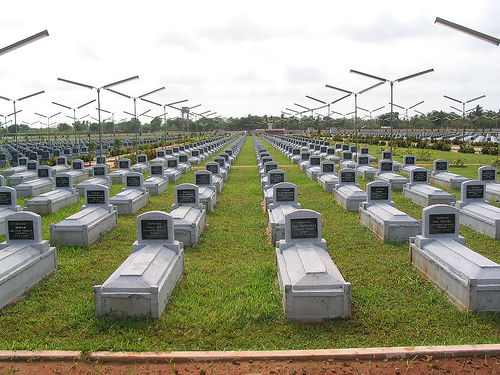
Photograph: Koppay Thuyilum Illam, Jaffna, before its destruction by the Sri Lankan Army
As the Tamil nation prepares to mark Maaveerar Naal - or Great Heroes’ Day - on November 27, Tamils in the North-East will gather at Thuyilum Illams across the homeland to remember the Tamil fighters that sacrificed their lives for liberation.
Thuyilum Illams - resting places - are cemeteries that housed the bodies of Liberation Tigers of Tamil Eelam (LTTE) cadres who died in combat during the armed conflict.
Starting in the 1990s, the LTTE built a total of 35 Thuyilum Illams all over Tamil Eelam to bury the bodies of their fighters. Traditionally, Tamil Hindus cremate their dead, yet the LTTE’s choice of burial drew on an ancient warrior tradition of commemorating the fallen with a ‘Nadukkal’ memorial stone.
The burial process was referred to as ‘vithaiththal’ which means ‘planting of a seed’, symbolising that fallen cadres were not gone, instead, they had taken root as seeds for future generations to rise.
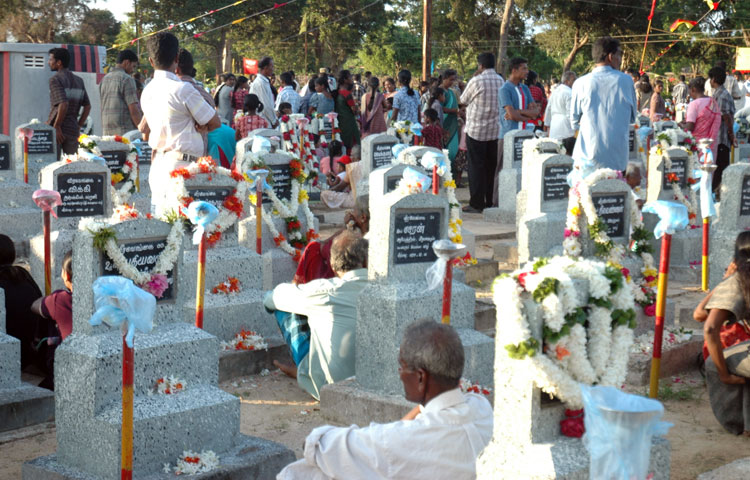
Photograph: Mulankaavil Thuyilum Illam, Kilinochchi, on 27 November 2007 (TamilNet)
On Maaveerar Naal, relatives of fallen fighters would gather at the Thuyilum Illams to pay their respects to their loved ones with offerings of flowers and food. Lieutenant Shankar, who was the first combatant to fall in battle in 1982, died at 18:05. Tamils mark the exact moment on Maaveerar Naal by lighting the sacrificial lamp during commemorations.
Erasing Tamil history
The Sri Lankan state razed every LTTE resting place after the armed conflict came to its brutal end in May 2009. Entire cemeteries were bulldozed, wiping out the sites where Tamil fighters had once been laid to rest.
Visuvamadu Thuyilum Illam, Mullaitivu, in November 2007 (Tamil Net)
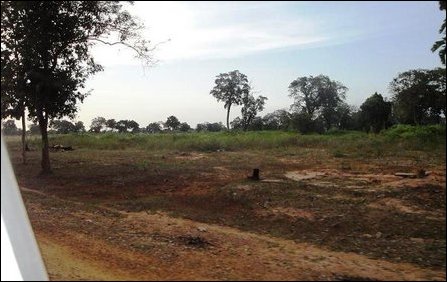
Visuvamadu Thuyilum Illam, Mullaitivu, after it had been destroyed by the Sri Lankan army (Tamil Net)
Whilst some cemeteries remain derelict, Sri Lanka’s military now occupy others where the gravestones once stood.
Amongst those is Koppay Thuyilum Illam in Jaffna which was first destroyed by the Sri Lankan army in 1995 but was later rebuilt by the LTTE during the 2002 ceasefire. This cemetery, where at least 2,000 LTTE cadres are reported to have been buried, was bulldozed over by the Sri Lankan state in July 2010. Now, the Sri Lankan military's 51 Division base now stands on top of it.
.jpeg)
Photograph: Koppay Thuyilum Illam, Jaffna, in 2003 (Streets of Tamil Eelam)
.jpeg)
Photograph: Tamil residents paying their respects at a makeshift monument outside Koppay Thuyilum Illam, Jaffna, this year. (Tamil Guardian).
Even though the state has razed the cemeteries to the ground, the military continues to consolidate their presence over these sites. Last year, Tamil residents thwarted Sri Lanka’s land survey department from seizing land at Alampil Thuyilum Illam in Mullaitivu to extend the 10th Sinha Regiment’s military camp.
A 2016 report by People for Equality and Relief in Lanka (PEARL) found that the rubble from the destroyed graves was reportedly used to construct the roads leading to some of the military camps.
Not only does Sri Lanka’s occupation of these cemeteries force families of fallen fighters and local residents to pay their respects outside the cemeteries, it erases the history of the armed struggle for Tamil liberation.
Obstructions to remembrance
In the years that followed the end of the armed conflict, Tamils in the North-East were banned from commemorating Maaveerar Naal, forcing many to mark the day in secret. However in recent years, Tamils have started gathering in public to commemorate the tens and thousands of Tamils who laid down their lives in the armed struggle but they are often met with obstacles enforced by the state’s security forces.
Sri Lanka has tried to repress memorialisation activities in the North-East but these efforts are ramped up in the lead up to Maaveerar Naal. In recent years, Sri Lankan police have sought court orders to prevent events marking Maaveerar Naal from going ahead whilst police and intelligence officers photograph event organisers and participants - a common tactic used by the forces to intimidate Tamils.
Restoring resting places
Since 2016, Tamils have been gathering in large numbers to commemorate fallen cadres. Local residents, volunteers and families of Maaveerar clear the destroyed cemeteries ahead of Maaveerar Naal to facilitate commemoration events.
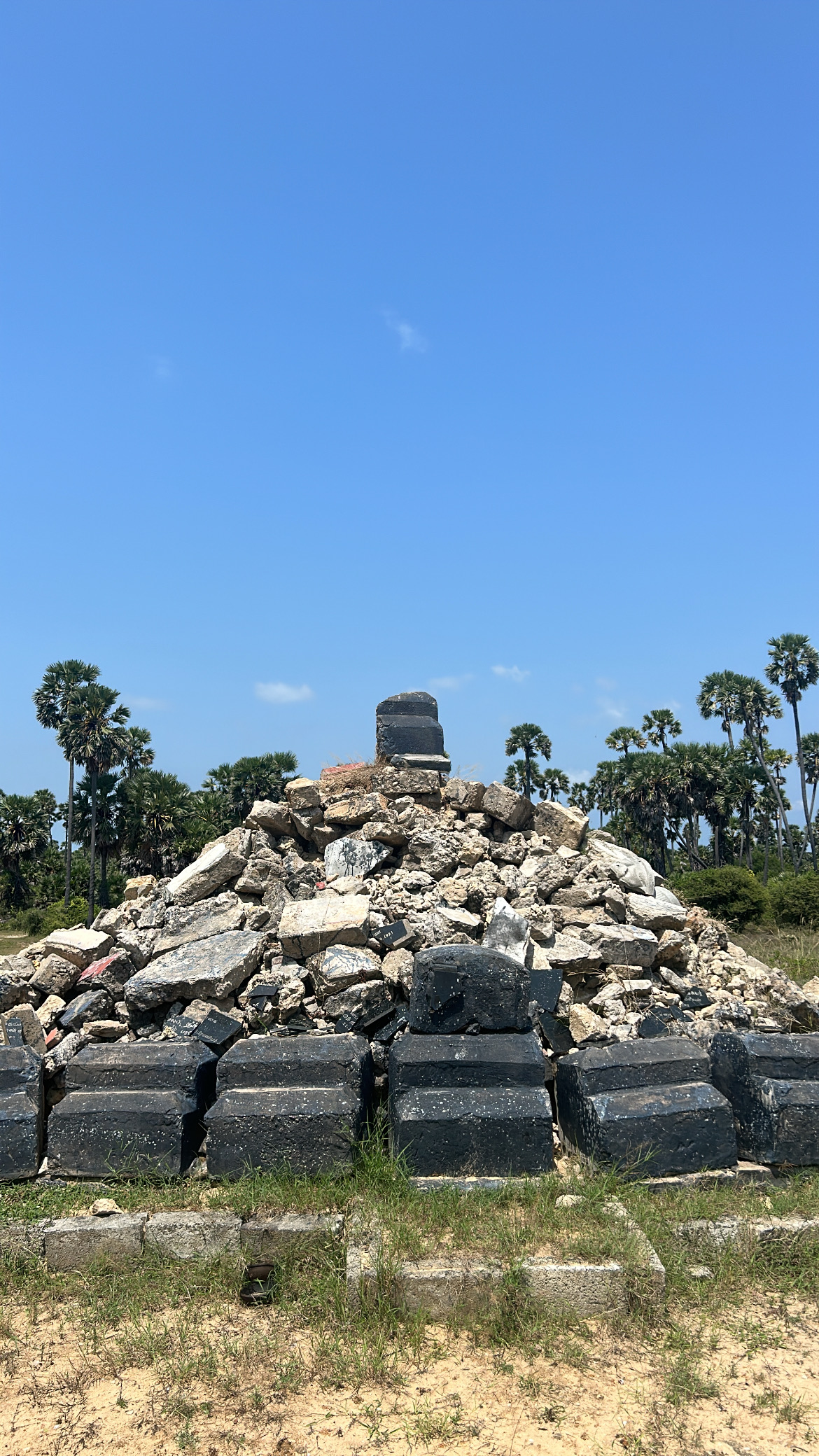
Chaatty Thuyilum Illam, February 2025.
At some of the cemeteries, such as Kanagapuram Thuyilum in Kilinochchi and Chaatty Thuyilum Illam in Jaffna, Tamils gather the fragments of the destroyed gravestones to create a makeshift monument - as a place for people to pay their respects but also to assert their right to remember.
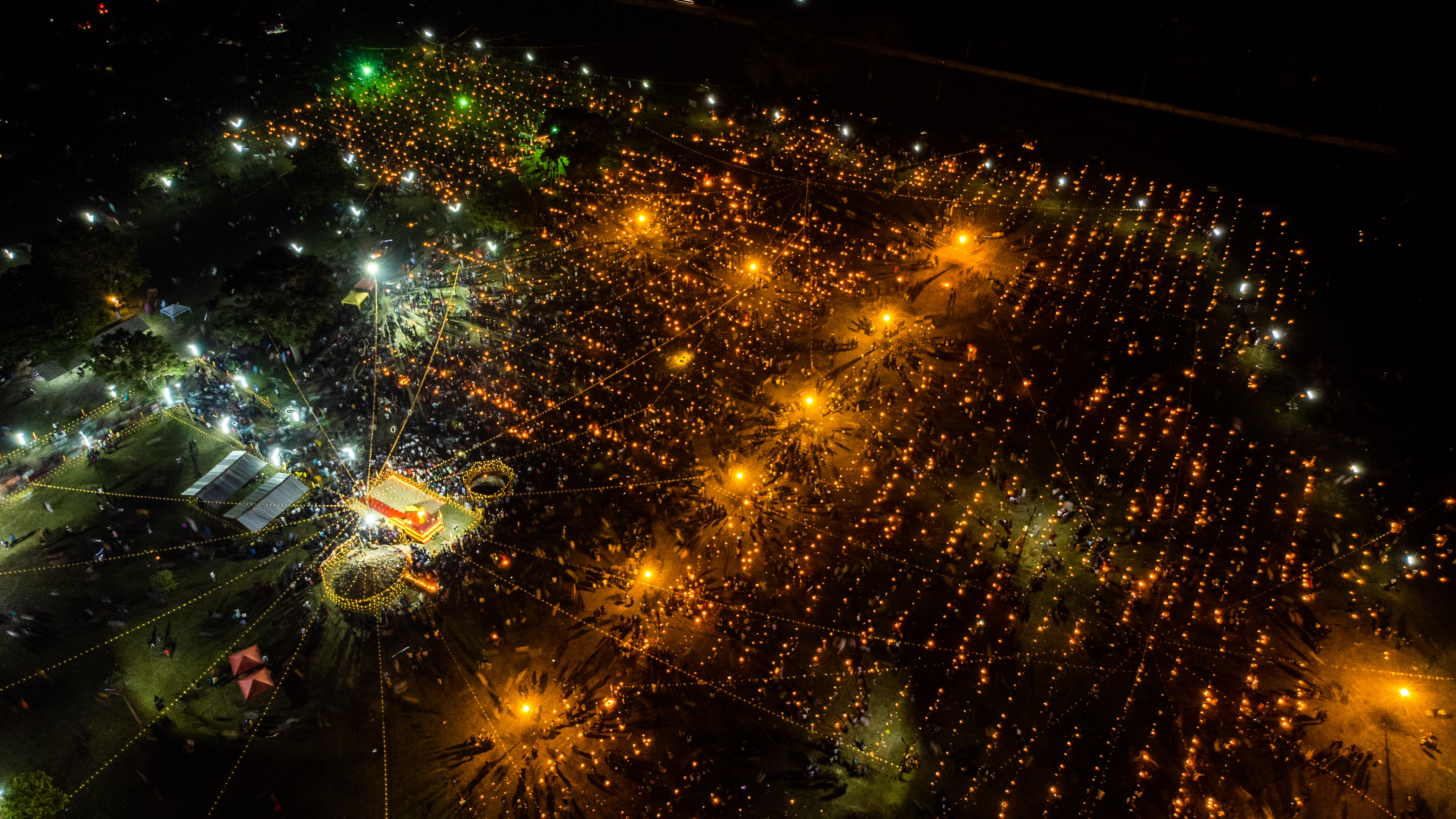
Maaveerar Naal commemoration at Kanagapuram Thuyilum Illam, Kilinochchi, 2022 (Tamil Guardian)
Despite Sri Lanka’s surveillance, obstruction and attempts to erase history, Tamils remain defiant in their remembrance.
________
List of Thuyilum Illams:
Kilinochchi district
Theraavil
Kanagapuram
Mulankaavil
Trincomalee district
Aalankulam
Periya Kulam
Thiyaakavanam
Uppaaru
Batticaloa district
Tharavai
Thaandiyadi
Vaakarai Kandaladi
Amparai district
Udumpan Kulam
Mullaitivu district
Alampil
Mulliyavalai
Vannivilangkulam
Aalangkulam
Manal Aaru - Punithabhoomi
Manal Aaru - Kalikkaadu
Visuvamadu Theravil
Kodalikallu
Resting homes created during the final battle:
Suthanthirapuram
Thevipuram
Iranaippaalai
Aananthapuram Pachchaippulveli
Aananthapuram Pasumsolai
Irattai Vaikkaal
Mullivaikkal
Mannar district
Mullikkulam
Aatkaativeli
Pandivirichchaan
Jaffna district
Kodikaamam
Uduththurai
Ellankulam
Koppay
Chaatty
Vavuniya district
Eechankulam