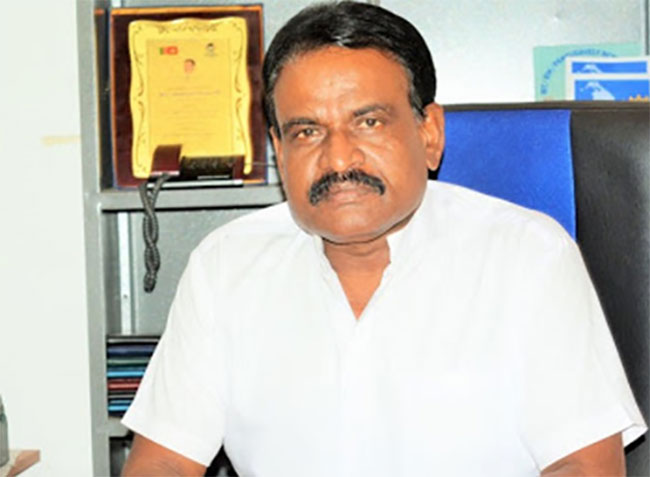
Fundamentalism has become an inseparable element of Sri Lankan politics, allowing criminal networks to flourish under the protection of political elites, warned Illankai Tamil Arasu Kachchi (ITAK) parliamentarian Gnanamuthu Srineshan during remarks this week.
Speaking on the roots of Sri Lanka’s deepening culture of impunity, the Batticaloa District MP said that “racism and religious extremism have become indispensable instruments in fundamentalist politics.” He noted that Sinhala politics has historically centred on securing the majority vote base by mobilising chauvinism and hate.
“Sri Lankan Sinhala politics is fundamentally centred on securing the 74 percent Sinhala vote base,” Srineshan said. “In this pursuit, Sinhala chauvinism is deliberately fostered during elections, enabling electoral triumphs through racist mobilisation.”
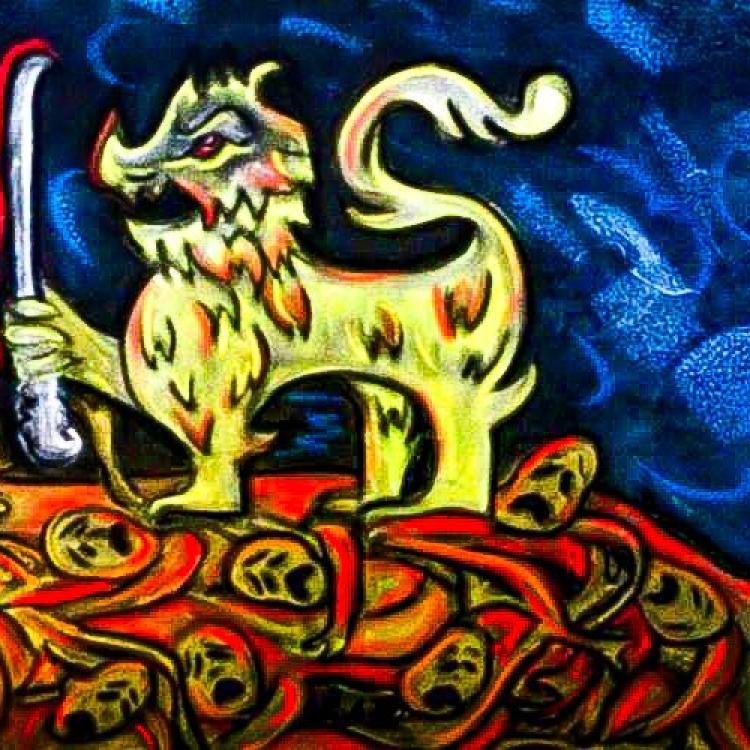
This political culture, he continued, has eroded intercommunal trust and produced a history of ethnic violence, riots, and even genocide against Tamils.
He added that from 1956 to 2009, neither members of the Sri Lankan military nor criminal figures responsible for atrocities against Tamils have been held accountable. Few have ever faced trial, and most perpetrators have enjoyed impunity under successive governments.
Those who remain unpunished often become henchmen to powerful politicians” Srineshan observed, “actively supporting the fundamentalist, deceitful, and violent politics of such leaders.”
In exchange for political loyalty, these individuals are shielded from the law and allowed to operate criminal enterprises, engaging in “black-market operations, contract killings, robberies, abductions, extortion, and sexual crimes.”
Srineshan said the collusion between political leaders and underworld figures stretches back decades — from the administration of J.R. Jayewardene to the Rajapaksa regimes — and continues under the current government.
Referring to recent gang-related killings, including the murder of Kajja, Srineshan described them as “stark examples” of how underworld operatives are created and discarded by politicians.
“These operatives are grotesque products of extreme and corrupt politics,” he stated. “They are exploited to fulfil the sinister objectives of politicians, display their brutal power, and are subsequently killed, imprisoned, or forced into hiding.”
Srineshan concluded by describing the underworld as a symptom of Sri Lanka’s “morally degraded political culture,” urging for a systematic study of the phenomenon and the development of meaningful solutions to end the cycle of political violence, racism, and corruption.
Read more from Tamilwin here.