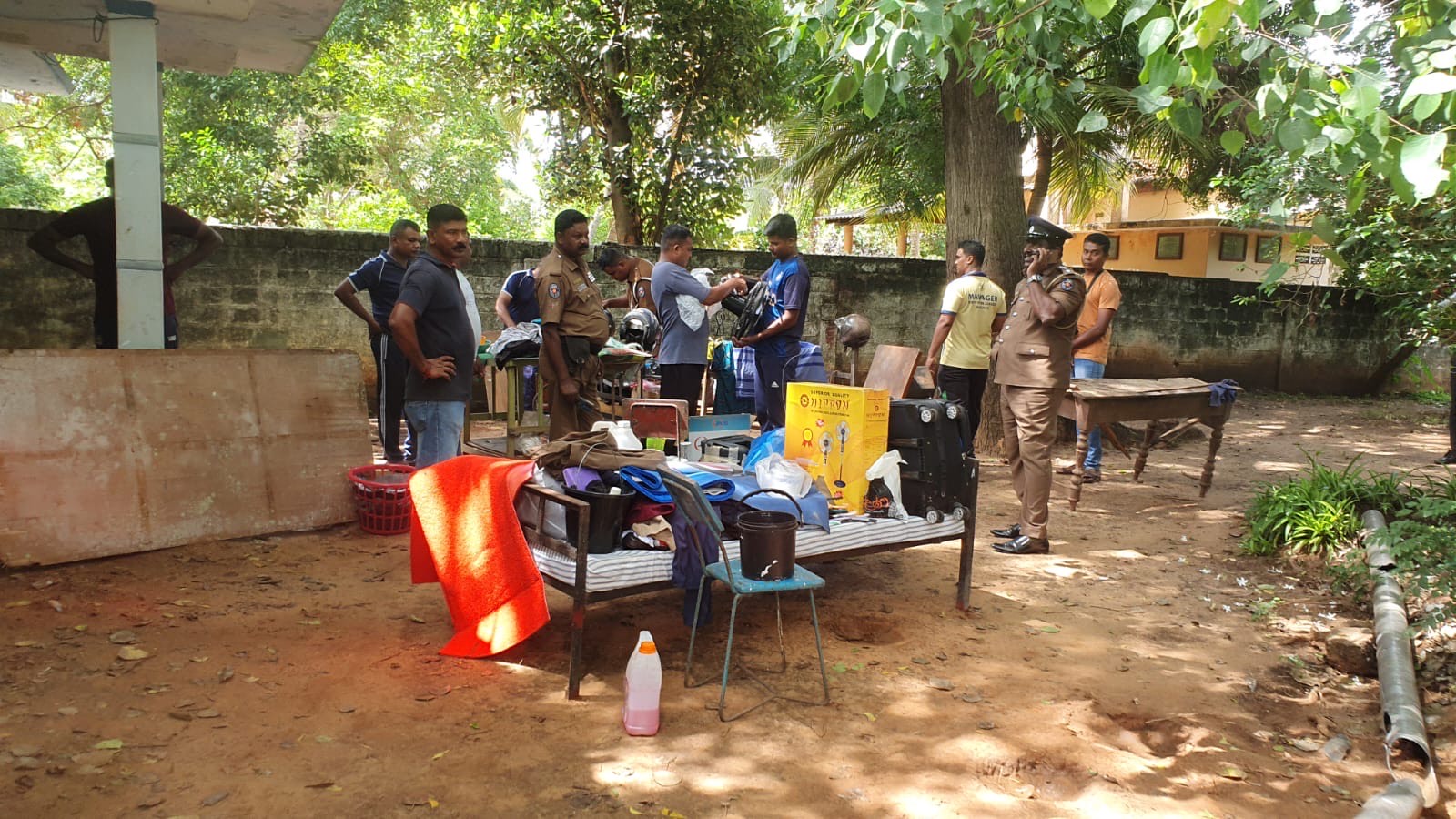
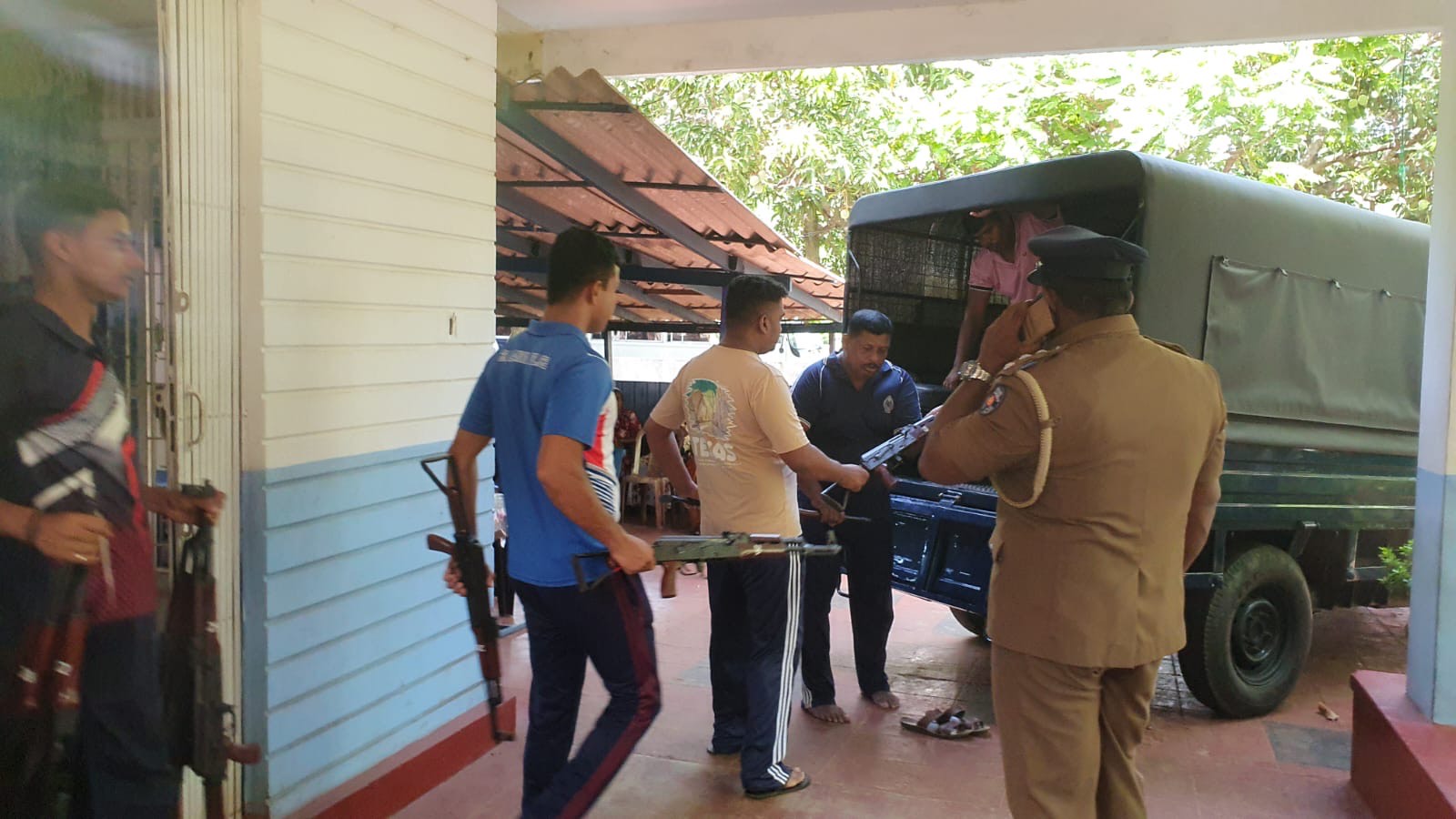
Sri Lankan police officers were evicted from the occupying police station in Koppay this week following a court order that ruled the land they had occupied for decades belonged to private Tamil owners.
The long-contested properties were officially handed back to their rightful owners on Wednesday, marking the end of a six-year legal struggle. The police station, which had been unlawfully established on privately owned lands and houses along Raja Veethi Road in Kopay, Jaffna, has now been temporarily relocated to the Jaffna Police Station.

Despite this single victory, tens of thousands of Sri Lankan soldiers and police officers continue to occupy vast swathes of land across the Tamil North-East.
This particular case came to light after seven Tamil landowners filed a case before the Jaffna District Court in 2019, demanding that the police vacate their properties and restore the land and homes seized without consent. After years of proceedings, District Judge C. Satheeskaran delivered a verdict on 27 June 2025, ordering the eviction of the police and the immediate return of the land to its owners.
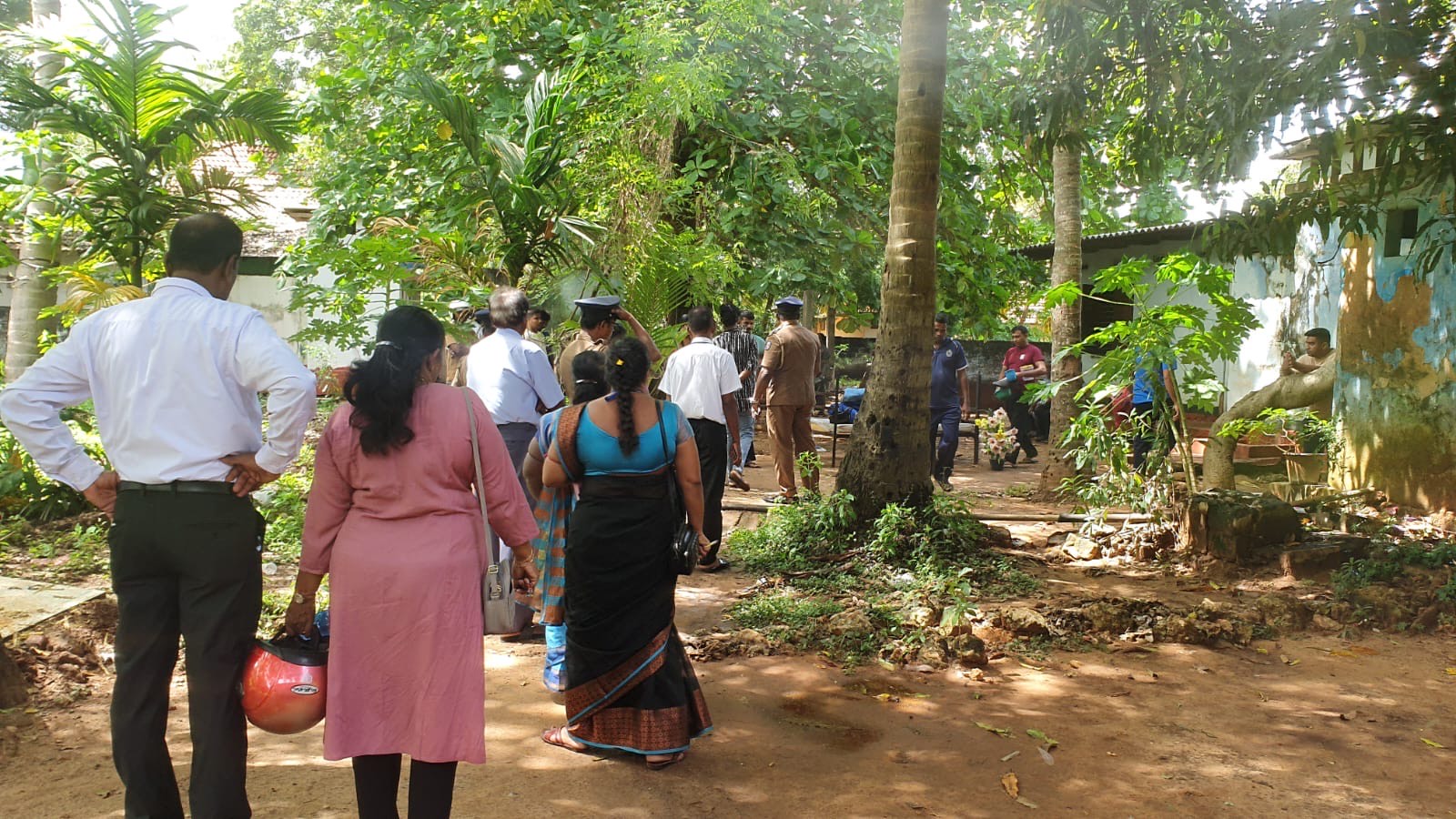
Despite the court’s ruling, the police failed to comply for over two months. The delay prompted the court registrar to personally oversee the eviction on Wednesday. Police officers were removed from the premises, and the land and homes were formally returned to the original owners in the presence of court officials.
For the families who had been dispossessed of their property for more than three decades and forced to live in rented accommodation, the return of their land brought immense relief and joy.
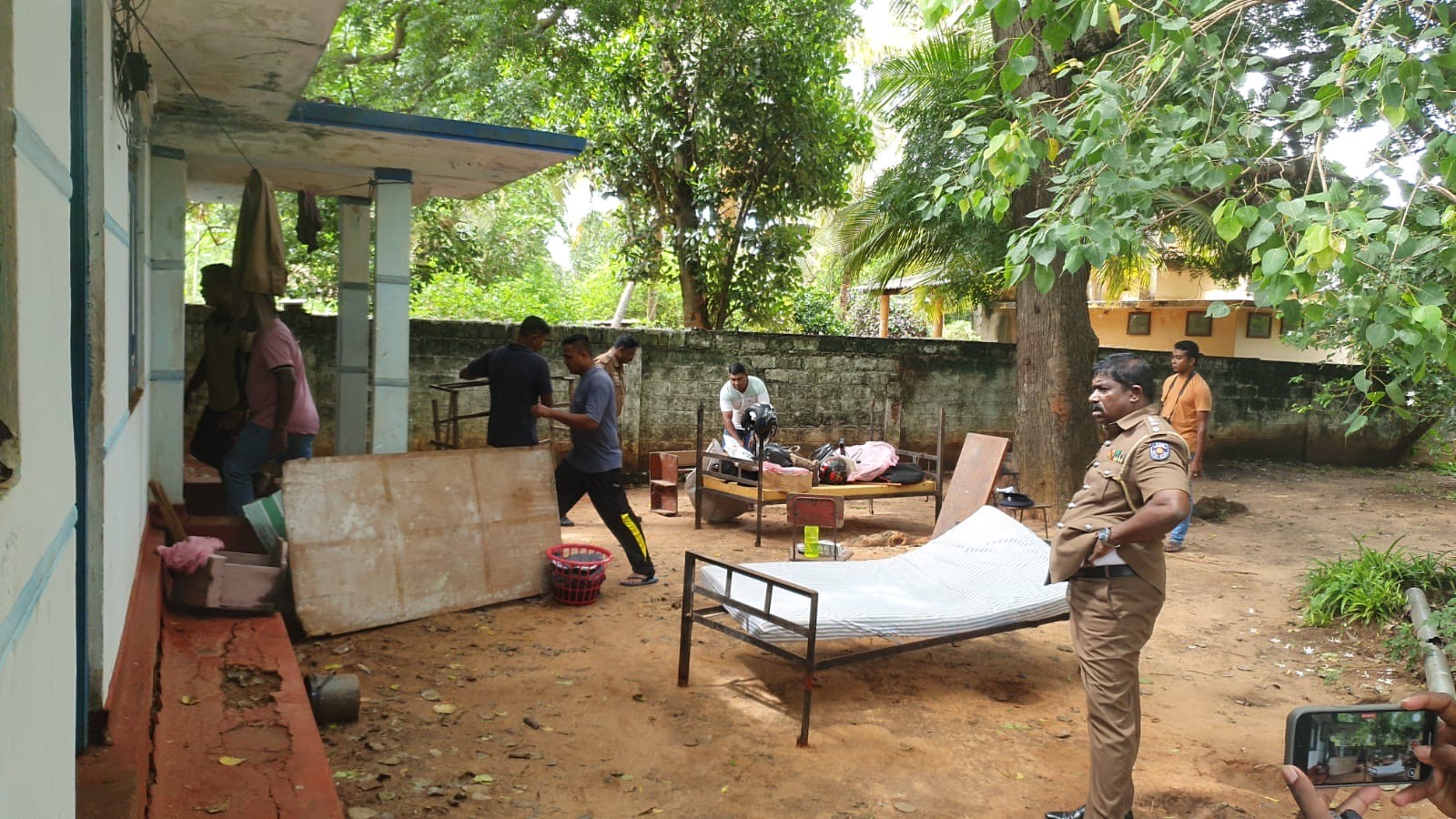
The case has highlighted the continuing issue of land occupation in the Tamil homeland, where state institutions, including the police and military, continue to hold large tracts of private property.
Though the station has been temporarily relocated to the Jaffna Police Station, local residents have called for full accountability and compensation for decades of unlawful occupation, as well as the release of all land occupied by the Sri Lankan state.