
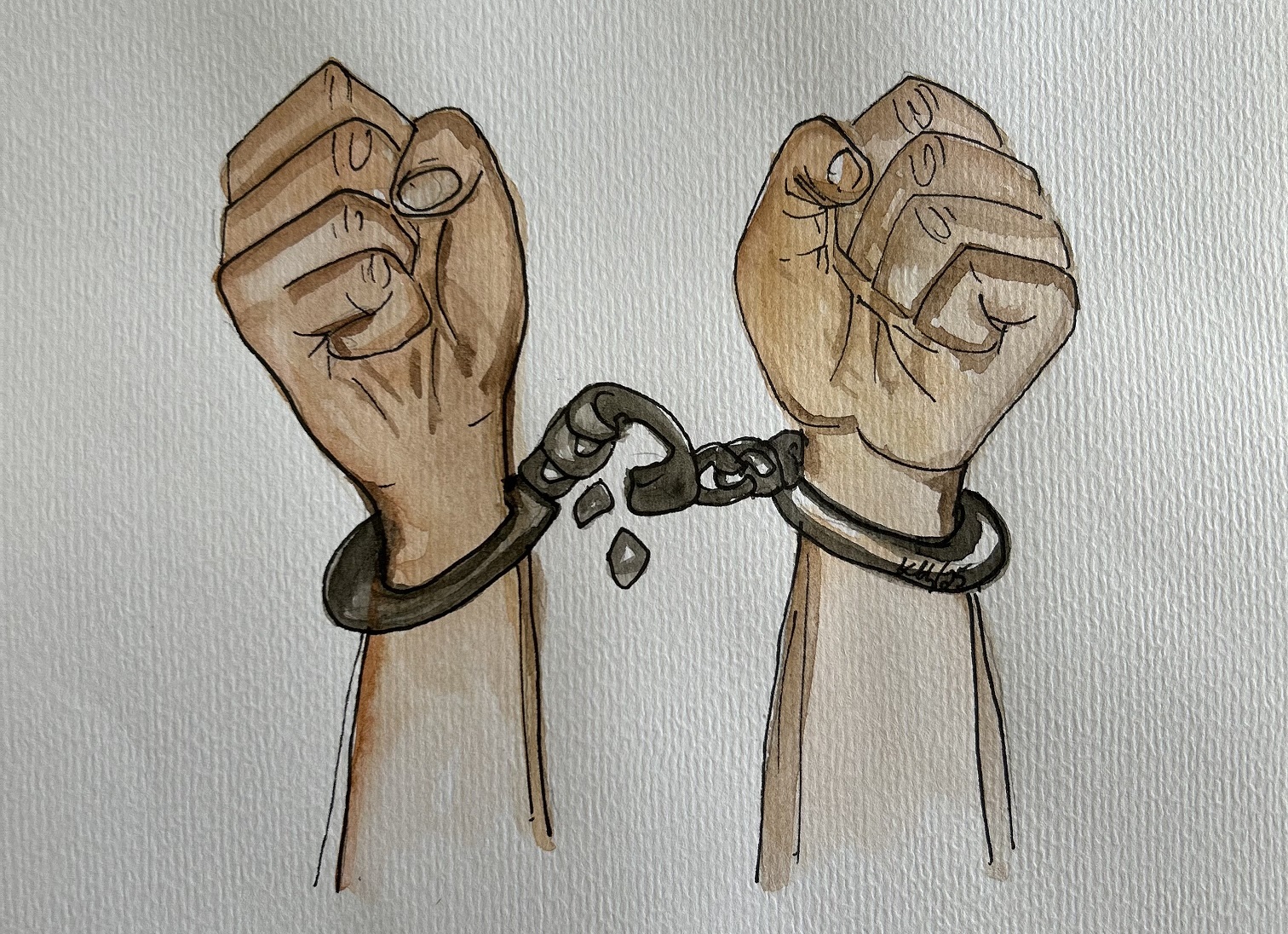
The news that respected Tamil journalist and human rights defender Kanapathipillai Kumanan has once again been summoned by Sri Lankan security forces is neither surprising nor new. It follows a depressingly familiar pattern of repression that has persisted for decades and lays bare the stark reality of life for Tamils under Sri Lanka’s so-called new regime. Despite the promises of a new era under Anura Kumara Dissanayake’s administration, little has changed on the ground. For Tamils, the surveillance, harassment, and intimidation persists.
Kumanan’s case is particularly illustrative. He is a well-known and widely respected journalist who has reported extensively on the North-East and the human rights violations that have taken place there. His work has been featured in international publications, including UN reports, and is familiar to foreign missions. His name is well known not just to his readers, but to diplomats and international observers. He has previously been harassed, assaulted and intimidated by security forces for simply doing his job. That Sri Lanka’s Counter Terrorism and Investigation Division (CTID) has once again chosen to summon him shows the audacity with which its security apparatus continues to target Tamil voices regardless of visibility. Indeed, it seems it has been emboldened by the silence of the international community.
And Kumanan is not alone. This pattern of intimidation is systematic in the North-East, which remains one of the most heavily militarised regions in the world. In no other part of the island is daily life so closely monitored. It is in this militarised context that Tamil journalists, civil society organisations, activists, families of the disappeared, and former combatants continue to face interrogations, visits and threats.
The reasons are as familiar as they are farcical: from social media posts, to attending memorial events, to engagement with international institutions, and even receiving funding from abroad - all are painted as threats to the state. The list is long and the logic is clear. For the Sri Lanka, Tamil civic life is to be monitored, questioned, and suppressed. In many ways, this is a continuation of the state’s long-standing project of securitisation and ethnonationalist policing in the North-East.
The roots of this are not difficult to trace. The expansive security infrastructure that developed throughout decades of repression and grew under the Rajapaksa regime in the run up to the Mullivaikkal genocide. It has never been dismantled. The Yahapalana government and the Ranil Wickremesinghe regime allowed it to fester. And today, it continues to function with the same impunity, aided and abetted by a government that claims reform while containing the same policies of those before it.
It is telling that the National People’s Power (NPP) has demonstrated that it will not hesitate to use state institutions such as the police and judiciary to pursue its opponents. In the South, members of the previous regime have been arrested and put on trial under the guise of anti-corruption. In the North-East, that same apparatus is used to punish dissent. That has not been lost on the Tamil people. It is a deliberate, calculated decision to maintain a climate of fear and silence.
None of this is new. Tamils have been warning about this for years. Just days ago, a letter signed by Tamil political parties, civil society organisations, clergy and academics was submitted to the United Nations and to key member states. It outlined, in clear terms, the ongoing threats faced by Tamils and called for tangible international action.
The response from UN High Commissioner for Human Rights Volker Türk was, yet again, disappointing. It placed misplaced faith in a state that has repeatedly demonstrated its unwillingness to deliver justice or accountability. This is a false binary that must be dismantled - the idea that there is a meaningful difference between “old” and “new” regimes in Colombo. Every government, regardless of party or figurehead, has maintained the structures of repression. Sinhala-led parties differ only in tone, not in substance, when it comes to Tamil rights. Promises of reform have repeatedly served as tools of international delay and distraction, while abuses on the ground continue unchecked.
Kumanan’s summons is clearly not an isolated incident. It is part of a continued and systematic assault on Tamil civil and political life. The international community must stop pretending otherwise. It must stop indulging Sri Lanka’s empty rhetoric of reform and start listening to those who live under its rule. Enough warnings have been given.
___
Illustration by Keera Ratnam.