This article was originally published in iPolitics.
The Canada I know is a country where defending human rights is not only accepted—it is expected. Where elected officials are praised for advocating on behalf of vulnerable communities, not vilified for doing so.
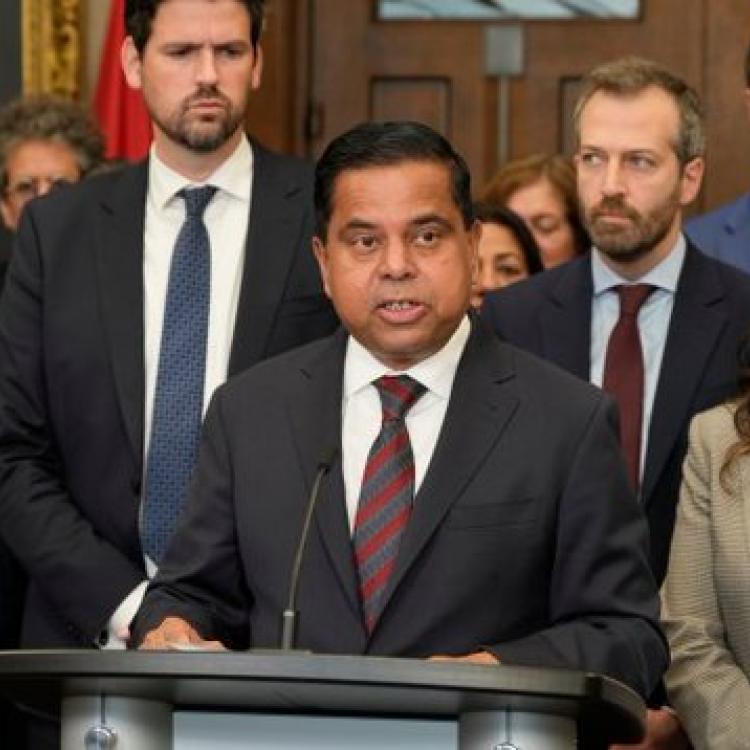
And yet, today, the Honourable Gary Anandasangaree — Canada’s minister of public safety and a proud Tamil-Canadian — is under attack for standing up for a constituent at risk of deportation. His actions, which included writing support letters as part of routine immigration casework, have been portrayed by some as controversial. In reality, they were principled, compassionate, and entirely consistent with the role of a Member of Parliament.
Much of the outrage surrounding this case is based on selective interpretation and a troubling disregard for history. The Sri Lankan Civil War ended in 2009 with the defeat of the Tamil Tigers. But that chapter of history is inseparable from the mass atrocities committed against Tamil civilians: more than 140,000 killed, countless women raped, entire communities decimated. The Tamil people were not only caught in a brutal conflict—they were victims of ethnic cleansing.
The European Union top court in 2017 actually delisted the Tamil Tigers as a terrorist entity, acknowledging the evolving understanding of that conflict. Canada, for its part, has officially recognized the Tamil genocide, and the realities of that era are now taught in our schools. Yet, we find ourselves punishing a federal minister for applying that moral context to a real-world situation involving a Canadian resident in need.
What message does this send to the next generation? How do we explain to young Canadians that their leaders can be condemned for defending the very human rights values we teach in classrooms?
Minister Anandasangaree acted with integrity and compassion. He stood up for a constituent whose safety may be at risk if deported to a country with a documented history of human rights violations. His actions were not only appropriate — they were necessary. Suggesting that a support letter constitutes an endorsement of terrorism is not only factually incorrect, but it also dangerously echoes a narrative used by authoritarian regimes to suppress Tamil voices and deflect accountability.
Let us also confront the double standard at play. Members of Parliament from all parties routinely provide immigration support for constituents. It is standard practice across the country. Why, then, is this instance being treated differently?
If condemnation is warranted, it should not be aimed at those who defend the vulnerable. It should be directed at those responsible for war crimes — like former Sri Lankan President Mahinda Rajapaksa, under whose leadership countless Tamil civilians perished. While he enjoys impunity, survivors in Canada continue to live with unresolved trauma. Imagine the global condemnation if Serbia had refused to extradite Slobodan Milošević, shielding him from prosecution for war crimes in the Balkans. Imagine the international backlash if Uganda had welcomed back Idi Amin, allowing him to live freely after ordering the deaths of hundreds of thousands of his own people. Imagine the moral outrage if post-war Germany had sheltered Hitler. That is the level of failure we risk when perpetrators of mass atrocities evade justice.
Canada should be a nation that upholds human rights, embraces moral clarity, and stands tall in the face of injustice. We must not allow fear, misinformation, and foreign influence to erode the principles that define us.
Minister Anandasangaree showed courage in advocating for the safety and dignity of his community. That is not a scandal. That is leadership.
Now it’s our turn to lead. Let’s stand up for Gary.
_____
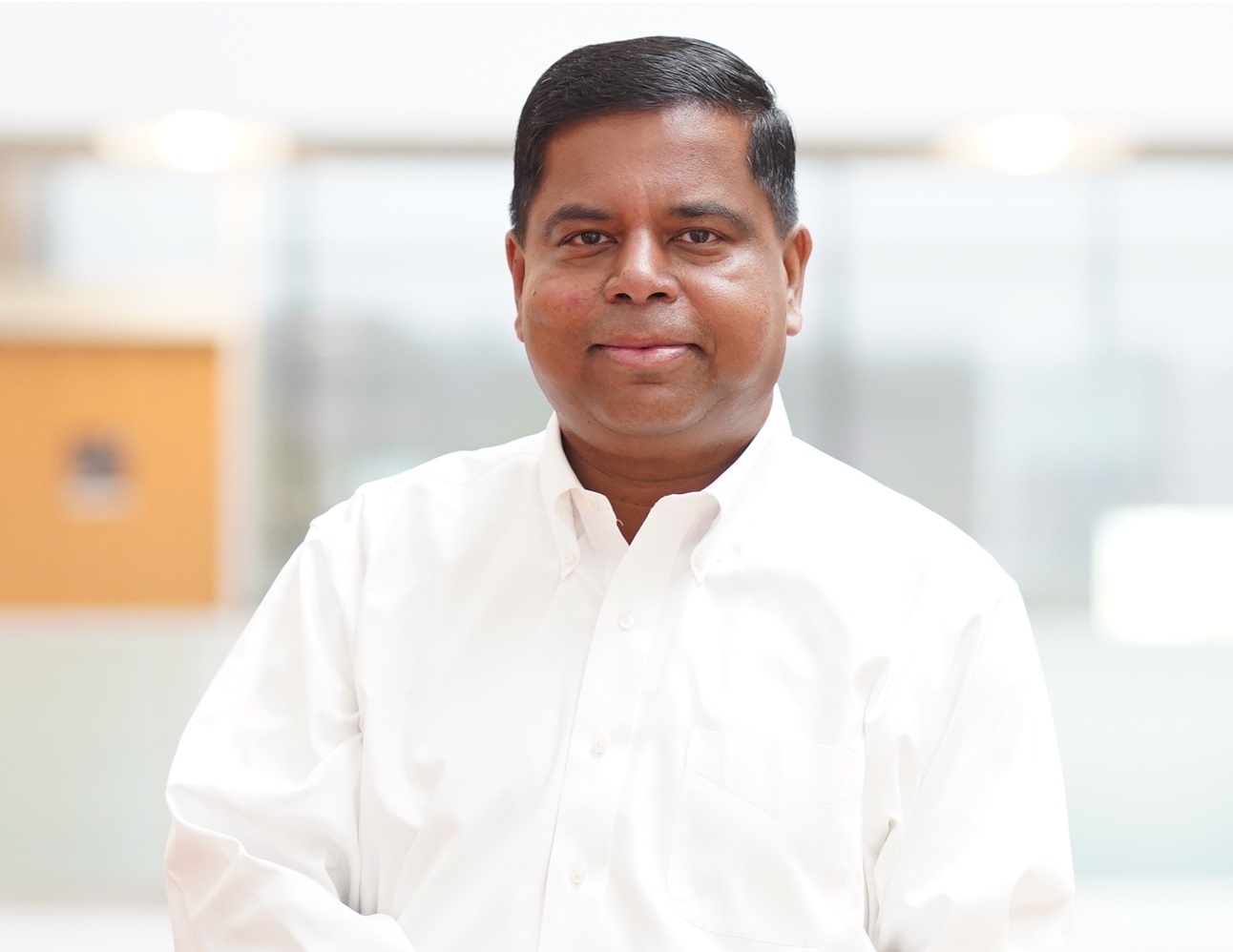
Patrick Brown has served as mayor of Brampton since 2018. He’s a former leader of the Progressive Conservative Party of Ontario (2015-18) and a former Conservative MP for Barrie (2006-15).