Myanmar is on “a path to self-destruction” if violence in the Southeast Asian nation doesn’t end, a U.N. envoy warned following a visit to the country.
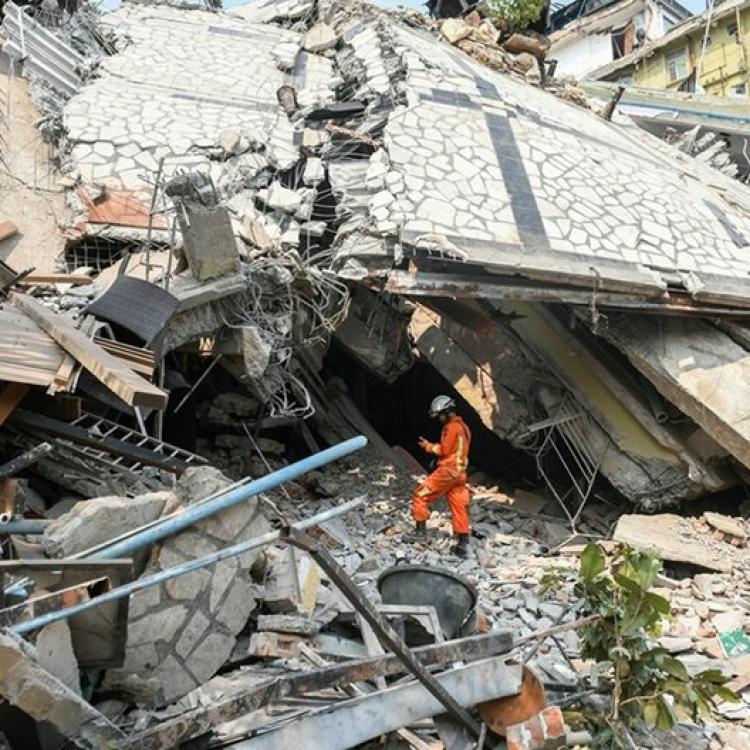
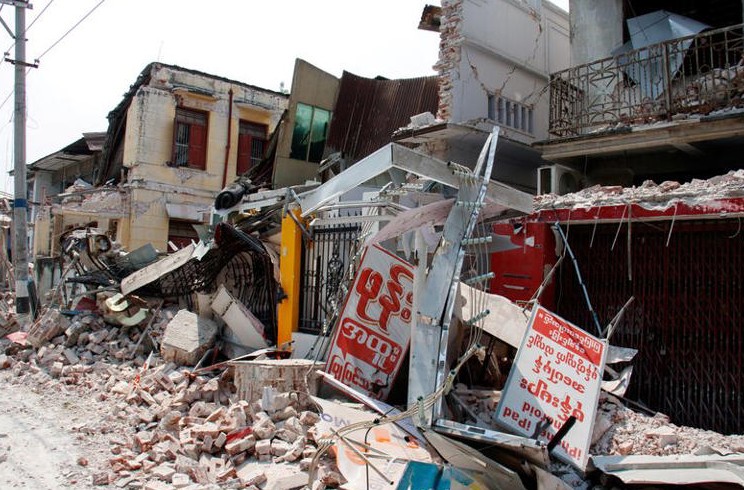
Julie Bishop told the U.N. General Assembly that “alarmingly” the violence didn’t end after a powerful earthquake in late March devastated parts of the capital, Naypyitaw, and the country’s second-largest city, Mandalay, killing more than 3,000 people and injuring thousands more.
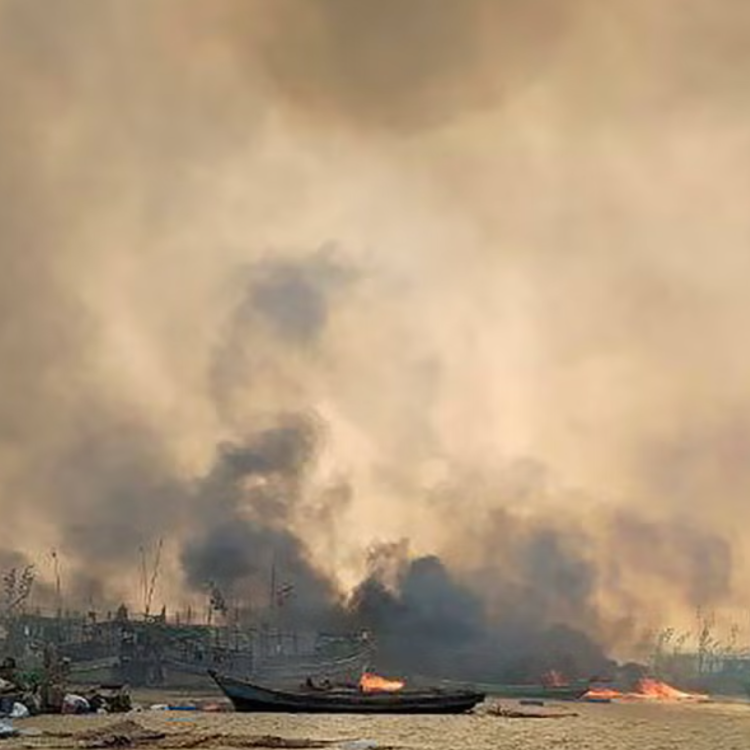
Ceasefires announced by some parties have largely not been observed, “embedding a crisis within a crisis,” and people in Myanmar must now deal with the raging conflict and the earthquake’s devastation, said Bishop, a former foreign minister of Australia.
“A zero-sum approach persists on all sides,” she said. “Armed clashes remain a barrier to meeting humanitarian needs. The flow of weapons into the country is fueling the expectations that a military solution is possible.”
A widespread armed struggle against military rule in Myanmar began in February 2021 after generals seized power from the elected government of Aung San Suu Kyi.
The military takeover triggered intensified fighting with long-established armed militias organized by Myanmar’s ethnic minority groups in its border regions, which have struggled for decades for more autonomy. It also led to the formation of pro-democracy militias that support a national unity government established by elected lawmakers barred from taking their seats after the army takeover.
More than 22,000 political prisoners are still in detention, Bishop said, including Suu Kyi, who turns 80 on June 19, and the ousted president, Win Myint.
The U.N. envoy said she detected “some openness to political dialogue with some regional support, but there is not yet broader agreement on how to move forward.”
The U.N. envoy said she had a meeting online on Monday with representatives of the Rohingya minority from Myanmar and Bangladesh.
She said the situation for the Rohingya in Myanmar’s northern Rakhine state remains dire, with up to 80% of civilians living in poverty and caught in crossfire between the government's military forces and the Arakan Army, the well-armed military wing of the Rakhine ethnic minority, and "subject to forced recruitment and other abuses.”
Read more here