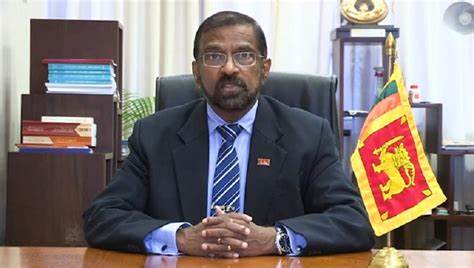
Sri Lanka’s Foreign Secretary, Jayanath Colombage, participated in a webinar titled “International Experts Dialogue on Genocide”.
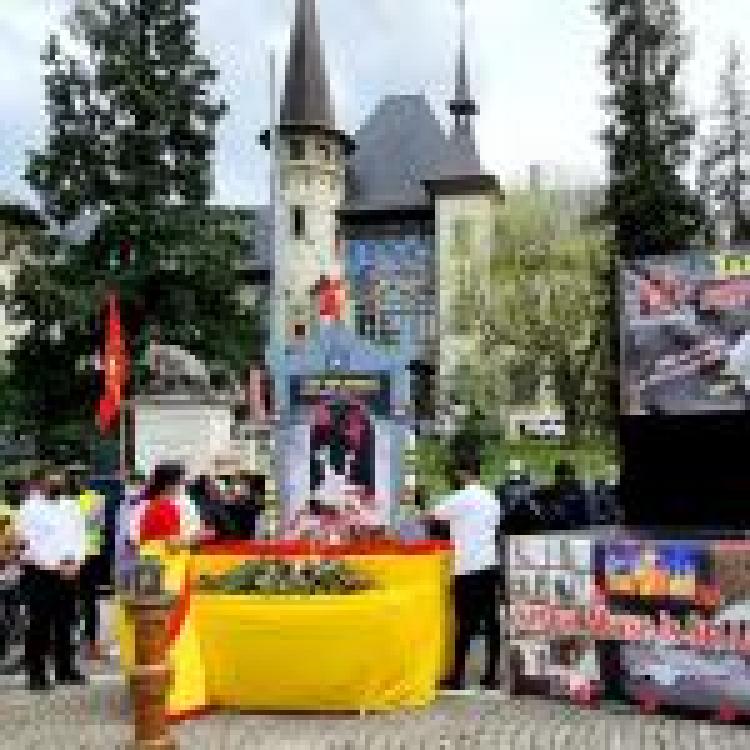
His participation in this dialogue follows the establishment of Tamil Genocide Education week in Ontario, Canada which Sri Lanka’s Foreign Ministry had condemned. During the webinar, Colombage claimed that;
“Allegation of genocide should be made only by competent legal authorities such as #ICJ and not merely by countries and individuals for their own agendas".
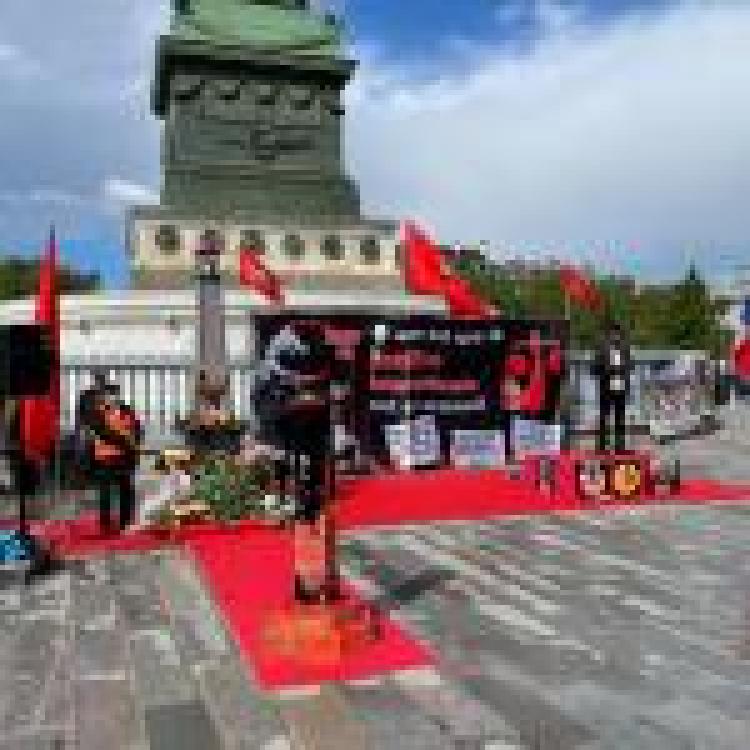
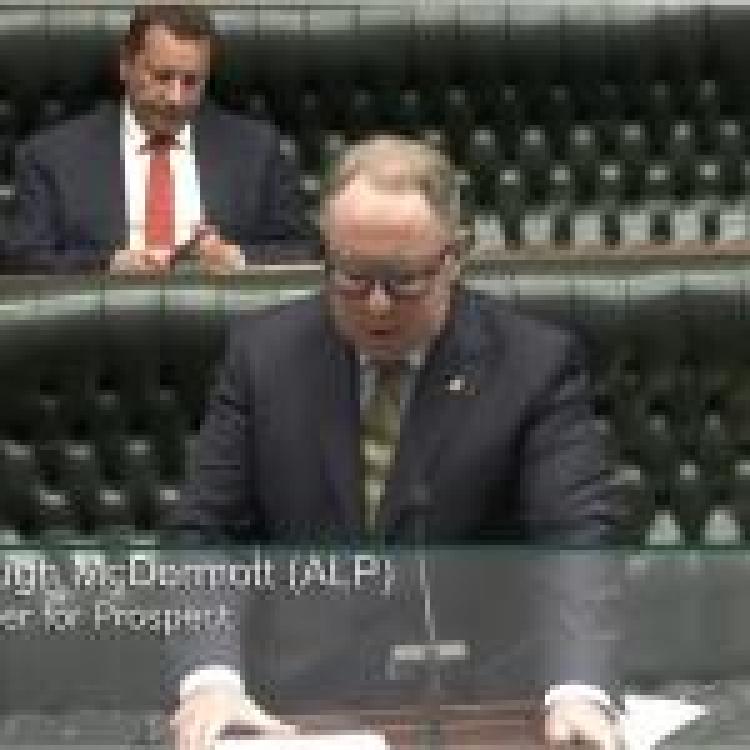
This comes as Sri Lanka faces increased international pressure following the publication of the UN High Commissioner’s report on the deterioration of human rights in Sri Lanka. In Australia, there have been increased calls to recognise the Tamil genocide whilst in France MPs have called on their government to end the persecution of Tamils. In the US, Congress has called for an international mechanism for accountability in Sri Lanka. This follows concerns being raised by the House Foreign Affairs Committee which highlighted issues of “ongoing impunity for human rights violations”.
As we mark 12 years since the end of Sri Lanka’s decades long civil war, we remember the victims and survivors, and support their need for meaningful justice and accountability. Ongoing impunity for human rights violations continues to impede reconciliation efforts.
— House Foreign Affairs Committee (@HouseForeign) May 18, 2021
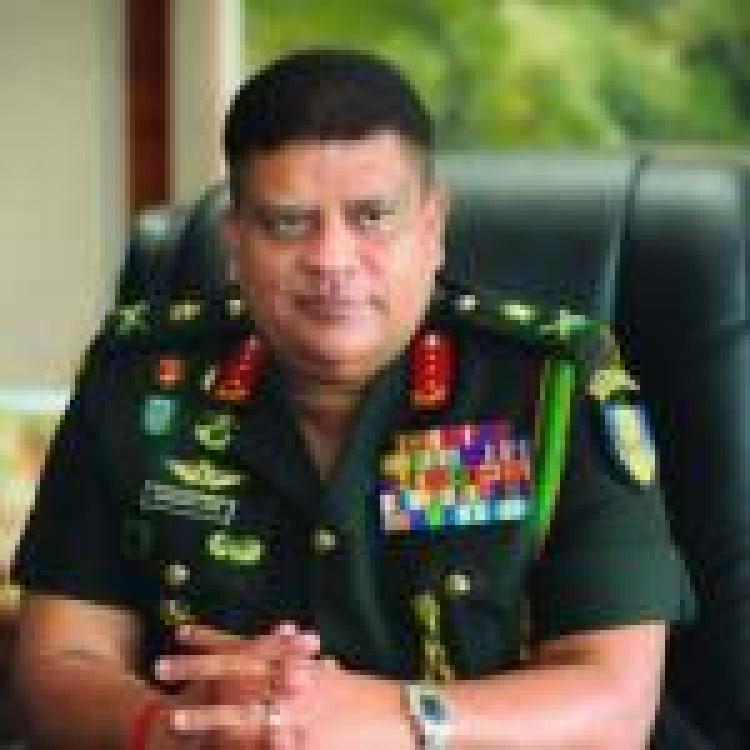
In Britain, politicians from across the aisle, including the Shadow Minister for Asia and the Pacific, have called for sanctions against Sri Lanka’s Army Commander and war criminal. A recent Upper Tribunal judgement further recognised Sri Lanka as an "authoritarian regime" and noted the intense military occupation of the North-East.
The passage of the recent UN resolution maintains the need for the High Commissioner for Human Rights to "collect" as well as "consolidate, analyse and preserve” evidence that could be used in future war crimes trials.
Sri Lanka’s Foreign Minister, Dinesh Gunawardena, decried the resolution as “unwarranted, unjustified”, and “illegal”. Genocide has been an increased concern for Sri Lanka’s Foreign Ministry. In July 2020 the heads of Sri Lanka’s diplomatic missions spending 7 hours speaking to their Foreign Ministry on “strategic communication” on the issue of genocide.