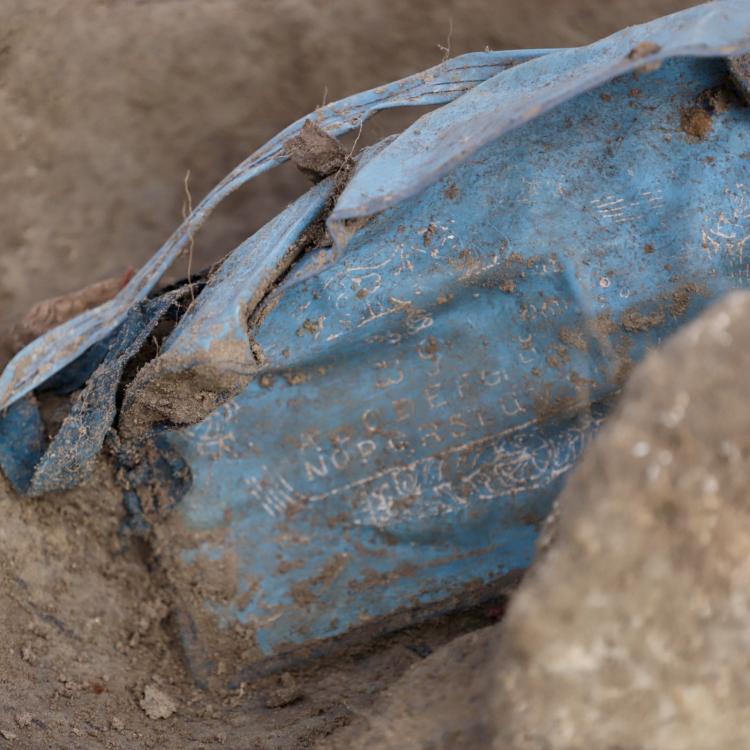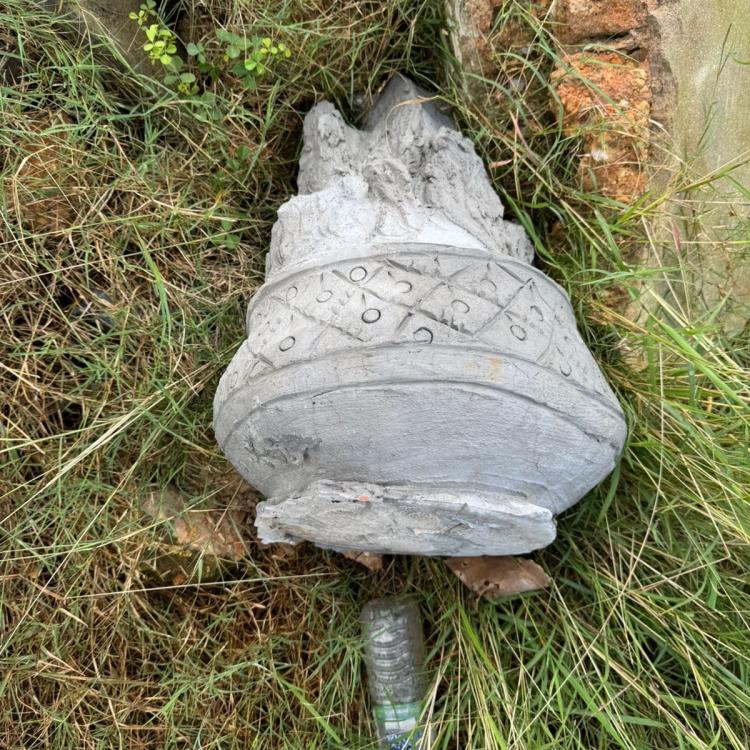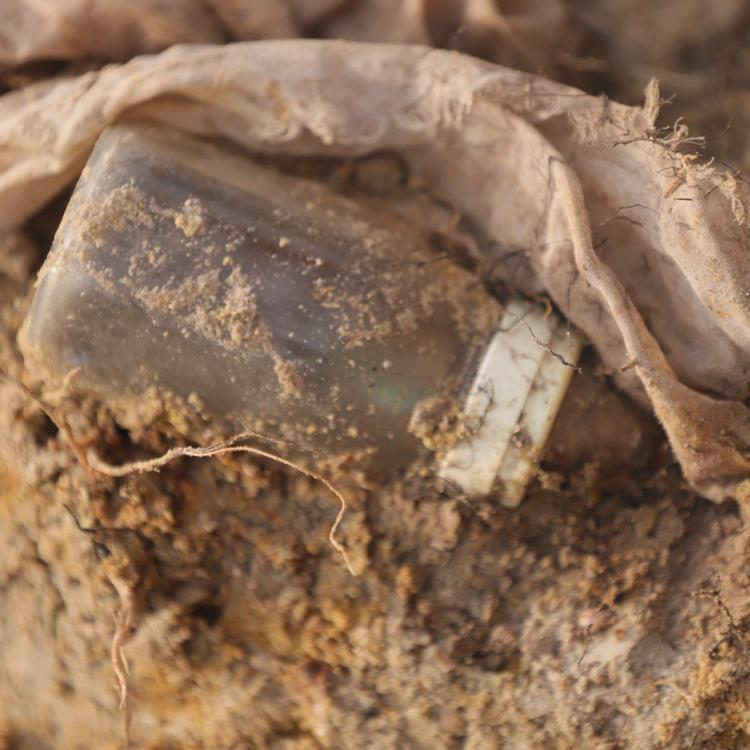
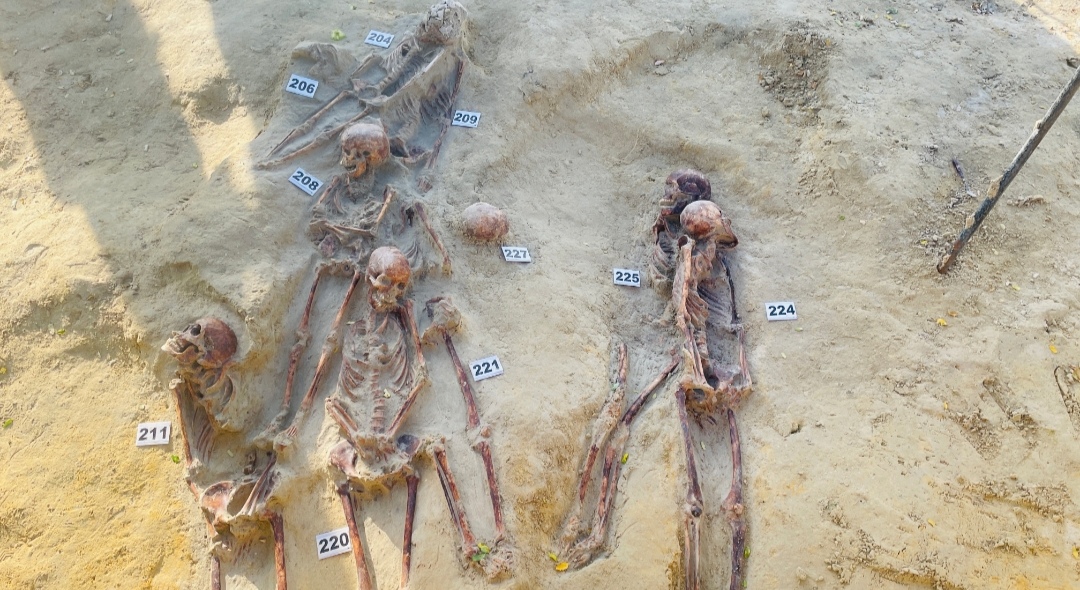
 The excavation of the Chemmani mass grave site in Jaffna, where the remains of hundreds of forcibly disappeared Tamils are believed to be buried, has been stalled for seven months amid delays by the Sri Lankan government.
Despite the recovery of at least 240 sets of human skeletal remains during earlier phases of excavation, the process has yet to resume following a suspension imposed on 6 September 2025. While monsoon conditions were initially cited as the reason for halting work, subsequent delays have been linked to the government’s failure to release court-approved funding in a timely manner.
Excavation was scheduled to recommence next Monday. However, that timeline is now expected to be missed after the Ministry of Justice failed to release the required funds until the final days of the deadline, effectively preventing preparations needed to restart work at the site.
According to court filings, the Jaffna High Court submitted a budget estimate to Sri Lanka's Ministry of Justice on 12 February seeking Rs21 million Sri Lankan rupees to facilitate the next phase of excavation. The funds were only released in the final week before the planned restart, leaving insufficient time to mobilise forensic teams and equipment.
The case is now due to be taken up before the Jaffna High Court on 21 April, where a revised excavation date — tentatively set for 27 April — is expected to be discussed. Families of the disappeared say the repeated delays have once again placed them in a prolonged state of uncertainty, undermining confidence in the investigation.
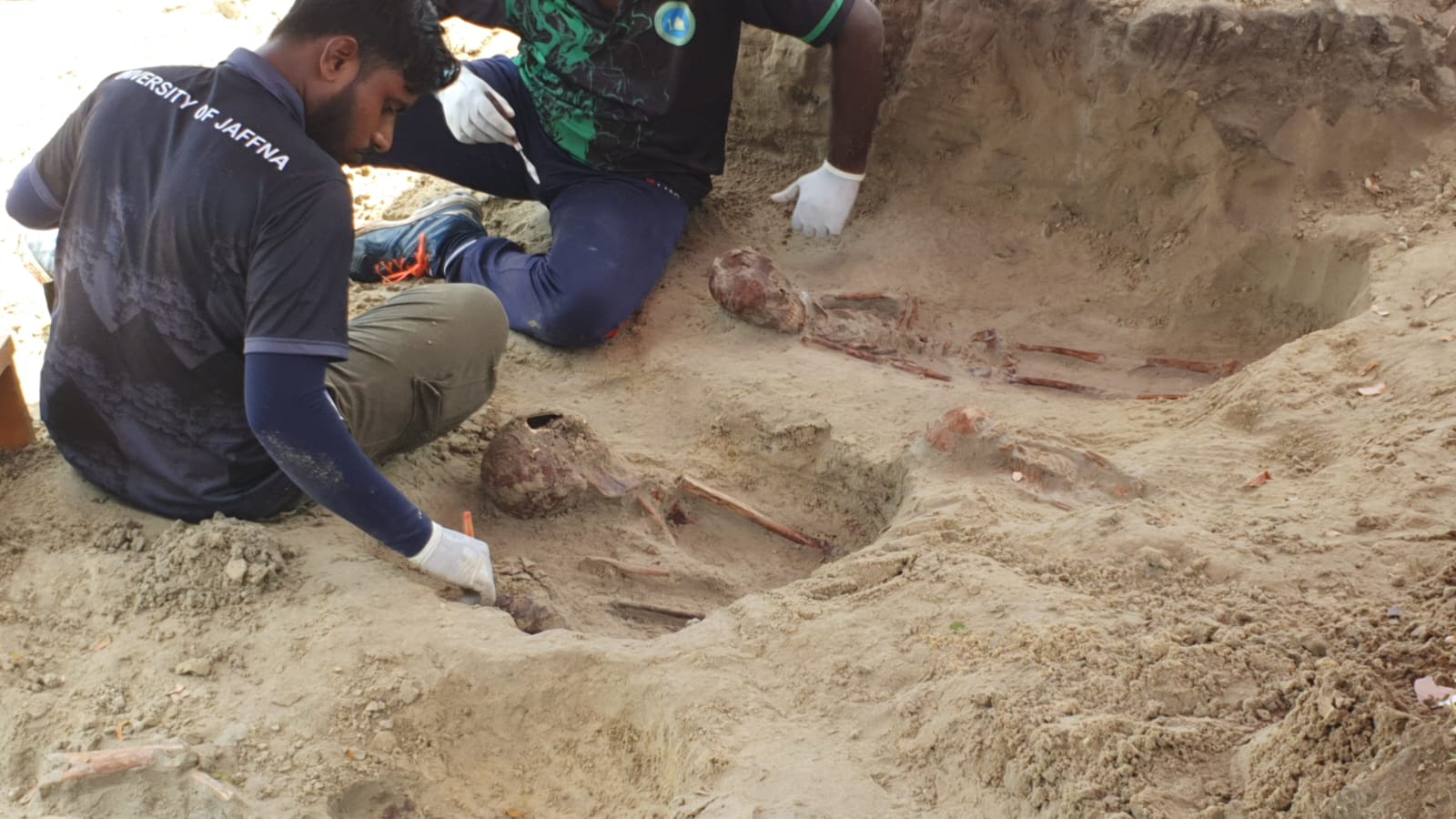
Tamil civil society observers have described the funding delay not as an administrative oversight, but as a form of obstruction that has eroded momentum and transparency in the process. The National People’s Power (NPP) government, including Justice Minister Harshana Nanayakkara, has repeatedly claimed in parliament and at international forums, including the UN Human Rights Council in Geneva, that it is committed to accountability and is adequately resourcing domestic investigations. However, activists in the North-East say the handling of the Chemmani excavation contradicts those claims. They point to the seven-month hiatus and the Sri Lankan government’s continued rejection of international forensic and technical assistance as evidence that the investigation remains firmly under the control of a state apparatus implicated in enforced disappearances during the Mullivaikkal genocide.
Chemmani has long been emblematic of state cover-ups surrounding Tamil mass graves. Testimony by former Sri Lankan soldier Somaratne Rajapakse in the late 1990s detailed the burial of hundreds of Tamil civilians in the area; yet successive governments failed to conduct a sustained or credible investigation. Offers of international forensic support, including from the United Nations High Commissioner for Human Rights, have also been repeatedly rejected.