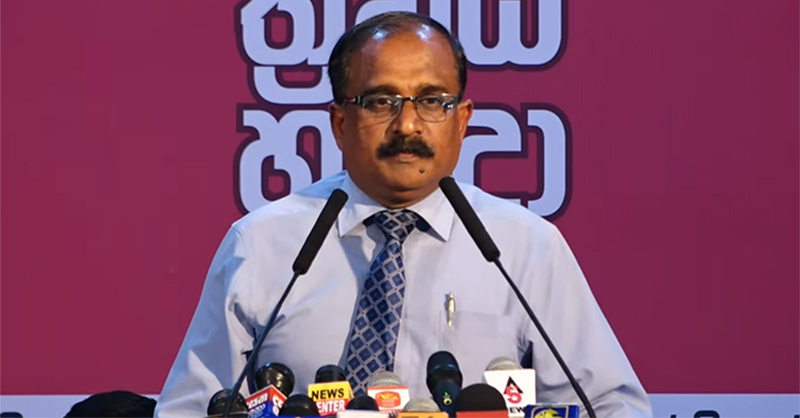
Sri Lanka’s Deputy Minister of Defence Aruna Jayasekara has dismissed reports that the government plans to remove the Sri Lankan military headquarters in Jaffna, stating that the claims are “entirely false”.
Jayasekara made the remarks in Parliament yesterday during a debate on the extension of emergency regulations.
Addressing lawmakers, he rejected speculation that Colombo had decided to relocate or remove the military headquarters in Jaffna, describing the reports as politically motivated.
He said the claim that the Sri Lankan government had decided to remove the military headquarters in Jaffna was “entirely false” and added that authorities viewed it as political manoeuvring by individuals seeking short-term advantage.
The deputy minister also addressed the issue of land releases in the North-East, stating that any decision to return lands would be subject to security considerations.
According to Jayasekara, when lands are released in the Northern and Eastern provinces, authorities examine all relevant factors and prioritise “national security”.
He further argued that some parties attempt to obstruct the process of land releases by raising what he described as fabricated allegations.
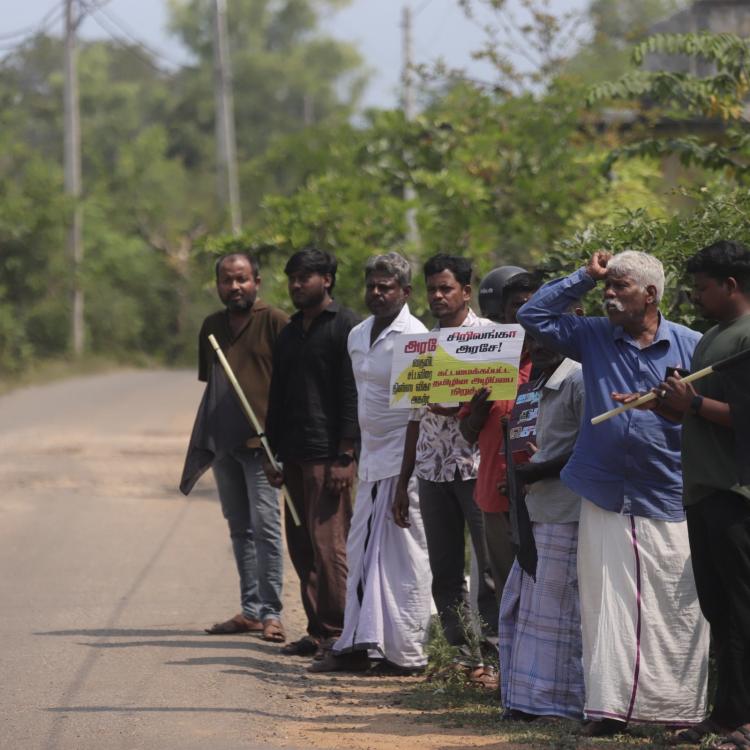
His remarks come amid continuing demands from Tamil political representatives and civil society groups for the return of lands still held by the Sri Lankan military in the Tamil homeland. Despite the end of the armed conflict in 2009, significant areas of land in the North-East remain under military control, including agricultural lands and residential areas.
Jayasekara also addressed the continuation of emergency regulations in Sri Lanka, noting that such measures had previously been used during times of national crisis. He stated that following the devastation caused by the 2004 Indian Ocean tsunami, emergency regulations were introduced by the Sri Lankan president under the Public Security Ordinance on 28 December 2004 to ensure public safety and manage the disaster response.
Under the law, emergency regulations must be renewed on a monthly basis.
Jayasekara said the government had reviewed the current regional situation, including tensions in the Middle East, during a national security council meeting convened under the president’s leadership. Following that discussion, the government decided to extend the emergency regulations once again.
He insisted that the regulations had not been implemented to undermine democracy or human rights and said there was no intention to use them against the public.
Jayasekara also criticised opposition parties, stating that they had failed to provide evidence to support claims that the emergency powers had been misused.